Прогнозные рынки, такие как Kalshi и Polymarket, растут, генерируя объемы в миллиарды долларов. Но некоторые наблюдатели обеспокоены этическими проблемами и потенциальными кредитными рисками, создаваемыми крупными платформами прогнозных ставок.
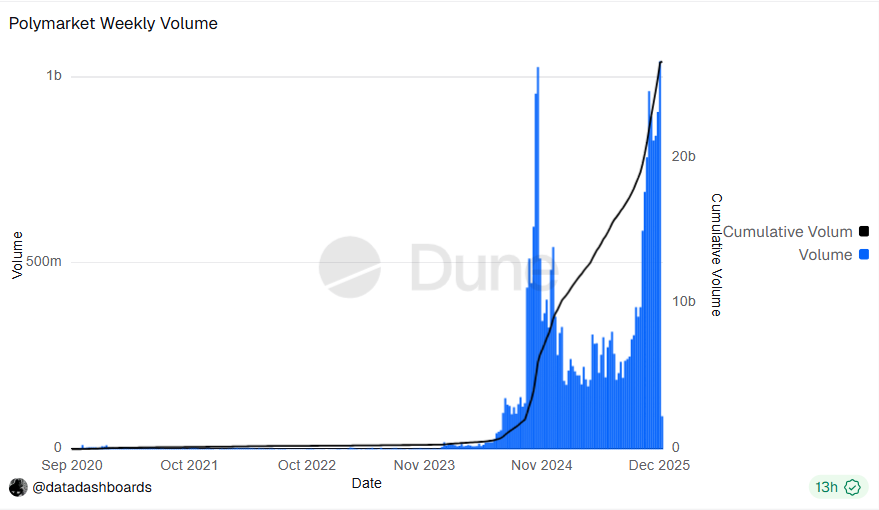
На прошлой неделе номинальный объем Polymarket составил более 1,2 миллиарда долларов, согласно данным Dune Analytics. Медиагигант CNBC заключил партнерство с прогнозным рынком Kalshi для интеграции данных прогнозов на своих телевизионных, цифровых и подписочных платформах.
На фоне этого успеха соучредитель Kalshi Тарек Мансур упомянул о создании «торгуемого актива из любого различия во мнениях», заявив, что прогнозные рынки вскоре могут превзойти по размеру фондовый рынок.
Регуляторы в некоторых юрисдикциях прилагают усилия, чтобы обуздать их деятельность. В последние недели возникли опасения по поводу фиктивных и инсайдерских сделок, и некоторые аналитики считают, что это усугубляет кредитные риски.
Карта российско-украинской войны изменена, ставка на прогнозном рынке разрешилась
Прогнозные рынки открыли ряд возможностей для заключения пари на события. Они могут варьироваться от конкретного элемента спортивного матча до исхода войны. В некоторых случаях это приводило к манипуляциям инсайдеров для разрешения рынка определенным образом.
Вероятно, именно это произошло в ноябре, когда Институт изучения войны (ISW) объявил о несанкционированном редактировании своей карты российско-украинской войны. Этой картой пользуются медиаорганизации по всему миру для отслеживания изменений на передовой.
Правка касалась карты ISW Мирнограда, где украинские войска с июля 2024 года обороняли город от российской Покровской наступательной операции. Несанкционированное изменение карты города совпало с разрешением пари на Polymarket: «Захватит ли Россия Мирноград к...» и затем шла серия дат.
Разрешение рынка срабатывало, если Россия удерживала перекресток двух улиц: Ватутина и Пугачева. Согласно 404 Media, 15 ноября кто-то отредактировал карту, чтобы показать, что российские войска заняли перекресток. Сразу через несколько минут после разрешения рынка правка исчезла.
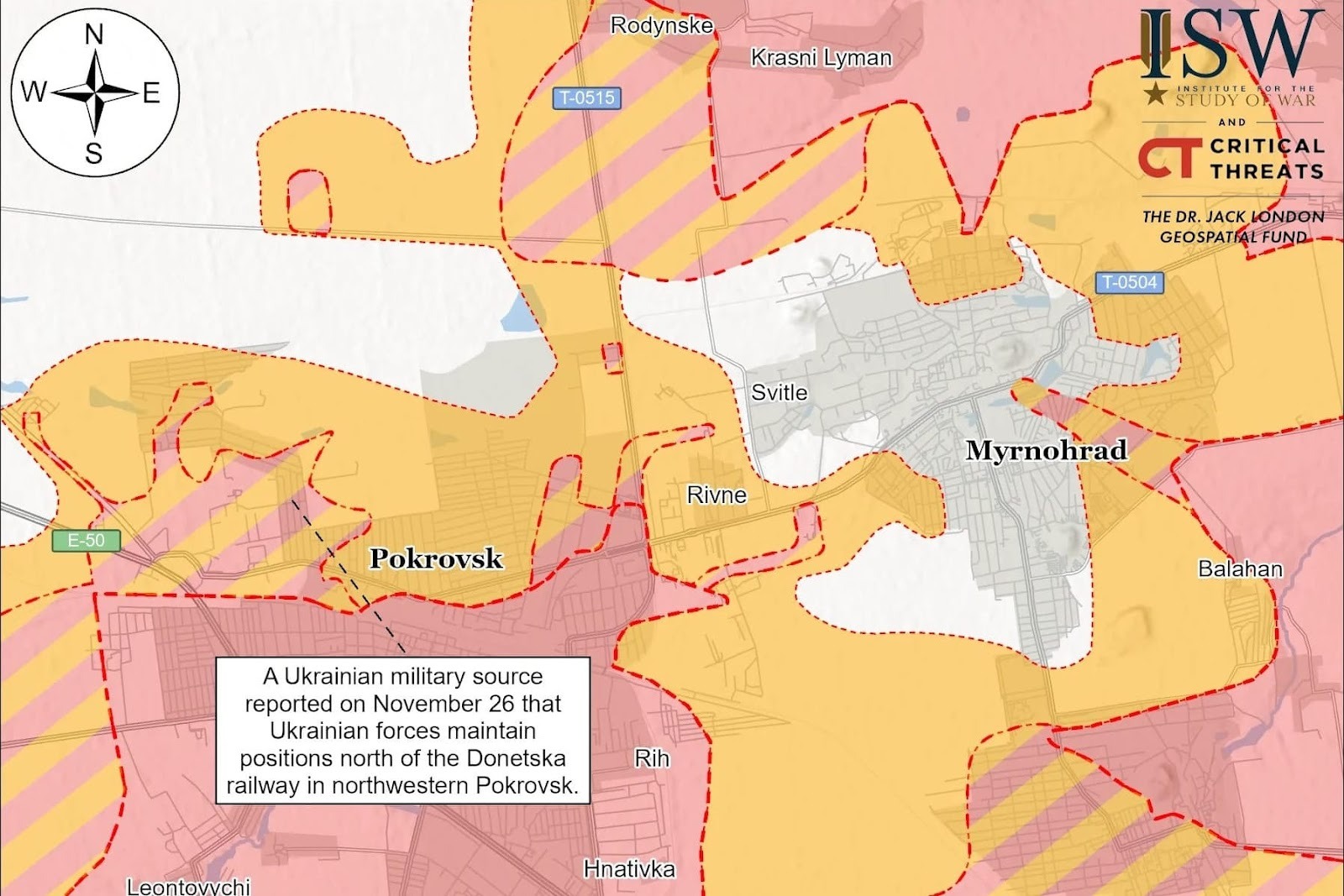
Обновленная карта ISW от 17 ноября не показала, что российские силы контролируют перекресток. Источник: ISW, 404
ISW объявил о несанкционированном редактировании 17 ноября. В нем отмечалось, что «Карта не отражает изменения на поле боя в реальном времени, и все корректировки, внесенные в течение нашего рабочего дня, подлежат проверке и изменению в течение дня.»
В данном случае, якобы, не только использовались инсайдерские знания для манипулирования данными, но и эти манипуляции могли повлиять на общественное восприятие продолжающегося вооруженного конфликта.
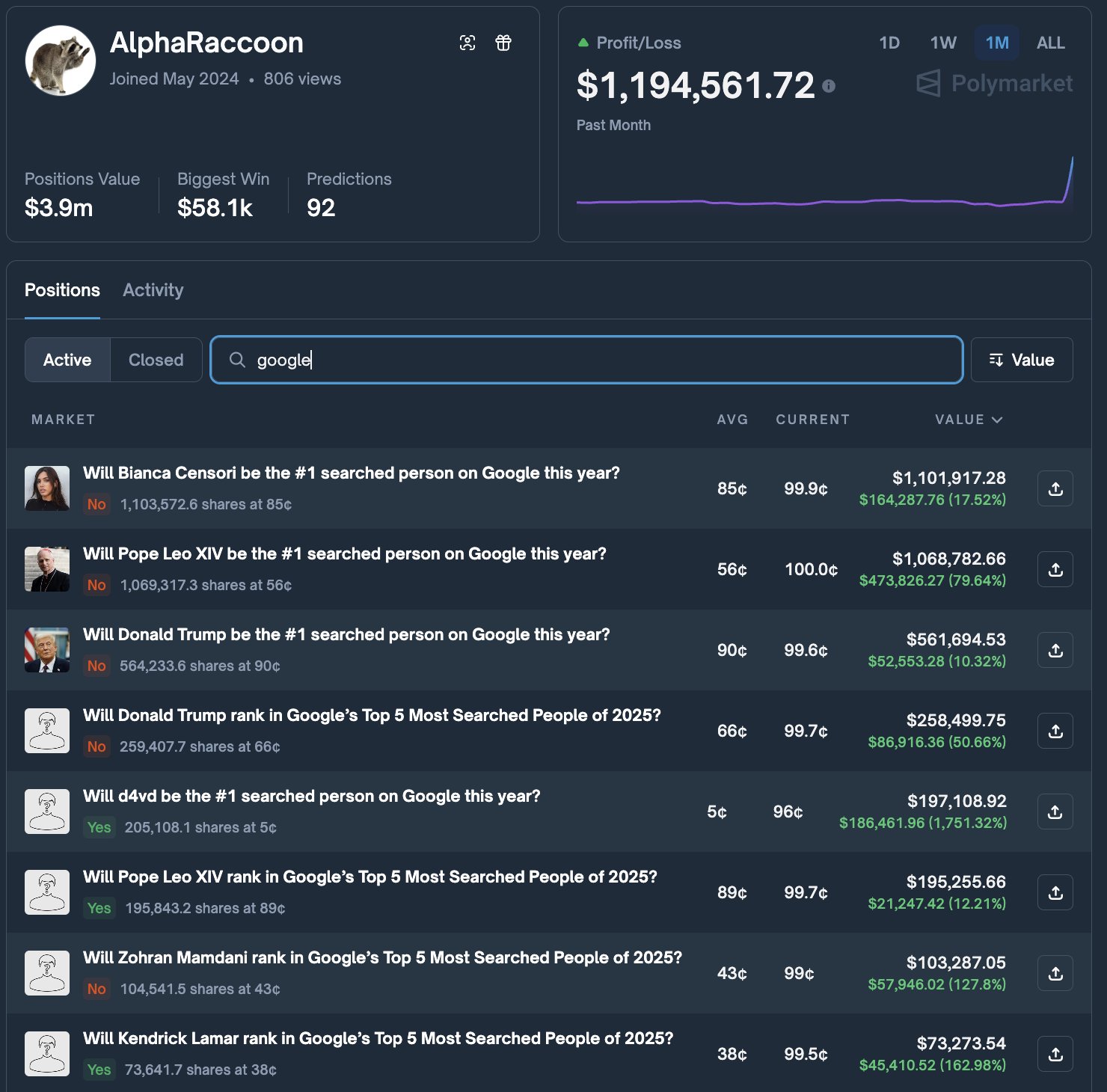
Появились и другие примеры. Псевдонимный трейдер AlphaRaccoon заработал более 1 миллиона долларов на ставках, связанных с рейтингами результатов поиска Google. Также сообщается, что он заработал 150 000 долларов, предсказав точный день, когда Google запустит новую версию своей модели искусственного интеллекта Gemini.
Чон Хэджу, старший инженер-программист Meta, сказал: «Он инсайдер Google, доящий Polymarket ради быстрых денег. Это одна из самых диких вещей, которые я видел на платформе.»
Обвинения в манипулировании не ограничиваются инсайдерской торговлей. Ноябрьский отчет исследователей из Колумбийской бизнес-школы показал, что фиктивные сделки — то есть «покупка и продажа ценных бумаг без занятия чистой позиции с целью искусственного завышения зарегистрированного объема» — составили 60% объема на Polymarket в декабре 2024 года.
По теме: Исследователи Колумбийского университета обнаружили, что Polymarket изобилует «искусственной торговлей»
Этот показатель значительно снизился, но к октябрю 2025 года вырос почти до 20% от общего объема и в среднем составлял 25% от всей торговли на Polymarket.
Фиктивные сделки «не добавляют ликвидности или информации на рынок», — сказал Яш Канория, профессор бизнес-школы Колумбийского университета. Это особенно важно, учитывая заявления о том, что прогнозные рынки обеспечивают более точный и динамичный анализ ситуации.
Джейсон Вингард, приглашенный distinguished профессор Гарвардского университета и исполнительный председатель Совета по образованию, написал, что прогнозные рынки создают «„сигнал истины“, который движется быстрее, чем опросы, эксперты или официальные отчеты. Когда тысячи людей готовы потерять деньги на том, что, по их мнению, произойдет, результатом становится динамичный прогноз политических исходов, корпоративных решений, экономических тенденций и культурных сдвигов.»
Регуляторные битвы, пока прогнозные рынки размышляют о новых активах
В этом году прогнозные платформы получили важные регуляторные одобрения. В ноябре Polymarket получил regulatory approval от Комиссии по торговле товарными фьючерсами США (CFTC) на работу в качестве посреднической торговой платформы.
Основатель и генеральный директор Polymarket Шейн Коплан сказал: «Это одобрение позволяет нам работать таким образом, который отражает зрелость и прозрачность, требуемые нормативной базой США.»
Kalshi также регулируется CFTC, что означает, что, теоретически, ей должно быть разрешено работать во всех 50 штатах.
Однако регуляторы штатов выступили против этих платформ. В настоящее время Kalshi ведет судебные тяжбы с игровыми регуляторами в Неваде, Нью-Джерси, Нью-Йорке, Массачусетсе, Мэриленде и Огайо по вопросу о том, является ли ее платформа азартным предприятием.
Другие видят потенциальные риски для финансовой и кредитной систем. Аналитики Bank of America написали: «Легкий доступ и геймифицированные интерфейсы поощряют частые и импульсивные ставки, что может привести к чрезмерному расширению кредита и росту дефолтов по кредитам.»
«Для инвесторов это слияние развлечений и спекулятивных финансов сигнализирует о повышенном поведенческом риске, который может оказать давление на качество кредитов, увеличить просрочки и повлиять на прибыль эмитентов и субпрайм-кредиторов.»
Они сказали, что эти риски могут оказать давление на качество кредитов, и что онлайн-рынки ставок «вводят новый риск для кредиторов, с которым им historically не приходилось сталкиваться, и, возможно, потребуется адаптировать модели андеррайтинга.»
Департамент защиты прав потребителей Коннектикута направил предписания о прекращении деятельности (cease-and-desist orders) Robinhood, Kalshi и Crypto.com. В нем говорилось, что, помимо отсутствия надлежащих gambling лицензий, платформы представляют «серьезный риск для потребителей, которые могут не осознавать, что ставки, размещенные на этих незаконных платформах, не предлагают никакой защиты их денег или информации.»
План Мансура превратить «любое различие во мнениях» в торгуемый актив может звучать ново, но betting платформам сначала придется столкнуться с пристальным вниманием регуляторов и множеством этических проблем.
Журнал: 6 причин, почему Джек Дорsey определенно Сатоши... и 5 причин, почему он не он







