Автор: Nicky, Foresight News
11 июня сайт Caixin опубликовал статью под заголовком «Бизнес-леди в сфере криптовалют обманута в США на 60 миллионов юаней: как братья с «ближневосточным королевским» прошлым устроили ловушку?». Следуя зацепкам из этой статьи, мы изучили историю взлетов и падений этой «криптовалютной бизнес-леди» по фамилии Люй.
По сообщению Caixin, китайская бизнес-вумен из сферы криптовалют стала жертвой инвестиционного мошенничества в США, потеряв более 9,4 миллиона долларов (около 60 миллионов юаней). Речь идет о генеральном директоре компании по вычислительным мощностям из юго-западного региона Китая, Люй Юншуан (Lü Yǒngshuāng). По данным, в период своего расцвета контролируемый ею пул для майнинга занимал около 9% от общей вычислительной мощности биткойна в мире.
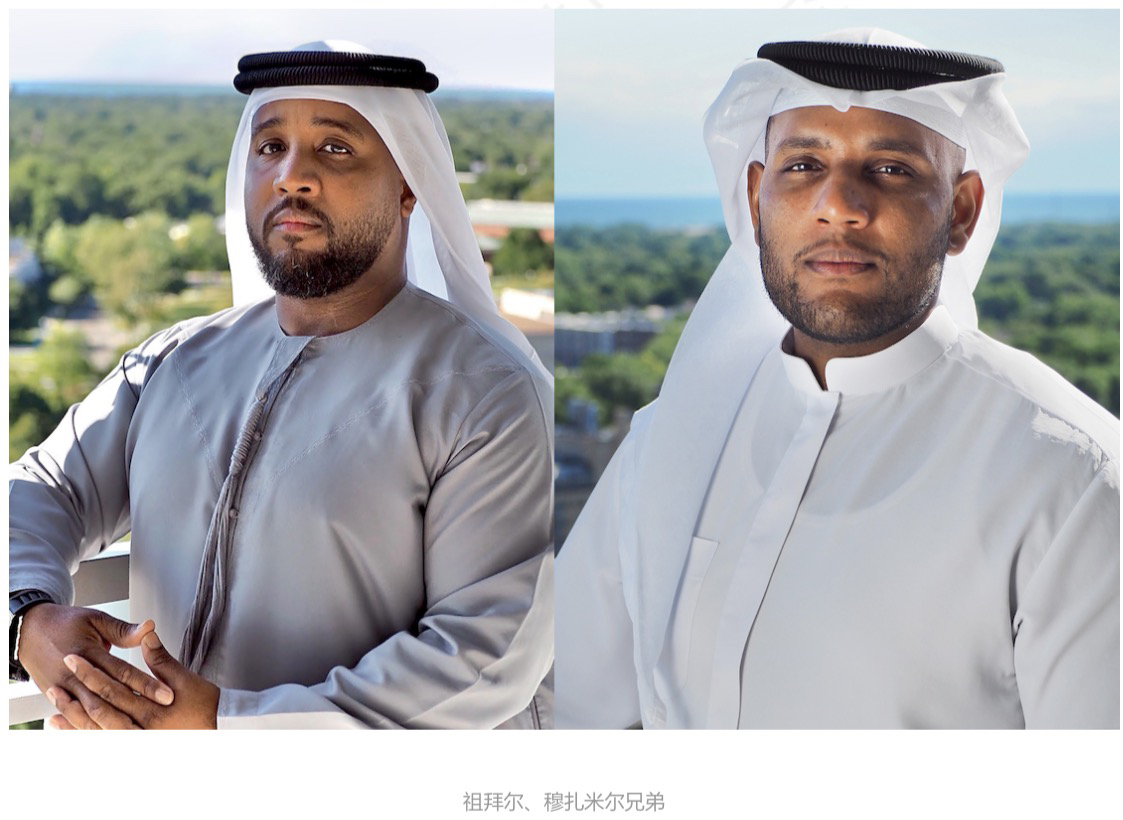
В отчете говорится, что два брата по фамилии Зубайр, выдававшие себя за лиц с «ближневосточным королевским» происхождением, совершили мошенничество, используя поддельные личности. Один из них называл себя «зять ближневосточной королевской семьи» и заявлял, что контролирует семейные средства Ближнего Востока, имеет международные деловые связи и связи с местными властями США. Другой же, вдохновляясь персонажем из американского сериала «Миллиарды», представлялся управляющим хедж-фондом. Им также удалось связаться и повлиять на начальника аппарата мэра Ист-Кливленда, штат Огайо, Майкла Смедли, и в итоге склонить Люй Юншуан подписать контракт на разработку криптовалютной майнинговой фермы.
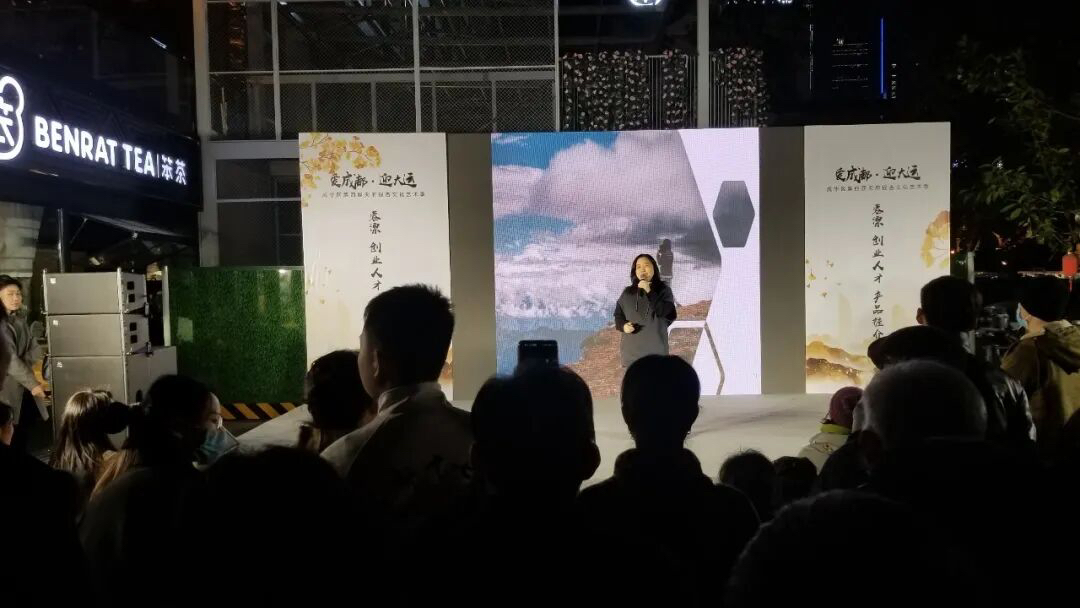
Упомянутая в отчете Люй Юншуан (Fiona Lyu) — это бизнес-вумен 80-х годов рождения, основавшая компанию Chengdu Wanyou Suanli Technology Co., Ltd. (Valarhash), в которую входят два майнинговых пула: 1THash и Bytepool.
По данным Caixin, Люй Юншуан родилась в 1980-х годах в Нинбо. До прихода в индустрию криптовалют ее жизненный путь не был связан с финансами или технологиями. В молодости она занималась международной торговлей, позже основала компанию по организации индивидуальных туров, была страстным любителем активного отдыха, дайвинга и парусного спорта. В интервью 2020 года она упомянула, что с 2008 по 2018 год проводила в путешествиях большую часть года, посетив множество стран по всему миру.
Согласно предыдущему отчету TokenInsight, в 2013 году она случайно познакомилась с биткойном и сразу погрузилась в эту новую индустрию. В то время майнинг криптовалют в Китае находился на ранней стадии, и майнерам приходилось углубляться в горы на юго-западе страны в поисках дешевой гидроэлектроэнергии. Люй Юншуан вспоминает, что была одной из первых, кто отправился в Сычуань «искать электричество». «Тогда условия были тяжелыми, но электричество было дешевым, доходы высокими, и все были в восторге».
В 2016 году она начала строить собственную майнинговую ферму; с 2017 по 2018 год перешла на дистрибуцию майнингового оборудования; в июле 2019 года основала Chengdu Wanyou Suanli Technology Co., Ltd., заняв пост генерального директора, и объединила бизнес в комплексную платформу, включающую управление майнинговыми пулами, строительство ферм, хостинг оборудования и торговлю вычислительной мощностью. В декабре того же года компания провела презентацию новых продуктов в Чэнду, официально запустив два бренда майнинговых пулов — 1THash и Bytepool, а также платформу для торговли контрактами на вычислительную мощность 1TMine.
В период расцвета в первой половине 2020 года 1THash занимал 7-е место среди мировых биткойн-пулов, Bytepool — 11-е, и вместе они контролировали около 9% мировой вычислительной мощности биткойна. В то время это была поразительная цифра, означавшая, что из каждых 100 добытых в мире биткойнов около 9 поступало на ее пулы.
Один запрет и поворот судьбы
21 мая 2021 года Комитет по финансовой стабильности при Госсовете провел свое 51-е заседание, на котором четко заявил о необходимости «пресекать добычу и торговлю биткойнами».
В середине июня Комиссия по развитию и реформам провинции Сычуань и Управление энергетики провинции Сычуань совместно выпустили уведомление, требующее от электроэнергетических компаний провести самопроверку и самокоррекцию, а также немедленно прекратить поставки электроэнергии компаниям, занимающимся «майнингом» виртуальных валют. Для майнеров в Сычуане это был самый сокрушительный удар. Сычуань является крупнейшим в Китае центром майнинга, а цены на гидроэлектроэнергию в сезон дождей там падают до 0,2-0,3 юаня за киловатт-час, что является одним из самых дешевых источников электроэнергии в мире.
По сообщению Caixin, Люй Юншуан позже рассказывала друзьям, что это были дни «чрезвычайной тревоги». У ее компании было 9 центров обработки данных, расположенных в Китае, США, Канаде, России, Швеции и других странах, но несколько крупных майнинговых ферм в Китае были основным источником вычислительной мощности. «За одну ночь тысячи единиц майнингового оборудования были вынуждены остановиться, сотни контейнеров ждали отправки, и каждый день сжигались деньги».
Источник изображения: Caixin
В итоге она выбрала США в качестве первого пункта назначения для выхода на зарубежный рынок. Однако, когда она перевезла сотни контейнеров с майнерами через океан и отправилась искать новое место в штате Огайо, ее ждала тщательно спланированная афера.
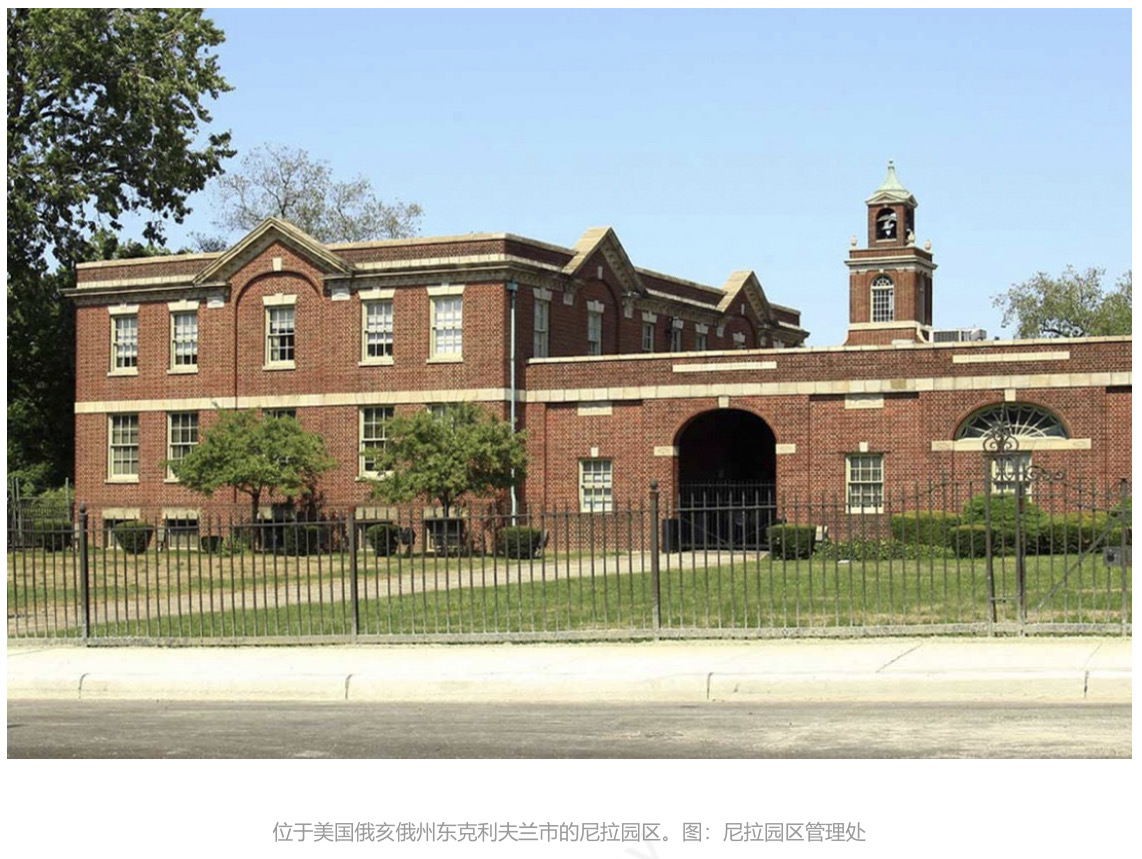
Согласно отчету Caixin, в июле 2021 года по рекомендации посредника она познакомилась с Зубайром Аль-Зубайром (Zubair Al Zubair), мужчиной, который называл себя «зятьем королевской семьи ОАЭ» и утверждал, что контролирует средства ближневосточных семей и имеет связи с местными властями США. Зубайр порекомендовал ей промышленную недвижимость в Ист-Кливленде, штат Огайо, а именно парк Нила (Nela Park), заявив, что сможет обеспечить электроэнергию по низкой цене в 0,04 доллара за киловатт-час.
11 августа 2021 года в мэрии Ист-Кливленда, штат Огайо, состоялась, казалось бы, официальная церемония подписания. В присутствии тогдашнего мэра Брэндона Кинга и других муниципальных чиновников Люй Юншуан, полная надежд, подписала контракт на разработку криптовалютной майнинговой фермы. Она перевела 3 миллиона долларов компании Зубайра «Dubai Bridge» и внесла первый платеж в размере 1 миллиона долларов со своего гонконгского счета.
Источник изображения: Caixin
Однако это было только начало тщательно спланированной аферы. На самом деле, Зубайр и его брат Музамир были коренными американцами и не имели никакого отношения к ближневосточным королевским семьям. Личность брата, называвшего себя «зятем», была полностью сфабрикована; титул младшего брата как «управляющего хедж-фондом» был «самоучкой», почерпнутой из просмотра видео на YouTube и американского сериала «Миллиарды» (Billions).
В последующем общении Зубайр установил с Люй Юншуан «близкие личные отношения». С точки зрения Люй Юншуан, эти отношения носили романтический характер. Прокуратура позже указала, что такие личные отношения являются частью мошеннической схемы Зубайра, целью которой является снижение вероятности того, что жертва будет подвергать сомнению его слова.
В итоге афера обошлась Люй Юншуан более чем в 9,4 миллиона долларов (около 60 миллионов юаней), включая платежи по контракту и 1067 майнеров, которые позже были обманным путем вывезены братом Зубайра, перепроданы в Канаду (за 6,17 миллиона долларов). А та церемония подписания в офисе мэра была не чем иным, как фиктивной гарантией, полученной Зубайром через взятку начальнику аппарата мэра Майклу Смедли.
В мае 2026 года Министерство юстиции США объявило приговор: Зубайр был приговорен к 24 годам лишения свободы, Музамир — к 23 годам, Смедли — к 8 годам. Люй Юншуан фигурировала в деле под кодовым именем «Жертва 2».
Другой судебный процесс в Китае
В то время как Люй Юншуан попала в ловушку мошенничества в США, в Китае она также столкнулась с другим судебным разбирательством — судебным процессом с дочерней компанией Shanghai Jincai Network Technology Co., Ltd., входящей в состав компании, котирующейся на фондовой бирже A-акций, ST Zhongchang (600242.SH).
Источник изображения: Shanghai Securities News
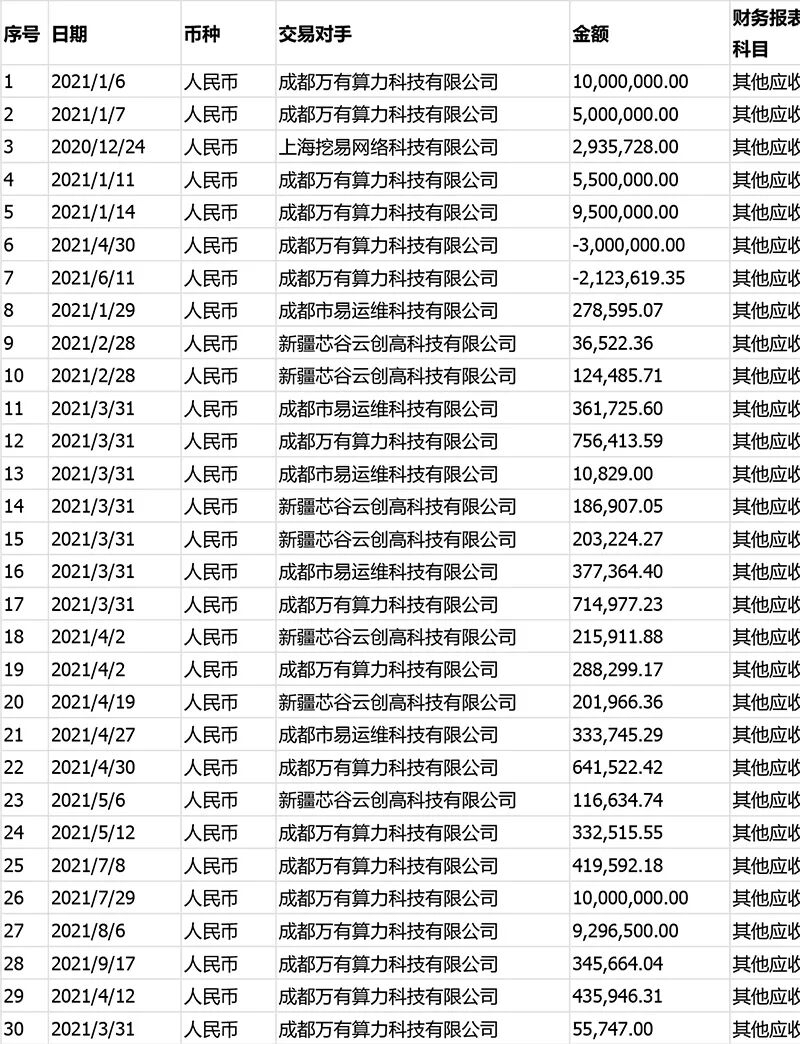
Согласно предыдущим отчетам Economic Observer и Jiemian News, спусковым крючком послужили действия тогдашнего председателя правления ST Zhongchang Ли Цюньнаня (Li Qunnán). В период с января по сентябрь 2021 года Ли Цюньнань был обвинен в том, что использовал средства компании для покупки биткойн-майнеров и оплаты связанных услуг хостинга на общую сумму 53,5472 миллиона юаней. Из них компания заплатила Chengdu Wanyou Suanli 30 миллионов юаней за покупку серверов (биткойн-майнеров). Эти закупки были раскрыты в полугодовом отчете за 2021 год как «основные средства компании, используемые в фактической деятельности», но аудит показал, что соответствующие платежи фактически не были зафиксированы как активы в бухгалтерских книгах компании.
В этом контексте новое руководство ST Zhongchang, желая возместить убытки, от имени Shanghai Jincai в апреле 2022 года подала в суд на Chengdu Wanyou Suanli, требуя расторжения подписанного 1 апреля 2021 года «Договора на услуги по вычислительным технологиям» и возврата контрактной цены в размере 19,2965 миллиона юаней.
В октябре 2022 года Суд высоких технологий промышленного развития Чэнду вынес решение первой инстанции: договор признан недействительным, поскольку связан с деятельностью по «майнингу» биткойна, и Chengdu Wanyou Suanli должна вернуть 19,2965 миллиона юаней в течение десяти дней. После обжалования компанией решение второй инстанции оставило первоначальный вердикт в силе.
Это судебное разбирательство, от возбуждения дела до окончательного решения, проходило почти одновременно с опытом обмана Люй Юншуан в США. С одной стороны, за границей она потеряла 9,4 миллиона долларов, с другой — внутри страны по решению суда ей пришлось вернуть почти 20 миллионов юаней по контракту. Под двойным ударом эта «королева майнинга», которая когда-то контролировала 9% мировой вычислительной мощности биткойна, встретила самые темные моменты своей жизни.






