Автор: Shenchao TechFlow
Вчерашние рыночные движения
Число занятых в США по данным ADP за декабрь: 41 тыс. человек, ожидалось 47 тыс.
Число занятых в США по данным ADP за декабрь составило 41 тыс. человек, при ожиданиях в 47 тыс. и предыдущем значении -32 тыс. человек.
Сенат США готовится рассмотреть законопроект о структуре крипторынка, усиливается лоббирование отрасли
Согласно сообщению Crypto in America, Комитет Сената по банковскому делу планирует 15 января провести маркировочное обсуждение законопроекта о структуре крипторынка. В настоящее время 13 прокриптовалютных сенаторов пытаются достичь двухпартийного консенсуса по таким вопросам, как этические правила для госслужащих в отношении криптовалют и доходы от стейблкоинов. Одновременно Комитет Сената по сельскому хозяйству также готовится к проведению соответствующего маркировочного обсуждения на следующей неделе. Криптоиндустрия усиливает лоббистские усилия: представители более 40 компаний проведут в четверг мероприятие на Капитолийском холме для обсуждения нерешенных вопросов с сенаторами.
Народный банк Китая увеличивает золотые резервы 14-й месяц подряд
Народный банк Китая: Золотые резервы Китая на конец декабря составили 74,15 млн унций (примерно 2306,323 тонны), увеличившись на 30 тыс. унций (примерно 0,93 тонны) по сравнению с предыдущим месяцем. Это 14-й месяц подряд увеличения золотых резервов.
Дочерняя структура WLFI подала заявку в OCC на получение национальной трастовой банковской лицензии в США
Согласно отчету The Wall Street Journal, World Liberty Financial сообщила, что ее дочерняя структура World Liberty Trust 7 января подала заявку de novo в Валютное контролирующее управление США (OCC) на получение национальной трастовой банковской лицензии США для обеспечения прямой эмиссии и кастодиального обслуживания своего стейблкоина USD1. Компания заявила, что в случае одобрения заявки этот трастовый банк постепенно начнет предлагать услуги кастодиального хранения криптоактивов и обмена стейблкоинов, в основном для институциональных клиентов.
Solana Mobile: Официальный запуск токена SKR состоится 21 января
Официальный аккаунт Solana Mobile в X объявил, что токен SKR будет официально запущен 21 января (по UTC).
Согласно предыдущим сообщениям, общее предложение токена составит 10 млрд. Распределение токенов включает: 30% на аирдроп, 25% на рост и партнерства, 10% на ликвидность, 10% в сообщественный фонд, 15% для Solana Mobile и 10% для Solana Labs. Механизм инфляции линейный: 10% в первый год, с уменьшением на 25% ежегодно, в конечном итоге стабилизируется на 2%. Токен в первую очередь предназначен для пользователей устройств Seeker и активных пользователей dApp.
edgeX объявляет о переходе от Perp DEX к EDGE Chain и запуске активности Pre TGE Season
edgeX официально объявила о переходе от децентрализованной биржи перпетуальных контрактов (Perp DEX) к EDGE Chain, в настоящее время осуществляется переход от закрытой бета-версии к публичной. В поддержку этого перехода edgeX сегодня запустила активность Pre TGE Season, которая будет вознаграждать естественное использование платформы пользователями через единицы стимулирования XP.
Согласно официальному сообщению, XP будет распределяться еженедельно до завершения TGE (события генерации токена), которое预计 запланировано на 31 марта 2026 года или ранее.
CZ: opBNB завершил хардфорк основной сети, время создания блока сократилось с 500 мс до 250 мс
Основатель Binance CZ написал в социальных сетях: «opBNB только что завершил хардфорк основной сети примерно час назад. Время создания блока сократилось с 500 миллисекунд до 250 миллисекунд.»
Публичная компания Rumble сотрудничает с Tether для запуска криптокошелька
Rumble Inc. (тикер Nasdaq: RUM) и гигант криптоиндустрии Tether 7 января 2026 года совместно объявили о запуске Rumble Wallet — некстодиального криптокошелька, напрямую интегрированного в платформу Rumble.
Согласно официальному пресс-релизу, кошелек поддерживает Tether (USDT), Tether Gold (XAUt) и Биткоин (BTC), позволяя зрителям напрямую отправлять чаевые создателям контента в криптовалюте, устраняя посредников, таких как рекламные сети, банки или платежные процессинговые компании.
MoonPay будет предоставлять пользователям Rumble Wallet услуги ввода и вывода криптовалют, поддерживая конвертацию между традиционными способами оплаты, такими как кредитные карты, Apple Pay, PayPal и Venmo, и криптовалютами.
Бывший чиновник Центробанка Бразилии запускает высокодоходный стейблкоин BRD, привязанный к реалу
Согласно отчету CoinDesk, бывший директор Центрального банка Бразилии Тони Волпон (Tony Volpon) объявил о запуске инновационного стейблкоина BRD, который привязан к бразильскому реалу и обеспечен государственными облигациями Бразилии. BRD будет предоставлять держателям долю в доходах до 15%, что значительно превышает базовую ставку ФРС в 3,5%-3,75%.
Волпон в программе CNN Brasil «Cripto na Real» заявил, что BRD aims облегчить иностранным инвесторам доступ к высокодоходной среде Бразилии, одновременно potentially поддерживая спрос на бразильские гособлигации за счет расширения базы инвесторов и снижения затрат на заимствование для правительства.
Polymarket заключает эксклюзивное партнерство с Dow Jones Media
Платформа预测ционных рынков Polymarket заключила эксклюзивное партнерство с Dow Jones Media для предоставления данных预测ционных рынков таким СМИ, как Barron's и The Wall Street Journal.
Децентрализованный протокол Babylon привлек 15 млн долларов финансирования при лидерстве a16z Crypto
Согласно report журнала Fortune, децентрализованный протокол Babylon, соучрежденный профессором Стэнфорда Дэвидом Цзе (David Tse), привлек 15 млн долларов финансирования. Раунд возглавило a16z Crypto от Andreessen Horowitz, оценка проекта не раскрывается.
Данные行情 показывают, что BABY кратковременно вырос более чем на 15%, в настоящее время торгуется на уровне $0.0209, FDV составляет approximately $200 млн.
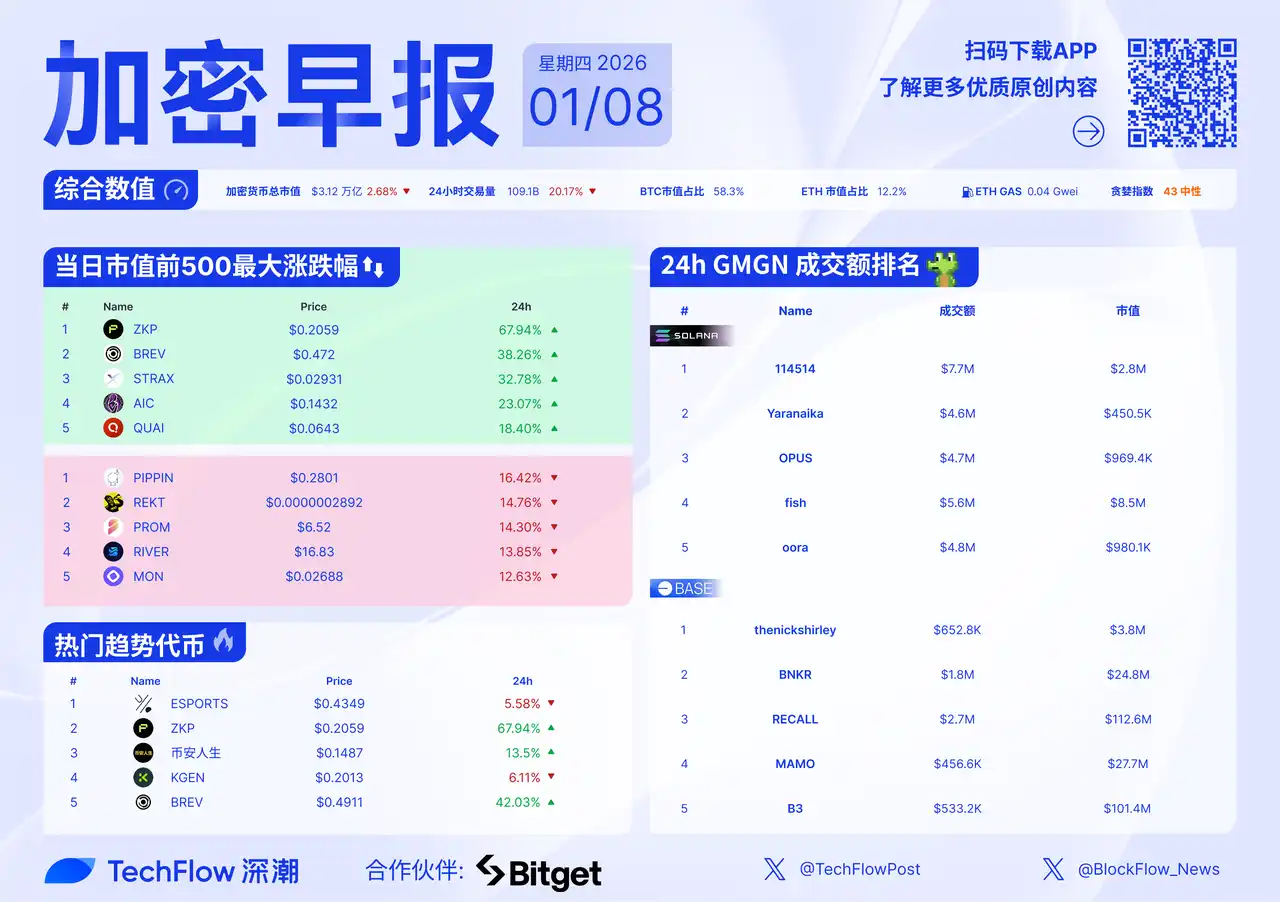
Динамика行情
Рекомендуемое чтение
Народу нужен плохой капиталист, а ИИ создал фейк о доставке еды
В этой статье рассказывается о недавнем скандале, вызванном анонимным постом-разоблачением на Reddit. В посте утверждалось, что платформы доставки еды используют алгоритмы для эксплуатации курьеров, что вызвало оживленные дискуссии среди пользователей и срочные PR-меры двух крупных компаний по доставке еды. Однако позже выяснилось, что пост-разоблачение и связанные с ним «доказательства» были сгенерированы ИИ, что揭示了 о потенциальных рисках технологии ИИ в создании ложной информации, а также отразило недоверие公众 к платформенным компаниям.
Интервью с исполнительным директором по росту BNB Chain: Почему я看好 BNB в следующем десятилетии?
В этом интервью с исполнительным директором по росту BNB Chain Ниной Ронг (Nina Rong) обсуждается экосистема BNB Chain, стратегия роста, значение хактонов, а также советы Нины для Web3-индустрии. В статье также提到 о технологических преимуществах BNB Chain, пользовательской базе, инфраструктуре и конкурентоспособности по сравнению с другими公链ями. Кроме того, Нина поделилась своим профессиональным опытом, инсайтами об индустрии и советами для новичков.
Диалог с сооснователем Blockworks: 27 прогнозов на 2026 год — возрождение Ethereum, затишье Solana, Биткоин面临量子нной угрозы
Эта статья представляет собой углубленное обсуждение 27 прогнозов для криптоиндустрии на 2026 год, охватывающих тенденции развития основных экосистем, таких как DeFi, Ethereum, Биткоин, Solana, а также будущие перспективы в таких областях, как квантовые вычисления, корпоративные блокчейны, тренды венчурных инвестиций. Автор считает, что 2026 год станет ключевым годом консолидации и развития на основе фундаментальных показателей для криптоиндустрии, подчеркивая, что создателям необходимо сосредоточиться на долгосрочном создании стоимости, и указывая на возможные вызовы и возможности будущего.
Инвестиционные перспективы OKX Ventures на 2026 год: Ончейн-активы, интеллект и конфиденциальность
В этой статье подробно обсуждаются будущие тренды криптоиндустрии в 2026 году, включая вывод активов в блокчейн, изменения субъектов, изменения правил, а также глубокую интеграцию ИИ и криптосферы. В статье также обсуждаются тренды институционального принятия криптоактивов, важность защиты конфиденциальности и направления развития активных интеллектуальных услуг DeFi и预测ционных рынков.
Партнер Dragonfly перечисляет: Три сильнейших человека в истории крипто-VC
В этой статье анализируются трое лучших венчурных инвесторов в криптопространстве: Дэн Робинсон (Dan Robinson), Крис Диксон (Chris Dixon) и Кайл Самани (Kyle Samani). Их инвестиционные достижения и уникальная инвестиционная философия позволили им занять важное место в индустрии. Также в статье提及 о состоянии и будущих трендах индустрии крипто-венчурных инвестиций, а также некоторых горячих криптоновостях.







