Криптокомпании, по сообщениям, активизируют усилия по продвижению долгожданного законопроекта о структуре рынка, предлагая потенциальные компромиссы для решения некоторых проблем банковского сектора, связанных со стейблкоинами.
Криптокомпании предлагают компромиссы по стейблкоинам
В среду Bloomberg сообщил, что несколько криптокомпаний, предположительно, пытаются "завоевать" банки, чтобы спасти законопроект о структуре крипторынка, известный как Закон CLARITY.
Законопроект о криптовалютах застрял в Сенате США на несколько недель, поскольку лидеры криптоиндустрии и банки не смогли прийти к согласию по одной из основных тем законопроекта – вознаграждениям за стейблкоины – в части законодательства, курируемой Банковским комитетом Сената.
Банковская отрасль США неоднократно выражала озабоченность по поводу политики в отношении стейблкоинов, утверждая, что выплаты процентов исказят рыночную динамику и повлияют на кредитование в стране. Генеральный директор Bank of America Брайан Мойнихан недавно заявил инвесторам, что банковский сектор, особенно малый и средний бизнес, может столкнуться с серьезными проблемами, если Конгресс не запретит стейблкоины, приносящие проценты.
По словам осведомленных источников, участники индустрии предлагают банкам новые уступки в связи с этими опасениями в рамках своих усилий по продвижению долгожданного криптозаконодательства.
Например, компании, как сообщается, предложили предоставить местным банкам более значительную роль в системе стейблкоинов, позволив им хранить резервы или выпускать токены через партнерства. Примечательно, что они предложили обязать эмитентов стейблкоинов хранить часть своих резервов в местных банках.
Источники Bloomberg отметили, что не все криптокомпании согласны с предложенными идеями, подчеркнув, что стороны не разрешили свои разногласия. Более того, остается неясным, удовлетворяют ли уступки опасениям банков. Однако, как добавилось в отчете, это "признак того, что они удваивают усилия, чтобы законопроект о структуре рынка продолжал двигаться вперед".
Спор о вознаграждениях за стейблкоины
Как сообщал Bitcoinist, банки резко критиковали знаковое законодательство о стейблкоинах, Закон GENIUS, утверждая, что в нем есть лазейки, которые могут представлять риски для финансовой системы.
Для справки: криптофреймворк запрещает выплату процентов за хранение или использование стейблкоинов для целей платежей, но касается только эмитентов стейблкоинов. В результате банковские ассоциации по всей США настояли на том, чтобы Банковский комитет Сената добавил в Закон CLARITY формулировки, которые также запрещают цифровые биржи активов, брокеров, дилеров и связанные с ними entities.
Банковский комитет Сената опубликовал свой проект в прошлом месяце, который вызвал резкую негативную реакцию со стороны лидеров криптоиндустрии за введение ключевых ограничений для эмитентов стейблкоинов.
Согласно предложенному проекту, эмитенты смогут предлагать вознаграждения за определенные действия, такие как открытие счетов и кэшбэк. Тем не менее, им будет запрещено предоставлять процентные выплаты пассивным держателям токенов. Генеральный директор Coinbase Брайан Армстронг заявил, что это "убьет вознаграждения за стейблкоины" и позволит банкам "запретить своих конкурентов".
Это привело к отсрочке заседания Банковского комитета Сената по внесению поправок, первоначально запланированного на середину января, и к延长延长延长延长延长延长延长延长延长延长延长延长延长延长延长延长延长延长延长延长延长延长延长延长延长延长延长延长延长延长延长延长延长延长延长延长延长延长延长延长延长延长延长延长延长延长延长延长延长延长延长延长延长延长延长延长延长延长延长延长延长延长延长延长延长延长延长延长延长延长延长延长延长延长延长延长延长延长延长延长延长延长延长延长延长延长延长延长延长延长延长延长延长延长延长延长延长延长延长延长延长延长延长延长延长延长延长延长延长延长延长延长延长延长延长延长延长延长延长延长延长延长延长延长延长延长延长延长延长延长延长延长延长延长延长延长延长延长延长延长延长延长延长延长延长延长延长延长延长延长延长延长延长延长延长延长延长延长延长延长延长延长延长延长延长延长延长延长延长延长延长延长延长延长延长延长延长延长延长延长延长延长延长延长延长延长延长延长延长延长延长延长延长延长延长延长延长延长延长延长延长延长延长延长延长延长延长延长延长延长延长延长延长延长延长延长延长延长延长延长延长延长延长延长延长延长延长延长延长延长延长延长延长延长延长延长延长延长延长延长延长延长延长延长延长延长延长延长延长延长延长延长延长延长延长延长延长延长延长延长延长延长延长延长延长延长延长延长延长延长延长延长延长延长延长延长延长延长延长延长延长延长延长延长延长延长延长延长延长延长延长延长延长延长延长延长延长延长延长延长延长延长延长延长延长延长延长延长延长延长延长延长延长延长延长延长延长延长延长延长延长延长延长延长延长延长延长延长延长延长延长延长延长延长延长延长延长延长延长延长延长延长延长延长延长延长延长延长延长延长延长延长延长延长延长延长延长延长延长延长延长延长延长延长延长延长延长延长延长延长延长延长延长延长延长延长延长延长延长延长延长延长延长延长延长延长延长延长延长延长延长延长延长延长延长延长延长延长延长延长延长延长延长延长延长延长延长延长延长延长延长延长延长延长延长延长延长延长延长延长延长延长延长延长延长延长延长延长延长延长延长延长延长延长延长延长延长延长延长延长延长延长延长延长延长延长延长延长延长延长延长延长延长延长延长延长延长延长延长延长延长延长延长延长延长延长延长延长延长延长延长延长延长延长延长延长延长延长延长延长延长延长延长延长延长延长延长延长延长延长延长延长延长延长延长延长延长延长延长延长延长延长延长延长延长延长延长延长延长延长延长延长延长延长延长延长延长延长延长延长延长延长延长延长延长延长延长延长延长延长延长延长延长延长延长延长延长延长延长延长延长延长延长延长延长延长延长延长延长延长延长延长延长延长延长延长延长延长延长延长延长延长延长延长延长延长延长延长延长延长延长延长延长延长延长延长延长延长延长延长延长延长延长延长延长延长延长延长延长延长延长延长延长延长延长延长延长延长延长延长延长延长延长延长延长延长延长延长延长延长延长延长延长延长延长延长延长延长延长延长延长延长延长延长延长延长延长延长延长延长延长延长延长延长延长延长延长延长延长延长延长延长延长延长延长延长延长延长延长延长延长延长延长延长延长延长延长延长延长延长延长延长延长延长延长延长延长延长延长延长延长延长延长延长延长延长延长延长延长延长延长延长延长延长延长延长延长延长延长延长延长延长延长延长延长延长延长延长延长延长延长延长延长延长延长延长延长延长延长延长延长延长延长延长延长延长延长延长延长延长延长延长延长延长延长延长延长延长延长延长延长延长延长延长延长延长延长延长延长延长延长延长延长延长延长延长延长延长延长延长延长延长延长延长延长延长延长延长延长延长延长延长延长延长延长延长延长延长延长延长延长延长延长延长延长延长延长延长延长延长延长延长延长延长延长延长延长延长延长延长延长延长延长延长延长延长延长延长延长延长延长延长延长延长延长延长延长延长延长延长延长延长延长延长延长延长延长延长延长延长延长延长延长延长延长延长延长延长延长延长延长延长延长延长延长延长延长延长延长延长延长延长延长延长延长延长延长延长延长延长延长延长延长延长延长延长延长延长延长延长延长延长延长延长延长延长延长延长延长延长延长延长延长延长延长延长延长延长延长延长延长延长延长延长延长延长延长延长延长延长延长延长延长延长延长延长延长延长延长延长延长延长延长延长延长延长延长延长延长延长延长延长延长延长延长延长延长延长延长延长延长延长延长延长延长延长延长延长延长延长延长延长延长延长延长延长延长延长延长延长延长延长延长延长延长延长延长延长延长延长延长延长延长延长延长延长延长延长延长延长延长延长延长延长延长延长延长延长延长延长延长延长延长延长延长延长延长延长延长延长延长延长延长延长延长延长延长延长延长延长延长延长延长延长延长延长延长延长延长延长延长延长延长延长延长延长延长延长延长延长延长延长延长延长延长延长延长延长延长延长延长延长延长延长延长延长延长延长延长延长延长延长延长延长延长延长延长延长延长延长延长延长延长延长延长延长延长延长延长延长延长延长延长延长延长延长延长延长延长延长延长延长延长延长延长延长延长延长延长延长延长延长延长延长延长延长延长延长延长延长延长延长延长延长延长延长延长延长延长延长延长延长延长延长延长延长延长延长延长延长延长延长延长延长延长延长延长延长延长延长延长延长延长延长延长延长延长延长延长延长延长延长延长延长延长延长延长延长延长延长延长延长延长延长延长延长延长延长延长延长延长延长延长延长延长延长延长延长延长延长延长延长延长延长延长延长延长延长延长延长延长延长延长延长延长延长延长延长延长延长延长延长延长延长延长延长延长延长延长延长延长延长延长延长延长延长延长延长延长延长延长延长延长延长延长延长延长延长延长延长延长延长延长延长延长延长延长延长延长延长延长延长延长延长延长延长延长延长延长延长延长延长延长延长延长延长延长延长延长延长延长延长延长延长延长延长延长延长延长延长延长延长延长延长延长延长延长延长延长延长延长延长延长延长延长延长延长延长延长延长延长延长延长延长延长延长延长延长延长延长延长延长延长延长延长延长延长延长延长延长延长延长延长延长延长延长延长延长延长延长延长延长延长延长延长延长延长延长延长延长延长延长延长延长延长延长延长延长延长延长延长延长延长延长延长延长延长延长延长延长延长延长延长延长延长延长延长延长延长延长延长延长延长延长延长延长延长延长延长延长延长延长延长延长延长延长延长延长延长延长延长延长延长延长延长延长延长延长延长延长延长延长延长延长延长延长延长延长延长延长延长延长延长延长延长延长延长延长延长延长延长延长延长延长延长延长延长延长延长延长延长延长延长延长延长延长延长延长延长延长延长延长延长延长延长延长延长延长延长延长延长延长延长延长延长延长延长延长延长延长延长延长延长延长延长延长延长延长延长延长延长延长延长延长延长延长延长延长延长延长延长延长延长延长延长延长延长延长延长延长延长延长延长延长延长延长延长延长延长延长延长延长延长延长延长延长延长延长延长延长延长延长延长延长延长延长延长延长延长延长延长延长延长延长延长延长延长延长延长延长延长延长延长延长延长延长延长延长延长延长延长延长延长延长延长延长延长延长延长延长延长延长延长延长延长延长延长延长延长延长延长延长延长延长延长延长延长延长延长延长延长延长延长延长延长延长延长延长延长延长延长延长延长延长延长延长延长延长延长延长延长延长延长延长延长延长延长延长延长延长延长延长延长延长延长延长延长延长延长延长延长延长延长延长延长延长延长延长延长延长延长延长延长延长延长延长延长延长延长延长延长延长延长延长延长延长延长延长延长延长延长延长延长延长延长延长延长延长延长延长延长延长延长延长延长延长延长延长延长延长延长延长延长延长延长延长延长延长延长延长延长延长延长延长延长延长延长延长延长延长延长延长延长延长延长延长延长延长延长延长延长延长延长延长延长延长延长延长延长延长延长延长延长延长延长延长延长延长延长延长延长延长延长延长延长延长延长延长延长延长延长延长延长延长延长延长延长延长延长延长延长延长延长延长延长延长延长延长延长延长延长延长延长延长延长延长延长延长延长延长延长延长延长延长延长延长延长延长延长延长延长延长延长延长延长延长延长延长延长延长延长延长延长延长延长延长延长延长延长延长延长延长延长延长延长延长延长延长延长延长延长延长延长延长延长延长延长延长延长延长延长延长延长延长延长延长延长延长延长延长延长延长延长延长延长延长延长延长延长延长延长延长延长延长延长延长延长延长延长延长延长延长延长延长延长延长延长延长延长延长延长延长延长延长延长延长延长延长延长延长延长延长延长延长延长延长延长极长的谈判ционный процесс между законодателями и лидерами двух отраслей.
Ранее на этой неделе администрация Трампа курировала встречу в Белом доме с крипто- и банковскими группами, включая PayPal, Ripple, Coinbase, Multicoin, Circle, Американскую банковскую ассоциацию и Институт банковской политики, чтобы смягчить регуляторные дебаты.
Переговоры, по сообщениям, завершились без соглашения о том, как урегулировать спор, но привели к "конструктивному обсуждению рисков и возможностей доходности и вознаграждений стейблкоинов".
Председатель Банковского комитета Сената сенатор Тим Скотт недавно заявил, что он все еще надеется, что стороны смогут достичь баланса. "Мы можем защитить потребителей и местные банки, одновременно позволяя инновациям и конкуренции снижать цены и расширять доступ", – заявил он. "Обе стороны работают над компромиссом, который сохранит инновации здесь, в Америке".
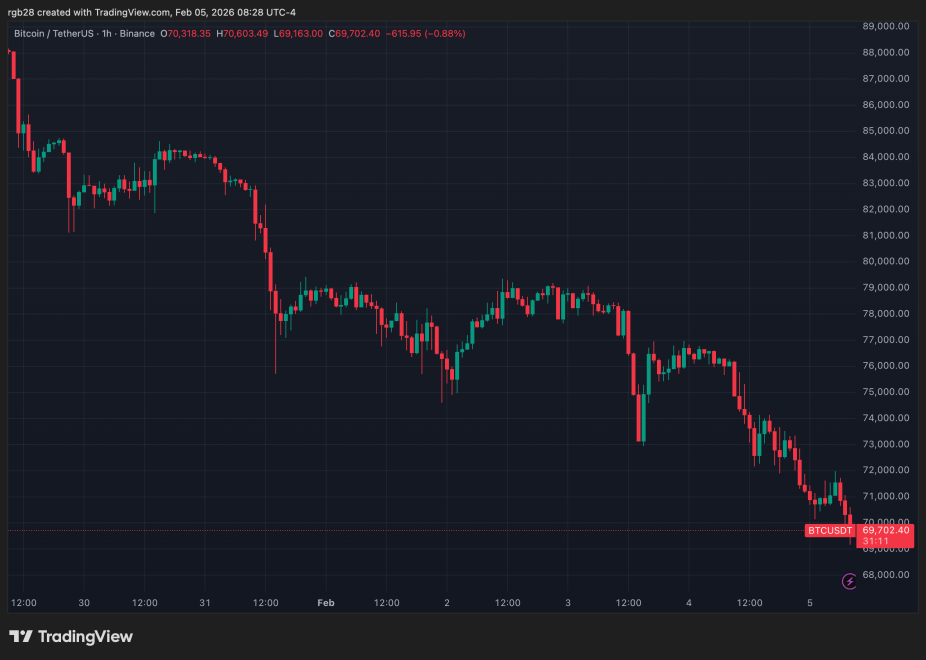
Биткоин (BTC) торгуется на уровне $69,702 по недельному графику. Источник: BTCUSDT на TradingView







