Can Iran 'Control' the Strait of Hormuz?

marsbitОпубликовано 2026-04-27Обновлено 2026-04-27

Введение

Iran has announced a comprehensive plan to assert control over the strategic Strait of Hormuz, a critical global oil shipping chokepoint. The proposed measures include requiring all vessels to obtain Iranian permission for passage, imposing fees for security, environmental protection, and navigation management—preferably paid in Iranian rials—and absolutely banning Israeli ships. Vessels from countries deemed hostile by Iran’s top security bodies may also be barred. Analysts suggest Iran’s motives are multifaceted: increasing pressure on the U.S. and Israel by leveraging control over oil transit to influence global prices and inflation; creating a new revenue stream, potentially exceeding $7.7 billion annually, to counter Western sanctions and support postwar reconstruction; and using transit permissions as bargaining chips in future negotiations, notably with the U.S. However, the plan faces significant practical and diplomatic challenges. Enforcing comprehensive interception and fee collection in the busy waterway, patrolled by international military forces, would be difficult. The U.S. has already countering with a blockade of Iranian ports and threats to intercept any ship paying fees, potentially strangling Iran’s oil exports and fee revenue. Broad international opposition, led by European and Gulf states, and legal controversies further complicate implementation. The proposal may ultimately serve more as a negotiating tactic than a feasible policy, with its execution ...

According to Iran's Mehr News Agency on the 25th, citing an Iranian lawmaker, Iran has formulated a comprehensive plan for managing the Strait of Hormuz. Analysts point out that Iran's move has multiple purposes, including increasing pressure on the United States and Israel and securing new stable sources of revenue. However, the proposal to charge fees for passing vessels has sparked international opposition. The United States is pressuring Iran by blockading its ports and ships, and whether Iran's plan to control the strait can be implemented remains uncertain.

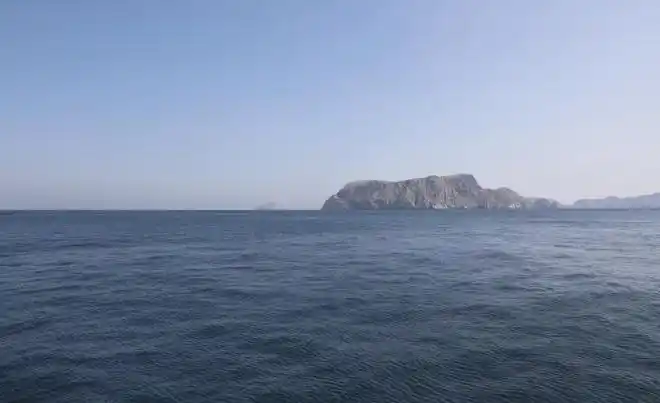
This is a file photo of the Strait of Hormuz taken on February 19, 2025. Photo by Wang Qiang, Xinhua News Agency.

What Are the Objectives?

According to Mehr News Agency, the news was revealed by Iranian Islamic Parliament member Behnam Saidi. Iranian media previously reported that the Iranian parliament reviewed several proposals regarding the governance of the Strait of Hormuz on the 5th and decided to establish a special committee to formulate a comprehensive plan and legal safeguards for exercising jurisdiction over the strait.

According to Saidi, the comprehensive plan includes:

Sovereignty over the Strait of Hormuz will be entirely in Iran's hands;

Ships and vessels navigating the area must obtain permission from Iran;

Vessels passing through the area must pay relevant fees for safety, environmental protection, shipping management, and permit issuance, with priority given to payment in rials;

Vessels from countries designated as hostile by Iran's Supreme National Security Council or the General Staff of the Armed Forces are prohibited from passing through the Strait of Hormuz, with Israeli vessels absolutely banned;

For countries that have caused losses to Iran, relevant countries must first reach an agreement with Iran on compensation methods before their vessels can be granted passage permits.

Analysts believe the plan reveals multiple objectives for Iran.

First, to continue pressuring the U.S. and Israel. By controlling the Strait of Hormuz, a global shipping chokepoint, Iran aims to influence international oil prices, exacerbating inflationary pressures and economic burdens on the U.S. and Israel while prompting the international community to call for de-escalation and open shipping lanes, thereby putting economic and diplomatic pressure on both countries. The ban on vessels from "hostile countries" directly targets the U.S. and Israel. Additionally, linking strait passage to war compensation claims aims to force the U.S. to make concessions on compensation.

Second, to leave room for U.S.-Iran negotiations. Although Iran has maintained a tough stance toward the U.S., it has not completely closed the door to talks. Iran recently sent Foreign Minister Araghchi to Pakistan, claiming no negotiations with the U.S., but also conveying messages to the U.S. through Pakistan and hinting that Araghchi might return to Islamabad soon. In introducing the comprehensive plan, Saidi listed Israel as "absolutely prohibited" but did not name the U.S., possibly暗示暗示暗示暗示暗示暗示暗示暗示暗示暗示暗示暗示暗示暗示暗示暗示暗示暗示暗示暗示暗示暗示暗示暗示暗示暗示暗示暗示暗示暗示暗示暗示暗示暗示暗示暗示暗示暗示暗示暗示暗示暗示暗示暗示暗示暗示暗示暗示暗示暗示暗示暗示暗示暗示暗示暗示暗示暗示暗示暗示暗示暗示暗示暗示暗示暗示暗示暗示暗示暗示暗示暗示暗示暗示暗示暗示暗示暗示暗示暗示暗示暗示暗示暗示暗示暗示暗示暗示暗示暗示暗示暗示暗示暗示暗示暗示暗示暗示暗示暗示暗示暗示暗示暗示暗示暗示暗示暗示暗示暗示暗示暗示暗示暗示暗示暗示暗示暗示暗示暗示暗示暗示暗示暗示暗示暗示暗示暗示暗示暗示暗示暗示暗示暗示暗示暗示暗示暗示暗示暗示暗示暗示暗示暗示暗示暗示暗示暗示暗示暗示暗示暗示暗示暗示暗示暗示暗示暗示暗示暗示暗示暗示暗示暗示暗示暗示暗示暗示暗示暗示暗示暗示暗示暗示暗示暗示暗示暗示暗示暗示暗示暗示暗示暗示暗示暗示暗示暗示暗示暗示暗示暗示暗示暗示暗示暗示暗示暗示暗示暗示暗示暗示暗示暗示暗示暗示暗示暗示暗示暗示暗示暗示暗示暗示暗示暗示暗示暗示暗示暗示暗示暗示暗示暗示暗示暗示暗示暗示暗示暗示暗示暗示暗示暗示暗示暗示暗示暗示暗示暗示暗示暗示暗示暗示暗示暗示暗示暗示暗示暗示暗示暗示暗示暗示暗示暗示暗示暗示暗示暗示暗示暗示暗示暗示暗示暗示暗示暗示暗示暗示暗示暗示暗示暗示暗示暗示暗示暗示暗示暗示暗示暗示暗示暗示暗示暗示暗示暗示暗示暗示暗示暗示暗示暗示暗示暗示暗示暗示暗示暗示暗示暗示暗示暗示暗示暗示暗示暗示暗示暗示暗示暗示暗示暗示暗示暗示暗示暗示暗示暗示暗示暗示暗示暗示暗示暗示暗示暗示暗示暗示暗示暗示暗示暗示暗示暗示暗示暗示暗示暗示暗示暗示暗示暗示暗示暗示暗示暗示暗示暗示暗示暗示暗示暗示暗示暗示暗示暗示暗示暗示暗示暗示暗示暗示暗示暗示暗示暗示暗示暗示暗示暗示暗示暗示暗示暗示暗示暗示暗示暗示暗示暗示暗示暗示暗示暗示暗示暗示暗示暗示暗示暗示暗示暗示暗示暗示暗示暗示暗示暗示暗示暗示暗示暗示暗示暗示暗示暗示暗示暗示暗示暗示暗示暗示暗示暗示暗示暗示暗示暗示暗示暗示暗示暗示暗示暗示暗示暗示暗示暗示暗示暗示暗示暗示暗示暗示暗示暗示暗示暗示暗示暗示暗示暗示暗示暗示暗示暗示暗示暗示暗示暗示暗示暗示暗示暗示暗示暗示暗示暗示暗示暗示暗示暗示暗示暗示暗示暗示暗示暗示暗示暗示暗示暗示暗示暗示暗示暗示暗示暗示暗示暗示暗示暗示暗示暗示暗示暗示暗示暗示暗示暗示暗示暗示暗示暗示暗示暗示暗示暗示暗示暗示暗示暗示暗示暗示暗示暗示暗示暗示暗示暗示暗示暗示暗示暗示暗示暗示暗示暗示暗示暗示暗示暗示暗示暗示暗示暗示暗示暗示暗示暗示暗示暗示暗示暗示暗示暗示暗示暗示暗示暗示暗示暗示暗示暗示暗示暗示暗示暗示暗示暗示暗示暗示暗示暗示暗示暗示暗示暗示暗示暗示暗示暗示暗示暗示暗示暗示暗示暗示暗示暗示暗示暗示暗示暗示暗示暗示暗示暗示暗示暗示暗示暗示暗示暗示暗示暗示暗示暗示暗示暗示暗示暗示暗示暗示暗示暗示暗示暗示暗示暗示暗示暗示暗示暗示暗示暗示暗示暗示暗示暗示暗示暗示暗示暗示暗示暗示暗示暗示暗示暗示暗示暗示暗示暗示暗示暗示暗示暗示暗示暗示暗示暗示暗示暗示暗示暗示暗示暗示暗示暗示暗示暗示暗示暗示暗示暗示暗示暗示暗示暗示暗示暗示暗示暗示暗示暗示暗示暗示暗示暗示暗示暗示暗示暗示暗示暗示暗示暗示暗示暗示暗示暗示暗示暗示暗示暗示暗示暗示暗示暗示暗示暗示暗示暗示暗示暗示暗示暗示暗示暗示暗示暗示暗示暗示暗示暗示暗示暗示暗示暗示暗示暗示暗示暗示暗示暗示暗示暗示暗示暗示暗示暗示暗示暗示暗示暗示暗示暗示暗示暗示暗示暗示暗示暗示暗示暗示暗示暗示暗示暗示暗示暗示暗示暗示暗示暗示暗示暗示暗示暗示暗示暗示暗示暗示暗示暗示暗示暗示暗示暗示暗示暗示暗示暗示暗示暗示暗示暗示暗示暗示暗示暗示暗示暗示暗示暗示暗示暗示暗示暗示暗示暗示暗示暗示暗示暗示暗示暗示暗示暗示暗示暗示暗示暗示暗示暗示暗示暗示暗示暗示暗示暗示暗示暗示暗示暗示暗示暗示暗示暗示暗示暗示暗示暗示暗示暗示暗示暗示暗示暗示暗示暗示暗示暗示暗示暗示暗示暗示暗示暗示暗示暗示暗示暗示暗示暗示暗示暗示暗示暗示暗示暗示暗示暗示暗示暗示暗示暗示暗示暗示暗示暗示暗示暗示暗示暗示暗示暗示暗示暗示暗示暗示暗示暗示暗示暗示暗示暗示暗示暗示暗示暗示暗示暗示暗示暗示暗示暗示暗示暗示暗示暗示暗示暗示暗示暗示暗示暗示暗示暗示暗示暗示暗示暗示暗示暗示暗示暗示暗示暗示暗示暗示暗示暗示暗示暗示暗示暗示暗示暗示暗示暗示暗示暗示暗示暗示暗示暗示暗示暗示暗示暗示暗示暗示暗示暗示暗示暗示暗示暗示暗示暗示暗示暗示暗示暗示暗示暗示暗示暗示暗示暗示暗示暗示暗示暗示暗示暗示暗示暗示暗示暗示暗示暗示暗示暗示暗示暗示暗示暗示暗示暗示暗示暗示暗示暗示暗示暗示暗示暗示暗示暗示暗示暗示暗示暗示暗示暗示暗示暗示暗示暗示暗示暗示暗示暗示暗示暗示暗示暗示暗示暗示暗示暗示暗示暗示暗示暗示暗示暗示暗示暗示暗示暗示暗示暗示暗示暗示暗示暗示暗示暗示暗示暗示暗示暗示暗示暗示暗示暗示暗示暗示暗示暗示暗示暗示暗示暗示暗示暗示暗示暗示暗示暗示暗示暗示暗示暗示暗示暗示暗示暗示暗示暗示暗示暗示暗示暗示暗示暗示暗示暗示暗示暗示暗示暗示暗示暗示暗示暗示暗示暗示暗示暗示暗示暗示暗示暗示暗示暗示暗示暗示暗示暗示暗示暗示暗示暗示暗示暗示暗示暗示暗示暗示暗示暗示暗示暗示暗示暗示暗示暗示暗示暗示暗示暗示暗示暗示暗示暗示暗示暗示暗示暗示暗示暗示暗示暗示暗示暗示暗示暗示暗示暗示暗示暗示暗示暗示暗示暗示暗示暗示暗示暗示暗示暗示暗示暗示暗示暗示暗示暗示暗示暗示暗示暗示暗示暗示暗示暗示暗示暗示暗示暗示暗示暗示暗示暗示暗示暗示暗示暗示暗示暗示暗示暗示暗示暗示暗示暗示暗示暗示暗示暗示暗示暗示暗示暗示暗示暗示暗示暗示暗示暗示暗示暗示暗示暗示暗示暗示暗示暗示暗示暗示暗示暗示暗示暗示暗示暗示暗示暗示暗示暗示暗示暗示暗示暗示暗示暗示暗示暗示暗示暗示暗示暗示暗示暗示暗示暗示暗示暗示暗示暗示暗示暗示暗示暗示暗示暗示暗示暗示暗示暗示暗示暗示暗示暗示暗示暗示暗示暗示暗示暗示暗示暗示暗示暗示暗示暗示暗示暗示暗示暗示暗示暗示暗示暗示暗示暗示暗示暗示暗示暗示暗示暗示暗示暗示暗示暗示暗示暗示暗示暗示暗示暗示暗示暗示暗示暗示暗示暗示暗示暗示暗示暗示暗示暗示暗示暗示暗示暗示暗示暗示暗示暗示暗示暗示暗示暗示暗示暗示暗示暗示暗示暗示暗示暗示暗示暗示暗示暗示暗示暗示暗示暗示暗示暗示暗示暗示暗示暗示暗示暗示暗示暗示暗示暗示暗示暗示暗示暗示暗示暗示暗示暗示暗示暗示暗示暗示暗示暗示暗示暗示暗示暗示暗示暗示暗示暗示暗示暗示暗示暗示暗示暗示暗示暗示暗示暗示暗示暗示暗示暗示暗示暗示暗示暗示暗示暗示暗示暗示暗示暗示暗示暗示暗示暗示暗示暗示暗示暗示暗示暗示暗示暗示暗示暗示暗示暗示暗示暗示暗示暗示暗示暗示暗示暗示暗示暗示暗示暗示暗示暗示暗示暗示暗示暗示暗示暗示暗示暗示暗示暗示暗示暗示暗示暗示暗示暗示暗示暗示暗示暗示暗示暗示暗示暗示暗示暗示暗示暗示暗示暗示暗示暗示暗示暗示暗示暗示暗示暗示暗示暗示暗示暗示暗示暗示暗示暗示暗示暗示暗示暗示暗示暗示暗示暗示暗示暗示暗示暗示暗示暗示暗示暗示暗示暗示暗示暗示暗示暗示暗示暗示暗示暗示暗示暗示暗示暗示暗示暗示暗示暗示暗示暗示暗示暗示暗示暗示暗示暗示暗示暗示暗示暗示暗示暗示暗示暗示暗示暗示暗示暗示暗示暗示暗示暗示暗示暗示暗示暗示暗示暗示暗示暗示暗示暗示暗示暗示暗示暗示暗示暗示暗示暗示暗示暗示暗示暗示暗示暗示暗示暗示暗示暗示暗示暗示暗示暗示暗示暗示暗示暗示暗示暗示暗示暗示暗示暗示暗示暗示暗示暗示暗示暗示暗示暗示极好的谈判筹码。

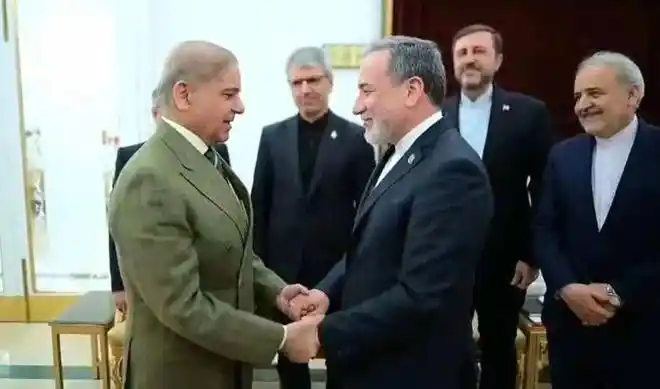
On April 25, 2026, Pakistani Prime Minister Shehbaz Sharif (left) held talks with Iranian Foreign Minister Araghchi in Islamabad, the capital of Pakistan. Photo provided by the Pakistani Prime Minister's Office.

Third, to provide Iran with a new source of income. Statistics show that if Iran charges $1 per barrel of oil passing through the Strait of Hormuz, based on pre-conflict traffic volumes, Iran would earn over $7.7 billion annually. International舆论 believes this could become an important funding source for Iran to resist U.S.-Western blockade and conduct post-war reconstruction. Requiring priority payment in rials is to avoid restrictions on toll revenue by the U.S. dollar system.

Can It Be Implemented?

Regarding follow-up procedures, Saidi said the plan has been submitted to the National Security Committee of the Iranian Islamic Parliament. Once the plenary session resumes, it will be submitted to the presidium and reviewed at the plenary session. The plan may also be approved and issued by the Supreme National Security Council.

In this regard, Abdul Aziz Shabani, a researcher at the Riyadh Center for Political and Strategic Studies, analyzed that approval by the plenary session would赋予 the plan formal legal attributes, but the process is complex and more likely to provoke international opposition. Approval and issuance by the Supreme National Security Council is a more flexible and faster path, also便于 adjustments based on developments.

However, Shabani believes that from a practical perspective, implementing comprehensive interception and charging for all vessels passing through the strait, given the high traffic volume and the presence of other countries' military forces, will be very difficult. Future implementation of the plan is more likely to be limited and selective.

At the same time, Iran's move is controversial under international law and has sparked considerable opposition. Iran's imposition of tolls on this critical maritime passage will inevitably increase transit time and costs for vessels, affecting the economies of many countries broadly. Many countries globally, including Gulf states, have expressed hope that the Strait of Hormuz remains畅通. The UK and France have previously led efforts to form a coalition attempting multinational actions to keep the strait open. If Iran强行 imposes fees, it may face international pressure and diplomatic被动.

Additionally, the United States is countering by blockading Iranian ports and vessels. The U.S. has clearly stated it will never allow Iran to permanently control the strait or establish a toll system. If the blockade continues, causing Iran's oil storage facilities to reach capacity, Iran may be forced to halt production, which could cause significant damage to its oil extraction infrastructure. The U.S. has also threatened to intercept and inspect all vessels paying tolls to Iran in international waters. This could result in no vessels passing through the strait and Iran receiving no toll revenue.

Of course, the U.S. blockade of Iran comes at a great cost, and the longer it lasts, the more it could affect the Republican Party's midterm election prospects. The U.S. may not be able to sustain it for very long. Iran might also use the toll proposal merely as a bargaining chip in negotiations with the U.S. to exchange for interests,未必 strongly pushing for implementation. Therefore, whether this plan will be implemented and to what extent remains uncertain.

Связанные с этим вопросы

QWhat are the main purposes behind Iran's proposed comprehensive plan to manage the Strait of Hormuz?

AIran's plan aims to increase pressure on the United States and Israel, secure a new stable source of income through transit fees, and leave room for potential negotiations with the U.S., particularly by using passage rights as a bargaining chip.

QWhat specific measures does Iran's proposed plan include for the Strait of Hormuz?

AThe plan includes asserting full Iranian sovereignty over the strait, requiring vessels to obtain Iranian permission for passage, imposing fees for safety and environmental management, absolutely banning Israeli ships, and conditioning passage for countries that have caused losses to Iran on prior compensation agreements.

QWhat challenges does Iran face in implementing its plan to control the Strait of Hormuz?

AImplementation faces practical difficulties due to high traffic and foreign military presence, international opposition and legal controversies, countermeasures from the U.S. including blockades and threats to intercept paying vessels, and potential diplomatic isolation.

QHow might the international community, particularly the U.S., respond to Iran's attempt to charge fees in the Strait of Hormuz?

AThe U.S. has explicitly opposed the plan, implementing blockades against Iranian ports and threatening to intercept any vessels that pay fees to Iran. Other countries, including Gulf states and European nations like the UK and France, have also opposed the move and are working to keep the strait open.

QWhat potential economic benefits does Iran hope to gain from charging transit fees in the Strait of Hormuz?

AIran estimates that charging $1 per barrel of oil transported through the strait could generate over $7.7 billion annually, providing a significant source of income to resist Western sanctions and fund post-war reconstruction, while preferring payment in rials to avoid dollar system restrictions.

Похожее

STRC Breaks Below $95: Why Does It Continue to Depeg? Is There Default Risk?

"STRC Falls Below $95: Why the Persistent Depegging and Is There Default Risk?" The article discusses the recent decline in the price of STRC, a perpetual preferred stock issued by Strategy (MSTR) designed to trade around a $100 par value. As of publication, STRC traded at $94.65, raising market concerns. STRC is described as a high-yield cash flow product, offering an 11.50% annual dividend paid monthly. Its "preferred" status grants it priority over common stock for dividends and in liquidation. Key reasons cited for the price depegging include: 1. **Bitcoin's Price Drop:** MSTR's assets are heavily tied to Bitcoin (BTC), which fell over 21% from its recent high, pressuring all Strategy-related products. 2. **Competitive Pressure:** Rival Strive Asset Management's similar product, SATA, offers daily dividends and has maintained its $100 par value with a ~13% yield. In response, Strategy has proposed changing STRC's dividend frequency from monthly to bi-weekly, pending shareholder vote. 3. **Technical Selling:** A break below $100 may have triggered algorithmic selling and stop-losses, exacerbating the decline. Regarding default risk, the analysis suggests it is currently low. Strategy founder Michael Saylor confirmed the June 2026 dividend rate remains at 11.50% with no cuts or suspensions. The company's massive reserve of 843,706 BTC provides a significant backstop for its obligations. Industry opinions are mixed. Some analysts view the BTC holdings as reliable support for dividends, while critics like Peter Schiff warn of potential dividend cuts leading to price crashes and lawsuits. Others highlight inflation risk and the company's ability to reduce dividends without a formal default. In summary, STRC's drop is attributed to BTC volatility, competition, and technical factors. While immediate default risk appears contained, the product faces challenges from market conditions and competitive dynamics.

marsbit1 ч. назад

STRC Breaks Below $95: Why Does It Continue to Depeg? Is There Default Risk?

marsbit1 ч. назад

AI Trading Cools, South Korean Stocks Plunge 1.8%, Spot Gold Rises 1%, Bitcoin Dives

A sell-off in AI-related stocks, triggered by Broadcom's disappointing earnings forecast, sent shockwaves through global markets. South Korea's KOSPI led Asia's decline, plunging 1.8% as the risks from concentrated chip stock gains and surging leveraged investments came to the fore. The tech-heavy Nasdaq 100 futures fell 0.5% following Broadcom's 14% after-hours plunge, which signaled a slower-than-expected transition to AI clients. This pullback extended Wall Street's weakness, halting the S&P 500's nine-day rally amid hawkish Fed signals and renewed Middle East tensions. South Korean authorities convened an emergency meeting, pledging "immediate measures" against market volatility and warning of record-high stock margin debt. The adjustment rippled across assets: Bitcoin fell to around $64,000, its lowest since February, while safe-haven gold rose 1% on bargain hunting. Oil prices dipped on Middle East ceasefire news. Market analysts noted the sell-off was driven by profit-taking after massive gains, particularly in chip stocks like Samsung and SK Hynix, which now dominate the KOSPI. Wall Street banks are divided on Korea's outlook, with Goldman Sachs raising its target while Citigroup and others warn of overvaluation and a potential bubble. Bridgewater's Ray Dalio noted that great technological shifts often create bubbles. Meanwhile, Fed officials' hints at potential future rate hikes added to the cautious mood ahead of key U.S. jobs data.

华尔街日报2 ч. назад

AI Trading Cools, South Korean Stocks Plunge 1.8%, Spot Gold Rises 1%, Bitcoin Dives

华尔街日报2 ч. назад

Торговля

Спот
Фьючерсы

Популярные статьи

Как купить S

Добро пожаловать на HTX.com! Мы сделали приобретение Sonic (S) простым и удобным. Следуйте нашему пошаговому руководству и отправляйтесь в свое крипто-путешествие.Шаг 1: Создайте аккаунт на HTXИспользуйте свой адрес электронной почты или номер телефона, чтобы зарегистрироваться и бесплатно создать аккаунт на HTX. Пройдите удобную регистрацию и откройте для себя весь функционал.Создать аккаунтШаг 2: Перейдите в Купить криптовалюту и выберите свой способ оплатыКредитная/Дебетовая Карта: Используйте свою карту Visa или Mastercard для мгновенной покупки Sonic (S).Баланс: Используйте средства с баланса вашего аккаунта HTX для простой торговли.Третьи Лица: Мы добавили популярные способы оплаты, такие как Google Pay и Apple Pay, для повышения удобства.P2P: Торгуйте напрямую с другими пользователями на HTX.Внебиржевая Торговля (OTC): Мы предлагаем индивидуальные услуги и конкурентоспособные обменные курсы для трейдеров.Шаг 3: Хранение Sonic (S)После приобретения вами Sonic (S) храните их в своем аккаунте на HTX. В качестве альтернативы вы можете отправить их куда-либо с помощью перевода в блокчейне или использовать для торговли с другими криптовалютами.Шаг 4: Торговля Sonic (S)С легкостью торгуйте Sonic (S) на спотовом рынке HTX. Просто зайдите в свой аккаунт, выберите торговую пару, совершайте сделки и следите за ними в режиме реального времени. Мы предлагаем удобный интерфейс как для начинающих, так и для опытных трейдеров.

1.4k просмотров всегоОпубликовано 2025.01.15Обновлено 2026.06.02

Как купить S

Sonic: Обновления под руководством Андре Кронье – новая звезда Layer-1 на фоне спада рынка

Он решает проблемы масштабируемости, совместимости между блокчейнами и стимулов для разработчиков с помощью технологических инноваций.

2.3k просмотров всегоОпубликовано 2025.04.09Обновлено 2025.04.09

Sonic: Обновления под руководством Андре Кронье – новая звезда Layer-1 на фоне спада рынка

HTX Learn: Пройдите обучение по "Sonic" и разделите 1000 USDT

HTX Learn — ваш проводник в мир перспективных проектов, и мы запускаем специальное мероприятие "Учитесь и Зарабатывайте", посвящённое этим проектам. Наше новое направление .

1.8k просмотров всегоОпубликовано 2025.04.10Обновлено 2025.04.10

HTX Learn: Пройдите обучение по "Sonic" и разделите 1000 USDT

Обсуждения

Добро пожаловать в Сообщество HTX. Здесь вы сможете быть в курсе последних новостей о развитии платформы и получить доступ к профессиональной аналитической информации о рынке. Мнения пользователей о цене на S (S) представлены ниже.

活动图片