Автор: Vaidik Mandloi
Перевод: Block unicorn
Предисловие
Сегодня большинство людей покупают биткоины и вообще не используют их.
Они держат биткоины, называют их цифровым золотом и с гордостью заявляют, что они «ориентированы на долгосрочные инвестиции». В этом нет ничего плохого, ведь биткоин действительно заслужил такую репутацию.
Но такие огромные объемы хранения создали один из крупнейших пулов бездействующего капитала в современной криптоэкосистеме. Около 61% биткоинов не перемещались более года, а почти 14% не перемещались более десяти лет. Несмотря на то, что рыночная капитализация биткоина превышает 2 триллиона долларов, в настоящее время только 0,8% биткоинов участвуют в какой-либо форме децентрализованных финансов (DeFi).
Другими словами, биткоин — самая ценная, но при этом наименее используемая криптовалюта.
Теперь давайте сравним это с другими аспектами криптовалют:
-
Стейблкоины используются для крупномасштабных расчетов по платежам по всему миру.
-
Ethereum поддерживает смарт-контракты, децентрализованные автономные организации (DAO), кошельки и целые экономические системы.
-
Сети второго уровня (L2) содержат полноценные экосистемы с кредитованием, торговлей, играми и тысячами приложений.
Между тем, биткоин, как самый крупный, безопасный и широко хранимый актив, не может сделать ничего из вышеперечисленного.
Вместо этого, он имеет триллионы долларов стоимости, которые простаивают, не принося дохода, не создавая ликвидности и не внося никакого вклада в общую экономику, кроме безопасности и роста цены.
Когда люди пытаются решить эту проблему, их решения создают новые проблемы. Обернутый биткоин (Wrapped BTC) был популярен, но требует доверия к кастодианам. Кросс-чейн мосты позволяют переносить биткоин в другой блокчейн, но это создает риски безопасности. Холдеры биткоина хотят использовать свои монеты, но инфраструктура никогда не предлагала безопасного и нативного способа сделать это.
Но ситуация наконец изменилась. За последние несколько лет вокруг биткоина формируется совершенно новая экосистема, которая пытается высвободить весь этот «спящий капитал», не заставляя людей оборачивать свои биткоины, доверять посредникам или передавать их на хранение другим лицам.
Почему биткоин оказался в такой ситуации
То, что биткоин стал пассивным активом, не является случайностью. Вся его архитектура была направлена на это. Еще до появления децентрализованных финансов (DeFi) биткоин сделал четкий выбор: поставить безопасность превыше всего. Это решение сформировало его культуру, среду разработчиков и, в конечном итоге, типы экономической активности, которые вокруг него процветали.
Результатом стал чрезвычайно неизменяемый блокчейн, который хорош для перевода средств, но сильно препятствует инновациям. Большинство видят только поверхностные симптомы: низкую ликвидность, высокий уровень бездействия и монополию обернутого биткоина, но корень проблемы гораздо глубже.
Первое ограничение — это модель скриптов биткоина. Она намеренно избегает сложности, поэтому базовый уровень остается предсказуемым и его трудно использовать. Это означает отсутствие универсальной вычислительной мощности, отсутствие нативной финансовой логики, отсутствие ончейн-автоматизации. Ethereum, Solana и все современные L1 построены на предположении, что разработчики будут разрабатывать. Биткоин построен на предположении, что разработчики не должны разрабатывать.
Второе ограничение — путь обновления биткоина. Любое изменение, даже незначительное изменение функциональности, требует координации всей экосистемы. Хардфорки на социальном уровне практически невозможны, а софтфорки занимают годы. Таким образом, в то время как другие криптовалюты итеративно обновляют целые парадигмы проектирования (например, автоматические маркет-мейкеры, абстракция аккаунтов, сети второго уровня, модульные блокчейны), биткоин практически застрял на месте. Он стал расчетным слоем, но так и не стал по-настоящему слоем исполнения.
Третье ограничение лежит в культурной плоскости. Экосистема разработчиков биткоина по своей сути консервативна. Этот консерватизм защищает сеть, но также подавляет экспериментаторский дух. Любое предложение, вносящее сложность, подвергается сомнению. Такое мышление полезно для защиты базового уровня, но оно также гарантирует, что новые финансовые базовые конструкции не смогут появляться на биткоине так же, как в других местах.
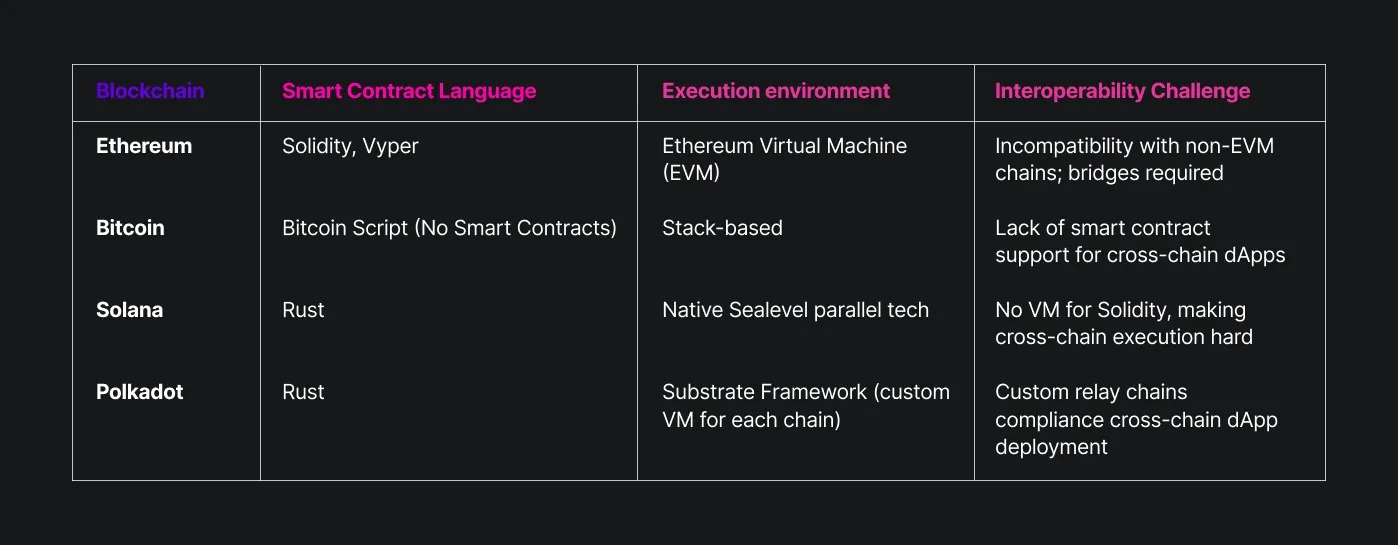
Кроме того, существует структурное ограничение: стоимость биткоина росла быстрее, чем его инфраструктура. Ethereum с самого начала имел смарт-контракты; Solana с самого начала использовала высокопроизводительный дизайн. Стоимость биткоина раздулась до класса активов до того, как расширился его «диапазон применимых приложений». Таким образом, вся экосистема в конечном итоге столкнулась с парадоксом: у вас есть триллионы долларов капитала, но почти нет мест, где можно его разместить.
Последнее ограничение — это совместимость. Биткоин обладает уникальной изолированностью, он не может взаимодействовать с другими блокчейнами и не имеет нативных мостов. До недавнего времени не было способа с минимальным доверием подключить биткоин к внешним средам исполнения. Поэтому любые попытки сделать биткоин usable вынуждали полностью отказываться от модели безопасности биткоина, например, обертывание, мосты, кастодиальное minting, мультиподписи и федерации. Для актива, основанного на недоверии к посредникам, такой подход никогда не сможет масштабироваться.
Первые обходные пути: обертки, сайдчейны и мосты
Когда стало очевидно, что базовый уровень биткоина не может поддерживать значимую активность, индустрия, как всегда, разработала обходные пути. Поначалу эти решения казались прогрессом, позволяя биткоину войти в сферу, где бурно развивалась деятельность DeFi. Но при ближайшем рассмотрении у всех них был общий недостаток: их использование требовало отказа от части модели доверия биткоина.
Самым ярким примером является обернутый биткоин (Wrapped Bitcoin). Какое-то время он был мостом по умолчанию между биткоином и Ethereum, и какое-то время эта модель, казалось, работала. Она высвобождала ликвидность, позволяя использовать биткоин в качестве залога, торговать на автоматических маркет-мейкерах (AMM), предоставлять кредиты под залог, совершать циклические сделки, рестейкинг — в общем, делать все то, что сам биткоин делать не мог. Но платой за это было то, что обернутый биткоин существовал при условии, что настоящий биткоин хранится кем-то другим. Это подразумевало кастодиальные услуги, зависимость от внешних организаций, операционные риски и систему обеспечения, не связанную с механизмом безопасности базового уровня биткоина.
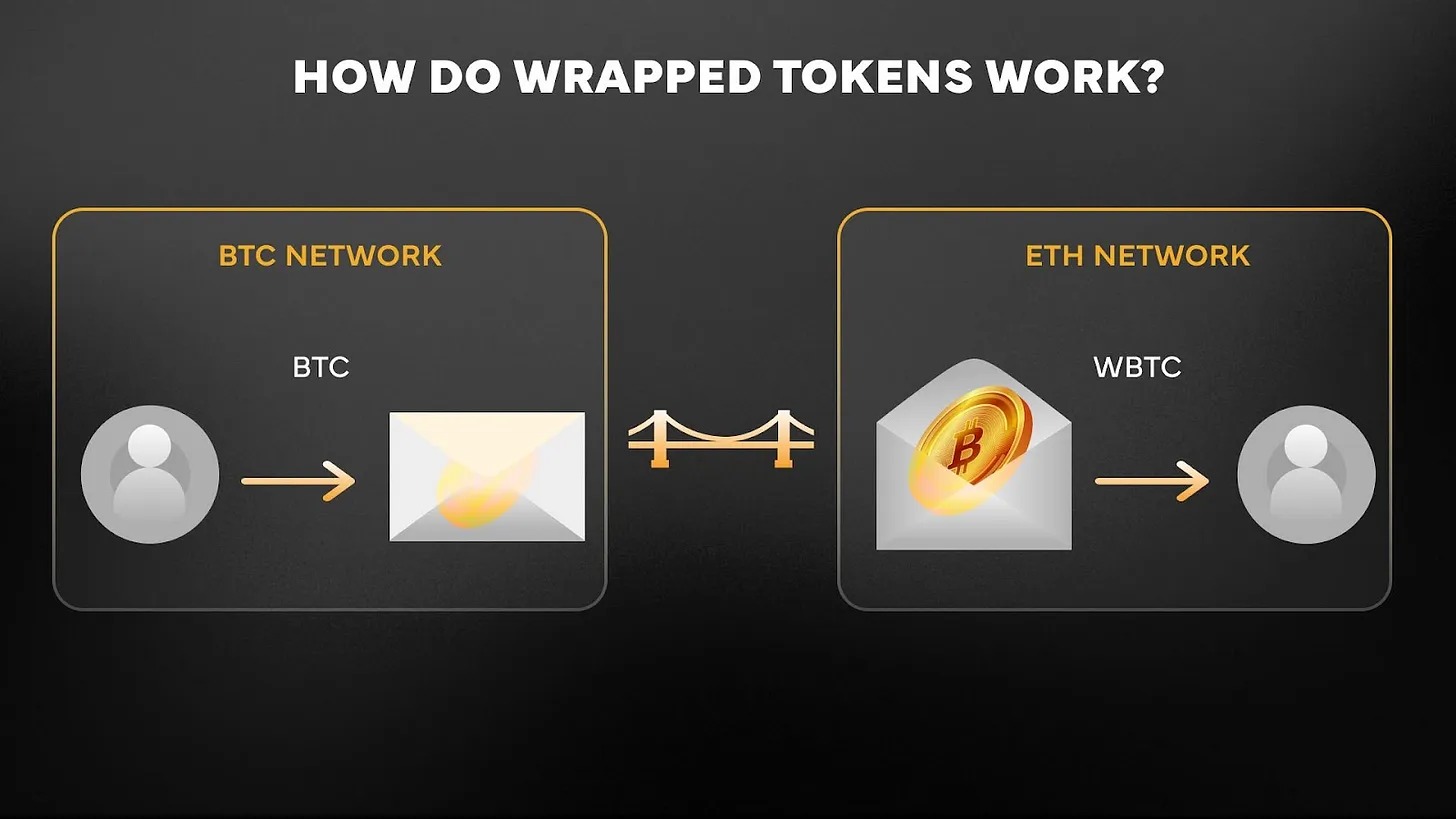
Федеративные системы (Federated systems) попытались уменьшить это бремя доверия, распределив контроль между несколькими субъектами. Вместо единого кастодиана группа совместно хранила биткоины, обеспечивающие обернутый актив. Это было улучшением, но далеко не полным устранением доверия. Пользователи по-прежнему полагались на группу координируемых операторов, а сила эффекта привязки зависела только от их стимулов и добросовестности. Для сообщества, предпочитающего системы без доверия, это не было идеальным решением.
Технология кросс-чейн мостов принесла новый набор проблем. Вместо того чтобы полагаться на хранение, пользователи стали полагаться на набор внешних валидаторов, чья совокупная безопасность обычно слабее, чем у цепи, которую они покинули. Кросс-чейн мосты сделали возможным перенос биткоина между цепями, но также стали одним из крупнейших векторов атак в криптопространстве. Многочисленные анализы указывают на то, что уязвимости мостов являются одним из крупнейших источников потерь средств в криптовалютной сфере.
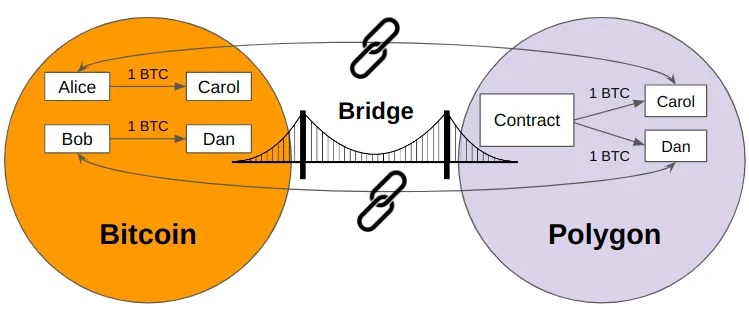
Сайдчейны добавили еще больше сложности. Это независимые от биткоина цепи, соединенные с помощью различных механизмов привязки. Некоторые используют мультиподписной контроль, другие — доказательства с упрощенной проверкой платежей (SPV). Но ни один из них не унаследовал безопасность биткоина. Они работают по своим собственным механизмам консенсуса, наборам валидаторов и системам оценки рисков. Ярлык «сайдчейн биткоина» часто был больше маркетинговым ходом, чем фактом. Ликвидность перемещалась, но гарантии безопасности — нет.
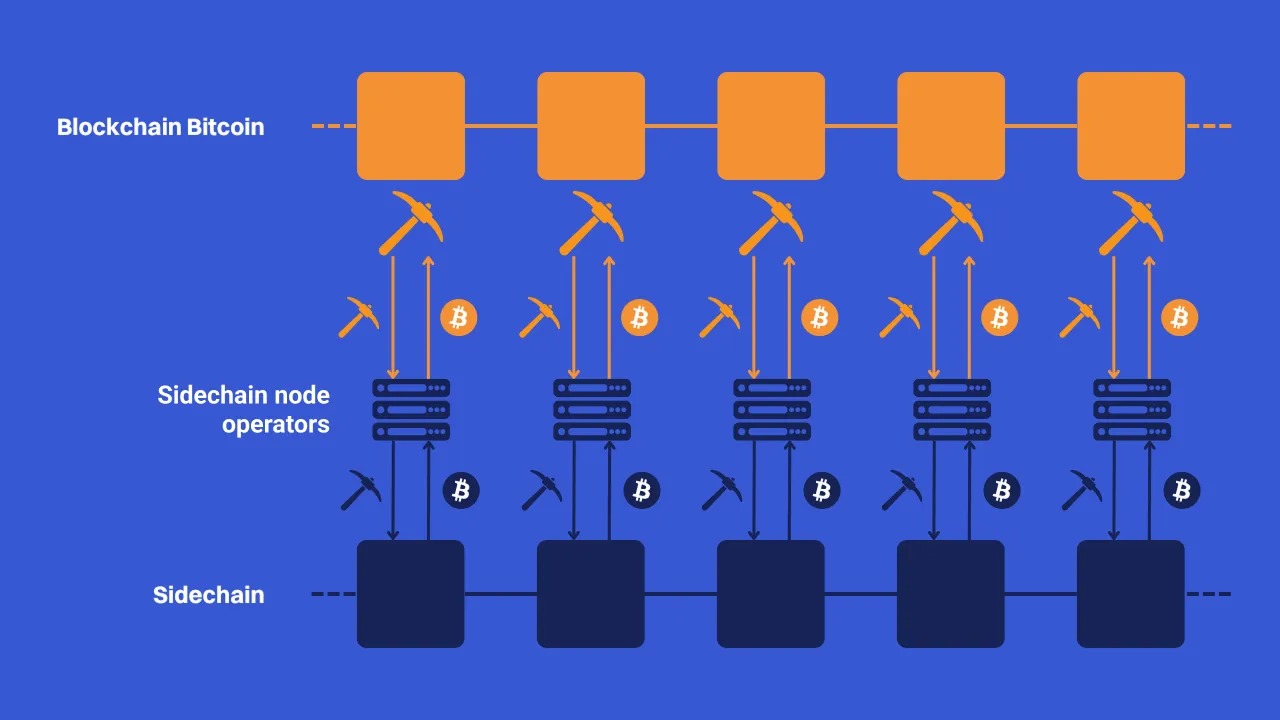
Общее для всех этих методов то, что они выталкивали биткоин вовне, извлекали его из базовой архитектуры в среду, где правила исполняются другими. Это решало проблему usability в краткосрочной перспективе, но создавало более крупную проблему: биткоин внезапно начал работать в рамках модели доверия, которую он изначально стремился избежать.
Недостатки очевидны:
-
Обернутый биткоин (Wrapped BTC) рос только потому, что люди мирились с кастодианами как с временным решением.
-
Сайдчейны существовали, но оставались нишевыми, поскольку не унаследовали безопасность биткоина.
-
Кросс-чейн мосты соединяли биткоин с другими цепями, но также открывали новые пути для атак.
Каждое решение решало одну проблему, но создавало другую.
Переломный момент: у биткоина наконец-то появились новые примитивы
Долгое время ограничения биткоина считались необратимыми. Базовый уровень не изменится, обновления медленны, и любое предложение, направленное на повышение его выразительности, отвергалось как ненужный риск.
Но за последние несколько лет это предположение пошатнулось.
1. Биткоин получил способность «проверять, не исполняя»: Важнейшим прорывом стало появление нового класса моделей верификации, которые позволяют биткоину проверять результаты вычислений, выполненных в другом месте, без самостоятельного их выполнения.
Именно этот прорыв сделал возможным BitVM, а позже и подобные BitVM системы. Эти системы не меняют функциональность биткоина, а используют его способность обеспечивать выполнение результатов с помощью фрод-пруфов (доказательств мошенничества).
Это означает, что вы можете создавать логику, приложения и даже полноценные среды исполнения вне биткоина, а биткоин все равно сможет обеспечивать их корректность. Это полностью отличается от философии Ethereum «все исполняется на L1». Биткоин теперь наконец может быть арбитром. Именно это в конечном итоге открыло двери для:
-
Роллапов, обеспеченных биткоином (Rollup)
-
Мостов с минимальным доверием
-
Программируемых биткоин-хранилищ (Vaults)
-
Вычислений оффчейн, верификации ончейн
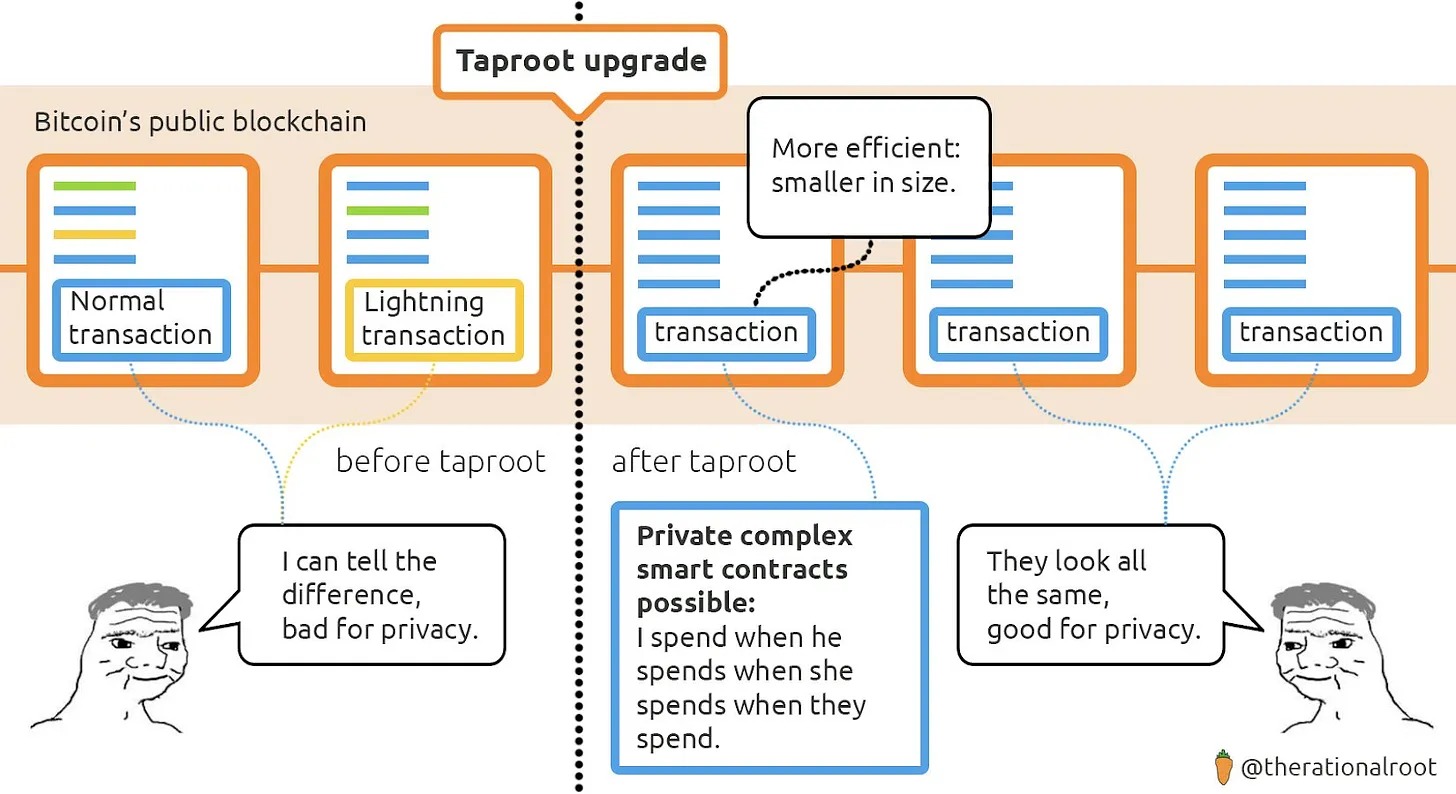
2. Такие обновления, как Taproot, незаметно расширили охват биткоина: Taproot изначально не продвигался как обновление для DeFi, но он предоставил криптографическую основу, необходимую для BTCFi: более дешевые мультиподписи, более гибкие пути расходования средств и улучшенная конфиденциальность. Что еще важнее, он сделал возможными такие архитектуры, как Taproot Assets (для стейблкоинов) и более продвинутые системы хранилищ.
3. Появление нативных активов биткоина: С появлением Taproot и новых систем доказательств проекты начали выпускать активы, основанные на биткоине или получающие безопасность от биткоина, без необходимости оборачивать BTC.
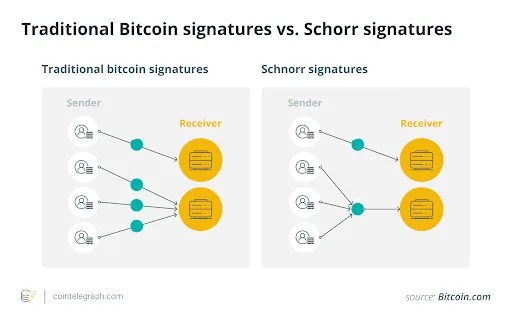
Комбинируя Taproot, подписи Шнорра и новые методы оффчейн-верификации, разработчики теперь могут создавать активы непосредственно на самом биткоине или активы, напрямую наследующие безопасность биткоина.
Это включает:
-
Taproot Assets (Tether чеканит USDT напрямую в стеке биткоина / Lightning Network)
-
Нативные стейблкоины биткоина, не зависящие от Ethereum, Solana или Cosmos
-
Синтетические активы, обеспеченные BTC, без зависимости от кастодиальных привязок
-
Программируемые хранилища и мультиподписные структуры, которые раньше были невозможны
Впервые активы, выпущенные на биткоине, можно использовать, не покидая биткоин. И активы, выпущенные в биткоине, не требуют вывода биткоина из самохранения.
4. Доходность биткоина стала возможной: Сам по себе биткоин никогда не приносил доход. Исторически единственным способом «заработать» на биткоине было его обернуть, отправить кастодиану, одолжить на централизованной платформе или перевести через мост в другой блокчейн. Все эти методы были сопряжены с рисками и полностью выходили за рамки модели безопасности биткоина.
BTCFi представляет совершенно новый способ получения дохода от биткоина. Как это работает? Путем создания систем, которые позволяют биткоину вносить вклад в безопасность сети. Это порождает три типа:
Стейкинг биткоина (для других сетей): Теперь BTC может защищать сети PoS или апчейны, не покидая цепь биткоина.
Рестейкинг биткоина: Подобно тому, как Ethereum может защищать несколько протоколов через механизмы общего обеспечения безопасности, биткоин теперь можно использовать в качестве залога для поддержки внешних цепей, оракулов, слоев DA и т.д.
Доходные системы на основе Lightning Network: Такие протоколы, как Stroom, позволяют BTC, используемому в каналах Lightning Network, зарабатывать доход, предоставляя ликвидность, опять же без обертывания или зависимости от кастодиальных мостов.
До появления BTCFi все это было невозможно.
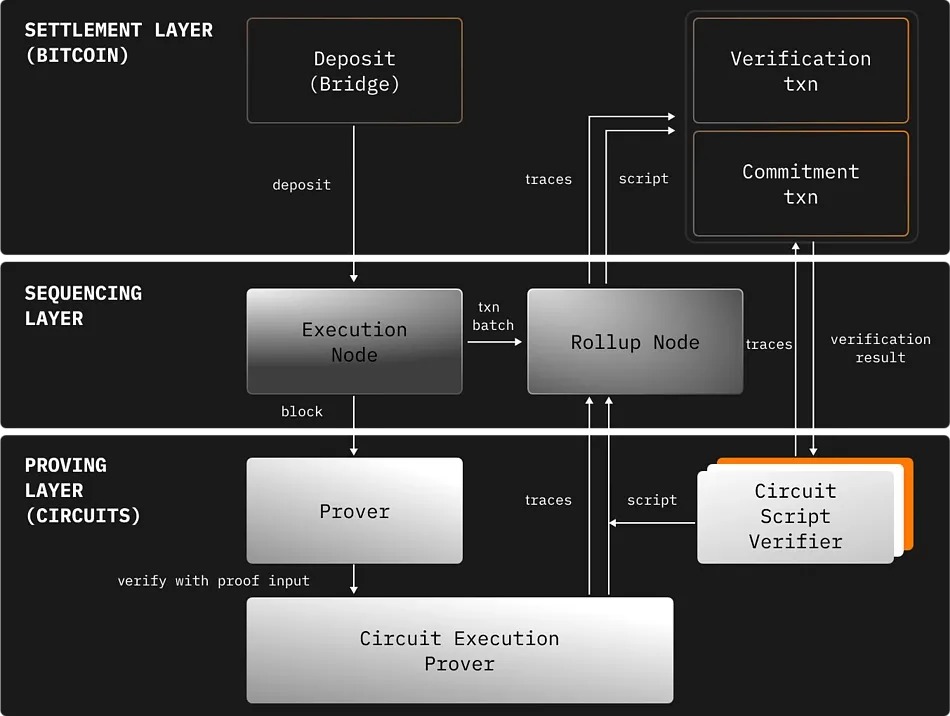
5. У биткоина наконец-то появился слой исполнения: Последние достижения в оффчейн-верификации позволили биткоину обеспечивать выполнение результатов вычислений, которые он сам не выполняет. Это позволяет разработчикам создавать вокруг биткоина роллапы, мосты и системы контрактов, которые полагаются на биткоин для проверки, а не для вычислений. Базовый уровень остается неизменным, но внешние уровни теперь могут запускать логику и при необходимости доказывать ее корректность биткоину.
Это дает биткоину беспрецедентные возможности: поддерживать приложения, поведение, подобное контрактам, и новые базовые финансовые функции без необходимости перемещать биткоин в кастодиальные системы или переписывать протокол. Это не «смарт-контракты на биткоине», а модель верификации, которая сохраняет простоту биткоина, позволяя при этом существовать более сложным системам вокруг него.
Обзор BTCFi: что строится на практике
По мере созревания инструментов базовой верификации и переносимости, экосистема биткоина наконец начала расширяться способами, которые больше не полагаются на кастодианов или обернутые активы. То, что появляется сегодня, — это не отдельный продукт или категория, а серия взаимосвязанных уровней, которые впервые предоставляют биткоину полнофункциональную экономику. Проще всего понять это, наблюдая, как эти компоненты дополняют друг друга.
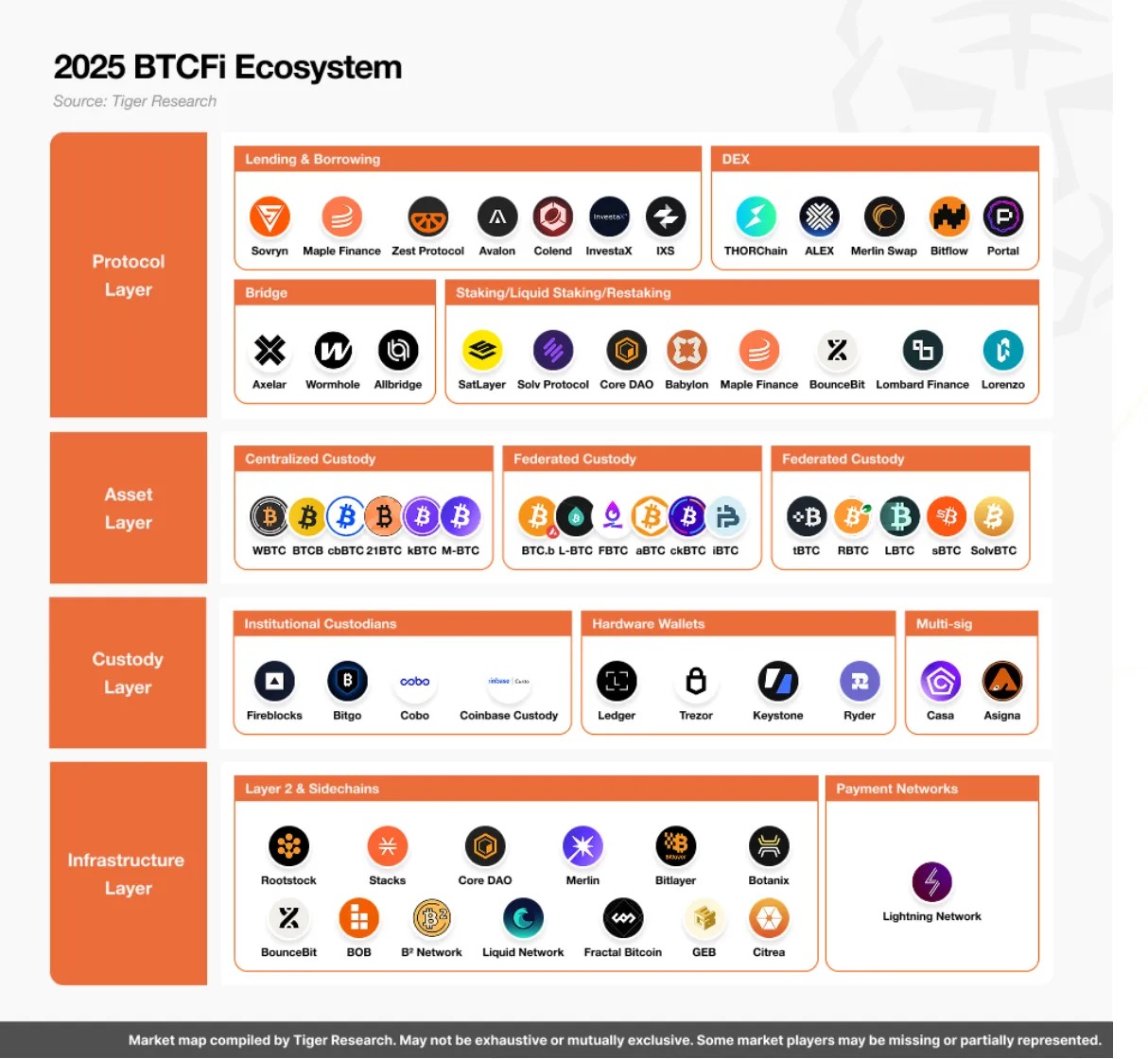
Инфраструктурный уровень: Первое заметное изменение — появление безопасных сред исполнения для биткоина. Это не конкуренты уровня L1 и не попытки превратить биткоин в платформу для смарт-контрактов. Это внешние системы, которые обрабатывают вычисления, полагаясь на биткоин только для проверки. Это разделение крайне важно. Оно создает пространство, где могут существовать кредитование, торговля, управление залогом и даже более сложные базовые функции без необходимости вносить какие-либо изменения в базовый уровень биткоина. Это также позволяет избежать недостатков старой модели, когда использование биткоина означало его передачу кастодиану или доверие мультиподписи. Теперь сам биткоин остается неизменным; вычисления происходят вокруг него.
Уровень активов и мостов: В то же время формируется новое поколение биткоин-мостов, которые больше не являются высокодоверчивыми мостами на основе кастодианов из предыдущего цикла, а построены вокруг проверяемых результатов. Эти системы больше не требуют от пользователей доверия группе операторов; вместо этого они используют механизмы оспаривания и фрод-пруфы, автоматически отвергая некорректные изменения состояния. В результате пользователи могут более безопасно перемещать биткоин во внешние среды, не полагаясь на хрупкие предположения о доверии, присущие предыдущим конструкциям. Что еще более важно, этот мост соответствует внутреннему восприятию безопасности холдерами биткоина: минимальное доверие, минимальная зависимость.
Протокольный уровень: Поскольку перемещение активов становится более безопасным, следующий этап инноваций сосредоточен на том, какую роль биткоин может играть в этих средах. Именно здесь появляются рынки доходности и безопасности. На протяжении большей части истории биткоина получение какого-либо дохода от него требовало передачи его на биржу или обертывания в другие блокчейны. Теперь модели стейкинга и рестейкинга позволяют биткоину вносить вклад в безопасность внешних сетей, не выходя из-под собственного контроля. Доходность исходит не из кредитного риска или реколизации, а из экономической ценности поддержания консенсуса или проверки результатов вычислений.
В то же время появляются нативные активы биткоина. Вместо того чтобы оборачивать или перемещать биткоин в Ethereum, разработчики начинают использовать такие технологии, как Taproot, подписи Шнорра и оффчейн-верификацию, для выпуска активов на биткоине или привязки активов к его безопасности. Это включает стейблкоины, чеканящиеся непосредственно на инфраструктуре биткоина, синтетические активы, не зависящие от кастодианов, и структуры хранилищ, позволяющие более гибкие условия расходования. Все это расширяет полезность биткоина без необходимости вводить его в другую модель доверия.
Эти достижения по отдельности интересны. Вместе же они знаменуют рождение первой последовательной финансовой системы биткоина. Вычисления могут выполняться оффчейн и обеспечиваться ончейн биткоином. Биткоин можно безопасно перемещать без кастодиана. Он может приносить доход, не покидая самохранения. Активы могут существовать нативно, не полагаясь на安全保障 других экосистем. Каждое достижение решает разные части ловушки ликвидности, которая преследовала биткоин более десяти лет.
Мое мнение?
Я считаю, что самый простой способ взглянуть на BTCFi — это то, что у биткоина наконец-то появилась экосистема, соответствующая его масштабу. Много лет люди пытались строить экосистему биткоина с помощью инструментов, которые изначально не были предназначены для поддержки триллионной ликвидности. Ни один серьезный холдер биткоина не стал бы ставить свои биткоины на кастодиальные привязки, непроверенные мосты или наскоро сколоченные сайдчейны — и они этого не делали.
Эта волна отличается тем, что она встречает биткоин полностью на его собственных условиях. Модель безопасности сохранена, самохранение сохранено, а окружающие системы наконец-то достаточно robust, чтобы нести значительный капитал. Если даже небольшая часть спящего BTC начнет двигаться, потому что инфраструктура наконец-то стала его достойна, воздействие будет чрезвычайно глубоким.
Эта новая волна отличается от предыдущих тем, что она подходит к биткоину на его собственных условиях. Модель безопасности остается неизменной, механизм самохранения intact, а системы вокруг биткоина наконец-то достаточно сильны, чтобы выдержать значительные потоки капитала. Даже если лишь небольшая часть спящего биткоина начнет двигаться из-за того, что инфраструктура наконец созрела, эффект будет значительным.