‘Beyond code errors’ – How Drift Protocol’s $285mln drain shifts DeFi security bar

ambcryptoОпубликовано 2026-04-06Обновлено 2026-04-06

Введение

The Drift Protocol exploit, resulting in a $285 million loss, marks a significant shift in DeFi security threats, moving beyond simple code errors to sophisticated attacks on governance and operational control layers. The attacker used pre-signed transactions and manipulated a multi-signature mechanism to gain admin access rapidly. This incident underscores that security now depends more on protecting protocol operations and user assets than solely fixing smart contract bugs. Drift’s response demonstrated the critical role of fast crisis management—halting deposits and withdrawals quickly, coordinating with security partners, and providing transparency—which helped contain cross-protocol risks and maintain market confidence. The event reflects a broader trend in DeFi, where attackers increasingly target access and control mechanisms. This has elevated the importance of operational security, prompting protocols to compete not only on yield but also on their ability to manage risk, protect capital, and respond effectively during crises. Industry data shows a growing focus on security investments, such as signer rotation and emergency controls, as key factors in building resilience and trust.

Drift Protocol’s exploit shows a clear shift in how DeFi attacks happen, moving beyond simple code errors into control of protocol operations. The attacker drained about $285 million by using pre-signed transactions and manipulating a multi-signature to gain admin access quickly.

This matters because attackers now focus on governance and control layers, where taking over systems becomes more effective than exploiting code.

Elliptic links the activity to Democratic People’s Republic of Korea (DPRK) -style operations, showing higher coordination and planning.

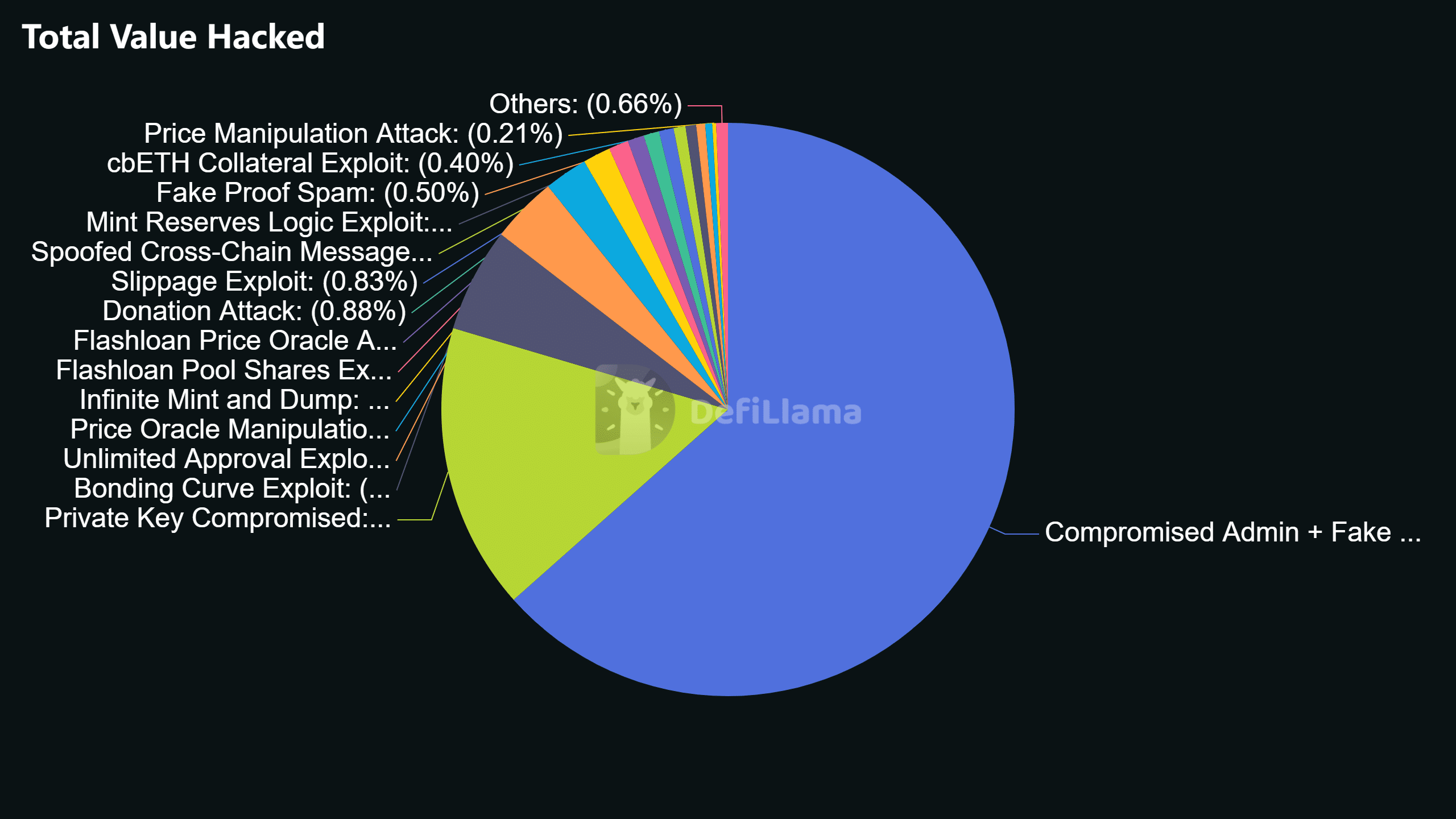
Source: DeFiLlama

The impact spreads across connected protocols, as shared liquidity increases risk beyond one platform. Q1 2026 losses reach about $169 million across 34 incidents, with attacks now centered on access and control. This shows security depends more on protecting operations and users, not just fixing smart contract bugs.

Drift response shows the role of fast crisis management

Drift’s response shows how crisis handling now shapes market confidence as much as the exploit itself. Within minutes, the team confirmed an active attack and halted deposits and withdrawals, signaling immediate control.

This rapid disclosure matters because it reduces uncertainty, allowing users and partners to react before risks spread further. Coordination with security firms, bridges, and exchanges followed quickly, limiting cross-protocol impact.

This pattern highlights a new standard, where response speed and transparency influence trust. Protocols now compete on how effectively they manage risk in real time.

Security becomes a key factor in DeFi competition

This response dynamic now extends into how protocols compete, as handling risk becomes as important as offering returns. Yields have compressed to about 6.8%–13.5%, which shifts focus away from chasing higher returns.

This shift builds as incidents like Drift’s $285 million exploit highlight operational weaknesses rather than code flaws. Users now assess how well protocols manage and contain risk.

At the same time, industry data shows that DAO security spending rose about 32% in 2025, reflecting a stronger focus on operational security. Measures like signer rotation and emergency controls define resilience.

This changes competition, where protocols attract liquidity not just through yield, but through their ability to protect and stabilize capital.


Final Summary

  • Drift Protocol highlights a shift toward governance and operational exploits, where control-layer attacks and rapid response now define protocol resilience.
  • Drift also shows DeFi competition evolving, as security execution and containment speed become key drivers of trust and capital retention.

Связанные с этим вопросы

QWhat was the primary method used by the attacker to drain funds from Drift Protocol?

AThe attacker used pre-signed transactions and manipulated a multi-signature to gain admin access quickly.

QAccording to the article, what is the Drift Protocol exploit indicative of in the broader DeFi landscape?

AIt shows a clear shift in how DeFi attacks happen, moving beyond simple code errors into the control of protocol operations and governance layers.

QHow did Drift Protocol's team respond to the attack, and why was this response significant?

AWithin minutes, the team confirmed the attack and halted deposits and withdrawals. This rapid response reduced uncertainty, allowed users to react, and limited cross-protocol impact, showing that crisis management is now crucial for market confidence.

QWhat broader trend in DeFi security spending does the article mention?

ADAO security spending rose about 32% in 2025, reflecting a stronger industry focus on operational security measures like signer rotation and emergency controls.

QHow is the nature of competition between DeFi protocols changing, according to the article?

ACompetition is evolving where protocols now attract liquidity not just through high yields, but through their ability to protect and stabilize capital, with security execution and risk containment becoming key drivers of trust.

Похожее

Goldman Sachs Bows Down, Bitcoin Finally Breaks Through the Gates of Wall Street

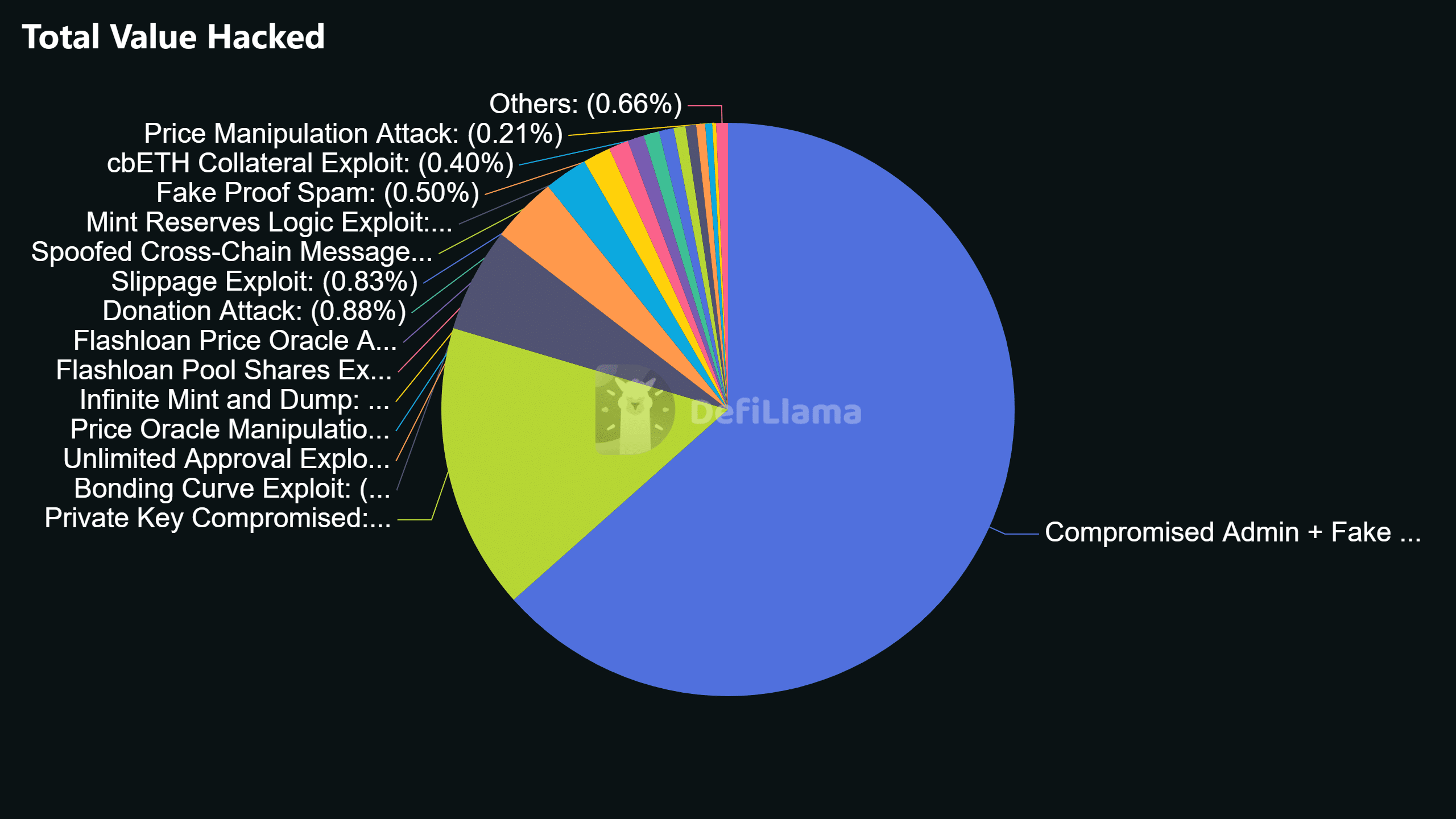
Wall Street giants, including Goldman Sachs, Morgan Stanley, Charles Schwab, and the New York Stock Exchange, have reversed their long-standing opposition to Bitcoin and are now actively embracing it. After years of dismissing Bitcoin as a scam, a bubble, or a tool for illicit activities, these institutions are launching Bitcoin ETFs, enabling spot trading, and building dedicated crypto infrastructure. Goldman Sachs, which once called Bitcoin a "fraud tool," is now offering Bitcoin ETFs. Morgan Stanley, which internally banned the term "cryptocurrency," has launched its largest-ever ETF backed by Bitcoin. Charles Schwab has opened spot crypto trading for its retail clients, integrating Bitcoin alongside traditional assets. The NYSE is building robust infrastructure to support digital assets, signaling a long-term commitment. This dramatic shift is driven not by a change in ideology but by economic necessity. As Bitcoin repeatedly survived market crashes and grew into a multi-trillion-dollar asset class, ignoring it became too costly. Wall Street’s business model relies on capturing fees, and Bitcoin’s rise represented a massive wealth transfer occurring outside their ecosystem. The fear of missing out (FOMO) and client demand forced these institutions to capitulate. The article frames this as a historic surrender to Bitcoin’s mathematical inevitability. Unlike the trust-based traditional financial system, Bitcoin operates on decentralized, transparent, and unchangeable rules. Its scarcity and resilience make it a hedge against fiat currency devaluation and systemic risk. The narrative has flipped: not holding Bitcoin is now seen as the greater risk. The author concludes that Bitcoin has not been co-opted by Wall Street; instead, it has co-opted Wall Street, marking a fundamental shift in the global financial architecture.

marsbit12 мин. назад
Goldman Sachs Bows Down, Bitcoin Finally Breaks Through the Gates of Wall Street

marsbit12 мин. назад

Торговля

Спот
Фьючерсы

Популярные статьи

Как купить S

Добро пожаловать на HTX.com! Мы сделали приобретение Sonic (S) простым и удобным. Следуйте нашему пошаговому руководству и отправляйтесь в свое крипто-путешествие.Шаг 1: Создайте аккаунт на HTXИспользуйте свой адрес электронной почты или номер телефона, чтобы зарегистрироваться и бесплатно создать аккаунт на HTX. Пройдите удобную регистрацию и откройте для себя весь функционал.Создать аккаунтШаг 2: Перейдите в Купить криптовалюту и выберите свой способ оплатыКредитная/Дебетовая Карта: Используйте свою карту Visa или Mastercard для мгновенной покупки Sonic (S).Баланс: Используйте средства с баланса вашего аккаунта HTX для простой торговли.Третьи Лица: Мы добавили популярные способы оплаты, такие как Google Pay и Apple Pay, для повышения удобства.P2P: Торгуйте напрямую с другими пользователями на HTX.Внебиржевая Торговля (OTC): Мы предлагаем индивидуальные услуги и конкурентоспособные обменные курсы для трейдеров.Шаг 3: Хранение Sonic (S)После приобретения вами Sonic (S) храните их в своем аккаунте на HTX. В качестве альтернативы вы можете отправить их куда-либо с помощью перевода в блокчейне или использовать для торговли с другими криптовалютами.Шаг 4: Торговля Sonic (S)С легкостью торгуйте Sonic (S) на спотовом рынке HTX. Просто зайдите в свой аккаунт, выберите торговую пару, совершайте сделки и следите за ними в режиме реального времени. Мы предлагаем удобный интерфейс как для начинающих, так и для опытных трейдеров.

1.2k просмотров всегоОпубликовано 2025.01.15Обновлено 2025.03.21

Как купить S

Sonic: Обновления под руководством Андре Кронье – новая звезда Layer-1 на фоне спада рынка

Он решает проблемы масштабируемости, совместимости между блокчейнами и стимулов для разработчиков с помощью технологических инноваций.

2.2k просмотров всегоОпубликовано 2025.04.09Обновлено 2025.04.09

Sonic: Обновления под руководством Андре Кронье – новая звезда Layer-1 на фоне спада рынка

HTX Learn: Пройдите обучение по "Sonic" и разделите 1000 USDT

HTX Learn — ваш проводник в мир перспективных проектов, и мы запускаем специальное мероприятие "Учитесь и Зарабатывайте", посвящённое этим проектам. Наше новое направление .

1.8k просмотров всегоОпубликовано 2025.04.10Обновлено 2025.04.10

HTX Learn: Пройдите обучение по "Sonic" и разделите 1000 USDT

Обсуждения

Добро пожаловать в Сообщество HTX. Здесь вы сможете быть в курсе последних новостей о развитии платформы и получить доступ к профессиональной аналитической информации о рынке. Мнения пользователей о цене на S (S) представлены ниже.

活动图片