Автор: Max.S
Вера рынка капитала в «децентрализованный ИИ» (DeAI) проходит беспрецедентное испытание на прочность.
На днях абсолютно лидирующий проект в сфере децентрализованного ИИ, Bittensor ($TAO), столкнулся с разрушительным внутренним кризисом. Covenant AI, одна из ведущих команд разработчиков в экосистеме Bittensor, которая недавно успешно обучила большую языковую модель на 72 миллиарда параметров (72B), внезапно через соцсети объявила о полном выходе из сети Bittensor. В своем заявлении о выходе Covenant AI прямо указала на основателя Bittensor Джейкоба Стивеса, резко раскритиковав его «абсолютную и диктаторскую» власть над сетью, обвинив в произвольном отключении токенных вознаграждений для подсетей и прямо заявив, что так называемый децентрализованный ИИ — не более чем тщательно поставленный «спектакль».
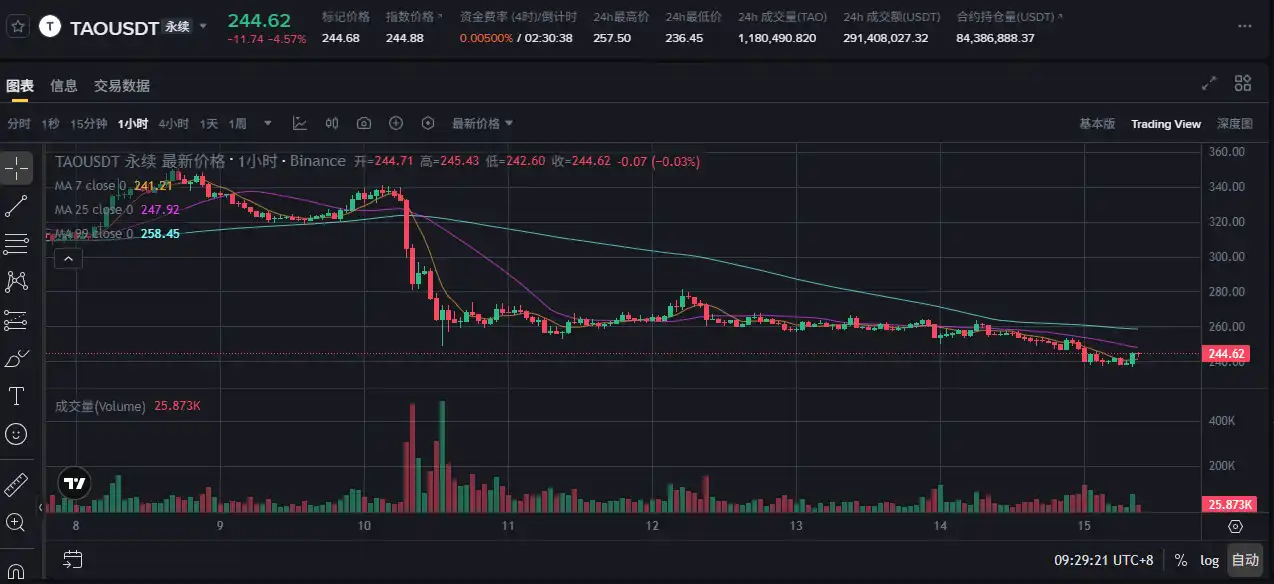
Под влиянием этого события «черного лебедя» цена токена $TAO на вторичном рынке столкнулась с паническими распродажами, упав за один день на 15-25%, а рыночная капитализация мгновенно сократилась на миллиарды долларов. Пока криптосообщество «смаковало» публичный разрыв между топ-командой и основателем, оно также начало серьезно审视овать глубокую отраслевую проблему: в области ИИ, которая крайне зависит от капитала вычислительных мощностей и сложной инженерии, является ли движимая токеномикой «децентрализация» утопией, перестраивающей производственные отношения, или же это просто красивая обертка, скрывающую централизованную власть?
Чтобы понять разрушительность этого события, необходимо сначала осознать вес Covenant AI в экосистеме Bittensor.
В многосетевой архитектуре Bittensor большинство подсетей все еще находятся на стадии низкоуровневых API-вызовов, тонкой настройки моделей или простой маршрутизации задач. Команды, действительно способные на обучение с нуля или обучение моделей с большим количеством параметров, крайне редки. Covenant AI была именно таким «хардкорным» представителем в этой экосистеме. Незадолго до объявления о выходе команда представила сообществу знаковый результат: успешное обучение большой открытой модели с 72 миллиардами параметров (72B) в условиях децентрализованной сетевой среды.
При текущей стоимости вычислительных мощностей обучение модели 72B означает необходимость задействовать огромные кластеры GPU (обычно эквивалентные непрерывной работе тысяч H100 в течение нескольких недель) и понести чрезвычайно высокие затраты на оборудование и электроэнергию. Основная логика, по которой Covenant AI была готова нести огромные невозвратные затраты, заключалась в механизме «Emissions» Bittensor — пока предоставляемые ею модели и вычислительные мощности получают высокие оценки в подсети, она продолжает получать щедрое вознаграждение в виде выпуска токенов $TAO. Это и есть самый привлекательный маховичный эффект в нарративе DeAI.
Однако маховик остановился на самом пике. Как сообщила Covenant AI, после того как она вложила огромные средства в обучение и запуск модели 72B, основатель Джейкоб Стивес и связанные с ним стороны, контролируя ноды валидаторов (Validators), без предупреждения и прозрачных процессов управления напрямую отключили токенные вознаграждения, поступающие в подсеть Covenant AI.
Для майнеров и разработчиков отключение Emissions равносильно «выдергиванию сетевого кабеля». ROI огромных затрат на вычисления мгновенно обнулился. Этот крайне непредсказуемый системный риск напрямую спровоцировал гневный уход Covenant AI.
Использованное Covenant AI в заявлении о выходе слово «спектакль» (Charade) точно задело самый уязвимый нерв Bittensor: контроль над сетью.
Базовая архитектура Bittensor relies on the Yuma consensus, ядро которого заключается в том, что «валидаторы» оценивают вклад «майнеров» и определяют, как распределяются вновь выпущенные токены $TAO. Теоретически это децентрализованная игровая система, основанная на объеме стейкинга и алгоритмах. Но обвинения Covenant AI reveal суровую реальность: вычислительные мощности распределены, но власть и капитал高度集中лены.
В текущем корневом сети Bittensor ноды валидаторов высшего уровня, которые определяют распределение токенов, backed by стейкинг,高度 сконцентрированы среди ранних инвесторов, фонда и адресов, связанных с основателем Джейкобом Стивесом. Это означает, что основатель является не только создателем правил, но и главным судьей.
Covenant AI указала, что когда output подсети не соответствует личным пожеланиям Джейкоба или может угрожать интересам других «приближенных» подсетей, Джейкоб может легко использовать свой огромный вес в стейкинге, чтобы изменить результат распределения по консенсусу Yuma. Такое вмешательство по принципу «я начальник — ты дурак» делает децентрализацию на уровне смарт-контрактов фикцией. Разработчики тратят миллионы долларов на вычислительные мощности, но их судьба в конечном итоге зависит от субъективной воли или махинаций одного основателя.
Объективно говоря, Джейкоб и его сторонники могут защищаться, ссылаясь на «защиту общего качества сети» или «предотвращение накрутки токенов определенными подсетями, использующими лазейки в правилах». Но при отсутствии прозравых механизмов DAO-управления, каналов для слушаний и апелляций в链上, такое «всебожее» централизованное вмешательство серьезно подрывает核心овую ценность сети как «заслуживающего доверия нейтрального infrastructure».
Падение $TAO на 15-25% за день — это не просто паника розничных инвесторов, leading to давке, но и переоценка институциональными деньгами «дисконта за риск управления» Bittensor.
Причина, по которой Bittensor смог支撑ить如此巨大的 рыночную капитализацию и享有极高的 оценочной премии, заключается в том, что рынок рассматривал его как единственный реальный аналог «децентрализованного OpenAI». Основание этой грандиозной нарратива — система должна обладать极强的 предсказуемостью:只要вы предоставляете вычислительные мощности и качественные модели, протокол автоматически гарантирует ваш доход с помощью кода.
Событие с Covenant AI разрушило эти ожидания. То, что больше всего ненавидят топовые финансисты и институциональные инвесторы, — это «непредсказуемый единичный отказ», и здесь этой точкой отказа является власть Джейкоба Стивеса.

Если даже абсолютно топовая команда, способная обучить модель 72B, может в одно мгновение остаться ни с чем из-за вмешательства основателя, то для других поставщиков вычислительных мощностей и исследовательских институтов ИИ, которые观望ят с токенами, развертывание активов в Bittensor — это无疑 русская рулетка, в которой в любой момент могут «поднять стол». Когда качественная сторона предложения (майнеры и разработчики) отказывается входить из-за страха перед централизованной тиранией, сценарии применения и внутренняя стоимость токена $TAO становятся беспочвенными. Бешеный отток капитала — это提前ное голосование против такого ухудшения базовых показателей.
Уход Covenant AI — это не просто кризис пиара для одного Bittensor, но и неизбежные growing pains для всей сферы децентрализованного ИИ, вступающей в глубоководный этап. Он жестоко揭示отрасли «Невозможный треугольник» в области DeAI: качество и масштаб модели, заслуживающая доверия нейтральность децентрализации и защита от злонамеренных действий через стимулирование.
Централизация масштаба vs. Децентрализация механизма: Обучение передового ИИ (например, больших моделей от 72B и выше) — это典型的 капиталоемкий, централизованный инжиниринг, требующий高度协同ных GPU-кластеров. Это создает естественный физический разрыв с бессрочными, децентрализованными нодами, пропагандируемыми Web3.
Защита от накрутки vs. Заслуживающая доверия нейтральность: Чтобы предотвратить получение токенов некачественными нодами через взаимную накрутку трафика (атака Сибил), сеть должна ввести субъективную «оценку качества». Но пока стандарты оценки ИИ еще не полностью объективны и математизированы, это право оценки,一旦переданное少数валидаторам,极易 превращается в централизованную rent-seeking власть.
Bittensor попытался построить мост, соединяющий эти два аспекта, с помощью токеномики, но событие с Covenant доказало, что опоры этого моста (механизмы управления) все еще хрупки.
Уход Covenant AI лопнул романтический пузырь Bittensor об «абсолютной децентрализации». Для $TAO это, возможно, болезненный момент разочарования (Entzauberung), но для всей индустрии DeAI — это необходимый предупредительный сигнал.