Криптовалютный рынок в настоящее время переживает период снижения волатильности после недели глобальной напряженности.
После значительного ралли, вызванного последствиями конфликта между США и Ираном, которое подтолкнуло Bitcoin к пику в $73 000, ведущая криптовалюта вошла в фазу коррекции.
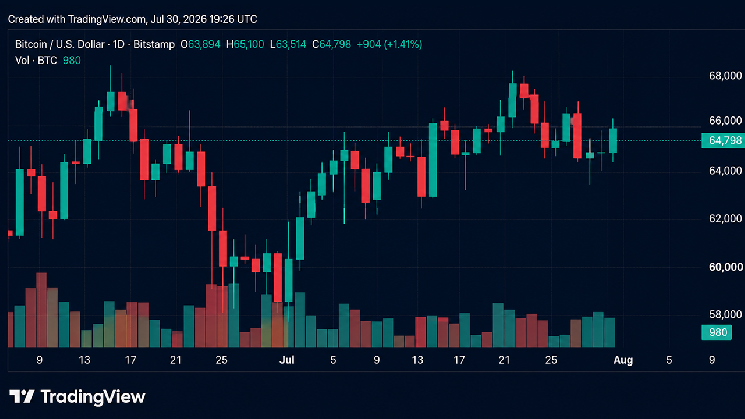
На момент публикации BTC торговался на уровне $67 174, что означает скромное снижение на 1,25% за последние 24 часа.
Несмотря на откат с 6 марта, движение цены остается конструктивным для быков, пока она остается выше психологического уровня поддержки в $65 000.
Однако аналитики внимательно следят за ончейн-уровнем $63 700 как за критической поддержкой. Если этот уровень будет пробит, риски снижения могут возрасти, при этом $57 000 станет первой крупной поддержкой, за которой последует $52 400.
Более глубокое падение к $48 700 сигнализировало бы о гораздо более сильной коррекции и могло бы вынудить пересмотреть среднесрочный бычий прогноз по Bitcoin.
Пока что битва идет за диапазон $63 000–$65 000.
Аналитики и их опасения относительно Bitcoin
Комментируя это же, Жоао Ведсон, основатель и CEO Alphractal, заявил:
«Когда рынок теряет ключевые ончейн-структурные уровни, это часто знаменует начало новой фазы перераспределения.»
Поясняя свои опасения с некоторым контекстом, Ведсон также приложил график модели цены рынка с поправкой на Фибоначчи.
Согласно графику, когда Bitcoin [BTC] торгуется в пределах нижних зеленой и синей полос, это обычно сигнализирует о сильном накоплении и устойчивом росте.
Однако по состоянию на начало марта 2026 года торговля Bitcoin в диапазоне от $67 000 до $74 000 переместила его в желто-оранжевую зону «высокой температуры», что означает, что рынок становится перегретым.
Хотя он не достиг экстремальных пиков красной зоны, наблюдавшейся во время прошлых рыночных вершин, он вышел из фазы стабильного роста в более волатильную, позднюю стадию цикла.
Добавляя больше веса текущей ситуации, декодер рынка – Darkfost отметил:
«Пока волатильность бушует на рынках и все, кажется, реагируют, некоторые участники остаются спокойными и просто наблюдают.»
Аналитик отметил, что, хотя некоторые трейдеры могут готовиться к продаже, долгосрочные держатели Bitcoin, по-видимому, сохраняют спокойствие.
Что говорят ончейн-метрики о Bitcoin?
По словам Darkfost, метрика Cumulative Value Days Destroyed (CVDD) составляла около 0,34, показывая очень малое движение старых монет.
Такая низкая активность обычно связана с фазами накопления, когда опытные инвесторы предпочитают держать, а не распределять.
Исторически крупные рыночные вершины начинают формироваться только тогда, когда CVDD поднимается выше 2.0, сигнализируя о масштабных продажах со стороны долгосрочных держателей.
Поскольку метрика остается значительно ниже этого уровня, это предполагает, что долгосрочные инвесторы еще не верят, что рынок достиг своего пика, несмотря на то, что Bitcoin торгуется в зоне более высокой оценки.
В отличие от этого, краткосрочные сигналы остаются слабыми.
30-дневный MVRV Ratio и данные об активных адресах, проанализированные AMBCrypto, указывают на то, что Bitcoin все еще восстанавливался от волатильности февраля.
Хотя активность ненадолго взлетела около 10 февраля, это, вероятно, отражало торговлю, driven волатильностью, а не реальный рост.
Между тем, MVRV Ratio колебался около −10%. Это означало, что многие недавние покупатели все еще держали нереализованные убытки.
Такая структура могла создать давление продаж, если бы BTC приблизился к своим уровням безубыточности.
«Экстремальный страх» и предстоящие события, которые сформируют Bitcoin
Рыночные настроения оставались хрупкими. Индекс страха и жадности Crypto Fear & Greed Index показывал «Экстремальный страх» с показателем около 12.
Тем не менее, макрособытия могут сформировать следующее направленное движение. Рынки внимательно следили за геополитическим расписанием на 12 марта.
Некоторые аналитики ожидали дипломатического прогресса на Ближнем Востоке.
Цены на нефть также резко выросли в течение недели, усиливая опасения по поводу инфляции на мировых рынках. Эта динамика поставила под scrutiny нарратив Bitcoin о геополитическом хеджировании.
Подтвержденное прекращение огня могло бы восстановить аппетит к риску и вызвать ралли облегчения.
Однако затяжные tensions и растущие цены на нефть могли бы подтолкнуть инвесторов к традиционным защитным активам.
В таком сценарии Bitcoin мог бы struggle вернуть уровни выше $70 000.
Итоговый вывод
- Пробитие уровня ниже $63 700 может спровоцировать более глубокую коррекцию, при этом $57K и $52.4K станут следующими крупными уровнями поддержки на снижение.
- Потенциальное прекращение огня на Ближнем Востоке может выступить катализатором, либо восстановив аппетит к риску, либо усилив осторожность, если tensions сохранятся.