Примечание редактора: рынки прогнозов превращаются из нишевого криптоприложения в более мейнстримовый финансовый и информационный рынок.
Выборы в США 2024 года вывели Polymarket и Kalshi на всеобщее обозрение, но по-настоящему нарратив в отрасли изменило то, что после выборов объёмы торгов не упали моментально. Спортивные, технологические и экономические рынки подхватили этот поток, доказав, что долгосрочный спрос на рынки прогнозов зависит не только от политических событий.
В этой статье исследуется ключевая картина рынка прогнозов на 2026 год: с одной стороны — дуополия Polymarket и Kalshi, где первый наращивает влияние за счёт онлайн-торгов, расчётов в USDC и дистрибуции через медиа, а второй использует лицензию CFTC и каналы вроде Robinhood для выхода в мейнстримовые финансовые сценарии; с другой стороны — ряд новых платформ, ищущих возможности в сделках с коротким циклом, спортивных прогнозах, медийной интеграции, ончейн-метриках и инфраструктурном слое.
Что ещё важнее, конкуренция на рынках прогнозов перестала быть просто битвой за объёмы торгов; теперь это комплексное соревнование в ликвидности, дистрибуционных возможностях и регуляторных путях. В то же время накрутки, споры вокруг статистики торговых объёмов, ожидания дропов токенов и давление на уровне штатов показывают, что эта отрасль всё ещё находится на высоко неопределённой стадии.
Рынки прогнозов больше не просто DeFi-эксперимент. Они становятся новым классом активов на пересечении финансовых сделок, медиаконтента и алгоритмических стратегий. В будущем пробиться смогут, вероятно, не универсальные клоны, а те платформы, которые обладают чёткими вертикальными сценариями и преимуществами в дистрибуции.
Ниже следует оригинальный текст:
Две платформы, о которых в 2022 году почти никто не слышал, в прошлом году по номинальному объёму проведённых сделок превзошли ВВП Новой Зеландии.
В 2025 году совокупный объём торгов на Kalshi и Polymarket достиг 44 миллиардов долларов. В мае 2026 года Kalshi привлекла 1 миллиард долларов финансирования при оценке в 22 миллиарда долларов. Материнская компания Нью-Йоркской фондовой биржи ICE обещала инвестировать 2 миллиарда долларов в Polymarket при оценке в 9 миллиардов долларов. ИИ-агенты уже выполняют более 30% онлайн-сделок. В то же время новые команды строят платформы для вертикальных ниш на Base, Solana, Hyperliquid и Arweave — все они делают ставку на одно суждение: эти два гиганта не смогут монополизировать все категории.
Это, возможно, самый полный на сегодня обзор экосистемы создателей на рынках прогнозов.
Цифры, которые меняют нарратив
2024 год стал моментом проверки для рынков прогнозов. Только рынок президентских выборов в США принёс Polymarket 3,3 миллиарда долларов объёма торгов. Во время избирательной кампании практически все крупные редакции финансовых новостей начали освещать коэффициенты рынков прогнозов. Bloomberg, Politico и FiveThirtyEight ссылались на эти данные в своих анализах.
Но то, что произошло после 5 ноября, удивило многих: объёмы торгов не вернулись к прежним базовым уровням. Спортивные рынки подхватили этот поток.
К концу 2025 года спортивные рынки уже составляли 85% торгового объёма Kalshi и 39% торгового объёма Polymarket. Технологические и научные рынки выросли на 1637%, экономические — на 905%. А политические рынки — та самая вертикаль, которую считали основным драйвером рынков прогнозов — выросли лишь на 43%.
Рынки прогнозов нашли свой долгосрочный двигатель, и это не выборы.
Дуополия
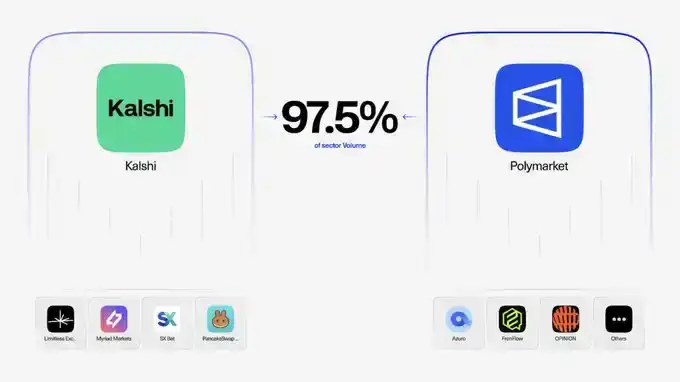
Polymarket работает на Polygon, рассчитывается в USDC и намеренно не берёт комиссию на большинстве рынков, отдавая приоритет наращиванию торговых объёмов. В октябре 2025 года ICE провела стратегическое инвестирование в 2 миллиарда долларов при посленвестиционной оценке примерно в 9 миллиардов долларов. В июне 2025 года X объявил Polymarket своим официальным партнёром в сфере рынков прогнозов. В феврале 2026 года Substack нативно интегрировал данные о коэффициентах Polymarket в реальном времени; всего за несколько недель каждый пятый из 250 самых прибыльных изданий на Substack начал использовать эти данные. CMO платформы также подтвердил, что токен POLY и эирдроп скоро появятся. После запуска полного функционала ожидаемый годовой доход от комиссий превысит 200 миллионов долларов.
Kalshi же получила от CFTC статус Designated Contract Market, став первой платформой для событийных контрактов с таким разрешением, и превратила это в дистрибуционное преимущество. Именно эта регуляторная лицензия позволила Kalshi выйти на Robinhood. Только в 2025 году через Robinhood было совершено более 4 миллиардов сделок с событийными контрактами. В январе 2025 года Kalshi запустила рынки, связанные с Супербоулом. Менее чем за 12 месяцев доля спортивных рынков в её торговом обороте выросла примерно с 10% до более чем 85%. В мае 2026 года Kalshi привлекла 1 миллиард долларов финансирования при оценке в 22 миллиарда долларов; раунд возглавила Coatue, участвовали Sequoia, a16z, Paradigm, Morgan Stanley и ARK. На момент закрытия раунда у Kalshi было около 2 миллионов MAU, годовой оборот около 178 миллиардов долларов и годовая выручка около 1,5 миллиардов долларов.
В 2025 году эти две компании совместно контролировали примерно 97,5% торгового оборота всей индустрии рынков прогнозов.
Карта экосистемы
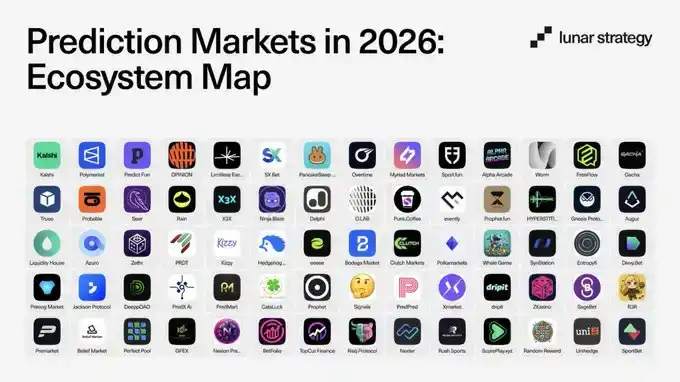
Претенденты
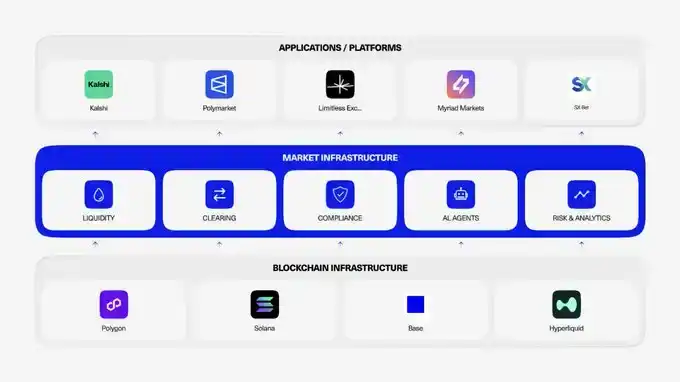
За пределами дуополии уже более десятка команд строят новые платформы прогнозных рынков. Каждая нацелена на конкретную нишу.
@trylimitless развёрнут на Base, специализируется на краткосрочных рынках с циклами в 15 минут, час или день, ориентируясь на трейдеров криптовалют и акций, желающих быстрых расчётов. Проект привлёк 10 миллионов долларов от 1confirmation, Coinbase Ventures, F-Prime, DCG и Arrington. В первом квартале 2026 года его месячный объём торгов достиг 1,1 миллиарда долларов. После листинга токен $LMTS достигал полностью разводнённой оценки в 800 миллионов долларов.
@MyriadMarkets работает на цепи Abstract, интегрирован с Linea, Celo и BNB. Он делает ставку на «медианативные» рынки прогнозов. Первое партнёрство по дистрибуции произошло в декабре 2025 года, когда платформа встроила функцию прогнозов в Trust Wallet. Сейчас у неё более 430 тысяч пользователей, совершивших в совокупности более 1,7 миллиона прогнозов. Проект основан командами, стоящими за Decrypt и Rug Radio.
KASH через @kash_bot интегрируется в X, позволяя пользователям создавать рынки прогнозов и торговать на них прямо в цитируемых постах. В феврале 2026 года KASH привлёк 2 миллиона долларов от Big Brain Holdings, Spartan, Coinbase Ventures, Animoca и Sui Foundation. Её ключевое убеждение: тот, кто найдёт самый короткий путь в сценарии, где пользователи уже находятся, выиграет рынок прогнозов.
@DriftProtocol построен на пуле ликвидности Drift Protocol в 500 миллионов долларов на Solana. Он поддерживает более 30 видов активов в качестве залога, позволяет открывать кросс-маржинальные позиции и предоставляет награды FUEL.
@HedgehogMarket нацелен на ончейн-метрики, такие как комиссии на Base, ставки финансирования, производительность валидаторов, а также предлагает универсальные бинарные опционы на Solana и Eclipse. Платформа поддерживает создание рынков без разрешения, пиковый TVL достигал примерно 20 миллионов долларов.
HIP-4 от @HyperliquidX был запущен 2 мая 2026 года при участии в разработке Джона Вана, главы криптобизнеса Kalshi. Механизм использует исключительно USDH в качестве залога, применяет модель ордербука CLOB и не взимает комиссию за открытие позиции. Первый рынок, развёрнутый официально Hyperliquid, был посвящён исходу BTC, и в день запуска объём торгов составил 6 миллионов долларов. Сейчас @Outcomexyz — основной фронтенд для HIP-4, генерирующий объём торгов в 10 раз больше, чем любой другой интерфейс.
@azuroprotocol больше похож на инфраструктуру, а не на пользовательский фронтенд. Он предоставляет другим командам уровень для спортивных прогнозных рынков, используя дизайн пула ликвидности Liquidity Tree. Проект привлёк 11 миллионов долларов от Delphi Digital, Gnosis и Arrington Capital.
@Overtime_io работает на Optimism, Arbitrum и Base. Весь доход протокола направляется на выкуп токенов $OVER.
@RobinhoodApp работает на бэкенде Kalshi и только в третьем квартале 2025 года обеспечила сделки более чем по 2 миллиардам событийных контрактов.
Инфраструктурный слой тоже начинает нагреваться. В августе 2025 года @theclearingco привлекла 15 миллионов долларов посевного финансирования от Union Square Ventures, Haun Ventures, Coinbase Ventures и Variant. Компанию основали бывшие топ-менеджеры Polymarket и Kalshi. Переток капитала на уровень клиринговых палат обычно означает, что класс активов становится зрелым.
Ключевые драйверы 2026 года
Регулируемые платформы ищут пути в ончейн. Kalshi токенизирует рынки и развёртывает их на Solana, Polymarket продвигает соответствие требованиям CFTC в США через приобретение QCEX, а HIP-4 от Hyperliquid разработан при участии Kalshi — все эти действия указывают в одном направлении: в основе лежит глобальный слой ликвидности, поверх которого накладываются регуляторные оболочки для разных регионов.
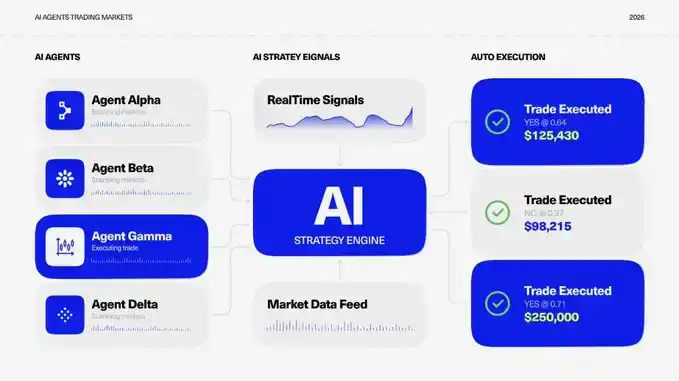
ИИ-агенты стали неотъемлемой частью активности на рынках прогнозов. Согласно данным аналитической платформы LayerHub, более 30% кошельков на Polymarket запускают ИИ-агентов. Агент Polystrat от Olas за первый месяц выполнил более 4200 сделок, а максимальная доходность по одной позиции достигла 376%. Elastics также привлёк 2 миллиона долларов, пытаясь создать интерфейс для торговли на естественном языке.
Независимо от того, задумывали ли это изначально команды платформ, рынки прогнозов превращаются в площадку для алгоритмической торговли.
Медиаплатформы начинают рассматривать коэффициенты прогнозов как контент с высокой вовлечённостью. Официальное партнёрство с X, нативная интеграция в Substack и отображение коэффициентов в реальном времени в Google Finance по сути выполняют одну функцию: превращают финансовые вопросы в медиасобытия для общего обсуждения, что способствует органическому привлечению пользователей.
Спорт — самая устойчивая вертикаль. Выборы в США 2024 года привлекли первых пользователей, а спорт их удержал. Любая новая платформа, которая привлекает финансирование в 2026 году, но не имеет спортивной стратегии, либо строит глубокую инфраструктуру, либо делает высококонцентрированную ставку на какую-то узкую нишу.
Настоящие вызовы
Стоит прямо указать на три риска.
Во-первых, сами показатели объёмов торгов спорны. Анализ Paradigm, опубликованный в декабре 2025 года, показал, что архитектура NegRisk в Polymarket приводит к двойному учёту в большинстве сторонних инструментов отслеживания данных. По оценкам CertiK, в некоторых торговых объёмах Polymarket за 2024 год доля накруток в пике достигала почти 60%. Таким образом, цифра в 44 миллиарда долларов больше подходит в качестве ориентира по направлению, а не как точно проверенные аудированные данные.
Во-вторых, правовые трения на уровне штатов реальны. По состоянию на январь 2026 года уже было подано более 19 федеральных исков. В марте 2026 года Огайо признал спортивные продукты Kalshi азартными играми. Генеральные прокуроры Висконсина и Аризоны также возбудили дела против обеих ведущих платформ. Федеральные послабления от CFTC сосуществуют с сильным сопротивлением на уровне штатов, и это напряжение не исчезнет быстро.
В-третьих, спекуляции на токенах подогревают активность платформ. Значительная часть торговых объёмов в 2025 и начале 2026 года была связана с ожиданиями эирдропа токена POLY. Любая платформа, которая публикует красивые цифры объёмов, но не объясняет этот контекст, вводит читателей в заблуждение.
Заключение
В 2024 году рынки прогнозов совершили переход от «интересного DeFi-эксперимента» к финансовому классу активов. К 2025 году они начали строить институциональные каналы: стратегические инвестиции материнских компаний бирж, урегулирование с CFTC, интеграция с Robinhood и посевные раунды для клиринговых палат.
К 2026 году главный вопрос для этой отрасли стал таким: у кого ещё есть шанс победить, кроме Kalshi и Polymarket?
На данный момент ответ таков: у тех команд, которые глубоко погружены в вертикальную нишу, обладают явными дистрибуционными преимуществами и могут найти путь к регуляторной защите или плотности ончейн-ликвидности.
Время для универсальных клонов закончилось. Все остальные пути по-прежнему открыты.
Если вы тоже строите в этой сфере и хотите найти подходящую архитектуру роста для своей вертикальной ниши, будем рады пообщаться.



















