Примечание редактора: В криптоиндустрии никогда не прекращаются дискуссии о том, «стоит ли создавать инфраструктуру» и «равняется ли техническая сложность конкурентному преимуществу». Но эта статья предлагает противоположный пример от практикующего предпринимателя: от последовательных неудач в инфраструктуре до перехода к потребительским продуктам, которые люди действительно хотят использовать и готовы платить за них. Автор на собственном опыте анализирует реальные сложности «создания продукта» в этой отрасли.
По сравнению с технической сложностью и грандиозными нарративами, статья больше фокусируется на пользователях, дистрибуции и деталях исполнения. В потребительском криптосекторе ценность не «доказывается», а «проявляется в использовании».
Далее оригинальный текст:
Как основатель, впервые запускающий стартап, я потратил несколько лет на три инфраструктурных протокола, но все они в конечном итоге провалились. К 2025 году я начал создавать потребительский продукт, которым люди действительно хотят пользоваться. Этот текст — это опыт, который я总结лил после «наступания на грабли» в росте пользовательской базы и привлечении финансирования.
Я в этой индустрии около 4 лет.
В 2023 году я начал创业 в экосистеме EVM, тогда «абстракция аккаунтов» была самой горячей темой. Почти все разрабатывали SDK для кошельков с абстракцией аккаунтов. В то же время экосистема Rollup быстро набирала обороты. Optimism, Arbitrum и различные проекты RaaS доминировали в主流 field зрения.
Как человек, любящий математику, я был очарован ZK и считал, что это изменит мир (я до сих пор верю, что так и будет).
Ключевая ошибка, которую я тогда совершил: я приравнял «сложность» к «достоверности».
Когда венчурные инвесторы спрашивали меня о сценариях применения, я очень уверенно перечислял направления zkML, zk-идентичность, zk-голосование — а на самом деле, даже сегодня这些东西 почти не используются по-настоящему. Я принял «технология выглядит круто» за «это полезный продукт».
Со временем я даже начал верить: чем сложнее идея, тем выше вероятность успеха стартапа.
Многие инвесторы также говорили мне, что в криптоиндустрии добиться успеха можно только в инфраструктуре. Почти через два года и после более 500 отказов я осознал: этот путь не для меня.
Так я попал в экосистему Solana.
Для меня это был совершенно новый мир. Здесь люди заботятся о практических случаях использования. Даже мемы, но доход важен. Скорость важна. Дистрибуция важна. (И особая благодарность @superteamin за помощь в процессе.)
На данный момент мы работаем над потребительскими приложениями в этой экосистеме уже почти 7 месяцев. На этапе закрытого тестирования мы уже обработали более 12 миллионов долларов交易量. Вот некоторый опыт, который я总结лил:
1. Создавайте для молодых пользователей, готовых пробовать новое
Старайтесь проектировать продукт для аудитории, которая от природы更 готова принимать новые продукты.
В потребительских криптопродуктах это обычно означает «trenchers» или более молодых пользователей, многие в возрасте 13–21 лет.
Исследование Ассоциации потребительских технологий США (CTA) относительно поколения Z (11–26 лет) в 2024 году показало: 86% представителей поколения Z считают технологии неотъемлемой частью жизни, это выше, чем в любой другой старшей группе. Они раньше начинают использовать новые технологии, в среднем в их домохозяйстве 13 устройств, ежедневно они используют около 6 из них, а время использования接近 12 часов.
Поколение Z также чаще лично владеет新兴科技产品, например, криптоприложениями (например, 58% владеют игровыми консолями, что значительно выше, чем среди старших групп). Их готовность тратить на новые технологии выше, у них больше подписок, а привычки меняются и скорость экспериментов также заметно выше, чем у миллениалов, поколения X или бумеров.
Они更愿意尝试 новые приложения, экспериментировать и быстро менять привычки использования.
Для сравнения, пользователи постарше (во многих случаях старше 25 лет) обычно менее склонны менять established процессы, если только стимулы не очень сильные. Примечание: если вы делаете продукт для институциональных клиентов, это заключение может не применяться.
Многочисленные исследования также показывают явные поведенческие различия: молодые пользователи ежедневно общаются в соцсетях с большим количеством людей, что означает, что они更可能分享 «интересный продукт, который они обнаружили» друзьям. В возрасте около 20–21 года социальная активность в мессенджерах обычно достигает пика, что в основном связано с университетом или阶段 обучения.
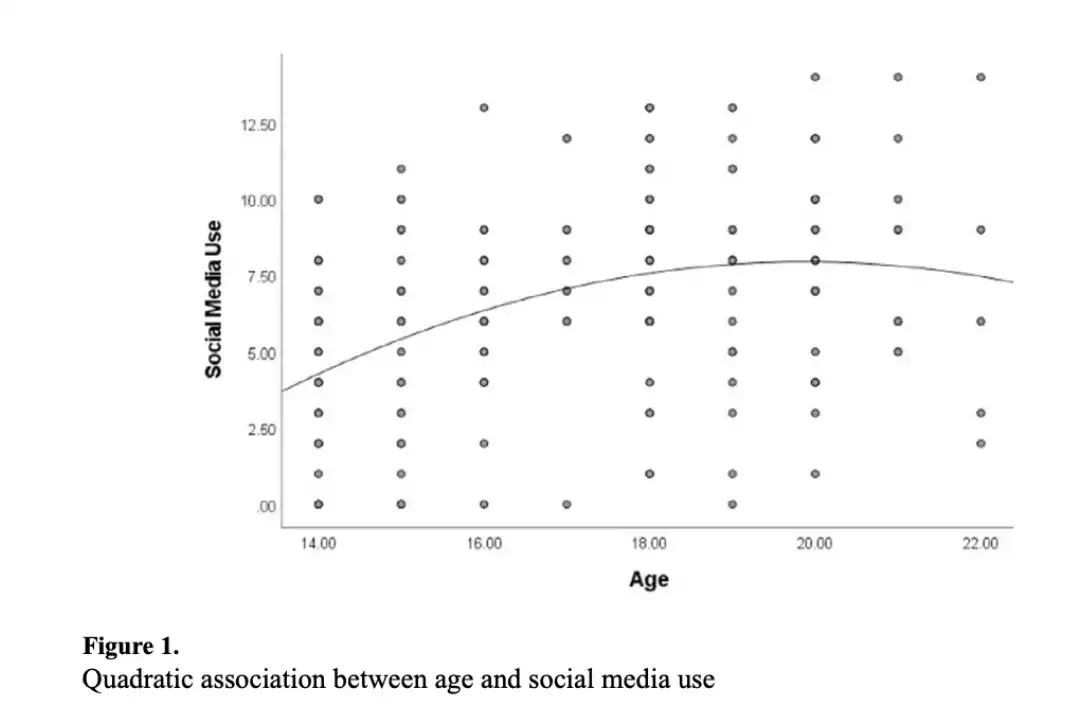
Эта тенденция приводит к очень прямому выводу: продукты, разработанные для более молодых пользователей, от природы обладают более сильной виральностью.
2. Сделайте сам продукт легким для分享, чтобы снизить маркетинговые затраты
Если у вас нет充足的 бюджета на маркетинг или рекламу, то ваш продукт сам должен扮演 роль «канала дистрибуции».
Другими словами, продукт — это маркетинг, продукт — это распространение.
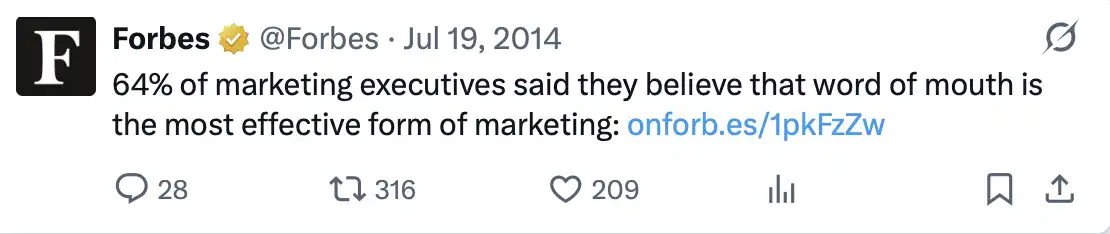
Продукт с высокой способностью к分享 может значительно снизить маркетинговые затраты.
Это особенно важно в криптоиндустрии, потому что:
· Маркетинг через KOL стоит дорого
· Уровень доверия пользователей普遍偏低
· Большинство пользователей перед участием ожидают вознаграждения или стимулов
В такой среде依赖 традиционных маркетинговых методов часто неэффективно, а естественное распространение, driven самим продуктом, более устойчивым.
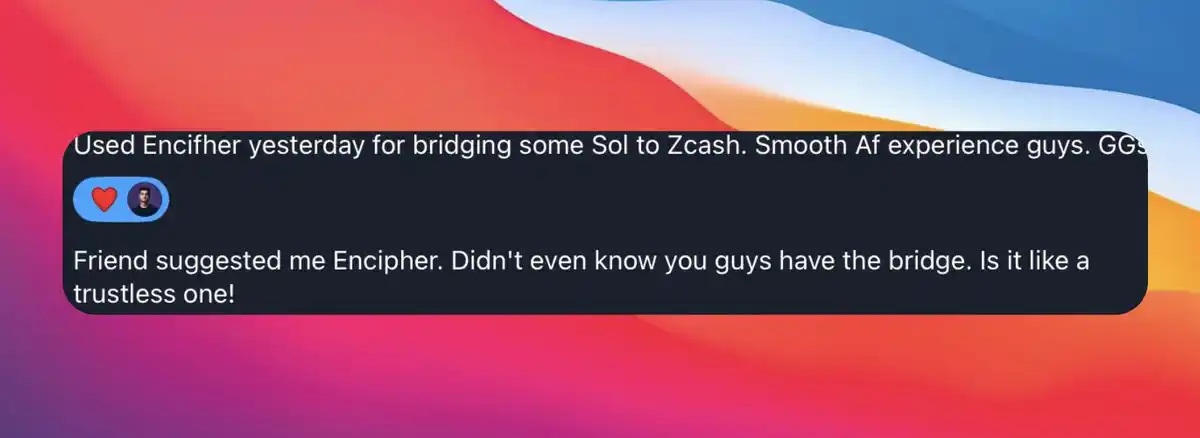
Если ваш продукт может дать пользователю повод для спонтанного分享, будь то друзьям, в группу или сообщество, вы сможете получить эффект дистрибуции без больших денежных затрат.
В криптоиндустрии это сделать непросто, но оптимизировать это с первого дня очень стоит в долгосрочной перспективе.
3. Как можно быстрее реагируйте на обратную связь пользователей
Когда пользователи сообщают о проблемах с удобством использования или сталкиваются с плохим交互体验, обязательно исправляйте это immediately, особенно те проблемы, которые напрямую блокируют процесс использования.
Раньше я оставлял исправление багов на конец дня. Но однажды один пользователь написал мне в личку: «В вашем приложении еще нет этой функции, я пока использую Y.»
Тогда я выразил понимание, но в результате этот человек后来 продолжал использовать продукт Y. Я потом多次 писал ему, пытаясь вернуть, но это было уже очень сложно — он уже сформировал привычку использования Y.
В конечном счете,一旦用户在其他产品上建立起使用习惯,成本会变得极高, чтобы заставить их переключиться обратно.
Поэтому старайтесь исправлять баги в течение 2–5 часов.
Если несколько пользователей repeatedly предлагают какую-то новую функцию, которая для них очень важна и технически реализуема:
· Завершите разработку и запустите в течение 2–3 дней
· Четко скажите им, что это выпущено на основе их обратной связи
·甚至可以给予一定的经济激励(这可能会让他们成为你产品最积极的传播者)
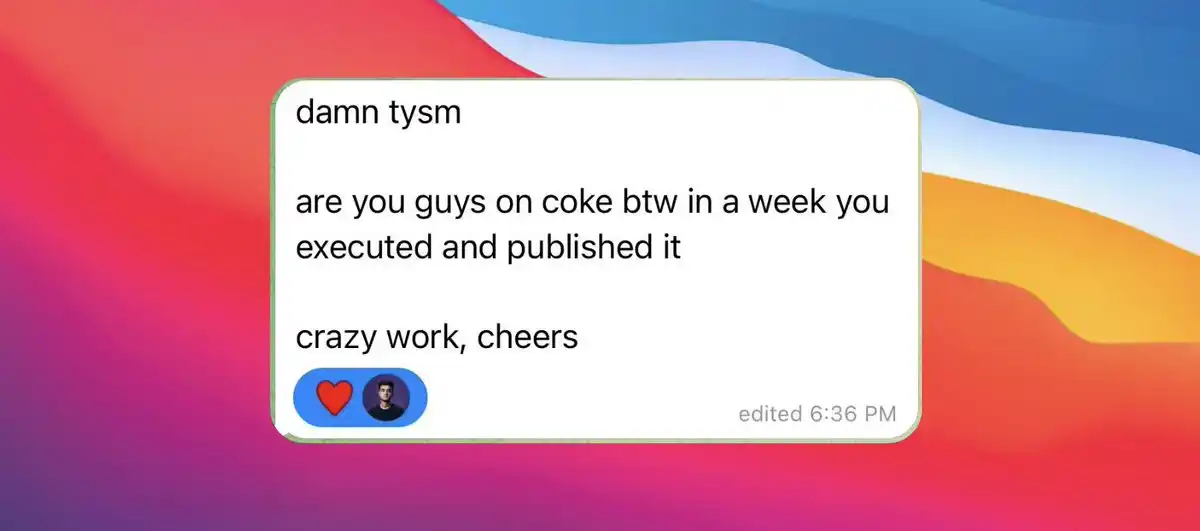
Доставка функций вокруг потребностей пользователей приносит три вещи:直接 улучшает сам продукт, повышает частоту использования пользователями, устанавливает глубокие отношения доверия
Когда пользователи видят, что их反馈 воспринимается всерьез и真正转化为 функции продукта, у них возникает чувство, что этот продукт «частично их».
Это эмоциональное «чувство собственности» чрезвычайно важно и powerful на ранних стадиях потребительского продукта.
4. Название приложения очень важно
Это может звучать элементарно, но многие — включая меня самого — совершали на этом шаге серьезные ошибки.
Название вашего приложения должно быть очень запоминающимся и достаточно легко передаваемым и分享. Иначе вы будете часто получать такие сообщения (пользователь хочет порекомендовать, но не может четко назвать).
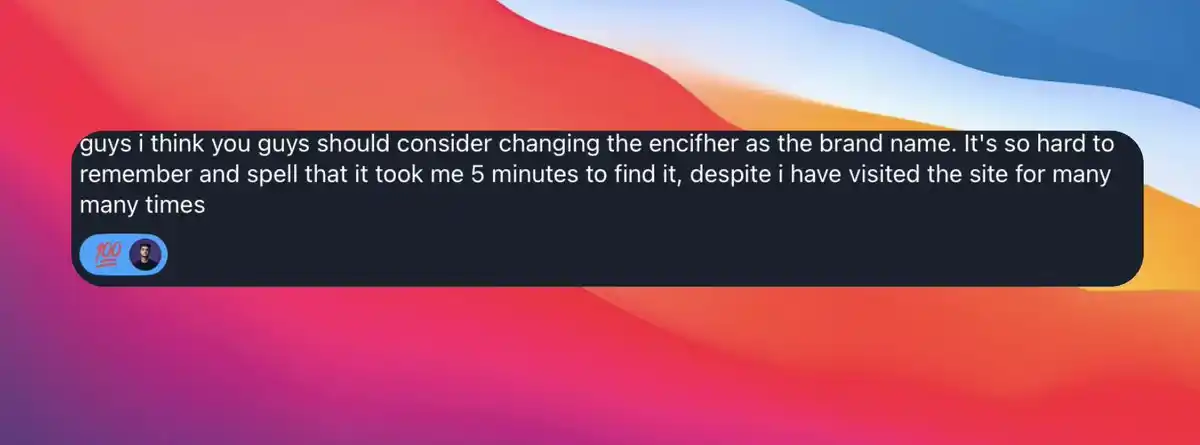
Действительно, само название «encifher» было трудно запомнить, и я действительно не могу винить пользователей.
Даже во многих чатах, созданных инвесторами или партнерами, название продукта было написано с ошибкой, сейчас вспоминаю это с горькой улыбкой.
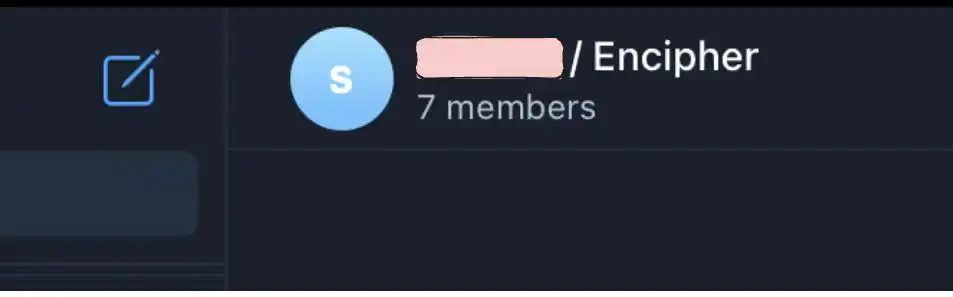
Именно поэтому мы后来 изменили название на encrypt.trade.
О том, как выбрать «запоминающееся и легко分享» название, в интернете其实 есть много готовых методов и материалов для参考.
5. Общаться с пользователями сложно, но на этом нельзя идти на компромисс
Найти пользователей и по-настоящему пообщаться с ними — это очень сложная задача, особенно когда ваше направление не входит в текущий мейнстримный нарратив.
Когда я только начинал заниматься продуктами, связанными с конфиденциальностью, это не было популярным направлением. Хотя многие розничные пользователи имели реальную потребность в конфиденциальности, они были рассредоточены, и их было трудно найти.
Поэтому я сделал то, чего большинство людей刻意 избегают: на этапе проверки идеи я主动 написал в личные сообщения почти 1000 людям (cold DM).
Если повезет,大约 из 100 человек ответят 10; а среди этих ответов真正 полезный反馈 дадут, возможно, только 3–4.
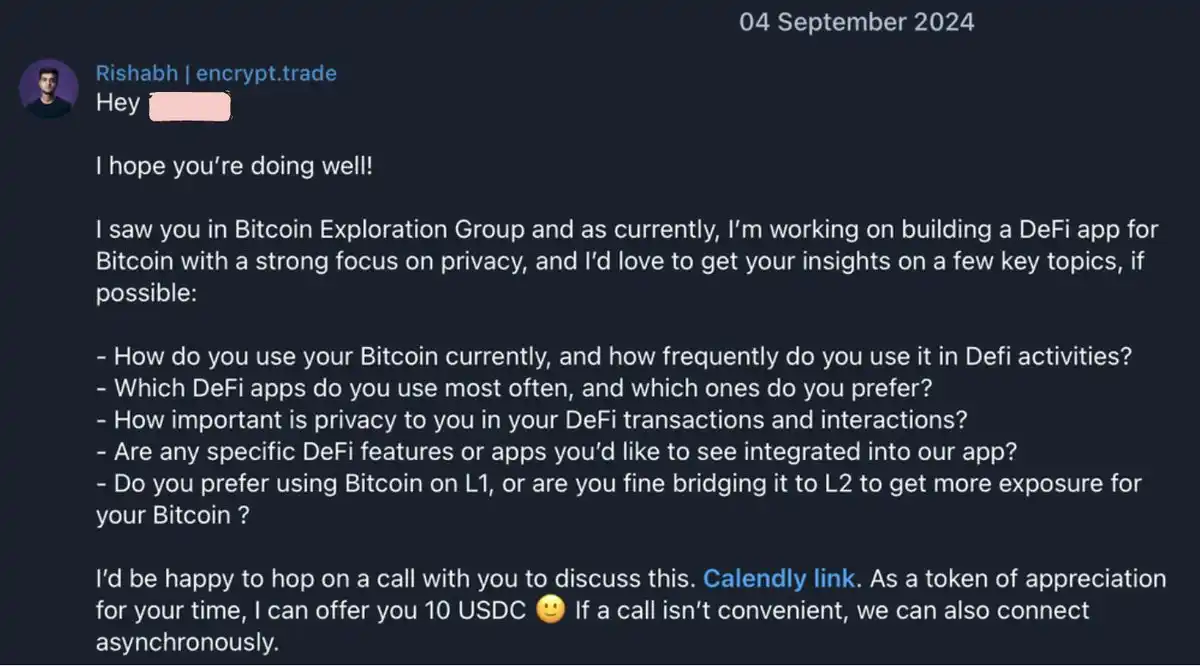
В процессе, как только кто-то проявлял哪怕 малейший интерес, я углубленно общался с ними и一边 общался с пользователями,一边 итерировал продукт.
На самом деле, cold DM — это тоже процесс, который需要不断迭代. При составлении и отправке cold DM есть несколько ключевых моментов, на которые нужно обратить внимание: начинайте с относительно «мягкого» вступления, помещайте самую весомую информацию вперед (например, статус финансирования, объем обработанных транзакций и т.д.), укажите, где вы увидели или узнали о собеседнике, сохраняйте дружелюбный, ненавязчивый призыв к действию (CTA), обязательно делайте follow-up, не ограничивайтесь одним сообщением.
Не существует «идеального cold DM». Вам нужно постоянно проводить A/B-тестирование разных версий, чтобы找出, какие方式 действительно работают для вашей целевой аудитории.
Вот шаблон cold DM较高 качества (спасибо @realsimon из @alliance), вы можете直接参考使用:
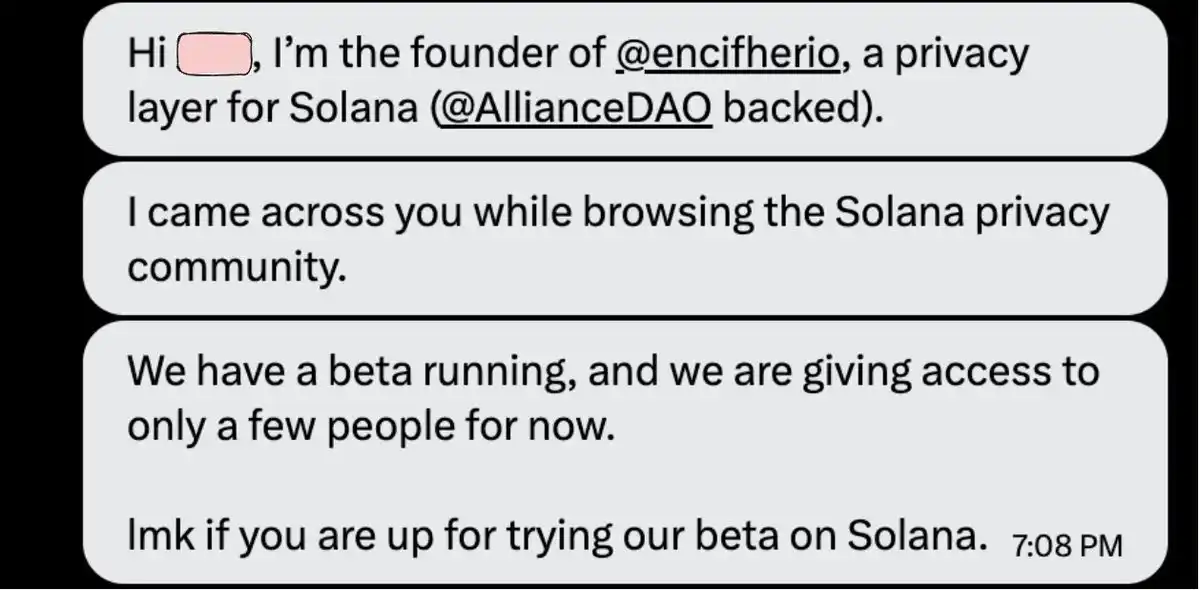
Но нужно понимать, что этот процесс进展 медленно и психологически очень истощает.
В криптоиндустрии очень мало людей, которые真正 готовы отвечать на cold DM, потому что мошенничество无处不在. Низкий процент ответов — это норма (действительно немного демотивирует).
Но даже так, вы все равно必须去做.
На этом этапе ваша цель — не получить 1000 пользователей. Ваша цель — 10–20 ранних пользователей, которые обладают следующими характеристиками:真正关心 проблему, которую вы решаете,愿意尝试 ваш продукт,能够 давать честную, прямую обратную связь
Эти ранние пользователи постепенно станут вашей системой поддержки. Ранние продукты почти обязательно будут часто ломаться, и именно эти пользователи помогут вам пережить самый уязвимый阶段.
6. Быстрая итерация
Темп в криптоиндустрии极其 быстрый. Нарративы меняются быстро, а продолжительность внимания пользователей еще короче.
Если вы создаете продукт без реальной ценности,本身就很难 привлечь внимание; даже если вы短暂 привлекли внимание без ценности, оно не продлится.
Максимум, это может принести кратковременный ажиотаж, но сам продукт не сможет выжить в долгосрочной перспективе.
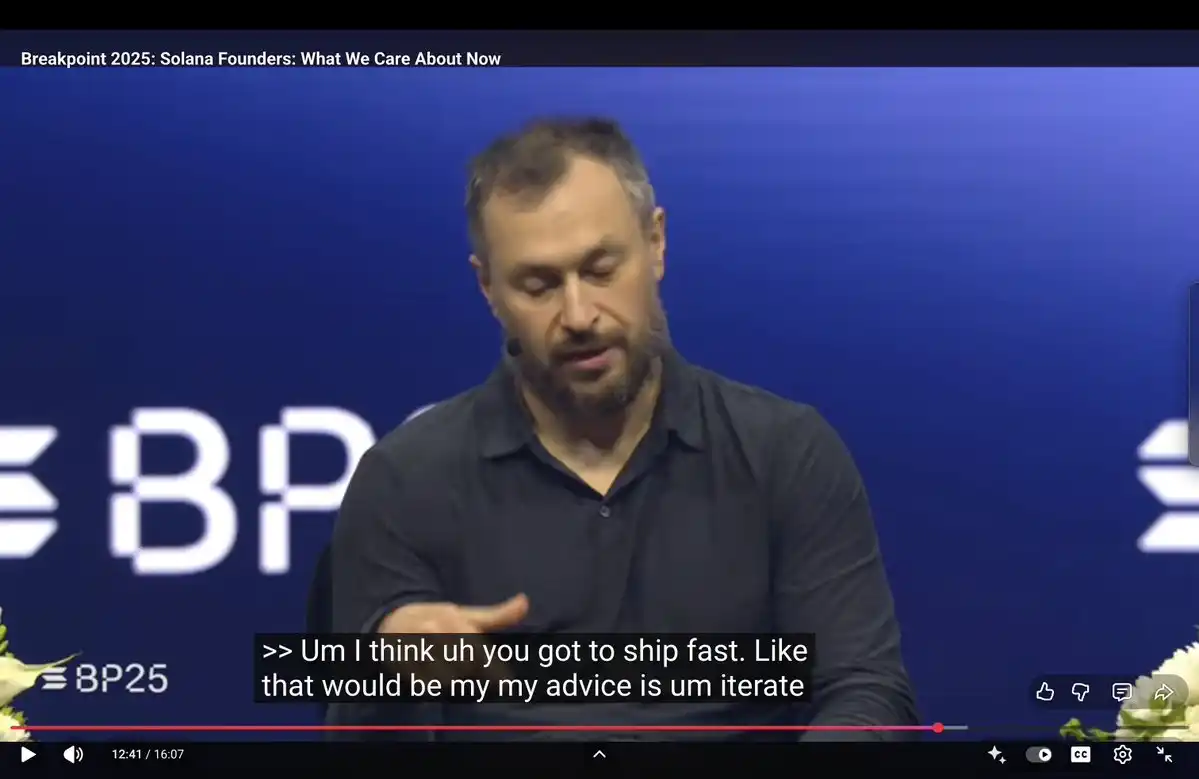
Это совет toly разработчикам на Breakpoint 2025.
Основной смысл всего три: доставляйте как можно быстрее, итерируйте часто, не бойтесь радикальных изменений
Я также усвоил очень важную вещь: пользователи не всегда прямо говорят вам, что делать дальше.
Вам нужно судить, наблюдая за их поведением: что они делают repeatedly? Какие обходные пути或 временные решения они используют? За что они уже готовы платить?
Многие идеи звучат разумно, но большинство пользователей未必 готовы за них платить.
7. Пожалуйста, сделайте ваш сайт «интуитивно понятным для чайников»
Я не знаю, почему это нужно反复 подчеркивать, но还是要 сказать: «Не делайте никаких предположений о пользователях.»
Если вы думаете, что пользователь должен понять, то вы ошибаетесь. То, что очевидно для нас, разработчиков, вложивших сотни часов в создание продукта, для пользователя, впервые接触产品, совершенно незнакомо.
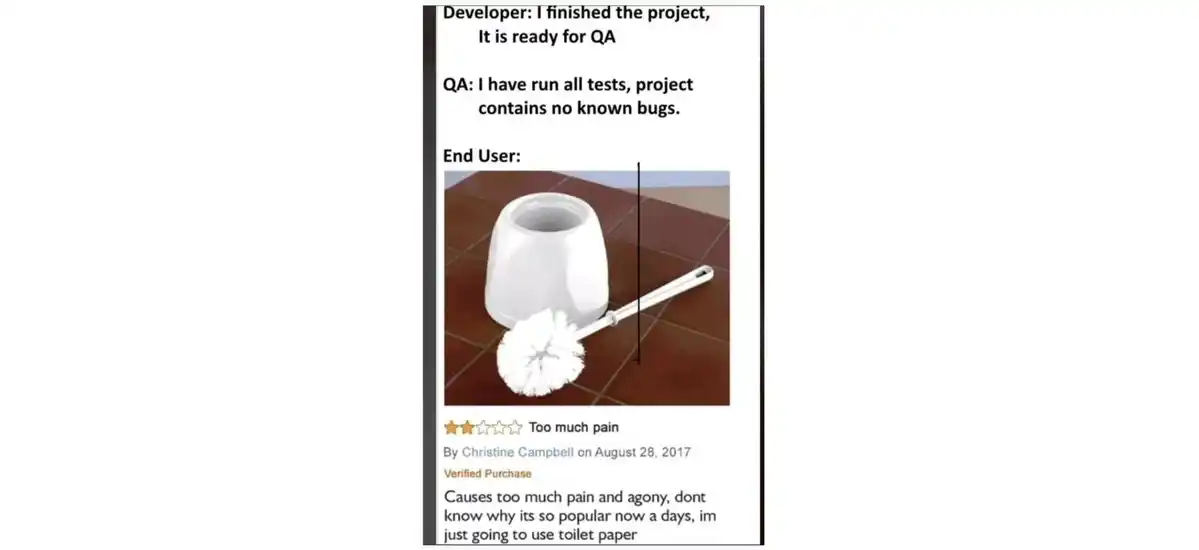
Не вводите никаких новых концепций或 процессов操作. Используйте только простые,熟悉的东西, которые действительно облегчают жизнь пользователям. Путь клика должен быть максимально精简,用户在进入应用后的 5 секун内,就应该能够看到、理解或感知到产品的价值(这一点我们仍在持续优化中).
Я не могу приложить скриншот, но я получал много личных сообщений, где пользователи полностью误解ли назначение какой-то функции.
Заключение
Создание потребительских криптопродуктов — это и интересно, и полно вызовов.
Скорость, максимальная ориентированность на пользователя и способность к дистрибуции往往 важнее, чем «идеальная технология».
Это очень отличается от B2B-продуктов, но я все же считаю, что это правильный выбор, который мы сделали.
Эта статья и так уже достаточно длинная, опыт по привлечению финансирования я оставлю для следующей части. В конце концов, просто используйте encrypt.trade :)
Если этот текст нашел у вас отклик, или вы тоже создаете потребительский криптопродукт и хотите поговорить о GTM, дистрибуции или самом продукте, welcome написать мне в личку.
Мне всегда乐意 пообщаться с другими основателями и разработчиками.



















