This Time, OpenAI Eliminated 90% of Human Designers

marsbitОпубликовано 2026-04-23Обновлено 2026-04-23

Введение

OpenAI's latest release, GPT-Image 2, marks a paradigm shift in AI-generated imagery, moving beyond aesthetic quality to logical reasoning and contextual understanding. The model introduces a "thinking mode," where it performs background reasoning—such as mathematical calculations and geographic knowledge—before generating images. This enables highly accurate and context-aware outputs, like a livestream overlay showing precise distance metrics or a brand-aligned poster design. The model excels in rendering Chinese text with remarkable accuracy and aesthetic quality, a significant improvement over previous versions. It supports multi-turn conversational editing via the new Responses API, allowing iterative refinements similar to chatting with a large language model. While GPT-Image 2 demonstrates unprecedented capabilities in commercial applications like marketing material and illustration—potentially displacing many human designers due to its cost efficiency—it still has limitations. Minor artifacts in fine text details persist, and complex prompts can cause extended processing times. Additionally, the technology raises ethical concerns around deepfakes and digital trust. Overall, GPT-Image 2 transitions AI image generation from a novelty to a powerful production-ready tool, redefining industry standards and pushing the boundary of what’s possible in visual AI.

By Silicon-based Spark

That famous Sam Altman meme has now come true for everyone.

Last year, while promoting GPT-5, the OpenAI CEO said something that later became an internet sensation: "The feeling is like witnessing an atomic bomb explosion, leaving one dizzy and collapsing." Since then, whenever the AI community releases a new product with exaggerated marketing copy, this meme gets dragged out and ridiculed repeatedly.
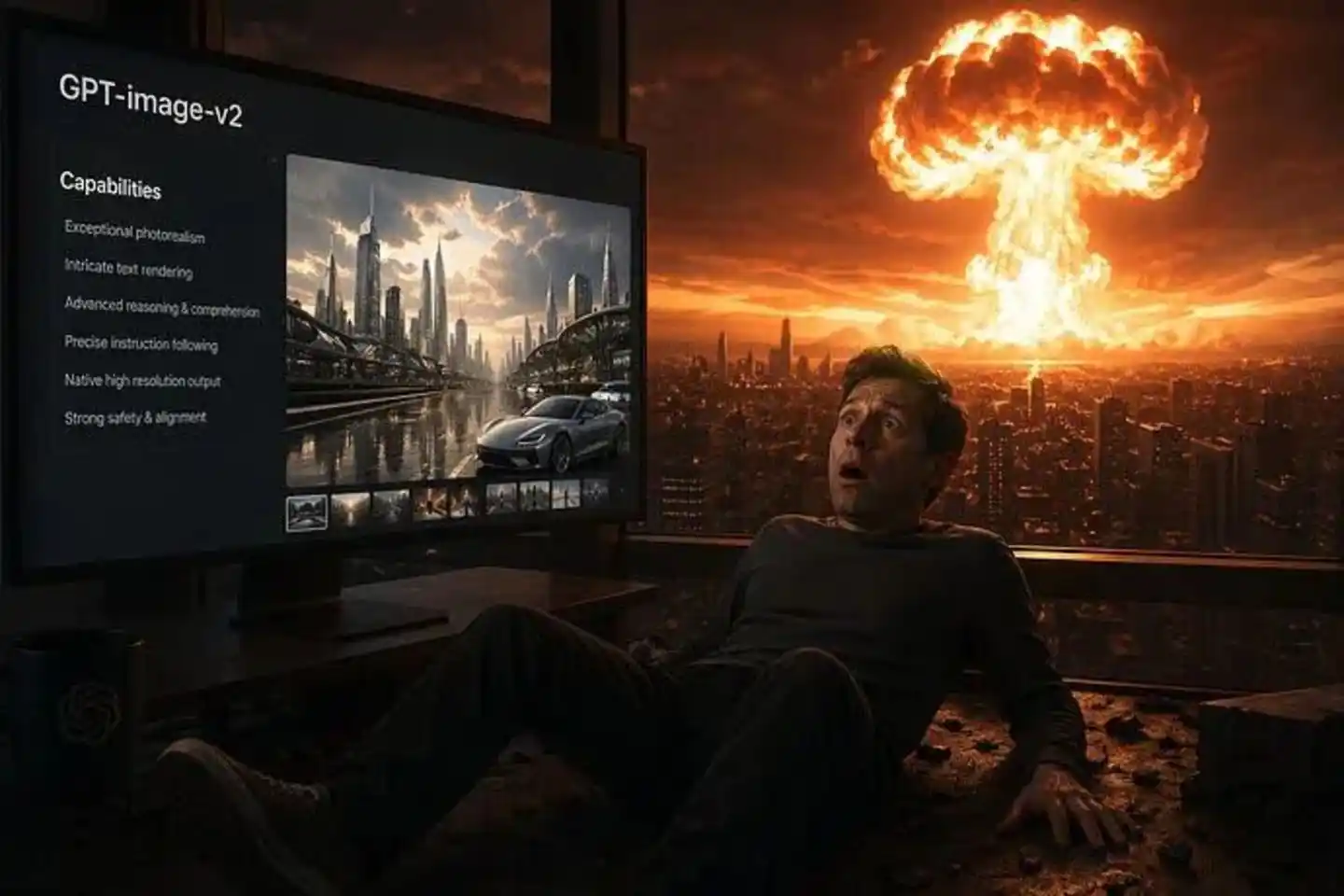
But late the night before last, it wasn't Altman who was left dizzy and collapsing. This time, it was all the users staring at their screens waiting for OpenAI to play its hand.

Altman, as usual,故作神秘故作神秘 (played it coy故作神秘故作神秘), posting a tweet: "We've prepared something fun."
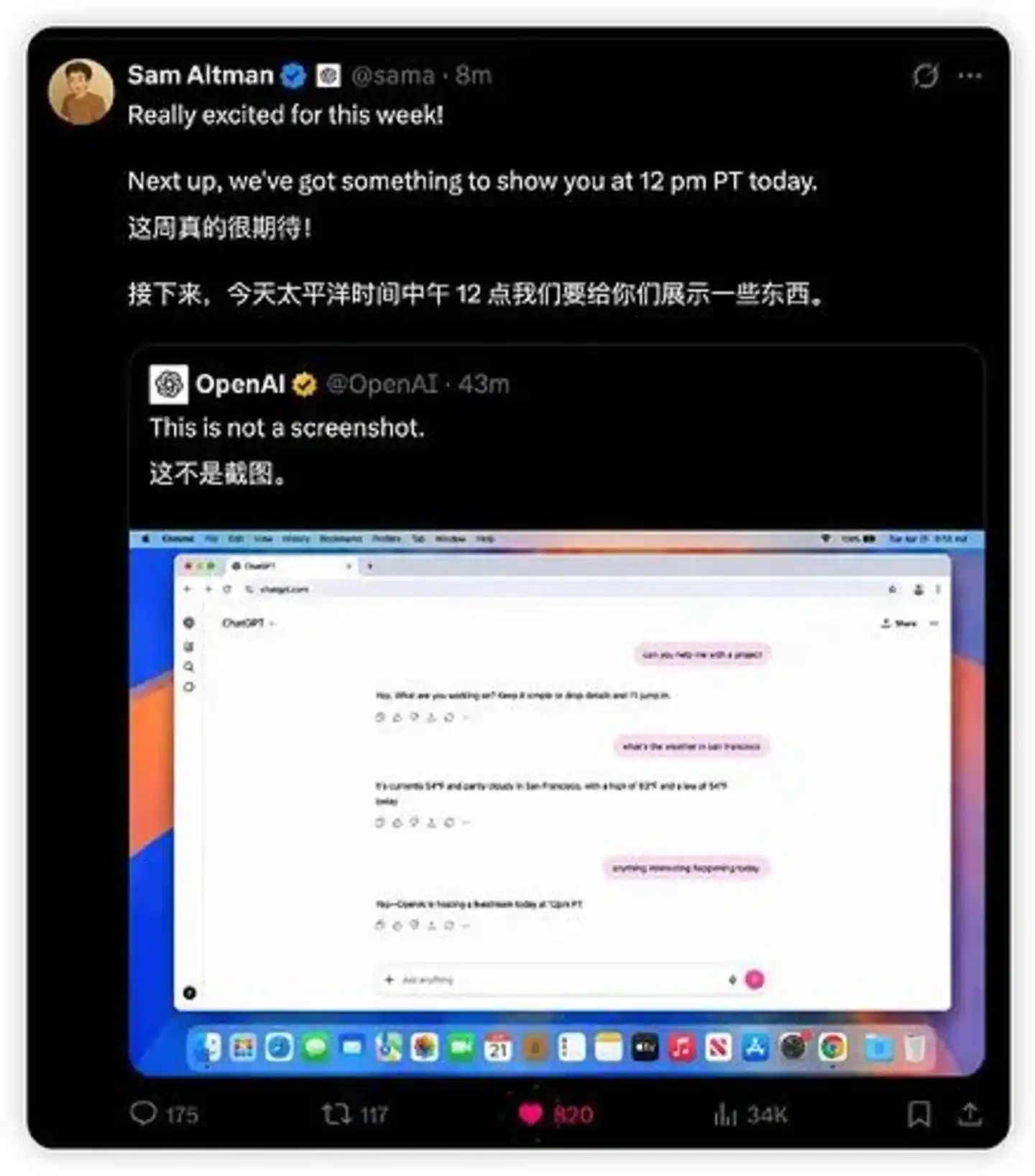
By 3 a.m., GPT-Image 2 was released. The global AI community exploded.

"Images are a language, not decoration."

This is the first sentence written on OpenAI's release page. Translated, it means one thing: from today, images are no longer just decorations; they are a language in themselves. This is a declaration of a generational leap for the entire computer vision industry.

For the past year, AI image generation was stuck in the aesthetic quagmire of "does it look realistic?" The arrival of GPT-Image 2 directly pressed the switch—AI image generation officially entered the intelligence exam hall of "is the logic correct?".

The precision of this model can be described as "terrifying."

It topped both the text-to-image and image editing rankings on Artificial Analysis, and its practical performance is crushing.

The feeling is like when Seedance 2.0 arrived in the video generation field—it long ceased being just an auxiliary tool for humans; it is defining the new industry standard.

Note: All images in this article are generated by GPT-Image 2. The image content is purely fictional.

01  The Awakening of the Thinking Engine

In the past, the primary standard for judging an image model was how much it resembled a real person or a reference object.

In the face of this monster, GPT-Image 2, that standard is obsolete. Completely obsolete.

The core breakthrough of the new model is this: it is an image model that supports a thinking mode.

What does that mean? After the user inputs a prompt, the model doesn't simply denoise and stitch pixels. It first completes a round of thinking and modeling in the background, *then* it starts drawing.

A test image leaked from the Linux.do community best illustrates the point. The model simulated a live stream of Lei Jun running:
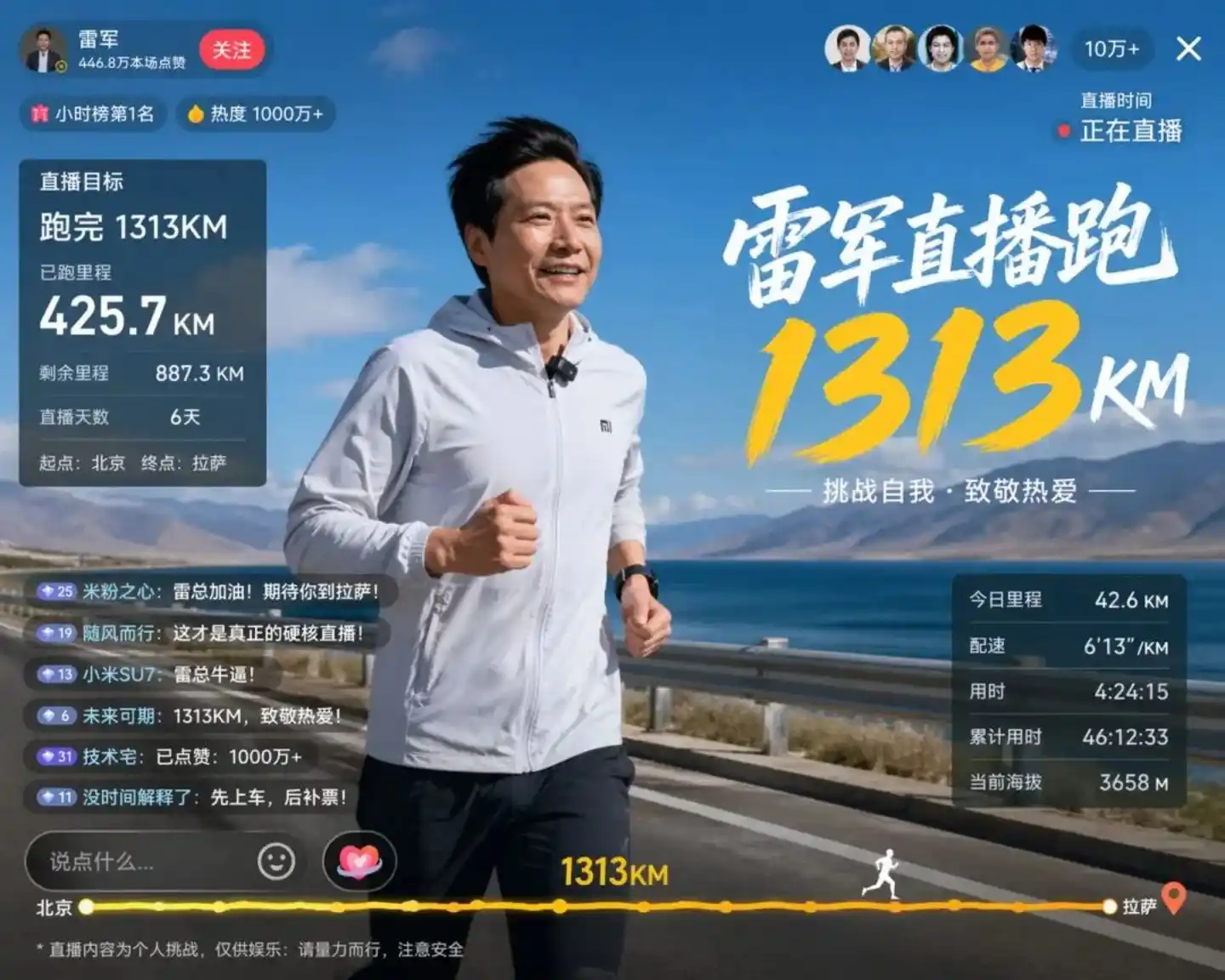
Image source: https://cdn3.linux.do/original/4X/0/f/3/0f37c8bc968e3d563cc6100d8e7f80ee305661ff.jpeg

This image made many developers gasp. Lei's facial features are accurately reproduced—almost like a photo—the image clearly shows: Live stream target 1313km, Distance run 425.7km, Remaining distance 887.3km. Even more impressive, the current altitude is marked as 3658m.

What does 3658m mean? From Beijing to Lhasa, the typical altitude upon entering the Tibetan region is precisely this number.

In human eyes, this is simple arithmetic and common geographical knowledge. But think about it: For an image model, what does the triple unification of mathematical logic + geographical常识 (common sense) + UI specifications mean?

The conclusion is straightforward: Before generating the first pixel, GPT-Image 2 had already completed a round of reasoning. It understood the meaning of "distance," understood the logical relationship of addition and subtraction, and also understood the visual characteristics of high-altitude areas.

This isn't drawing. This is thinking.

02  From Toy to Productivity Tool

In the face of this capability, everyone's attitude towards image models needs to change.

It's long ceased to be a toy for drawing avatars or making wallpapers. It has stepped over the "usable" threshold and rushed directly into the "easy to use" zone—a tool that can be thrown into commercial scenarios to get work done.

Take poster design. GPT-Image 2's composition aesthetics, light and shadow processing, and grasp of brand tone have undoubtedly reached a height that the vast majority of ordinary human designers find difficult to achieve.

Image source: https://cdn3.linux.do/original/4X/7/a/1/7a12ccd6b745be5ad8828eb0ac225d218fb43cbc.jpeg

In human society, hiring a senior graphic designer to create a commercial-grade poster often entails significant communication costs, time costs, and design fees of over a thousand yuan, which can be a heavy burden for small and medium-sized enterprises.

However, with GPT-Image 2, even if you are unsatisfied and need to adjust dozens of times, the cost is only a few dollars.

In fields like poster design, marketing materials, and illustration, what users care about is not "realism," but "is it good-looking, is it accurate." Precisely because of this, AI's replacement efficiency is devastating.

In the synchronously updated developer documentation, there is also an exciting detail hidden: the sample code frequently appears model: "gpt-5.4".

The thinking mode combined with the flagship model hints at one thing: GPT-Image 2 is by no means an isolated product. It is the visual terminal born for the next generation of large language models.

Through the new Responses API, the image generation process will interact as naturally as chatting with a large language model. The model adds a function that allows for multi-turn conversational modifications. After the initial image generation, users can propose various instructions that give human designers high blood pressure for modifications.

Through the new Responses API, the image generation process will interact as naturally as chatting with a large language model. The model adds a multi-turn conversational modification function. After the first version is generated, users can propose various instructions that would send a乙方 (Party B) designer's blood pressure soaring: "Make the background a bit darker." "Move the logo a few pixels to the side."

These interactive real-time modification demands are precisely the most tedious and patience-consuming parts of a designer's daily work. Now, they are solved.

03  The Pinnacle of Chinese Rendering

Although GPT-Image 2 is a foreign model, domestic users are overwhelmingly positive.

There's only one reason: Its support for Chinese characters is nearly perfect.

In the community's actual test return images, you can see the famous debate scene between Luo Yonghao and Wang Ziru:
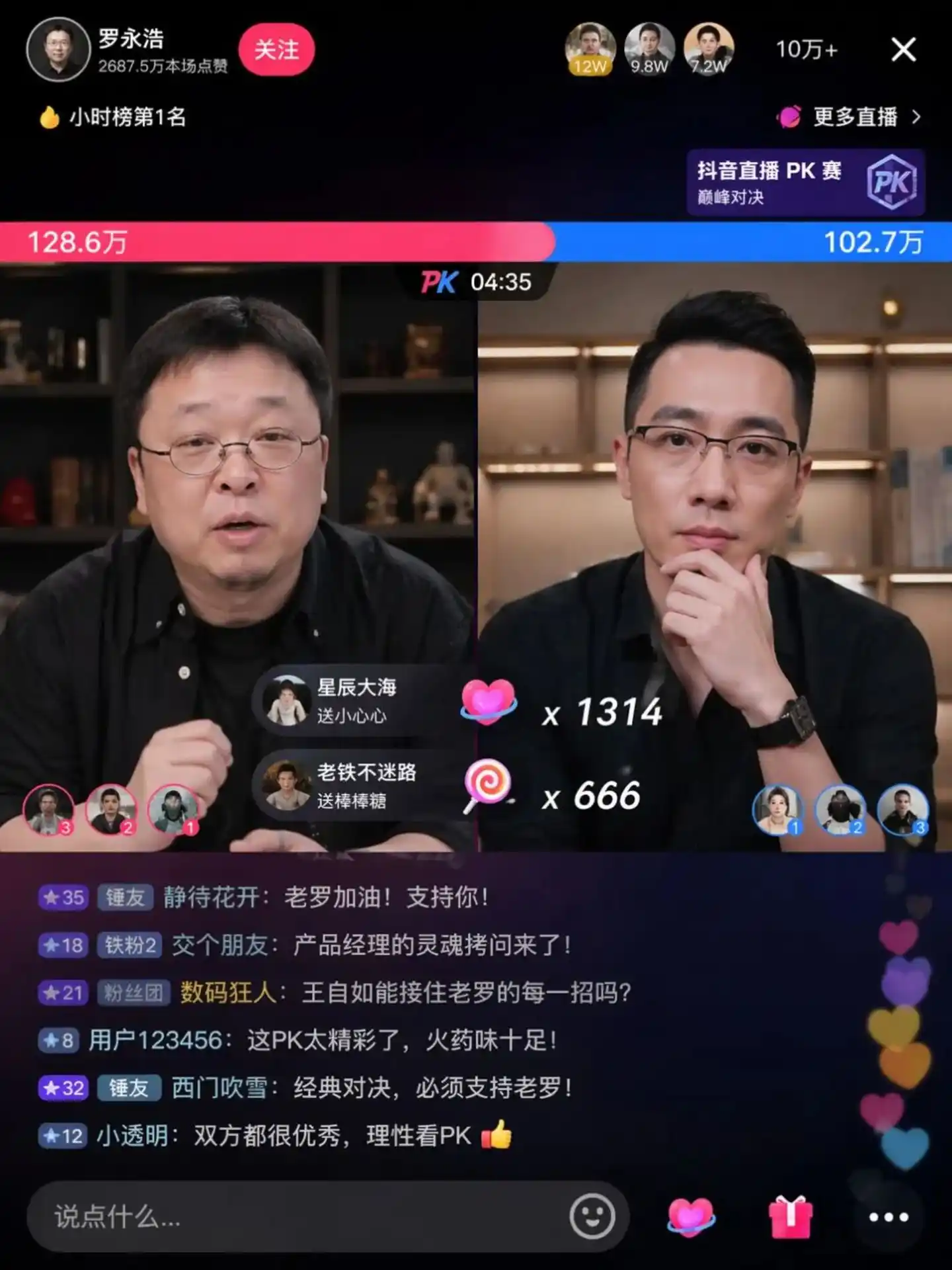
Image source: https://cdn3.linux.do/original/4X/0/9/7/097ed46991d2464442aebc6b1076a292cc839fec.jpeg

You can see Elon Musk live-streaming sales of Lao Gan Ma chili sauce:
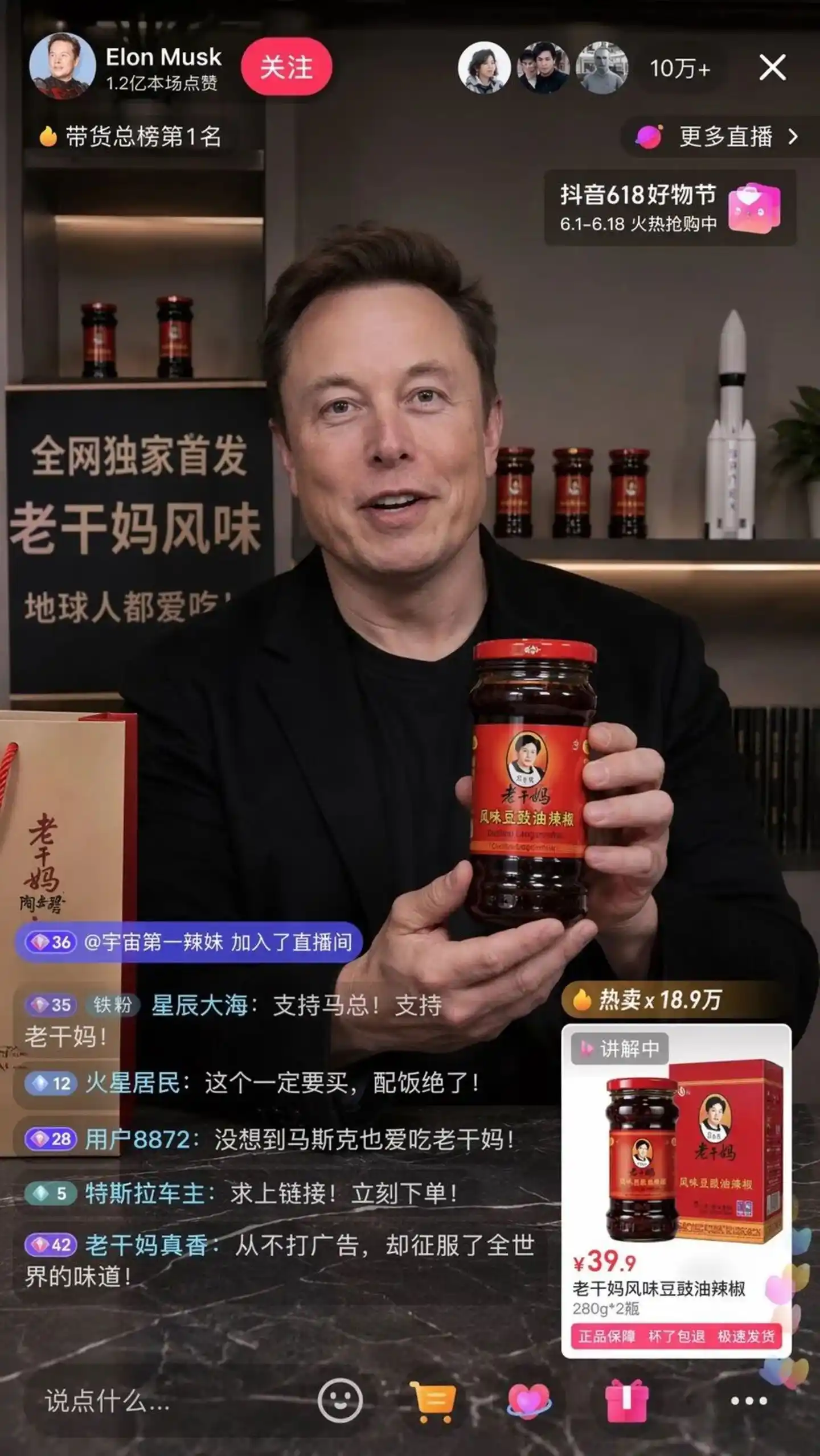
Image source: https://cdn3.linux.do/original/4X/2/f/a/2fa77cf040e6337643829df4ec5ca6467d2866b2.jpeg

You can even see a doctor's prescription:
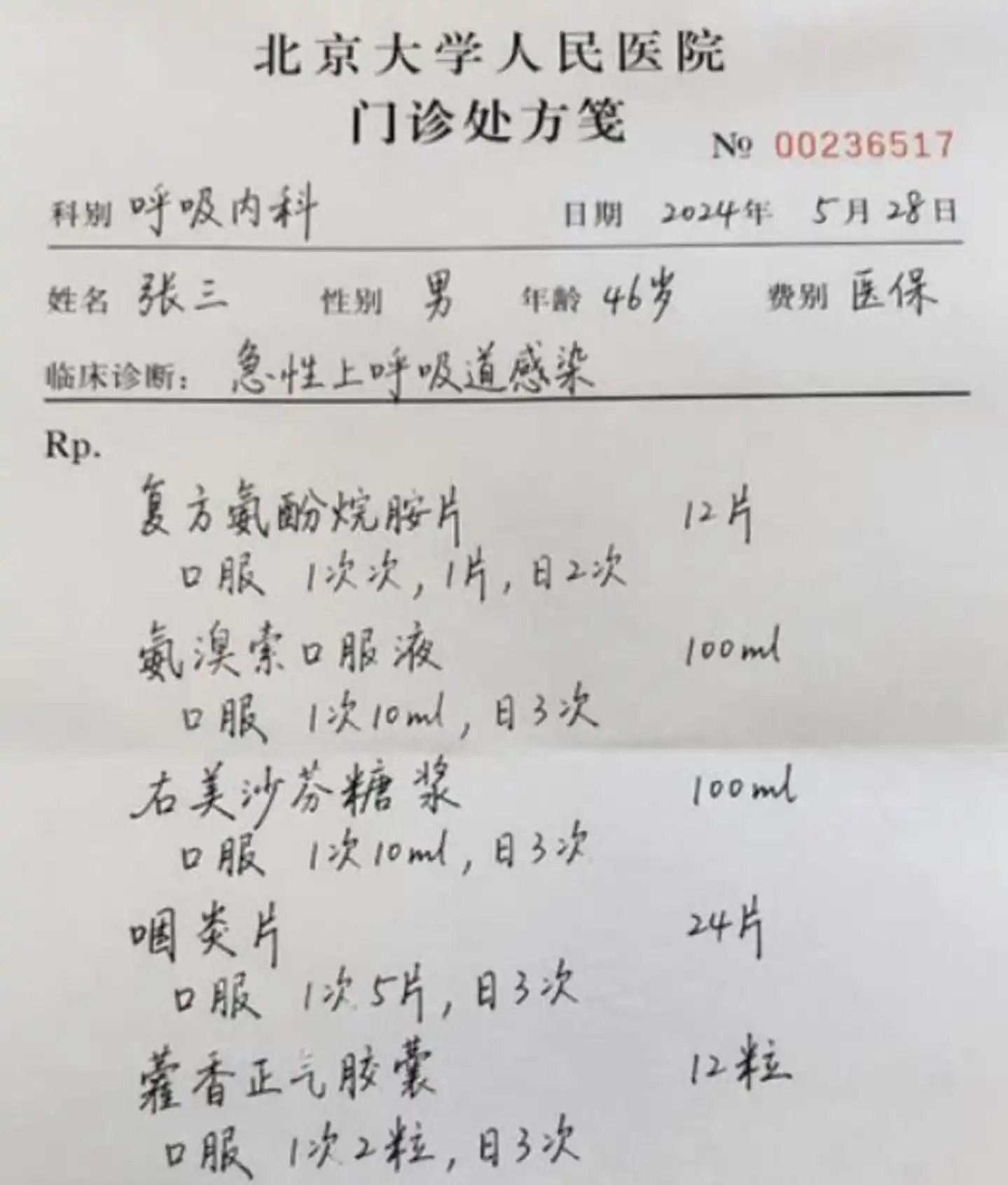
Image source: https://cdn3.linux.do/original/4X/9/f/f/9ffeab83675648b43116cd0763f6c8b560611ae6.jpeg

The text in these images is no longer crooked,胡乱拼凑的 (haphazardly拼凑的) "pseudo-Chinese characters," but mature design drafts possessing calligraphic charm, typographical hierarchy, and排版 (layout) artistry.

Clearly, OpenAI has injected a massive amount of Chinese language image data into the training set and conducted targeted intensive training.

Compared to the previous generation model, GPT-Image 2's power is even more淋漓尽致地 (thoroughly) evident.

In comparative tests, the previous generation model, version 1.5, could draw something resembling a recipe, but upon closer inspection, the text was almost all gibberish.
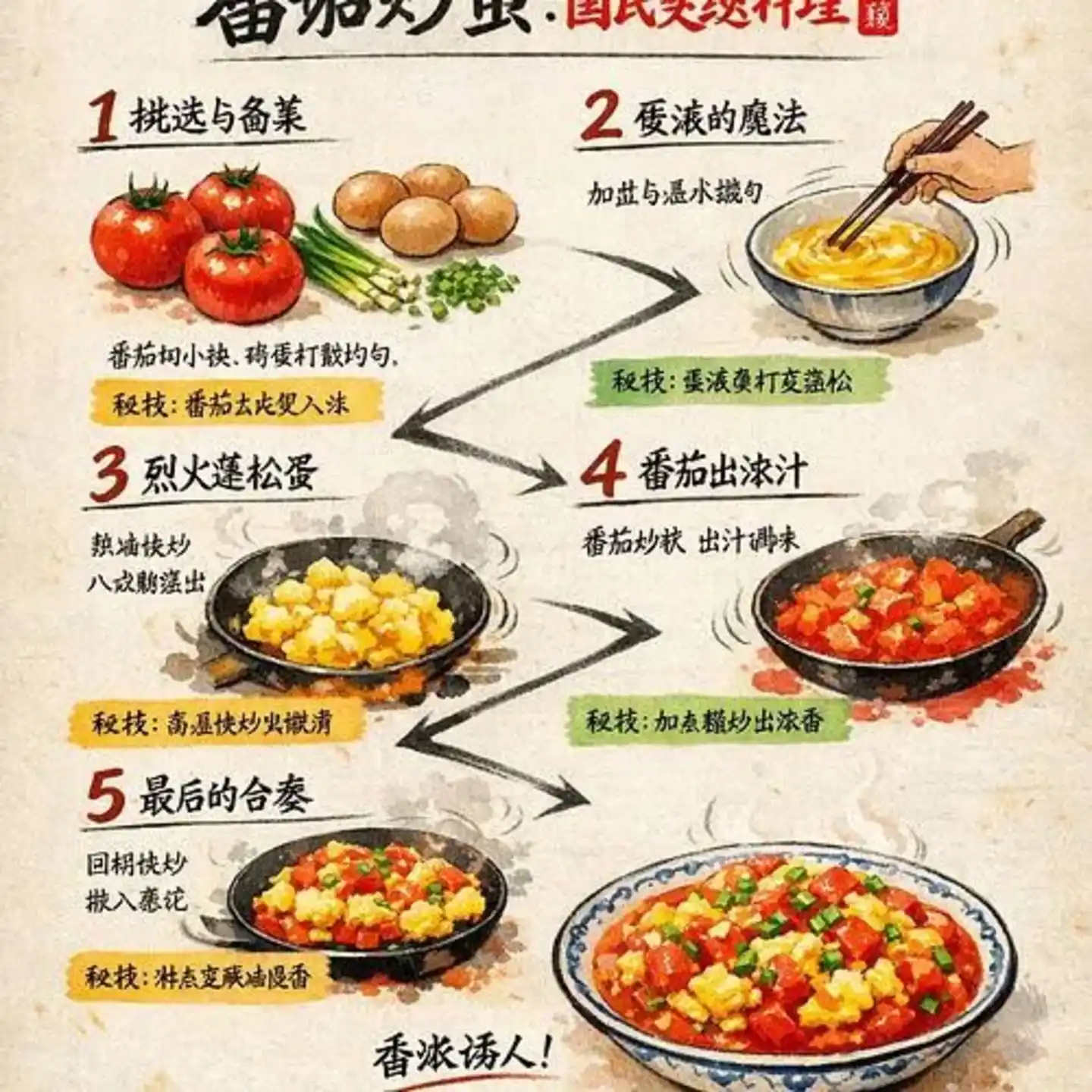
Image source: https://cdn3.linux.do/optimized/4X/2/b/3/2b38f3c1a134515d564f07f81661c0bd9578c6b9_2_750x750.jpeg

But the same recipe generated by GPT-Image 2 shows a milestone breakthrough in text clarity and aesthetics.
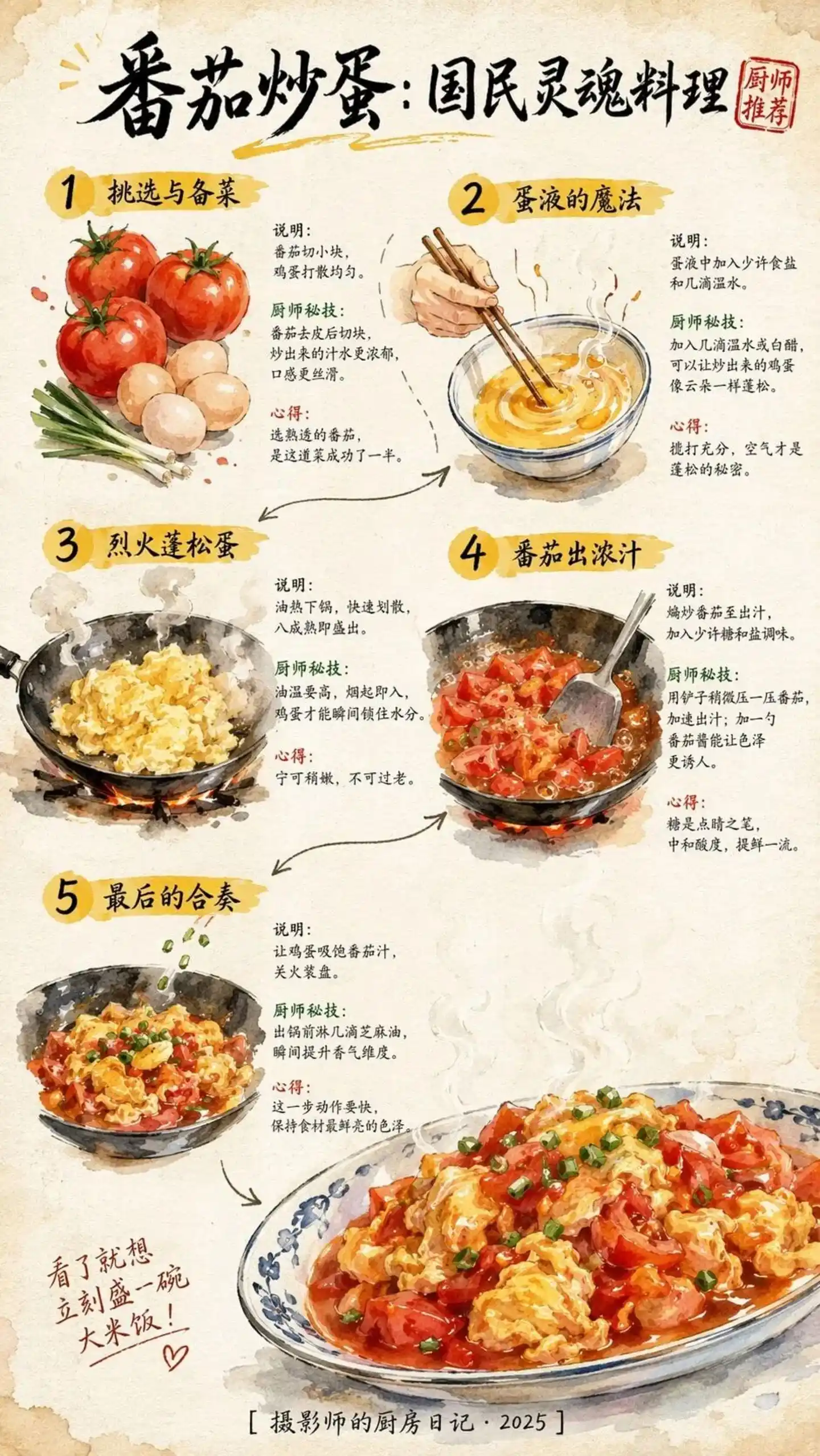
Image source: https://cdn3.linux.do/original/4X/0/2/5/02513b10135d824ccb1c22bd0c7eb441f1e34455.jpeg

For prompts with over a hundred Chinese characters, the five steps are still clearly visible, and the图文一致性 (text-image consistency) is satisfactory. This isn't just an image; it's a reproducible practical guide.

However, this also raises an interesting technical question: Has the image model really completely solved the gibberish problem?

My judgment is: Probably not.

Large language models generate tokens based on semantic logic. During the reinforcement learning phase, it's based on probability; the higher the quality and quantity of the training data, the more logical the output. But the essence of an image model is, after all, pixel generation. The logical relationship between pixels is fundamentally different from the logical relationship between words.

In other words, as powerful as GPT-Image 2 is, it does not truly "understand" the rules of text. It has merely memorized the pixel-level appearance of text by rote.

An image of doing business with Altman暴露 (exposes) this point: The large characters "Mengniu" and "Wanglaoji" on the two boxes of drinks are written perfectly, but the small text below is still模糊的色块 (blurry color blocks).
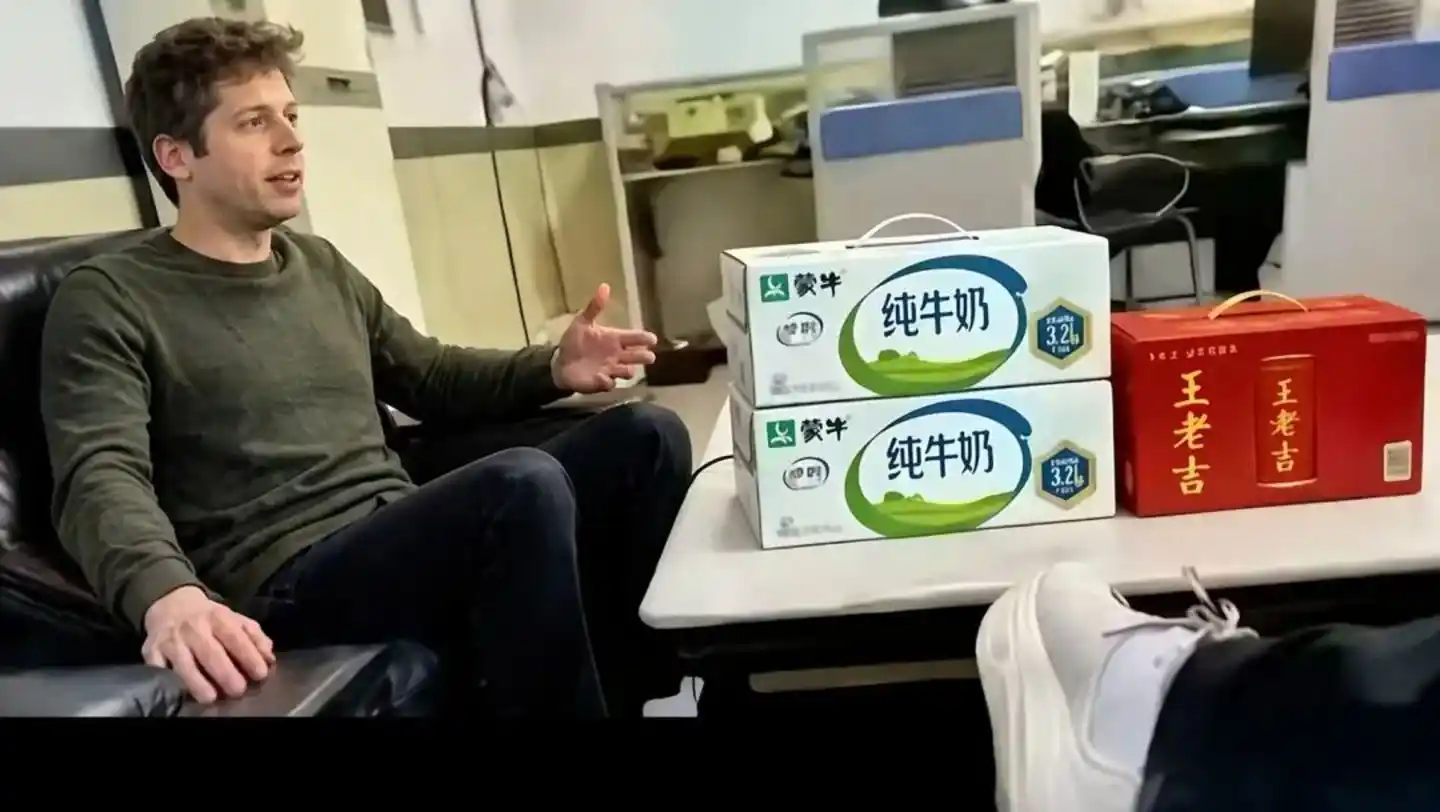
Image source: https://cdn3.linux.do/original/4X/d/7/c/d7c4fb063202bcbf56b9ca0623aa0ce6fc26e542.jpeg

Under the current technical paradigm, the generation logic is still "arrange by pixels," which is fundamentally different from "render by characters." Extremely subtle gibberish may never be completely eradicated.

But that said, for over 90% of commercial application scenarios, this is already sufficient.

04  Un-deified Flaws and Boundaries

Even though it already sits on the world's number one throne, GPT-Image 2 also has its clumsy side.

Actual tests found that because the thinking mode calls for web searches and performs logical reasoning, when processing extremely complex fictional tasks, the model occasionally falls into a logical loop—thinking for nearly 40 minutes and still unable to answer.
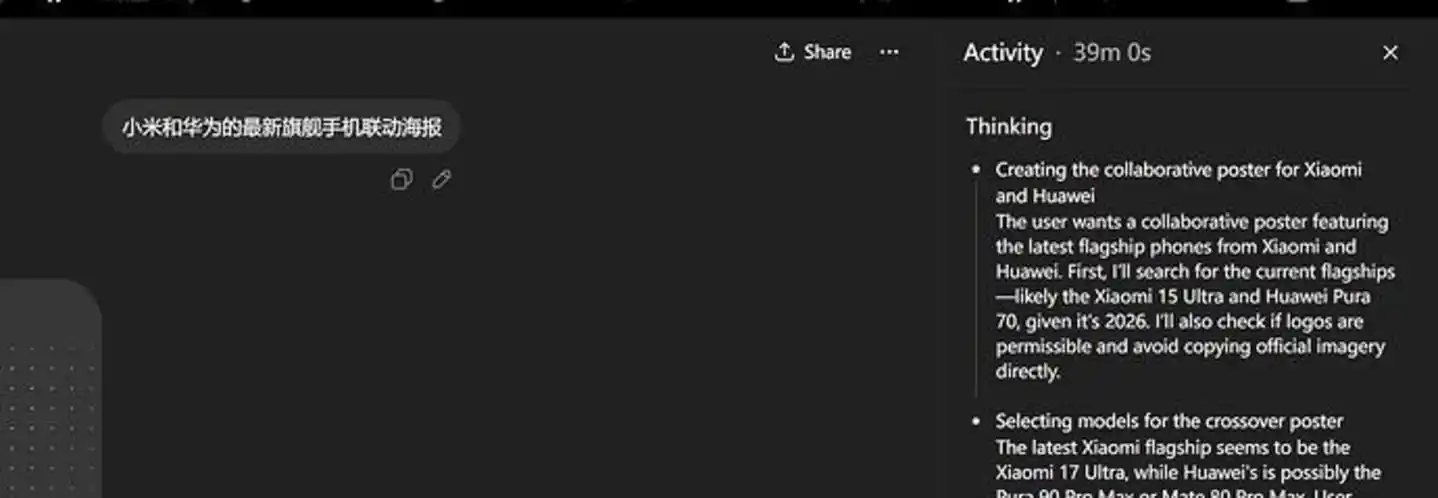
At the same time, the API's claimed support for 2K甚至 (even) 4K resolution implies extremely high token consumption and latency.

For ordinary users, how to balance ultimate image quality with response speed will be a required course for future use.

In the field of technology, powerful capability is always a double-edged sword.

Whether it's image models or video models, they inevitably face the ethical challenges of deepfakes.

In most current test cases, the AI generates images of well-known figures, but if they are replaced with ordinary people who have posted photos on various social media platforms, it is already extremely difficult to distinguish the fake from the real without knowing the person.

Apart from the occasional gibberish in the background that might give the AI away, the human body itself has no flaws left.

Therefore, those fields that once required real people are facing an unprecedented crisis of trust.

The release of GPT-Image 2 has moved image generation models from toys to productivity tools.

In the past, people used AI for inspiration, but now AI is beginning to尝试接管 (attempt to take over) the entire process from conception, calculation, typesetting, to finished product.

For design practitioners, this is an era filled with FOMO (Fear Of Missing Out).

But for those who are good at using tools, possess product aesthetics, and logical thinking, this is also the best of times.

Images are beginning to learn to think,文字不再是像素的杂音 (text is no longer the noise of pixels).

People may truly be only one step away from that visual singularity of所思即所得 (what you think is what you get).

Связанные с этим вопросы

QWhat is the core breakthrough of GPT-Image 2 according to the article?

AThe core breakthrough is that GPT-Image 2 is an image model with a thinking mode. It performs reasoning and logical modeling before generating pixels, understanding concepts like mathematical operations, geographical常识, and UI specifications, rather than just denoising or stitching pixels.

QHow does GPT-Image 2 impact the commercial design industry, particularly for small and medium enterprises?

AGPT-Image 2 significantly reduces costs and time in commercial design. For tasks like poster design, marketing materials, and illustrations, it achieves a level of aesthetic and brand alignment that is difficult for many human designers to match. The cost for generating or iterating designs is only a few dollars, compared to the high fees and communication overhead of hiring human designers.

QWhat is notable about GPT-Image 2's handling of Chinese text and characters?

AGPT-Image 2 demonstrates exceptional support for Chinese text, generating clear, well-rendered characters with calligraphic nuance and proper typography. It avoids the garbled or nonsensical text common in previous models, thanks to extensive training on Chinese language image data.

QWhat are some limitations or challenges mentioned for GPT-Image 2?

ALimitations include occasional logic loops when handling highly complex fictional tasks, leading to long processing times (e.g., 40 minutes of思考 without output). It also has high token consumption and latency for 2K/4K resolutions, and it may still produce subtle garbled text in fine details, as it generates pixels rather than truly understanding character rendering.

QWhat ethical concern does the article raise regarding advanced image models like GPT-Image 2?

AThe article raises concerns about deepfakes and ethical challenges. The model can generate highly realistic images of people, making it difficult to distinguish AI-generated content from real photos, which could lead to trust crises in fields requiring authenticity, such as personal identity verification or media integrity.

Похожее

Yao Shunyu's 88 Days

Yao Shunyu, a 27-year-old AI expert with a background from Princeton and OpenAI, joined Tencent in September 2025. Within 88 days, he led a major overhaul of Tencent’s AI strategy and organization, resulting in the release of Hunyuan Hy3 preview—a MoE model with 295B total parameters and 21B active parameters, supporting up to 256K context length. The launch came after Tencent leadership, including CEO Ma Huateng and President Martin Lau, openly criticized Hunyuan's earlier underperformance—citing slow development, over-reliance on superficial benchmark optimization, and poor generalization in real-world applications. Internal adoption was low, with key business units like WeChat and gaming seeking external AI solutions. Yao reshaped Tencent’s AI approach by integrating previously siloed teams, dissolving the ten-year-old Tencent AI Lab, and establishing new units focused on AI infrastructure and data. Hy3 preview was developed using co-design principles, closely aligned with product teams to ensure practical usability from the start. It has already been integrated into core products like Yuanbao, QQ, and enterprise tools. The release signals a shift from chasing rankings to building usable, scalable AI grounded in Tencent’s ecosystem. While external partnerships (like with DeepSeek and OpenClaw) helped retain users temporarily, the focus is now on making Hunyuan a reliable internal foundation. The real test lies in sustaining this new organizational momentum amid fierce competition from Alibaba, DeepSeek, and others.

marsbit2 ч. назад

Yao Shunyu's 88 Days

marsbit2 ч. назад

Торговля

Спот
Фьючерсы

Популярные статьи

Как купить MEME

Добро пожаловать на HTX.com! Мы сделали приобретение memecoin (MEME) простым и удобным. Следуйте нашему пошаговому руководству и отправляйтесь в свое крипто-путешествие.Шаг 1: Создайте аккаунт на HTXИспользуйте свой адрес электронной почты или номер телефона, чтобы зарегистрироваться и бесплатно создать аккаунт на HTX. Пройдите удобную регистрацию и откройте для себя весь функционал.Создать аккаунтШаг 2: Перейдите в Купить криптовалюту и выберите свой способ оплатыКредитная/Дебетовая Карта: Используйте свою карту Visa или Mastercard для мгновенной покупки memecoin (MEME).Баланс: Используйте средства с баланса вашего аккаунта HTX для простой торговли.Третьи Лица: Мы добавили популярные способы оплаты, такие как Google Pay и Apple Pay, для повышения удобства.P2P: Торгуйте напрямую с другими пользователями на HTX.Внебиржевая Торговля (OTC): Мы предлагаем индивидуальные услуги и конкурентоспособные обменные курсы для трейдеров.Шаг 3: Хранение memecoin (MEME)После приобретения вами memecoin (MEME) храните их в своем аккаунте на HTX. В качестве альтернативы вы можете отправить их куда-либо с помощью перевода в блокчейне или использовать для торговли с другими криптовалютами.Шаг 4: Торговля memecoin (MEME)С легкостью торгуйте memecoin (MEME) на спотовом рынке HTX. Просто зайдите в свой аккаунт, выберите торговую пару, совершайте сделки и следите за ними в режиме реального времени. Мы предлагаем удобный интерфейс как для начинающих, так и для опытных трейдеров.

672 просмотров всегоОпубликовано 2024.03.29Обновлено 2025.03.21

Как купить MEME

Что такое MEME 2.0

Memecoin 2.0: Восход $MEME 2.0 в мире криптовалют Введение В постоянно меняющемся ландшафте криптовалют появилось новое соперничество. Memecoin 2.0, символизируемый как $MEME 2.0, поднимает концепцию мем-коинов на захватывающий новый уровень. Являясь побочным продуктом оригинального Memecoin, этот проект привлек внимание крипто-сообщества, смещая акцент с типичных финансовых стимулов на вовлекающий и развлекательный опыт. Работающий на блокчейне Ethereum, Memecoin 2.0 смело переопределяет взаимодействие сообщества в криптосфере. Что такое Memecoin 2.0, $MEME 2.0? По сути, Memecoin 2.0 — это криптовалютный проект, который ставит на первое место дух сообщества и веселье, связанное с культурой мемов. В отличие от традиционных криптовалют, которые сосредоточены на практических случаях использования и ощутимых преимуществах, Memecoin 2.0 выделяется тем, что принимает легкую сторону цифровой валюты. Проект существует без обещаний полезности, структурированной дорожной карты или финансовых возвратов, сосредоточившись вместо этого на создании яркого сообщества вокруг мемов и совместного наслаждения. Таким образом, он использует растущую тенденцию мем-культуры в онлайн-пространстве, становясь уникальным игроком в мире цифровых активов. Создатель Memecoin 2.0, $MEME 2.0 Несмотря на обширные исследования происхождения Memecoin 2.0, явная идентичность его создателя остается неизвестной. Эта анонимность не является чем-то необычным в крипто-сообществе, где многие проекты возглавляют отдельные лица или группы, предпочитающие оставаться в тени. Отсутствие общедоступной информации о создателе можно рассматривать как стратегический ход, ставящий акцент на взаимодействие сообщества, а не на индивидуальную известность в этой сфере. Инвесторы Memecoin 2.0, $MEME 2.0 Информация о инвесторах или финансовой поддержке Memecoin 2.0 является скудной. Это отсутствие деталей может указывать на то, что проект либо финансируется самим собой, либо его внимание к сообществу, а не к традиционным инвестиционным структурам, привлекает другой тип сторонников. Поскольку мир мем-коинов обычно включает большее участие grassroots, чем институциональные инвестиции, этот подход соответствует философии проектов, управляемых сообществом. Как работает Memecoin 2.0, $MEME 2.0? Memecoin 2.0 полностью работает на блокчейне Ethereum, используя его надежные функции безопасности и масштабируемость. Используя преимущества Ethereum, Memecoin 2.0 может предложить безопасную среду для взаимодействия пользователей, обеспечивая при этом, чтобы транзакции были эффективными и экономичными. Одной из уникальных черт Memecoin 2.0 является его структура, ориентированная на сообщество. Ценность и популярность токена $MEME 2.0 вытекают из активного участия его пользователей, а не из внутренней полезности. Этот дизайн усиливает фокус проекта на развлекательной стороне криптовалюты, подразумевая, что смех и вовлеченность сообщества — это настоящие валюты, определяющие его успех. Более того, проект вписывается в более широкую экосистему мем-коинов, где ценность каждого мем-коина колеблется на основе культуры, трендов и вовлеченности сообщества, а не традиционных экономических принципов. Хронология Memecoin 2.0, $MEME 2.0 Чтобы лучше понять эволюцию и ключевые моменты Memecoin 2.0, вот хронология, подчеркивающая значимые события в его истории: 2024: Создание Memecoin 2.0 признается как ответвление от оригинального Memecoin, утвердившее себя в процветающем контексте мем-коинов, работая на блокчейне Ethereum. 13 июля 2024: Memecoin 2.0 официально позиционирует себя как мем-коин, ориентированный на сообщество, в сети Ethereum, подчеркивая свой развлекательный подход, который приглашает пользователей участвовать и способствовать его росту. Ключевые моменты о Memecoin 2.0, $MEME 2.0 Несколько критических характеристик определяют Memecoin 2.0: Подход, ориентированный на сообщество: Главная миссия Memecoin 2.0 — создать веселый и увлекательный опыт взаимодействия в сообществе, используя общее наслаждение, полученное от меметической культуры. Построен на Ethereum: Работа на блокчейне Ethereum предоставляет проекту необходимую инфраструктуру, которая обеспечивает безопасность и масштабируемость. Отсутствие полезности или дорожной карты: В резком отличии от традиционных криптовалют, Memecoin 2.0 не обещает никаких утилитарных функций или финансовых возвратов, подтверждая свою приверженность к вовлеченности сообщества и социальному взаимодействию. Фокус на меметической культуре: Принимая юмористические и культурные аспекты мем-феномена, Memecoin 2.0 предоставляет платформу для пользователей взаимодействовать с криптовалютой как офлайн, так и онлайн. Дополнительный контекст: Значение мем-коинов Мем-коины стали отдельным классом криптовалют, часто движимыми юмором и легкомысленным подходом к торговле. Эти монеты, как правило, не имеют значительной полезности или дорожных карт разработки, привлекая пользователей обещанием веселья, взаимодействия в сообществе и культурной значимости. В ландшафте более широкой криптоэкосистемы мем-коины восстанавливают важность вовлеченности сообщества, противодействуя исключительно ориентированным на прибыль подходам. Проекты, такие как Memecoin 2.0, открывают эру, где развлечение может гармонировать с финансовыми устремлениями, превращая блокчейн в игровую площадку для творчества и социального взаимодействия. Заключение Memecoin 2.0, или $MEME 2.0, олицетворяет новую волну криптовалют, которая ставит вовлеченность сообщества выше жестких финансовых структур. С акцентом на юмор и социальное взаимодействие, он использует увлечение, окружающее мем-культуру. Работая на блокчейне Ethereum, Memecoin 2.0 использует возможности технологии, оставаясь верным своему обязательству к развлекательной ценности цифровой валюты. Поскольку пространство вокруг криптовалют продолжает развиваться, Memecoin 2.0 служит свидетельством той мысли, что будущее цифровых активов может хорошо зависеть от общих опытов, смеха и крепких связей в сообществе. В непредсказуемом мире крипты, возможно, радость может быть столь же ценна, как и традиционная финансовая прибыль.

128 просмотров всегоОпубликовано 2024.04.04Обновлено 2024.12.03

Что такое MEME 2.0

Обсуждения

Добро пожаловать в Сообщество HTX. Здесь вы сможете быть в курсе последних новостей о развитии платформы и получить доступ к профессиональной аналитической информации о рынке. Мнения пользователей о цене на MEME (MEME) представлены ниже.

活动图片