Диалог с инвестором Чжэн Ди: эксперимент MicroStrategy по продаже монет, экономика ИИ и возможности на фондовом рынке США
**Диалог с инвестором Дидье: Эксперимент MicroStrategy с продажей криптовалюты, экономика ИИ и возможности на рынке акций США**
Инвестор в передовые технологии Дидье (Didier) обсудил в подкасте недавнее падение биткоина, изменения финансовой стратегии MicroStrategy (ныне Strategy), рост акций США, движимый ИИ, подключение криптобирж к рынку акций США и макроэкономические перспективы.
**Ключевые тезисы:**
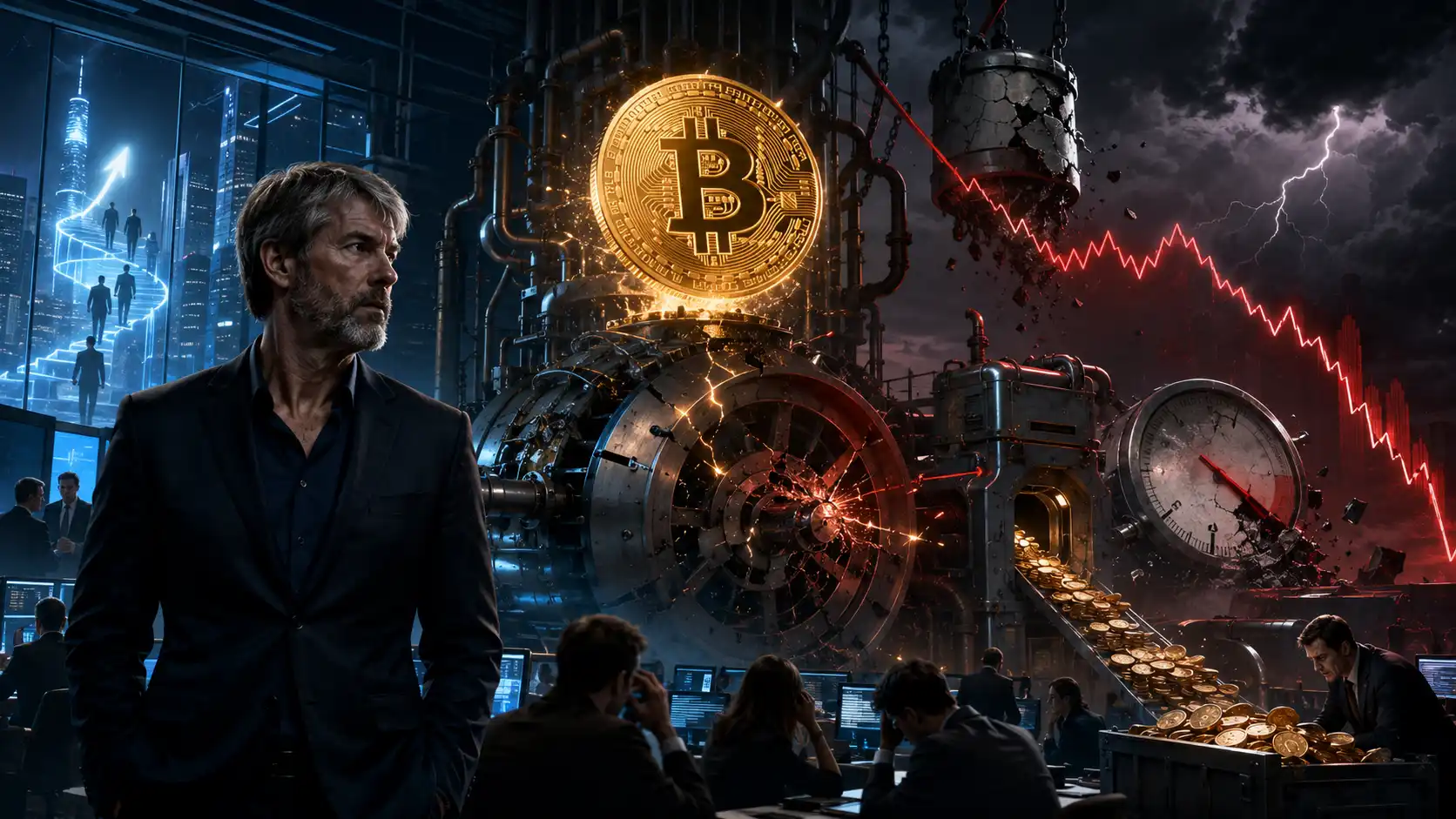
1. **MicroStrategy и давление на биткоин:** Согласно Дидье, основное давление на биткоин оказывает не разовый факт продажи криптовалюты MicroStrategy, а формирующиеся у рынка ожидания ее регулярных, пусть и небольших, продаж для покрытия дивидендов по привилегированным акциям (серии STR). Это связано с необходимостью компании поддерживать «нейтральность количества биткоинов на акцию» в условиях роста обязательств. Рынок сейчас определяет, сможет ли он поглотить такой постоянный отток, или же MicroStrategy придется скорректировать стратегию.
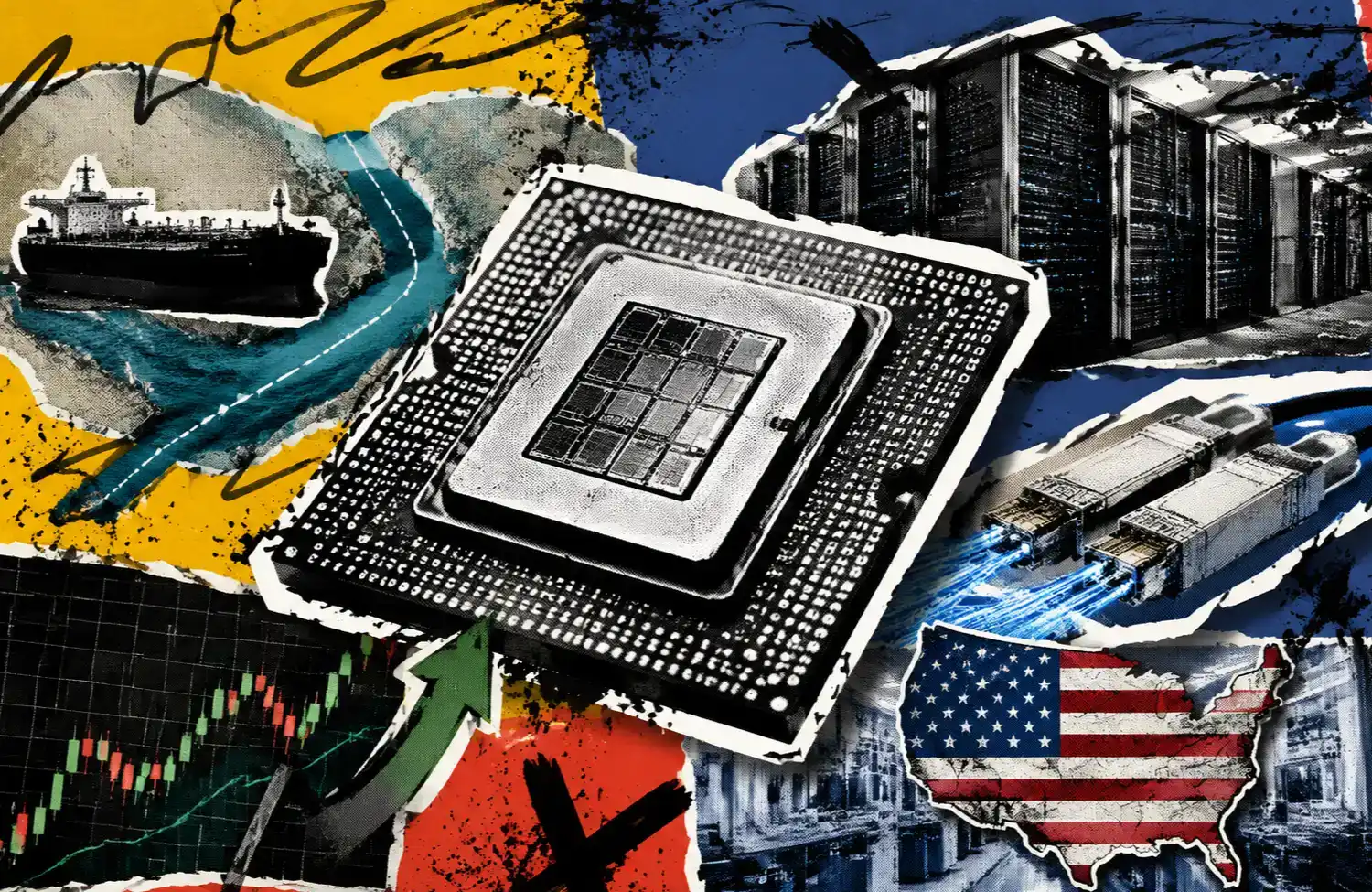
2. **Токены как новая рабочая сила в эпоху ИИ:** Дидье считает, что токены становятся новым ключевым фактором производства, заменяя человеческий труд во многих исполнительских функциях. ИИ и токены формируют новую структуру рабочей силы, где ценность создают креативные люди и автоматизированные агенты. Это повышает маржинальность компаний и является фундаментальным драйвером роста акций в секторах, связанных с ИИ (чипы, оборудование для ЦОД и т.д.), на рынке США. Эра «машинной экономики» только начинается.
3. **Криптобиржи и рынок акций США:** Подключение криптобирж к торговле акциями США — естественный шаг, вызванный поиском ликвидности и реальных активов с устойчивой стоимостью, которых не хватает среди нативных криптоактивов (кроме биткоина и нескольких инфраструктурных проектов). Это не обязательно «отток» из криптосферы, а скорее ее эволюция в сторону работы с оцифрованными реальными активами. При этом блокчейн-инфраструктура может стать основой для будущей «машинной экономики», где взаимодействуют автономные агенты.
4. **Конец эры «альткойнов»:** Инцидент 11 октября («1011») нанес серьезный удар по ликвидности крипторынка, фактически положив конец спекулятивной «альткойн»-лихорадке. Напротив, ликвидность и нарративы о «изменении мира» сместились на фондовый рынок США, где теперь торгуются мем-акции и компании с футуристическими концепциями. Дидье отмечает, что многие торговые стили из криптомира находят аналоги на рынке акций.
5. **Макроперспективы и распределение благ от ИИ:** В краткосрочной перспективе (вторая половина 2024 года) Дидье видит растущие риски на рынке из-за возможного выхода на IPO гигантов вроде SpaceX и политической неопределенности. В долгосрочной перспективе он сохраняет оптимизм в отношении ИИ и его конвергенции с блокчейном. Ключевой вызов будущего — справедливое распределение благ от роста производительности за счет ИИ, чтобы избежать резкого социального расслоения. Возможное введение «налога на ИИ» в следующие 3-5 лет выглядит вероятным для финансирования социальных нужд в новой экономической реальности.
marsbit28 мин. назад