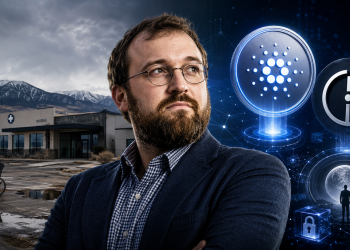
卡玛拉·哈里斯宣布在竞选中国呢支持加密货币和大麻

tokeninsight_newsОпубликовано 2024-10-15Обновлено 2024-10-15

据 Cointelegraph 报道:民主党候选人似乎进一步拥抱加密货币,提出了“机会经济”的倡议。

美国总统候选人及现任副总统卡马拉·哈里斯正在继续吸引加密货币社区,作为其“机会经济”议程的一部分。

在 10 月 14 日,她计划与宾夕法尼亚州伊利市的一群黑人企业家进行交谈,议程中指出,她将讨论对黑人拥有的小企业、加密货币和数字资产监管的支持,以及在联邦层面合法化大麻。

机会经济

哈里斯竞选团队的联合主席塞德里克·里士满(Cedric Richmond)表示,副总统的公告是她“机会经济”承诺的一部分,具体表述在新罕布什尔州的一家地方 NPR 关联台的声明中。

根据里士满的说法,哈里斯希望通过承诺建立一个“让黑人男性拥有成功工具的经济”来巩固黑人男性选民的支持,使他们能够购房、养活家庭、创业和积累财富。

自她的竞选活动真正启动以来,哈里斯作为美国反加密货币政权的一部分的形象似乎有所软化。

正如《币电报》最近报道的那样,Ripple 的联合创始人克里斯·拉尔森在捐款时向哈里斯-沃尔兹 2024 年总统竞选捐赠了价值约 100 万美元的 XRP。

显然,有些人将哈里斯视为支持加密货币的候选人,愿意在监管数字资产和加密货币行业的两党立法上进行合作。然而,并不是所有人都对哈里斯竞选的所谓“加密转向”表示认可。

然而,哈里斯竞选网站上与宾夕法尼亚州伊利市活动相关的文件使用了略有不同的措辞,指出“拥有”加密货币的人也将受到保护,这暗示她的计划包括保护加密货币的所有权,而不是限制或消除它:

“支持加密货币和其他数字资产的监管框架,以便投资和拥有这些资产的黑人男性得到保护。”

Похожее

The Truth About Global Payments, Exposed by Airwallex

Airwallex's founder, Jack Zhang, outlines the three primary paths in the global payments industry and explains why the company chooses the most demanding one: building its own global financial infrastructure. The article begins by highlighting a common industry problem: payment platforms appear homogenized on the surface, offering similar features like global acquiring and multi-currency accounts. However, their underlying capabilities differ vastly. Customers truly care about payment stability, compliance robustness, and reliable market entry support. Zhang identifies three strategic paths: 1. **Bypassing Traditional Systems (Web3/Crypto):** This path promises efficiency via stablecoins and blockchain settlement but struggles with mainstream adoption, significant regulatory friction, and a lack of competitive edge against established players, often leaving it with niche or non-compliant markets. 2. **Packaging Existing Infrastructure:** The most common route, where companies layer a modern interface over legacy banking and partner networks. While enabling fast expansion, it fails to solve core issues like dependency on correspondent banks and intermediary risk, merely postponing the need for solid foundations. 3. **Building Own Global Infrastructure:** The path chosen by Airwallex, Ant International, and others. It involves obtaining local licenses, establishing direct regulatory relationships, building local teams, and controlling the full technology stack. This "heavy" approach is slow and capital-intensive but aims to internalize complexity, providing customers with a "lighter" experience. The core argument is that for business clients, the highest cost isn't transaction fees but hidden risks like frozen accounts, payment delays, and regulatory shocks. By investing heavily in its own infrastructure, Airwallex seeks to absorb these complexities, offering customers greater stability, cost savings (beyond fees), and long-term certainty. This foundational investment, though initially slow, enables compound growth, as evidenced by Airwallex's accelerated revenue scaling. In conclusion, while shortcuts enable faster growth, mastering the most difficult aspects—owning the underlying infrastructure—creates durable value for customers and sustainable advantage for the payment provider.

marsbit3 ч. назад

The Truth About Global Payments, Exposed by Airwallex

marsbit3 ч. назад

The Truth About Global Payments, Revealed by Airwallex

The article discusses Airwallex's approach to global payments, highlighting the key challenges and different strategic paths in the industry. It begins by addressing common user questions about platform reliability, cryptocurrency payments, and the necessity of Airwallex's "heavy" infrastructure model. The core argument is that while many payment platforms appear similar on the surface—offering features like global acquiring and multi-currency accounts—their underlying capabilities differ drastically. The piece identifies three primary paths for global payment providers: 1. **Bypassing Traditional Infrastructure (Web3/Crypto):** This path promises efficiency through stablecoins and on-chain settlements but faces significant regulatory hurdles and offers little advantage over established players for mainstream use, often serving only niche or non-compliant markets. 2. **Aggregating/Packaging Existing Infrastructure:** The most common route, where companies layer a better user experience over legacy banking and partner networks. While fast to market, this approach does not solve fundamental issues like dependency on intermediaries, correspondent banking risks, and compliance fragility. 3. **Building Proprietary Global Infrastructure:** The path chosen by Airwallex and similar firms. This involves obtaining local licenses, building direct regulatory relationships, establishing local teams, and controlling the compliance and technology stack. This is the most difficult and capital-intensive route but aims to internalize complexity. Airwallex's strategy of "heavy" investment in its own infrastructure is framed not as inefficiency, but as a long-term bet to provide clients with greater stability, cost savings beyond fees, and certainty. The platform's "heaviness" absorbs risk and operational complexity, aiming to deliver a "lighter" experience for business customers. The article concludes that in global payments, while shortcuts enable faster growth, mastering the most difficult aspects—the underlying infrastructure—is what creates durable value for clients and sustainable competitive advantage.

链捕手3 ч. назад

The Truth About Global Payments, Revealed by Airwallex

链捕手3 ч. назад

Торговля

Спот
Фьючерсы
活动图片