Автор оригинала: Eric, Foresight News
2025 год считается знаковым для участников Web3, впервые массово вошедших в основную повестку Всемирного экономического форума (ВЭФ). «Crypto at a Crossroads» впервые появилось в повестке главного зала, обсуждая, вошёл ли криптовалютный рынок в мейнстрим. Год спустя, после вступления западных финансовых гигантов, Web3 превратился из перекрёстка прошлого года в настоящий мейнстрим.
В этом году на главном зале ВЭФ токенизация и стейблкоины стали двумя важными темами. Основатель Binance Чжао Чанпэн также был приглашён для участия в дискуссии на тему «New Era for Finance (Новая эра финансов)». В отличие от свободных высказываний в CT, на таких крупномасштабных мероприятиях выступления представителей Web3 были заметно сдержаннее, но это не скрыло амбиций «Web3 изменит мир».
Итак, что же именно говорили крупные игроки на Давосском форуме 2026 года, когда криптовалюты были признаны традиционными финансами с объёмом в триллионы долларов в качестве мейнстрима?
Чжао Чанпэн: «Если банки не меняются, мы изменим банки»
В последний раз, когда известный предприниматель критиковал банки на крупной экономической или финансовой конференции, вероятно, было на Шанхайском финансовом саммите в 2020 году.
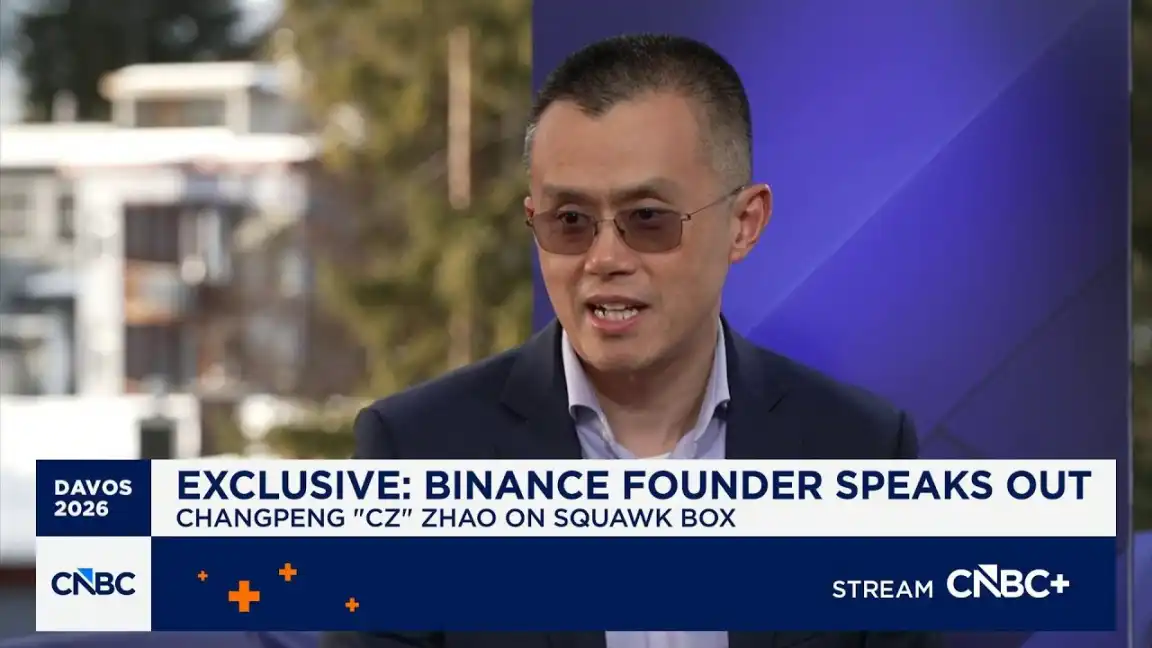
Чжао Чанпэн (CZ) участвовал в круглом столе в главном зале на тему «New Era for Finance (Новая эра финансов)» на этом Давосском форуме, а также дал интервью таким СМИ, как CNBC. В целом, точка зрения CZ заключалась не в том, чтобы «заменить банки», а в том, что банки должны принять блокчейн-инфраструктуру, поскольку они являются взаимодополняющими. Его основные тезисы включают:
- Резервная система банков является корнем проблем с ликвидностью. Им трудно, как Binance, обрабатывать вывод средств на уровне миллиардов долларов за короткое время без проблем. Модель криптовалютных бирж со 100% резервированием более безопасна и надёжна. Традиционные банки имеют свою ценность, но должны принять блокчейн как свою инфраструктуру для повышения эффективности и снижения затрат;
- Сам CZ ведёт переговоры с правительствами более десятка стран (таких как Пакистан, Малайзия, Кыргызстан и др.) о токенизации национальных активов, включая инфраструктуру, недвижимость, товары, государственные облигации. Токенизация позволяет избежать проблем с долгом, повысить ликвидность и привлечь более широкий круг инвесторов;
- 4-летний цикл Биткойна будет нарушен, 2026 год станет «суперциклом» Биткойна. Мем-токены, подобно NFT и метавселенным ранее, являются крайне рискованными и высокоспекулятивными. Мем-токены, имеющие культурную ценность, могут существовать долго, но большинство мем-токенов исчезнут;
- Традиционные платежи сливаются с криптоплатежами, но необходимо осознавать риски. AI Agent будет использовать криптовалюты в качестве нативного способа оплаты. В будущем ИИ будет полагаться на блокчейн для проведения операций в реальном времени и надёжных платежей. Криптовалюты станут «топливом» для экономики ИИ.
- Криптоиндустрия должна уделять внимание управлению рисками и регуляторной реальности, а не слепому оптимизму, инновации и соответствие должны идти рука об руку.
Помимо этих точек зрения, CZ в интервью CNBC также рассказал, например, о своём настроении во время предыдущего тюремного заключения, а в ответах на комментарии в X упомянул, что раскроет больше деталей в новой книге, которая выйдет в конце февраля - начале марта.
Основатель Coinbase в жарких дебатах с главой Банка Франции
В дискуссии на тему «Is Tokenization the Future» основатель Coinbase Брайан Армстронг несколько раз прерывал выступление управляющего Банка Франции Франсуа Вильруа де Гальо и оспаривал его точку зрения о доходах от Биткойна и стейблкоинов.
Франсуа Вильруа де Гальо выразил следующие точки зрения:
- Решительно выступает против выплаты процентов держателям стейблкоинов частными компаниями, считая, что это угрожает денежному суверенитету и финансовой стабильности;
- Подчёркивает, что доверие к деньгам должно исходить от публичных институтов (центральных банков), имеющих демократический мандат, а не от частных эмитентов;
- Критикует, что стейблкоины и Биткойн как частные деньги могут привести к системным рискам, продвигая цифровой евро в качестве инструмента защиты суверенитета;
- Предупреждает, что без повышения финансовой грамотности токенизация может превратиться в «катастрофу».
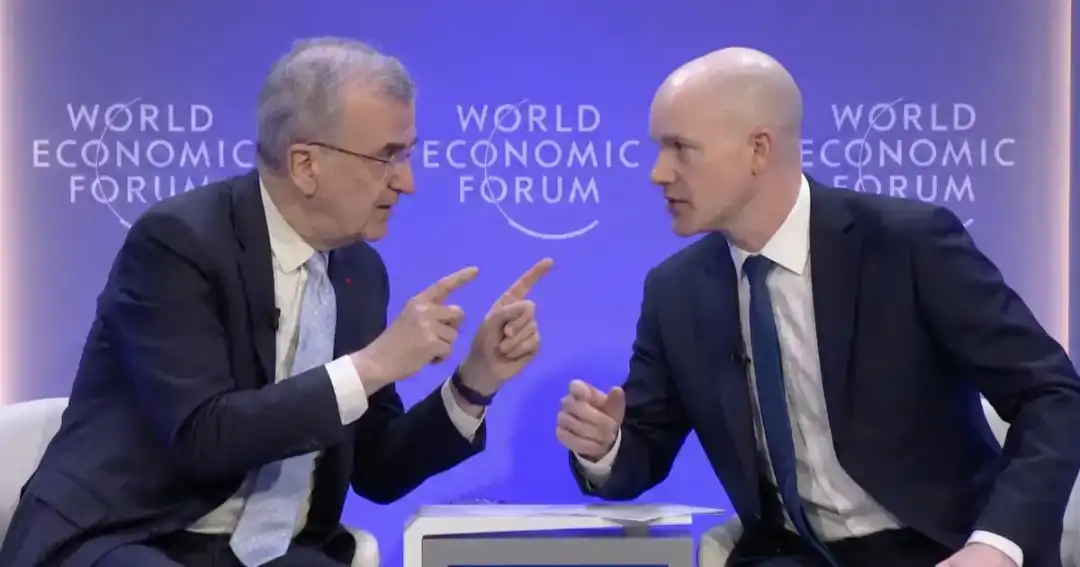
«Контраргументы» Брайана Армстронга включали:
- Утверждение, что у Биткойна нет эмитента, его децентрализованная природа делает его более независимым и устойчивым к инфляции, чем традиционные деньги;
- Утверждение, что пользователи имеют право получать доход от стейблкоинов, и что разрешение на проценты по стейблкоинам является частью конкурентоспособности страны;
- Подчёркивание, что Биткойн и центральные банки должны быть в «здоровой конкуренции», выбор публики станет самым сильным механизмом подотчётности за бюджетный дефицит и заставит центральные банки быть более ответственными;
- Опровержение, что стейблкоины полностью обеспечены резервами, в отличие от банковских вкладов;
- Токенизация может решить проблемы финансовой эффективности, обеспечить расчеты в реальном времени, снизить costs и «демократизировать доступ к инвестициям», предоставив инвестиционные возможности 4 миллиардам взрослых, не имеющих доступа к брокерским услугам. Ожидается, что в 2026 году эта технология достигнет значительного прогресса.
Помимо этого备受关注ного противостояния «старых» и «новых» финансов, Брайан Армстронг также заявил в интервью или других场合х, что во время встречи высокопоставленный руководитель одного из десяти крупнейших мировых банков сообщил ему, что криптовалюты теперь являются «задачей номер один» для этого банка, и даже рассматриваются как «вопрос выживания». Армстронг заявил, что многие финансовые лидеры, с которыми он общался на форуме, не только открыты для криптовалют, но и активно ищут пути входа.
Кроме того, Армстронг также сказал, что хотя ИИ отвлёк часть внимания от криптовалют, на самом деле они тесно связаны, и в будущем ИИ, скорее всего, по умолчанию будет использовать стейблкоины, а не существующую банковскую платёжную систему для платежей.
Помимо двух вышеупомянутых главных действующих лиц, многие другие известные лица из индустрии Web3 также присутствовали на форуме и высказали свои точки зрения. СЕО Ripple Брэд Гарлингхаус заявил, что роль криптовалют изменилась с «угрозы» на экономическую инфраструктуру. Он считает, что стейблкоины станут мостом для глобальных платежей, но необходимо защищать денежный суверенитет. Брэд Гарлингхаус не выражал точку зрения, что криптоплатежи «заменят» традиционные платежи, а всегда считал, что Ripple строит мост между ними.
Представители индустрии Web3 подписали «Декларацию Давоса 2026»
Во время сайд-ивента Давосского форума «Davos Web3 Roundtable» десятки лидеров индустрии Web3, инвесторов и политиков, включая сооснователя Animoca Brands Ят Сиу,高管 Unstoppable Domains Сэнди Картер, представителя 0G Foundation Джонатана Чанга, подписали «Davos Declaration 2026 (Декларация Давоса 2026)».

Декларация подчёркивает, что при принятии таких мощных технологий, как блокчейн и ИИ, необходимо соблюдать следующие принципы, чтобы гарантировать, что технологии служат благополучию человечества:
- Инклюзивность: позволить большему количеству людей (особенно в развивающихся странах и маргинализированных группах)受益于受益 от технологий Web3.
- Децентрализация:维护 сохранять核心 основную ценность Web3, избегать концентрации власти.
- Устойчивость:推动 продвигать экологичные, долгосрочно жизнеспособные инновации.
- Подотчётность и доверие:强调 акцентировать соблюдение, прозрачность и ответственное развитие.
- Создание долгосрочной ценности: перейти от «хайпа» к практичности, дружелюбности к регулированию и институциональной инфраструктуре.
Взгляд традиционных финансов на Web3
На этой конференции, помимо некоторой критики Web3 со стороны управляющего Банком Франции, было и признание Web3 финансовыми гигантами.
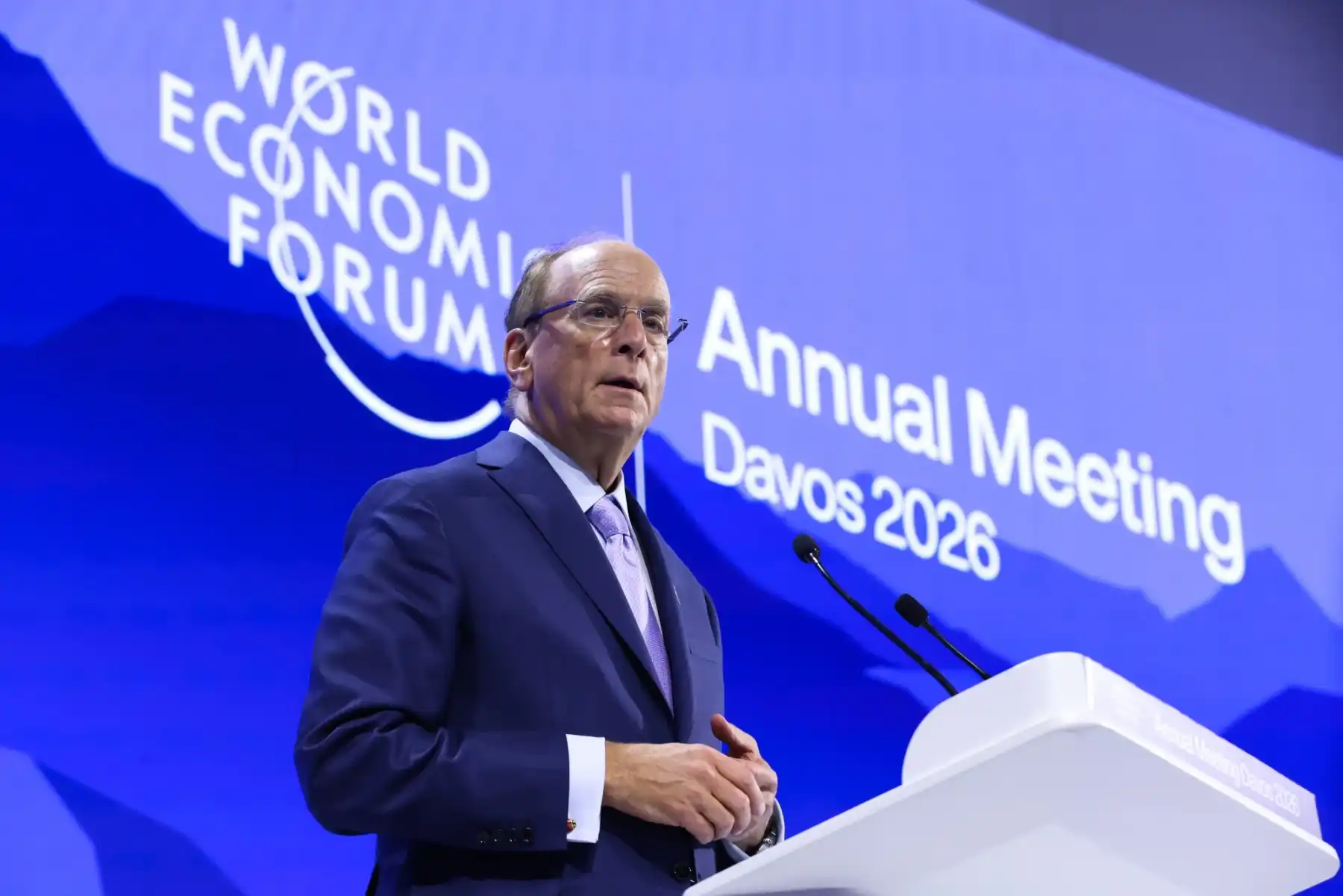
Генеральный директор BlackRock Ларри Финк считает, что токенизация — это будущее финансовой системы. Вся финансовая система должна как можно скорее перейти на «единый блокчейн» (Гаррет Джин заявил, что этот блокчейн — это Ethereum), чтобы обеспечить беспрепятственный перевод активов. Токенизация решит проблемы ликвидности, снизит costs и сделает перемещение активов между фондами денежного рынка более эффективным. Криптовалюты и токенизация стали темами, движущими рынок. BlackRock рассматривает их как институциональную инфраструктуру.
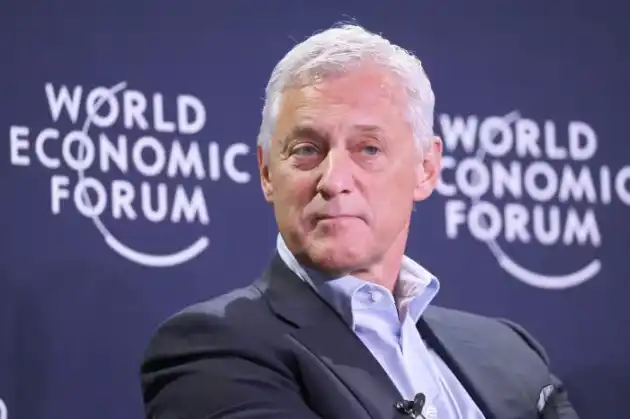
Генеральный директор группы Standard Chartered Bank Билл Винтерс заявил, что токенизация и стейблкоины приведут к прогрессу в глобальной финансовой доставке, включая снижение транзакционных издержек и улучшение эффективности кросс-бордерных платежей. Слияние традиционных банков и блокчейна стало реальностью. Стейблкоины стали первым по-настоящему универсальным случаем использования блокчейна.
Другие участники круглого стола в главном зале из числа традиционных финансовых гигантов в основном также высказали признание потенциала токенизации, цифровых активов, программируемых денег в преобразовании финансовых возможностей, но также считают, что банки должны сотрудничать с блокчейном, а не противостоять ему.