2026-08-18 Terça

Notícias de cripto - Página 835

Mantenha-se a par do mercado de cripto. Notícias em tempo real, análises, preços, histórias em alta e análise de especialistas — tudo num só lugar.

Soaring Oil Prices No Longer Drive Up Interest Rates, What Is the Market Afraid Of?

Oil prices surged nearly 60% in March 2026—the steepest monthly rise since Brent crude's inception in 1988—after the Strait of Hormuz closed, cutting off 17.8 million barrels per day of oil flow. Historically, such spikes pushed inflation expectations and bond yields higher, but this time, the 10-year Treasury yield fell sharply from 4.44% to 3.92% in late March, signaling a decoupling. This divergence reflects a market shift: growth risks now outweigh inflation concerns. Bond markets are betting on recession rather than persistent inflation. Historical oil shocks—like those in 1973, 1979, 1990, and 2008—often preceded economic downturns. The sole exception was the 2022 spike, which triggered severe inflation instead. Market expectations pivoted rapidly. Earlier, traders anticipated rate cuts, but by late March, weak consumer confidence and manufacturing data drove bets toward Fed dovishness. Chair Powell emphasized monitoring whether the supply shock is temporary, but the bond market has already priced in recession risks. If stagflation emerges—as during 1973–1982—real assets like gold and commodities may outperform, while stocks and bonds could suffer. The 60/40 portfolio would be particularly vulnerable. Analysts project Brent could average $115–125 in April, with a peak of $150 possible if the Strait remains closed. The bond market’s verdict is clear: fear of recession dominates.

marsbit03/31 03:05

Soaring Oil Prices No Longer Drive Up Interest Rates, What Is the Market Afraid Of?

marsbit03/31 03:05

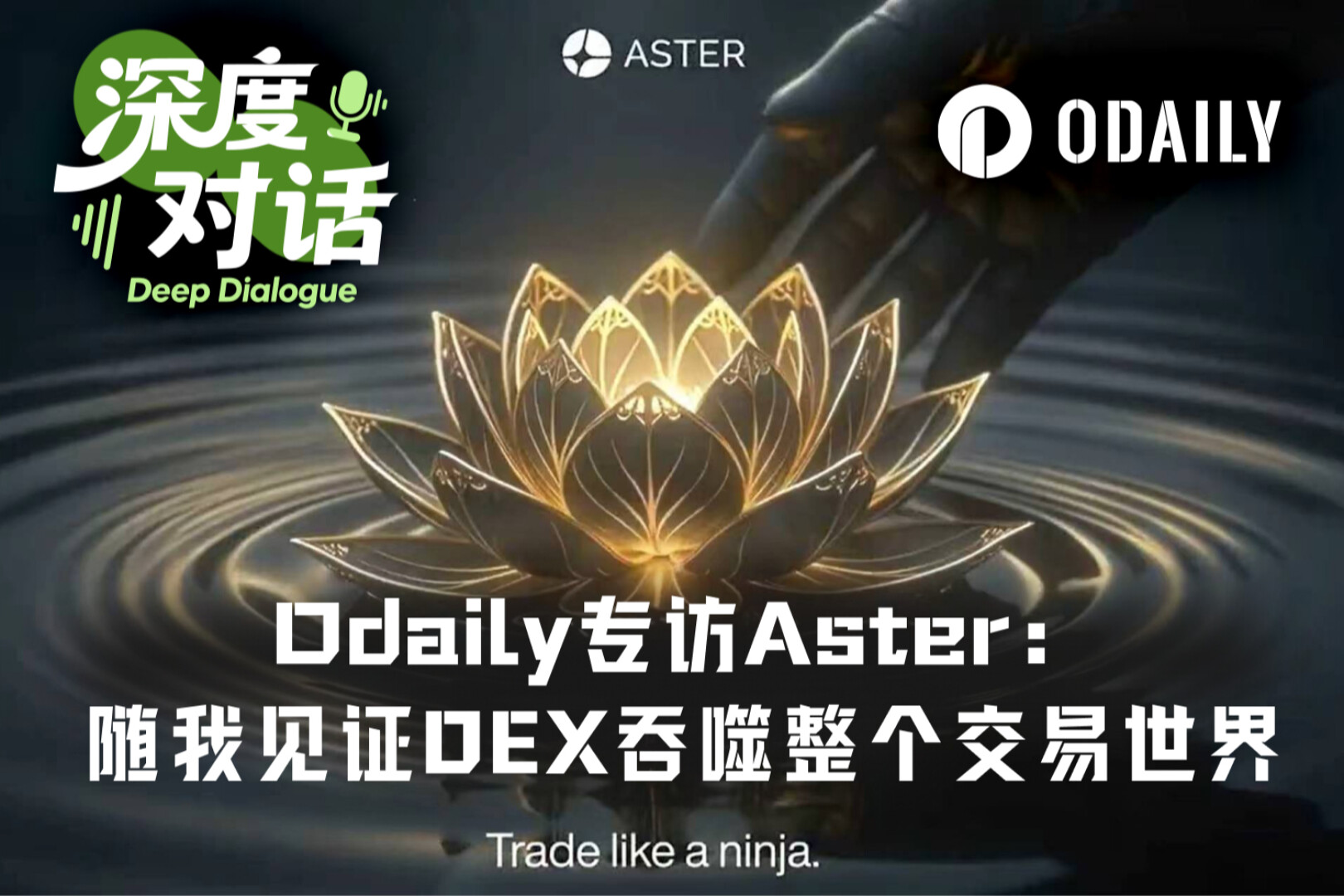
Odaily Interviews Aster: DEX Will Ultimately Devour the Entire Trading World, Optional Privacy is the Key Ladder

Odaily Interview with Aster: DEX Will Ultimately Devour the Trading World, Optional Privacy is the Key Ladder Aster has initiated key steps to build institutional-grade private DeFi infrastructure, marked by the launch of its Layer 1 mainnet, Aster Chain, on March 17. The mainnet offers traders fair ordering and optional privacy. This was followed by the launch of its native staking function on March 20. The project has rapidly evolved from an innovative Perp DEX into a complete infrastructure layer, achieving record-breaking trading volumes in late 2025 and a successful TGE. In an interview, CEO Leonard explained their core logic: launching a mainnet *after* securing users and revenue, not with a "cold start." This ensures every step is validated by real market demand. Aster's key differentiator is its unique "optional privacy" value proposition, implemented through a ZK + Stealth Address architecture. This allows for automatic privacy for each transaction while maintaining verifiability. The team believes this feature is a prerequisite for mass adoption and will be a primary driver for institutional use of DEXs, forming the core of their moat. Looking ahead, Aster predicts the DEX landscape will evolve into an oligopoly dominated by a few major players. The project is actively pursuing partnerships with both Web2 and Web3 entities, with significant interest from financial firms looking to build markets or list assets on its chain. For the immediate future, Aster's Q2 focus is on attracting privacy-seeking users and institutions, expanding assets and liquidity, growing its ecosystem via its developer program (Aster Code), and enhancing token utility.

Odaily星球日报03/31 02:33
Odaily Interviews Aster: DEX Will Ultimately Devour the Entire Trading World, Optional Privacy is the Key Ladder

Odaily星球日报03/31 02:33

Chain Reaction After Credential Theft Case: AI Gateway Giant LiteLLM Cuts Ties with Delve, Mired in Compliance Fraud Scandal

A major security and compliance crisis has unfolded in the AI infrastructure sector. Popular AI gateway developer LiteLLM has officially announced the termination of all cooperation with compliance startup Delve and plans to redo its security certification through a competitor, Vanta. The rupture was triggered by a recent severe credential-stealing malware attack on LiteLLM's open-source version. Prior to the attack, LiteLLM had relied on Delve's services to obtain two key security certifications. However, Delve is now facing serious integrity allegations, accused of misleading clients by fabricating data and employing auditors who provided rushed certifications, creating a false sense of compliance. Despite public denials from Delve's founder, the release of evidence by an anonymous whistleblower has intensified scrutiny. In response, LiteLLM's CTO, Ishaan Jaffer, outlined the company's stance: immediately cutting ties with Delve, recommencing certification with Vanta, and engaging an independent third-party auditor for a thorough review of its compliance controls. As a leading AI gateway with millions of developers, LiteLLM's decisive action highlights the industry's heightened sensitivity to authentic compliance. In the wake of the attack, companies are shifting focus from mere paper-based compliance to seeking genuine technical security verification.

marsbit03/31 01:18

Chain Reaction After Credential Theft Case: AI Gateway Giant LiteLLM Cuts Ties with Delve, Mired in Compliance Fraud Scandal

marsbit03/31 01:18

活动图片