从白宫公子到加密新贵:巴伦·特朗普的1.5亿美元身家从何而来?​

marsbitPublicado em 2025-10-13Última atualização em 2025-10-14

2006 年出生的巴伦只有 19 岁,但其身家已经高达 1.5 亿美元。巴伦曾参与成立豪华房地产公司、特朗普家族加密项目 WLFI、竞选 TikTok 的高级职位……

10 月 11 日,加密市场闪崩,当时有很多人推测是巴伦做空了加密市场,但其实真正的做空者是 Garrett Jin。


因为巴伦并未获利 1.9 亿美元,故这位来自美国第一家庭的零零后是 1.5 亿美元的身家。本文探讨巴伦如何赚取了第一桶金。
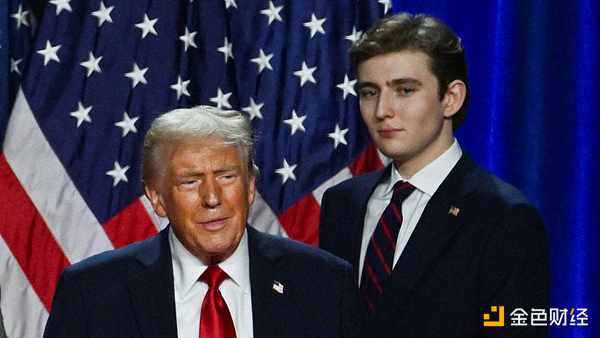

特朗普家族


一、巴伦其人


巴伦·威廉·特朗普(Barron William Trump,2006 年 3 月 20 日出生),是美国总统特朗普最小的孩子,也是特朗普与第三任妻子梅拉尼娅·特朗普唯一的孩子。


2015 年 6 月,巴伦出席了特朗普的总统竞选宣布会。自大选以来,梅拉尼娅一直「非常保护」巴伦。他于 2021 年 8 月开始就读佛罗里达州西棕榈滩的牛津剑桥学院,受到特勤局的保护。2024 年 5 月从西棕榈滩的牛津剑桥学院毕业。


在总统大选中,巴伦在为特朗普争取年轻选民方面发挥了重要作用。他曾出席特朗普在 2024 年总统大选后的胜选演讲以及特朗普的第二次就职典礼。


2024 年 7 月,巴伦与他人共同创立了房地产公司 Trump, Fulcher & Roxburgh Capital Inc.。该公司在特朗普胜选后即解散。


2024 年 9 月,巴伦成为特朗普家族项目 World Liberty Financial 的联合创始人。


2025 年 10 月,巴伦竞选 TikTok 的高级职位。


二、追随父亲的脚步——18 岁创建房地产公司


2024 年 7 月,巴伦成立了一家房地产公司。并于 2024 年 11 月 14 日(唐纳德·特朗普赢得总统大选几天后)解散。


这似乎暗合特朗普年轻时在房地产领域的商业经历。1971 年,特朗普接管了父亲的住宅房地产公司。从此,一个遍布美国乃至全球的商业帝国由此诞生,涵盖住宅、豪华酒店、赌场和高尔夫球场。特朗普的名字也因此家喻户晓,并为他的政治崛起奠定了基础。


这家房地产公司的另一位合伙人是巴伦就读棕榈滩牛津建桥学院的同学——卡梅伦·罗克斯堡。卡梅伦指出了公司仅成立四个月就解散的原因:避免在大选期间引起媒体关注。据卡梅伦介绍,该公司是一家高端房地产开发公司,计划在犹他州、亚利桑那州和爱达荷州拥有房产和高尔夫球场。特朗普曾私下向他儿子提供建议,并赞同这个想法。但特朗普并未为该公司提供资金,他们计划将该公司并入特朗普集团,成为其子公司。


但巴伦的商业首秀似乎并未成功。在美国,一般房地产开发项目从立项到获利通常至少需要 12–24 个月,意味着这家快速解散的公司根本来不及进入项目执行或现金流阶段。目前也没有公开数据显示巴伦从房地产公司生涯中赚到了钱。


三、进军家族项目——跻身 WLFI 联创


2024 年 9 月,巴伦成为特朗普家族项目 World Liberty Financial 的联合创始人,也正是 WLFI 项目,让特朗普家族盆满钵满的同时,帮助巴伦快速积累了大量的财富,攫取人生中的第一桶金。


持有特朗普家族在 World Liberty 股份的公司 DT Marks Defi LLC 于 2024 年 9 月获得了总计 225 亿枚名为 $WLFI 的加密代币。作为推广和允许该项目使用特朗普名字的交换条件,该公司还获得了 World Liberty 在首笔 1500 万美元收益后 75% 的收入。根据特朗普担任总统期间提交的财务披露,截至今年年初,他拥有 Trump Marks Defi LLC 70% 的股份。他的家族拥有剩余的 30%。他的儿子埃里克、小唐纳德和巴伦都被列为联合创始人,因此假设他们均摊这 30% 的股份,那么他们每人将拥有 10% 的股份。


最初,这 10% 的股份并不多。World Liberty 代币一旦购买就无法转售或转让,代币销售额也一般。但在特朗普赢得大选后,WLFI 的销售情况马上好转。根据该公司及其客户公布的数据,截至 8 月份,World Liberty 已售出价值约 6.75 亿美元的代币。巴伦的税后收入约为 3800 万美元。


今年 3 月,World Liberty 宣布推出另一款产品:USD1 稳定币。USD1 的市值约为 26 亿美元,特朗普家族似乎持有该公司 38% 的份额。巴伦可能约赚到 3400 万美元。


8 月,World Liberty 与一家名为 Alt5 Sigma 的上市医疗保健公司达成协议,该公司正寻求转型成为一家加密货币资金管理公司。作为交易的一部分,Alt5 用价值 7.5 亿美元的 $WLFI 代币换取了 100 万股 Alt5 Sigma 的股票、9900 万份认股权证,以及 2000 万份可按更高价格行使的认股权证。 Alt5 用其筹集的大量资金购买了价值 7.17 亿美元的 World Liberty Financial 代币,其中超过 5 亿美元流向了特朗普的公司,另有约 4100 万美元(税后)流向了巴伦。


巴伦还获得了约 22.5 亿枚 World Liberty 代币,占特朗普公司最初获得的 225 亿枚代币的 10%。巴伦的 10% 股份如今价值约 4500 万美元。


所有这些加起来略高于 1.5 亿美元,对于一个 19 岁的大学二年级学生来说,这可不是一笔小数目。巴伦没有任何其他已知资产,但用这些钱足以支付他 67,430 美元的纽约大学斯特恩商学院学费,比这笔钱多 2200 倍。


四、竞选 TikTok 高级职位


正如上文指出,巴伦曾帮助特朗普赢得了年轻的选民,若巴伦竞选 TikTok 高级职位成功,那么也将确保增强 TikTok 在年轻人中的吸引力。


据特朗普于 9 月签署的行政令:「TikTok 美国将由一家新成立的合资公司运营。字节跳动将获得 TikTok 美国业务利润的约 50%。」


特朗普曾在一段视频中说道:「对于所有 TikTok 的年轻人来说,我拯救了 TikTok,所以你们欠我很多。」


特朗普 2024 年总统竞选活动的前社交媒体经理杰克·阿德文特 (Jack Advent) 指出:「特朗普总统兑现了他的承诺,拯救了 TikTok 以及数百万通过该应用经营企业和获取未经过滤的新闻的美国人。TikTok 的用户群体绝大多数是年轻人。我希望特朗普总统能考虑任命他的儿子巴伦以及其他美国年轻人加入 TikTok 董事会,以确保它仍然是一款年轻人愿意继续使用的应用程序。」


从房地产到加密货币,再到 TikTok,有懂王老爸的商业基因做底、家族关系网赋予的无限机遇,天选之子巴伦的商业生涯也许刚刚开始……


五、附:特朗普其他四位孩子的身家


1982 年,特朗普和父亲一起登上了首届福布斯 400 富豪榜,两人的身价加起来达到 2 亿美元(相当于今天的 6.6 亿美元),他的第一句名言是:「人是所有动物中最凶猛的,生活就是一系列以胜利或失败告终的战斗。」几十年后,特朗普入主白宫,他的家族正以新颖的方式将这些杀手本能货币化。


贾里德·库什纳和伊万卡·特朗普

净资产:10 亿美元;1 亿美元


2021 年 1 月,库什纳创立了私募股权公司 Affinity Partners。库什纳利用自己担任总统顾问期间建立的关系,从卡塔尔、沙特阿拉伯和阿联酋的支持者那里筹集了 46 亿美元,并已向 22 家公司投资了超过 20 亿美元。该公司估值约 2.15 亿美元。得益于 Affinity 的资金支持,加上他在家族房地产公司库什纳公司持有的 20% 股份(价值 5.6 亿美元),库什纳如今已是亿万富翁。这对夫妇位于迈阿密精英住宅区印第安溪岛的房产也起到了推波助澜的作用,杰夫·贝佐斯就住在该岛。自 2020 年他们买下这栋房产以来,其价值已上涨两倍多,达到约 1.05 亿美元。


埃里克·特朗普

净资产:7.5 亿美元


次子埃里克·特朗普去年的身价估计为 4000 万美元,他在加密货币领域赚的钱比他的任何兄弟姐妹都多。其中大部分资金来自 American Bitcoin,这是一家他于 3 月份与他人共同创立的加密货币挖矿公司,该公司于 9 月初上市,并一度使他成为亿万富翁。埃里克持有的 7.5% 股份价值约 5 亿美元。他还获得了 World Liberty Financial 代币销售约 10% 的分成。今年 5 月,他与哥哥小唐纳德(Don Jr.)前往中东,签署了一项协议,授权家族企业在卡塔尔的一个高尔夫度假村使用其家族品牌,并开展其他一些新业务。截至 2024 年 7 月,兄弟俩似乎已从某些授权协议中分得 20% 的利润。


小唐纳德·特朗普

净资产:5 亿美元


小唐纳德持有 American Bitcoin 的少量股份,并担任 World Liberty 的联合创始人。他和埃里克于 8 月成立了一家特殊目的收购公司(SPA),正在寻找科技、医疗保健或物流领域的并购目标。他也是反觉醒经济的重要参与者,与自称「反 ESG」的风险投资公司 1789 Capital 合作,并在反觉醒、反堕胎的在线平台 Public Square、在线枪支零售商 GrabAGun 以及 Truth Social 的母公司担任董事会成员。他的财富较去年估计的 5000 万美元有所增长。


迈克尔·布洛斯和蒂芙尼·特朗普

净资产:2000 万美元;1-2000 万美元


迈克尔的父亲是 Massad Boulos,与 SCOA Nigeria、Boulos Enterprises 等公司有关联。蒂芙尼的资产公开来源相对较少,不像其兄姐那样长期参与家族产业等的运作。

Leituras Relacionadas

Making AI Products Is No Longer the Hard Part; Being Seen Is: Developers, Web3, and Chinese AI Opportunities at mu Shanghai

The article discusses the shifting challenges of AI entrepreneurship, based on insights from the mu Shanghai AI WEEK event in May 2026. As AI tools drastically lower the barrier to creating product prototypes, the core difficulty for startups has moved from "how to build" to "who to build for"—finding real users, sustainable business models, and community engagement. The event itself was structured as an extended, immersive developer community space rather than a traditional conference, attracting a global mix of participants (40% AI, 20-30% Web3). This format emphasized deep networking and collaborative creation over one-way presentations. A key observation is that with powerful models and coding assistants becoming ubiquitous, execution is less of a moat. The new scarce resource is judgment—identifying valuable, defensible scenarios where an application won't be quickly rendered obsolete by the next model update. This pushes competition downstream to distribution, user acquisition, and commercialization. Notably, many Web3 practitioners are migrating into AI, bringing with them expertise in community building, global collaboration, and grassroots marketing—skills highly relevant as AI apps fight for visibility. Meanwhile, opportunities in AI hardware, robotics, and embodied intelligence are seen as more durable, leveraging China's robust manufacturing and supply chain ecosystem as a key advantage. The article notes that major Chinese model companies (like MiniMax) are now actively competing for developer mindshare through community programs, hackathons, and improved tooling, recognizing developers as core users. Ultimately, the conclusion is that while AI simplifies building, the harder part of the journey is ensuring a product is truly needed, understood, and retained by its users.

marsbitHá 2m

Making AI Products Is No Longer the Hard Part; Being Seen Is: Developers, Web3, and Chinese AI Opportunities at mu Shanghai

marsbitHá 2m

Why is the RWA Boom Failing to Benefit DeFi?

The rapid growth of the tokenized real-world assets (RWA) market, now nearing $30 billion on-chain, has largely bypassed the DeFi ecosystem. Only about $2.47 billion is actively locked in DeFi protocols, indicating a penetration rate of just 9%. A major barrier is the "permissioned" architecture of most RWA products, like BlackRock's BUIDL fund, which are designed for institutional compliance. They require whitelisting, off-chain settlement, and strict investor accreditation, making them incompatible with open, permissionless DeFi applications like Aave or Uniswap. This is evident in categories like bonds/money market funds ($16.6B on-chain, $920M in DeFi) and tokenized equities ($2.7B on-chain, $78M in DeFi). Notable exceptions are private credit protocols (e.g., Maple Finance, Centrifuge) and assets like Ondo's USDY, which were designed from inception for DeFi composability, allowing them to be used freely as collateral. Morpho and Aave Horizon also demonstrate successful RWA lending integrations. However, industry reports (IOSCO, ECB) warn that growth may remain confined within traditional financial systems due to fragmented regulations, lack of unified standards, and inherent conflicts between DeFi's open logic and compliance requirements like minimum investments and fixed redemption windows. The RWA sector is effectively split into two markets: a compliant, permissioned on-chain finance market and a smaller DeFi-native market focused on composability. For DeFi penetration to rise significantly, asset issuers must prioritize designs that enable permissionless circulation from the start, moving away from models centered solely on institutional compliance.

marsbitHá 22m

Why is the RWA Boom Failing to Benefit DeFi?

marsbitHá 22m

Clarity Act Outlook: No Yield, No Payment

"Clear Act Outlook: No Yield, No Payment" analyzes the evolving U.S. regulatory landscape for stablecoins, focusing on the interplay between the proposed "Clarity Act" and the existing "Genius Act." The article argues that the Genius Act successfully fostered "payment stablecoins" by permitting tokenized assets like U.S. Treasuries as reserves. This created a structured market where stablecoin issuers (like USDC) must hold these reserves, often purchased as Tokenized Money Market Funds (TMMFs) from giants like BlackRock. These TMMFs are primarily B2B products, ensuring user-facing stablecoins remain non-interest-bearing and used primarily for payments. The upcoming Clarity Act is seen as the next phase, aiming to restrict passive yield on stablecoins. Its goal is to dismantle the arbitrage advantage of offshore stablecoins like USDT by redirecting Treasury demand towards compliant, U.S.-sanctioned TMMFs. For on-chain and compliant offshore dollars, this creates new pressure: they must spur adoption and utility to generate yield, as simple Treasury staking may be restricted. This indirectly promotes dollar circulation and sustained Treasury purchases. Ultimately, the analysis posits that U.S. regulation seeks to create a new dollar distribution model. By separating payment function from yield generation and anchoring both to U.S. debt instruments, it aims to embed the dollar and Treasury demand into the global crypto economy, managing yields through sanctioned intermediaries while leaving room for DeFi and cross-border arbitrage.

marsbitHá 51m

Clarity Act Outlook: No Yield, No Payment

marsbitHá 51m

Money Has Gone to Bonds and IPOs, Leaving Only HYPE Rising in Crypto

The article "Where Has All the Money Gone? Bonds and IPOs Are Soaring, While Crypto Only Sees HYPE Rising" analyzes the recent underperformance of major cryptocurrencies like Bitcoin and Ethereum compared to traditional financial markets. It identifies three primary factors diverting capital away from crypto: First, surging bond yields, with the 30-year U.S. Treasury hitting a near 20-year high of 5.12%, are attracting capital seeking safe, predictable returns. This is evidenced by Bitcoin spot ETFs experiencing a significant $10.39 billion net outflow in mid-May. Second, a massive $4 trillion IPO pipeline, highlighted by SpaceX's upcoming listing, is absorbing risk capital that might otherwise flow into crypto. Platforms like Hyperliquid are even channeling on-chain crypto liquidity into pre-IPO trading for traditional stocks. Third, uncertainty surrounds new Federal Reserve Chair Warsh's ability to deliver expected interest rate cuts this year due to conflicting political pressures and stubborn inflation expectations, potentially eliminating a hoped-for source of new market liquidity. Consequently, while traditional equities and bonds rally, the crypto market's post-leverage crash recovery is stalled. The notable exception is assets like Hyperliquid (HYPE), which is rising due to its role in facilitating traditional asset trading, underscoring a market divergence where only crypto projects with novel, cross-market narratives are gaining. The article concludes that Bitcoin's next major catalyst may be the August enactment of the CLARITY Act, but warns of a potential retest of the $70,000 support level before then.

marsbitHá 1h

Money Has Gone to Bonds and IPOs, Leaving Only HYPE Rising in Crypto

marsbitHá 1h

Trading

Spot
Futuros
活动图片



