大暴跌中,谁人“刀口舔血”狂赚上亿?哪些暴富机会近在眼前?

Odaily星球日报Publicado em 2025-10-13Última atualização em 2025-10-13

原创 | Odaily 星球日报(@OdailyChina

作者|Azuma(@azuma_eth

继 312、519 之后,1011 注定会是被写在加密货币历史上一个日子。

昨日晚间,受特朗普突然的关税发言影响,全球金融市场暴跌,加密货币市场同样遭受重挫 —— BTC 一度跌至 101500 USDT,ETH 一度跌至 3373.67 USDT,SOL 一度跌至 144.82 USDT,BNB 一度跌至 860 USDT。

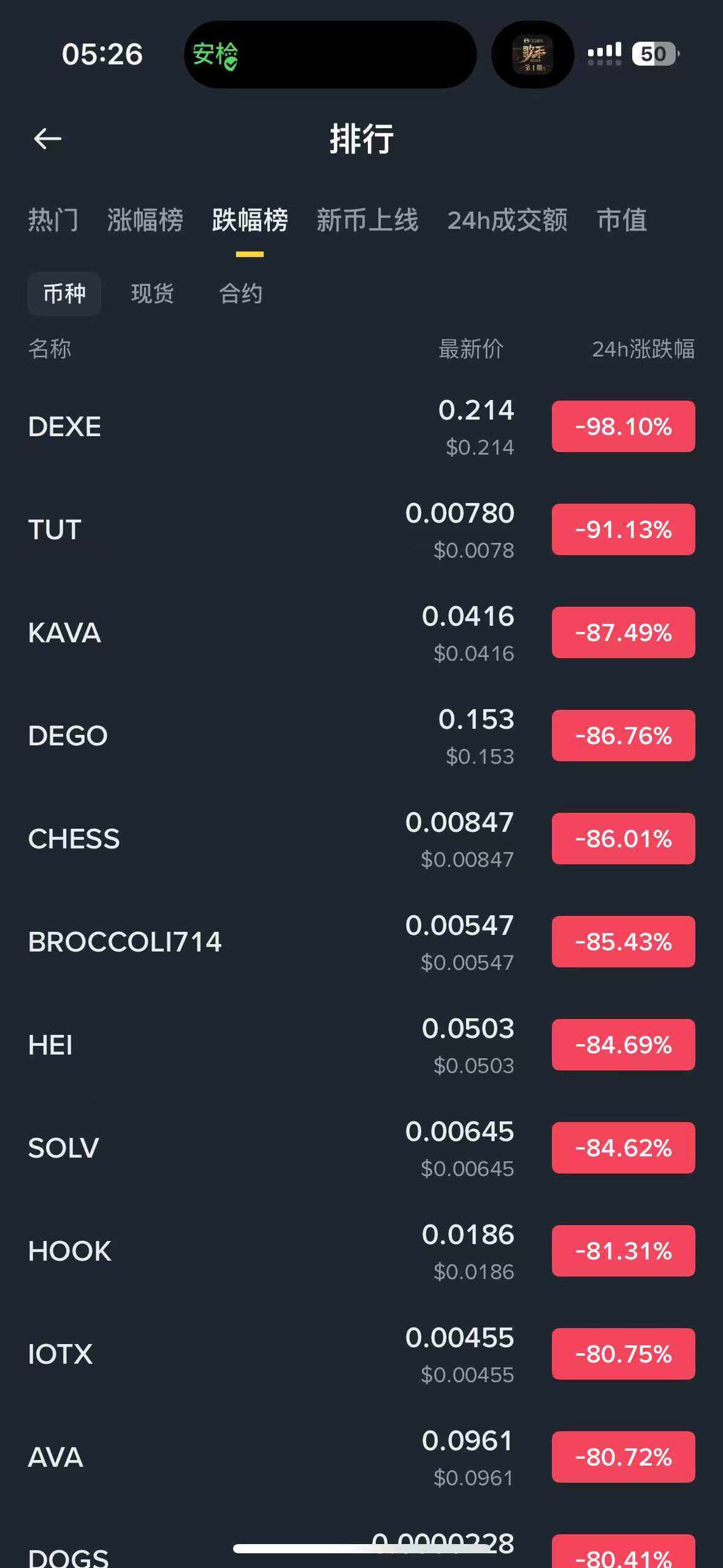
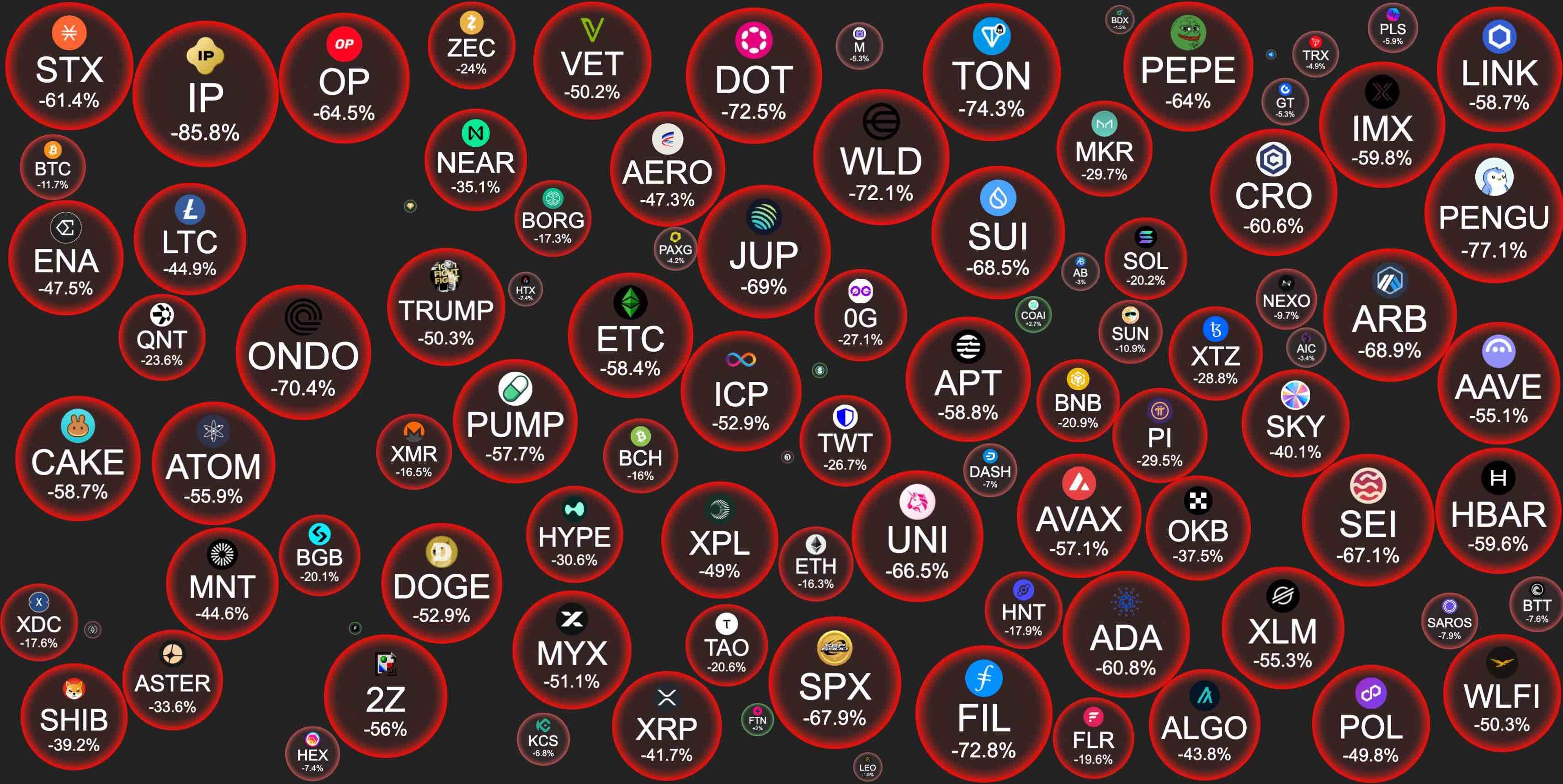
更为夸张的还是其他更小市值的山寨币,或受市场连环清算影响,多个山寨币短线跌幅超过 80% 甚至 90%。本人亲历过 312、519,但记忆中也未曾见过山寨币集体出现如此夸张的单日跌幅。
Odaily 注:清晨时的币安跌幅榜截图,这甚至还不是最低点的跌幅情况。

Coinglass 数据显示,截至今晨 7:40 左右,过去 24 小时全网爆仓总金额为 191.33 亿美元,爆仓人数多达 1,618,240 人。最大单笔爆仓为 Hyperliquid 平台某价值 2.03 亿美元的 ETH 多单。

极端行情之下,虽然绝大多数用户的仓位均遭受重创(比如麻吉一夜之间遭遇多次清算),但也有人“火中取栗”,捕捉到了极端行情下的暴富机会。

暴富机会一:直接做空

最简单的暴富机会自然是直接做空,这点不需细展开。

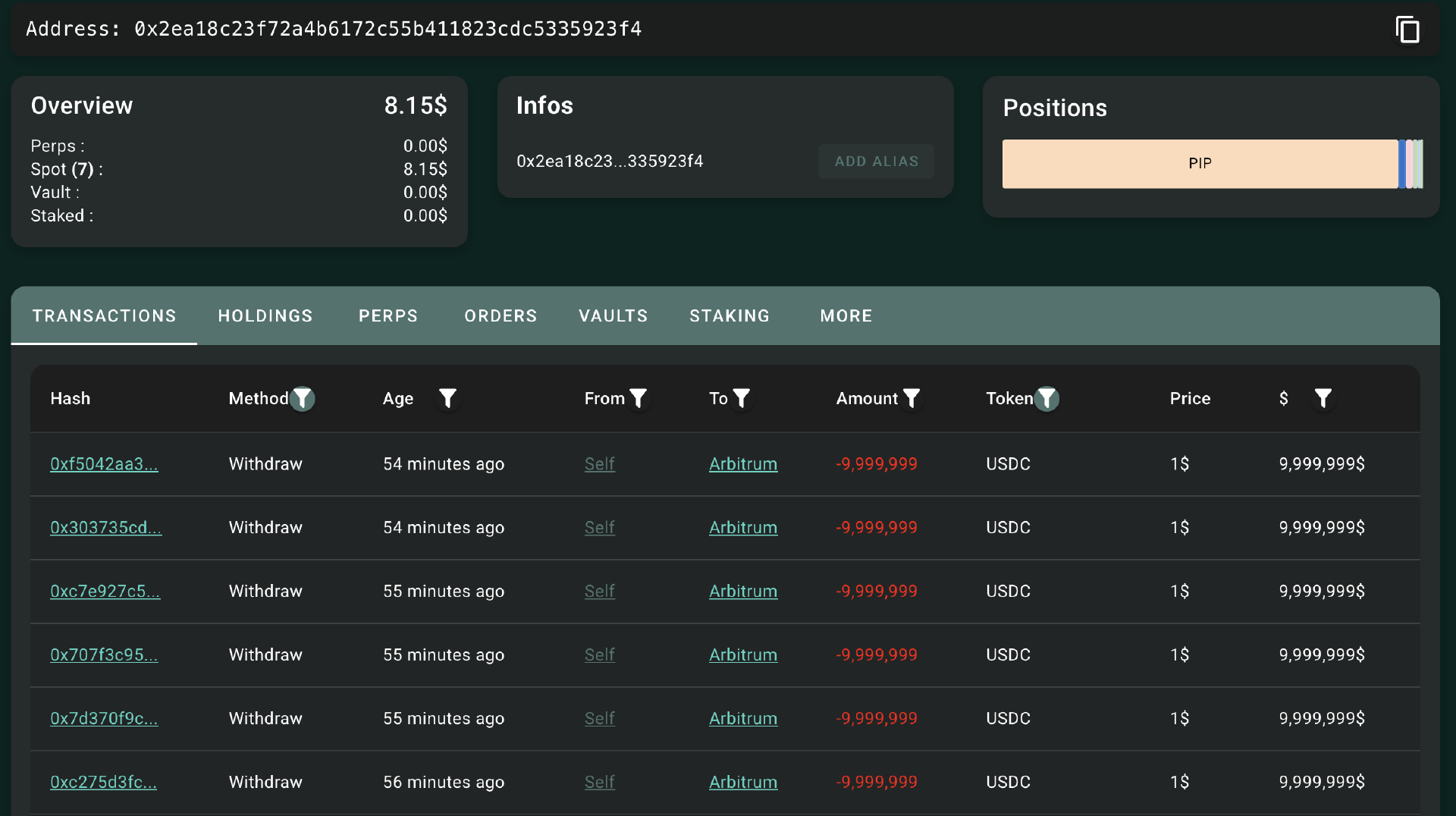
简单举个例子,Hypurrsan 数据显示,0x2ea18 开头的巨鲸地址过去 24 小时通过做空 BTC 和 ETH 盈利 7233 万美元,该巨鲸已将 6000 万美元 USDC 提回 Arbitrum,落袋为安。
暴富机会二:低位抄底

相对于合约玩家,现货用户最大的机会自然是低位抄底 —— 如果你昨夜在低位有挂单或是一夜未眠,你将有机会买到:

1.25 美元的 XRP;

0.095 美元的 DOGE;

0.55 美元的 SUI;

1 美元的 IP;

0.25 美元的 XPL;

0.1 美元的 ARB;

79 美元的 AAVE;

1.65 美元的 PENDLE;

0.05 美元的 JUP;

0.13 美元的 ENA;

2 美元的 UNI;

1.5 美元的 TRUMP;

0.001 美元的 ATOM(是的你没看错!);

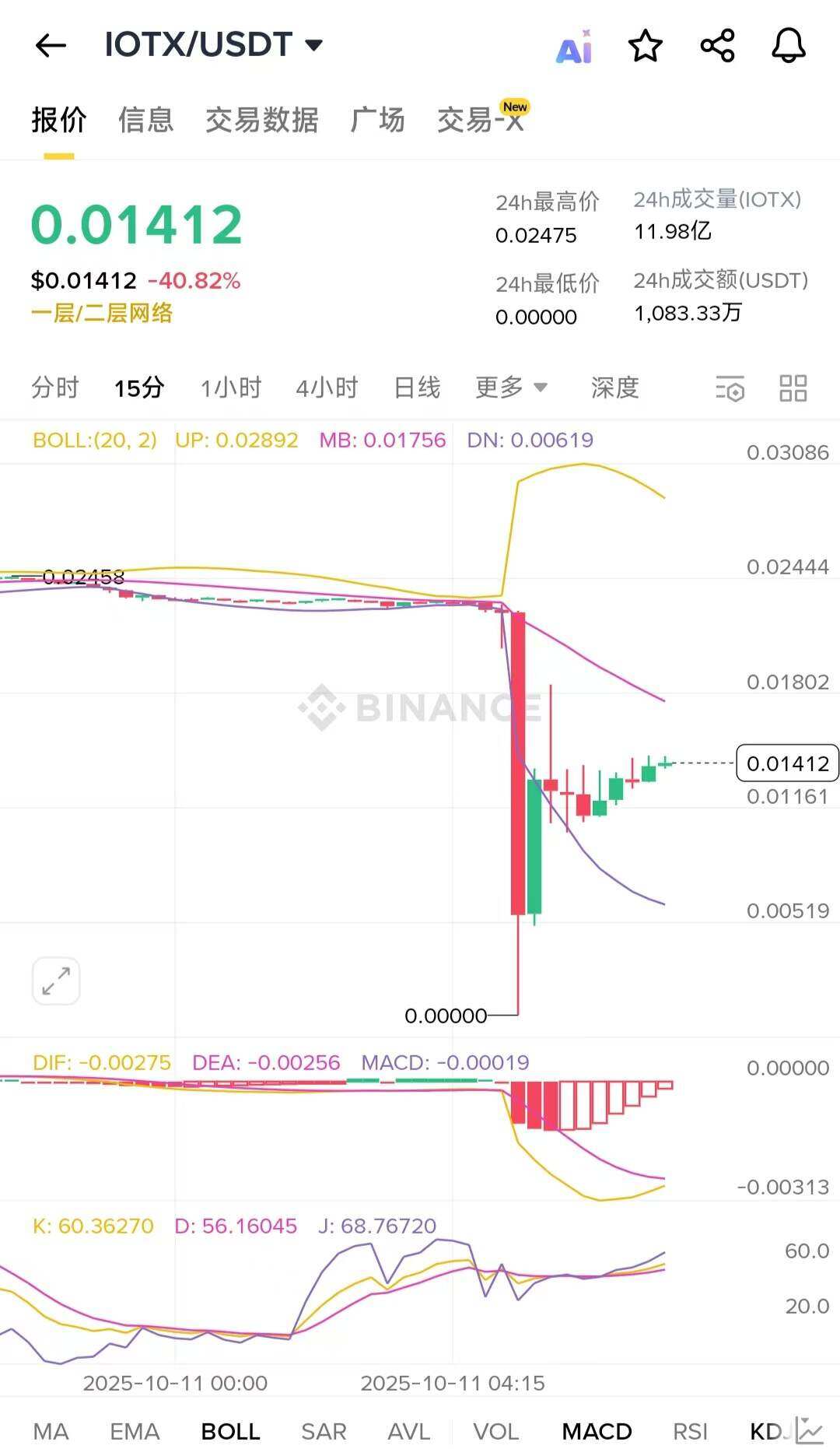
0.00000 美元的 IOTX(是的你还是没看错!直接上图 ↓ )……
除了小市值山寨之外,ETH、SOL 等主流币种虽然看似跌幅不大,但也出现了绝佳的抄底机会 —— 受流动性限制影响,部分流动性衍生代币的价格出现了极大波动,其中 WBETH 一度跌至 430 美元,BNSOL 一度跌至 34.9 美元 —— 昨晚睡前谁敢想能看到 400 的 ETH 和 30 的 SOL 呢……
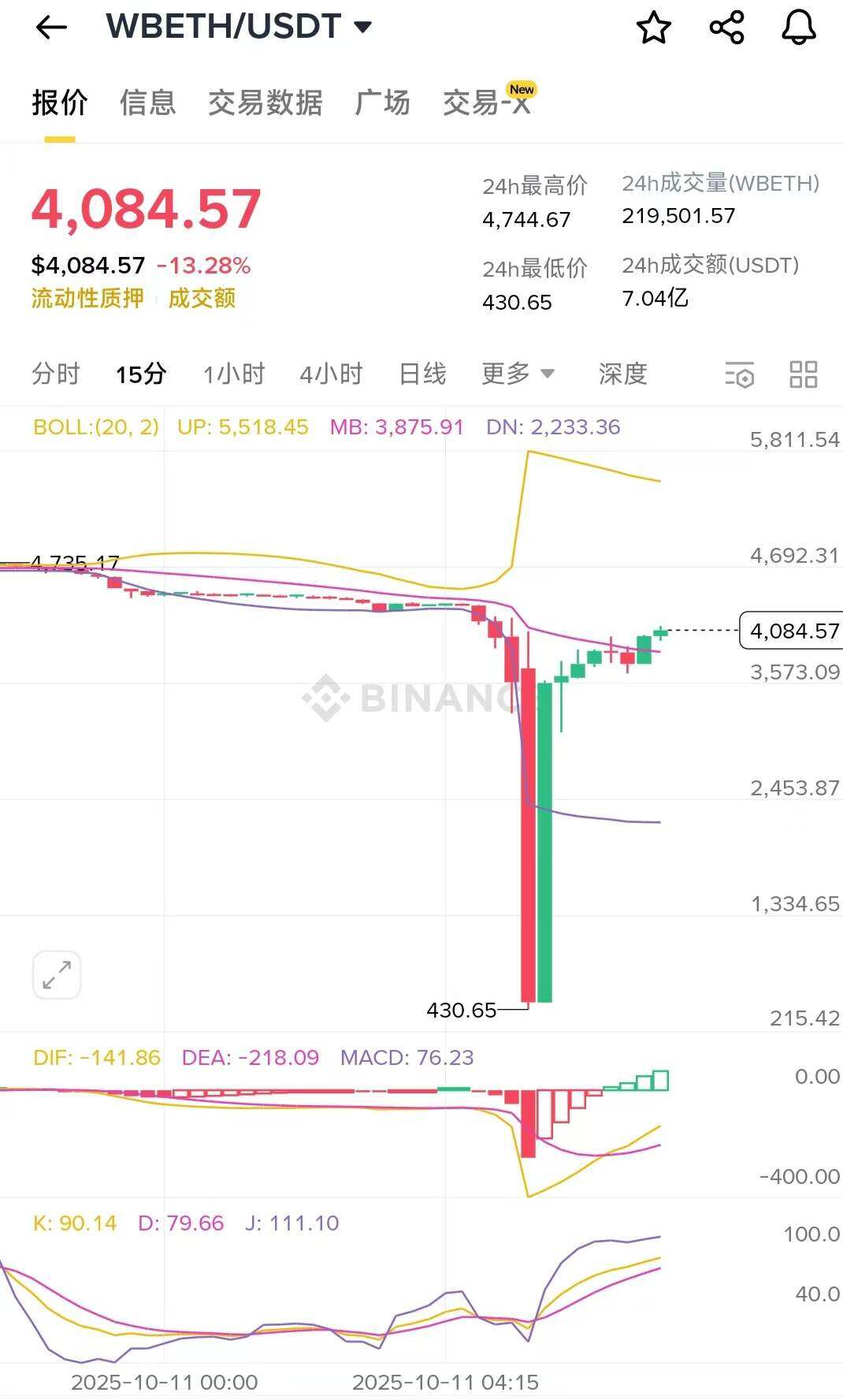
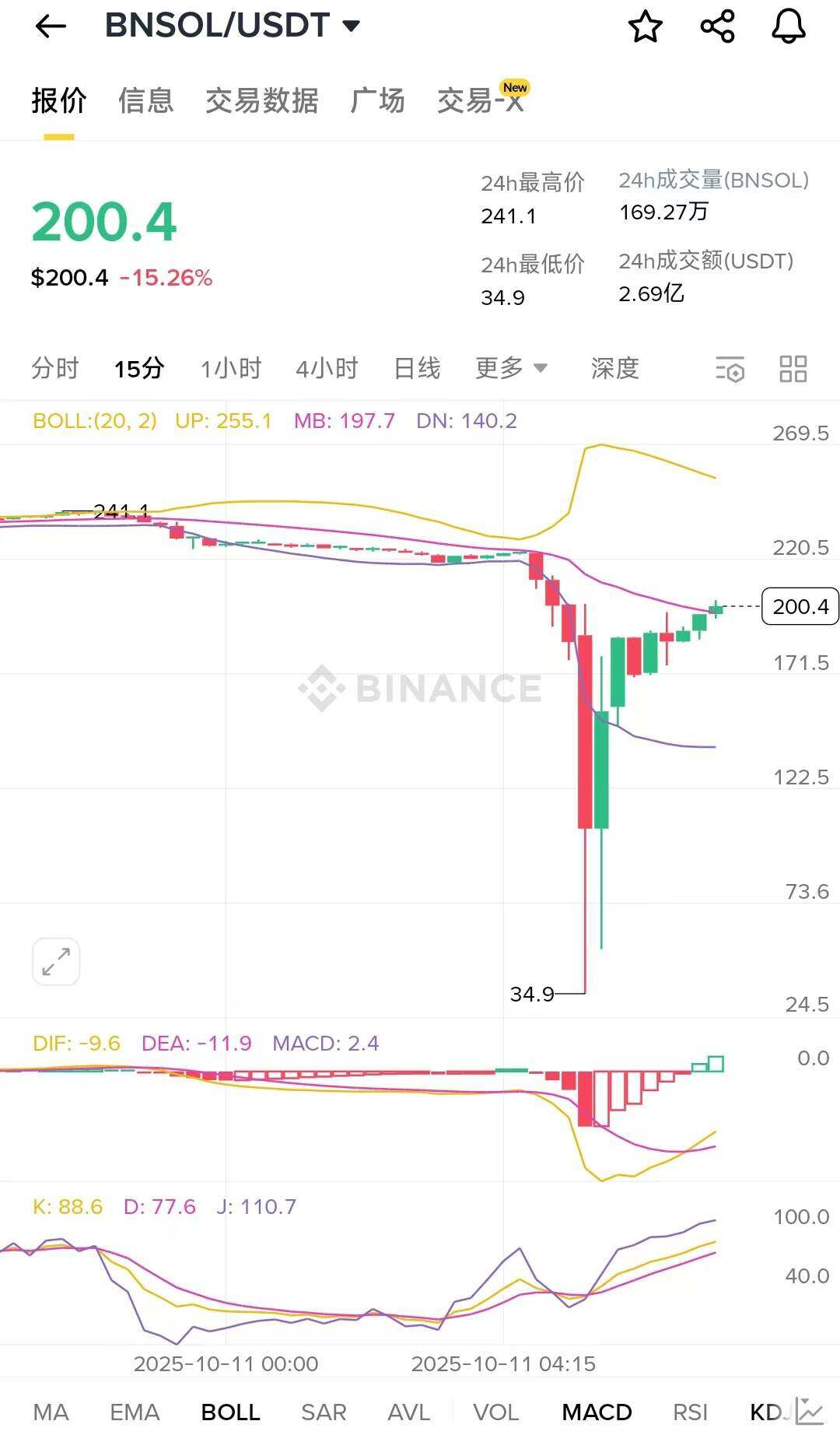
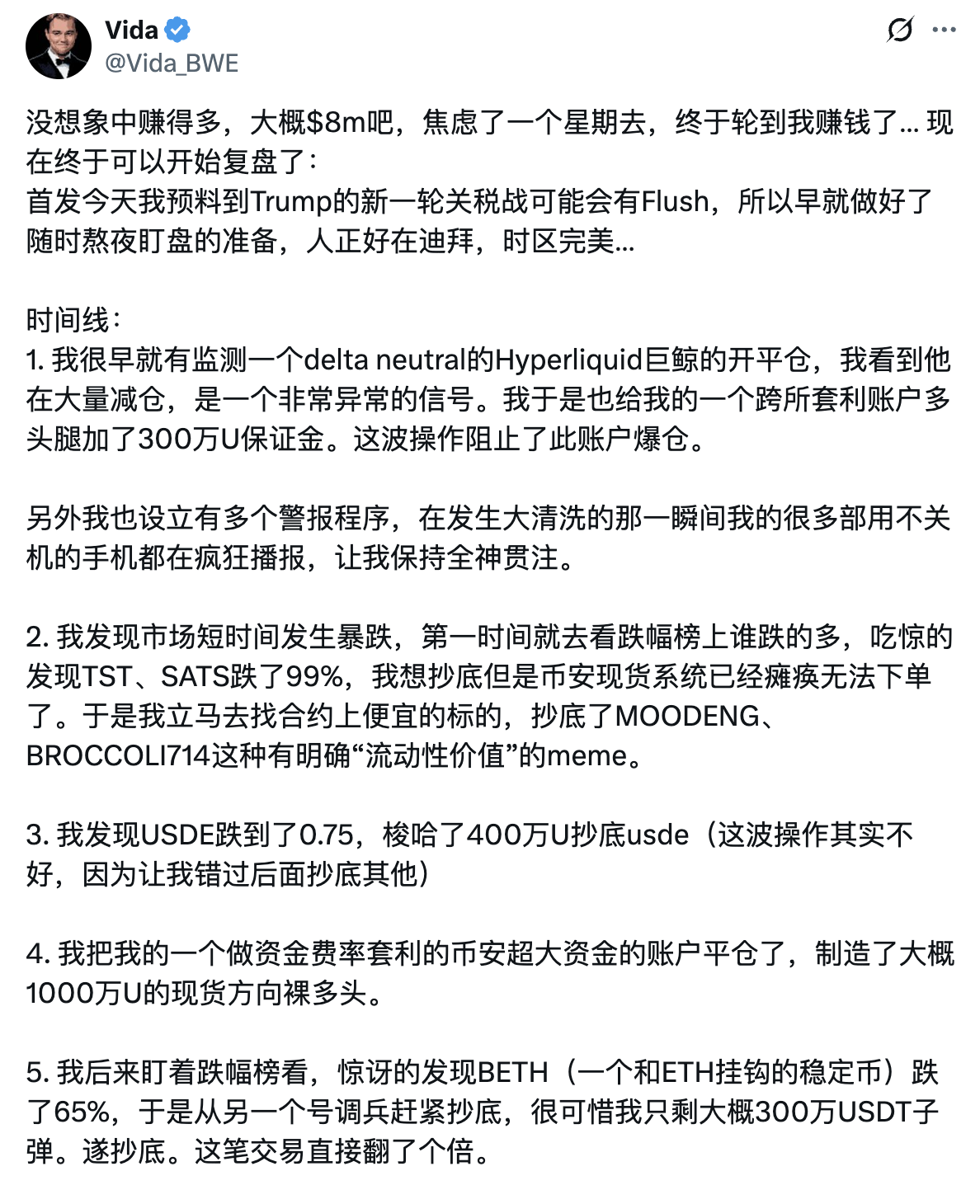
行情相对修复后,许多 KOL 都开始在 X 明牌晒单盈利状况,比如 Vida(@Vida_BWE)直接披露一夜盈利大概在 800 万美元左右。
暴富机会三:稳定币脱锚

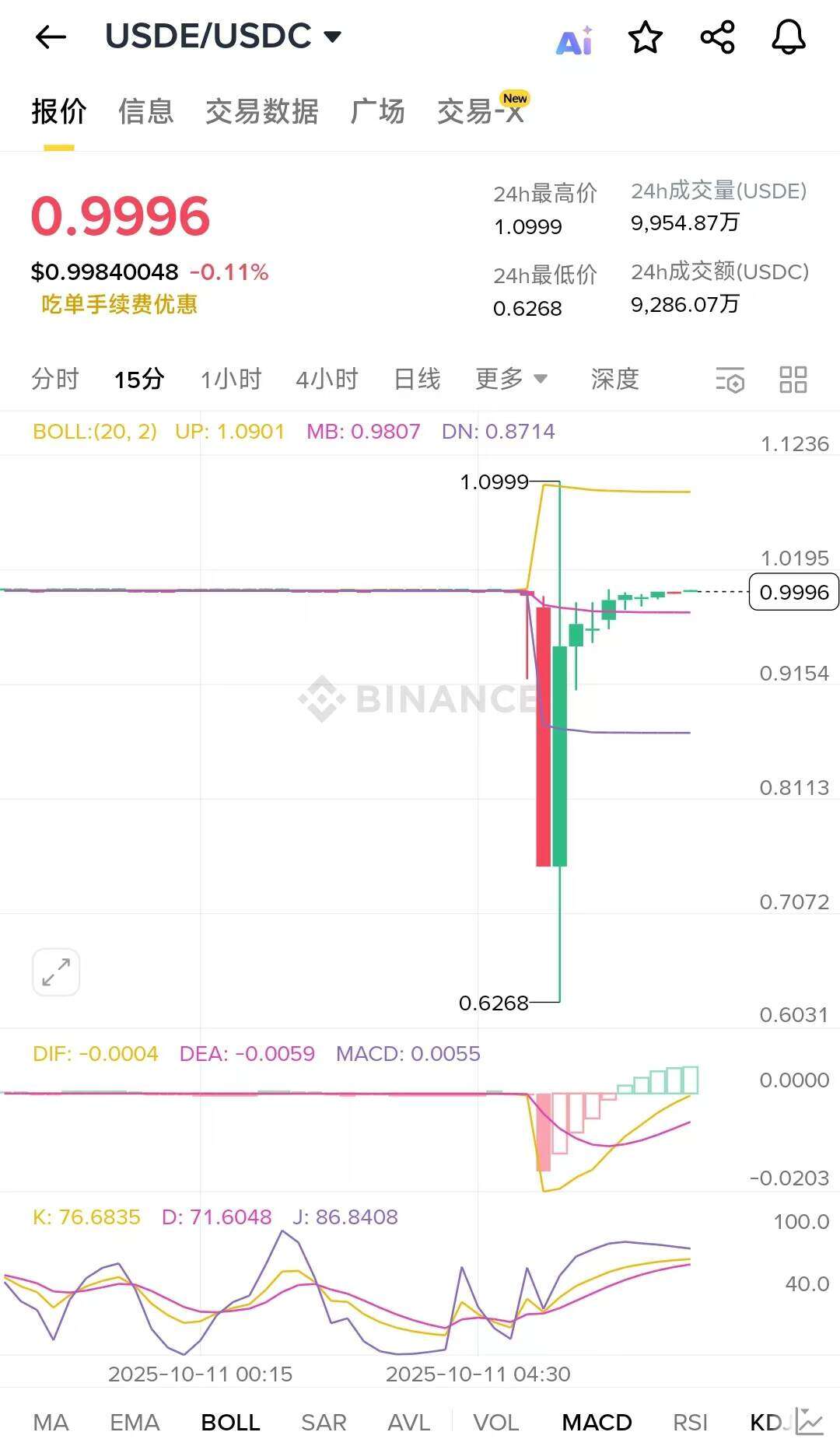
除去仍有一定不确定性的山寨外,USDe 的短线脱锚也是昨晚的一大抄底机会。

或受市场流动性影响(部分用户需要将 USDe 换回 USDT 补充保证金),USDe 昨晚一度出现脱锚,在恐慌及连环清算之下一度跌至 0.6268 美元,部分用户借此机会抄底,在锚定修复之后赚了个盆满钵满。
事后,Ethena 官方于 X 发文表示确认 USDe 安全无虞,甚至协议借极端行情还多赚了些钱 —— “由于市场动荡和大规模清算,USDe 的二级市场价格出现波动。我们可以确认 USDe 的铸造和兑换功能始终保持运行,没有出现停机,且 USDe 仍然保持超额抵押。受清算影响,市场的合约交易价格一直低于现货价格,并且持续低于现货价格。由于 Ethena 会持有现货并做空合约,这使得 USDe 意外产生了更多额外收益。因此受突发事件的影响,USDe 的超额抵押率将比昨天更高。”

无需焦虑,盈利的只是少数,错过的都是命运

对于错过了昨夜行情的人(包括本人)而言,眼睁睁看着上述机会溜走,可能多少有些羡慕或是焦虑,但事实情况是可能只有不到 1% 的用户能够借此暴富,99% 以上的用户一觉醒来只能直面账户上的亏损。

一夜之间,近 200 亿美元在合约市场灰飞烟灭,这是市场财富大转移的一夜,也是许多用户倾家荡产的一夜……在行情波动如此极端的当下,我们能做的只有降低风险,保住子弹 —— 毕竟只有留在桌上,才能玩到最后。


相关阅读

惊魂暴跌夜:单日爆仓史上最高191亿美元,财富疯狂流动

加密史上最大爆仓日背后的巨鲸刺刀战:空军酒足,提刀离席

Leituras Relacionadas

Making AI Products Is No Longer the Hard Part; Being Seen Is: Developers, Web3, and Chinese AI Opportunities at mu Shanghai

The article discusses the shifting challenges of AI entrepreneurship, based on insights from the mu Shanghai AI WEEK event in May 2026. As AI tools drastically lower the barrier to creating product prototypes, the core difficulty for startups has moved from "how to build" to "who to build for"—finding real users, sustainable business models, and community engagement. The event itself was structured as an extended, immersive developer community space rather than a traditional conference, attracting a global mix of participants (40% AI, 20-30% Web3). This format emphasized deep networking and collaborative creation over one-way presentations. A key observation is that with powerful models and coding assistants becoming ubiquitous, execution is less of a moat. The new scarce resource is judgment—identifying valuable, defensible scenarios where an application won't be quickly rendered obsolete by the next model update. This pushes competition downstream to distribution, user acquisition, and commercialization. Notably, many Web3 practitioners are migrating into AI, bringing with them expertise in community building, global collaboration, and grassroots marketing—skills highly relevant as AI apps fight for visibility. Meanwhile, opportunities in AI hardware, robotics, and embodied intelligence are seen as more durable, leveraging China's robust manufacturing and supply chain ecosystem as a key advantage. The article notes that major Chinese model companies (like MiniMax) are now actively competing for developer mindshare through community programs, hackathons, and improved tooling, recognizing developers as core users. Ultimately, the conclusion is that while AI simplifies building, the harder part of the journey is ensuring a product is truly needed, understood, and retained by its users.

marsbitHá 2m

Making AI Products Is No Longer the Hard Part; Being Seen Is: Developers, Web3, and Chinese AI Opportunities at mu Shanghai

marsbitHá 2m

Why is the RWA Boom Failing to Benefit DeFi?

The rapid growth of the tokenized real-world assets (RWA) market, now nearing $30 billion on-chain, has largely bypassed the DeFi ecosystem. Only about $2.47 billion is actively locked in DeFi protocols, indicating a penetration rate of just 9%. A major barrier is the "permissioned" architecture of most RWA products, like BlackRock's BUIDL fund, which are designed for institutional compliance. They require whitelisting, off-chain settlement, and strict investor accreditation, making them incompatible with open, permissionless DeFi applications like Aave or Uniswap. This is evident in categories like bonds/money market funds ($16.6B on-chain, $920M in DeFi) and tokenized equities ($2.7B on-chain, $78M in DeFi). Notable exceptions are private credit protocols (e.g., Maple Finance, Centrifuge) and assets like Ondo's USDY, which were designed from inception for DeFi composability, allowing them to be used freely as collateral. Morpho and Aave Horizon also demonstrate successful RWA lending integrations. However, industry reports (IOSCO, ECB) warn that growth may remain confined within traditional financial systems due to fragmented regulations, lack of unified standards, and inherent conflicts between DeFi's open logic and compliance requirements like minimum investments and fixed redemption windows. The RWA sector is effectively split into two markets: a compliant, permissioned on-chain finance market and a smaller DeFi-native market focused on composability. For DeFi penetration to rise significantly, asset issuers must prioritize designs that enable permissionless circulation from the start, moving away from models centered solely on institutional compliance.

marsbitHá 22m

Why is the RWA Boom Failing to Benefit DeFi?

marsbitHá 22m

Clarity Act Outlook: No Yield, No Payment

"Clear Act Outlook: No Yield, No Payment" analyzes the evolving U.S. regulatory landscape for stablecoins, focusing on the interplay between the proposed "Clarity Act" and the existing "Genius Act." The article argues that the Genius Act successfully fostered "payment stablecoins" by permitting tokenized assets like U.S. Treasuries as reserves. This created a structured market where stablecoin issuers (like USDC) must hold these reserves, often purchased as Tokenized Money Market Funds (TMMFs) from giants like BlackRock. These TMMFs are primarily B2B products, ensuring user-facing stablecoins remain non-interest-bearing and used primarily for payments. The upcoming Clarity Act is seen as the next phase, aiming to restrict passive yield on stablecoins. Its goal is to dismantle the arbitrage advantage of offshore stablecoins like USDT by redirecting Treasury demand towards compliant, U.S.-sanctioned TMMFs. For on-chain and compliant offshore dollars, this creates new pressure: they must spur adoption and utility to generate yield, as simple Treasury staking may be restricted. This indirectly promotes dollar circulation and sustained Treasury purchases. Ultimately, the analysis posits that U.S. regulation seeks to create a new dollar distribution model. By separating payment function from yield generation and anchoring both to U.S. debt instruments, it aims to embed the dollar and Treasury demand into the global crypto economy, managing yields through sanctioned intermediaries while leaving room for DeFi and cross-border arbitrage.

marsbitHá 51m

Clarity Act Outlook: No Yield, No Payment

marsbitHá 51m

Money Has Gone to Bonds and IPOs, Leaving Only HYPE Rising in Crypto

The article "Where Has All the Money Gone? Bonds and IPOs Are Soaring, While Crypto Only Sees HYPE Rising" analyzes the recent underperformance of major cryptocurrencies like Bitcoin and Ethereum compared to traditional financial markets. It identifies three primary factors diverting capital away from crypto: First, surging bond yields, with the 30-year U.S. Treasury hitting a near 20-year high of 5.12%, are attracting capital seeking safe, predictable returns. This is evidenced by Bitcoin spot ETFs experiencing a significant $10.39 billion net outflow in mid-May. Second, a massive $4 trillion IPO pipeline, highlighted by SpaceX's upcoming listing, is absorbing risk capital that might otherwise flow into crypto. Platforms like Hyperliquid are even channeling on-chain crypto liquidity into pre-IPO trading for traditional stocks. Third, uncertainty surrounds new Federal Reserve Chair Warsh's ability to deliver expected interest rate cuts this year due to conflicting political pressures and stubborn inflation expectations, potentially eliminating a hoped-for source of new market liquidity. Consequently, while traditional equities and bonds rally, the crypto market's post-leverage crash recovery is stalled. The notable exception is assets like Hyperliquid (HYPE), which is rising due to its role in facilitating traditional asset trading, underscoring a market divergence where only crypto projects with novel, cross-market narratives are gaining. The article concludes that Bitcoin's next major catalyst may be the August enactment of the CLARITY Act, but warns of a potential retest of the $70,000 support level before then.

marsbitHá 1h

Money Has Gone to Bonds and IPOs, Leaving Only HYPE Rising in Crypto

marsbitHá 1h

Trading

Spot
Futuros
活动图片