Is the U.S. Stock Market Also at Risk of a Crash Tonight?

marsbitPublished on 2026-02-02Last updated on 2026-02-02

Abstract

U.S. markets face heightened risk as Nasdaq futures drop nearly 1% and the S&P 500 retreats from highs, with VIX rising to 17.44. Technical analysis shows Nasdaq breaking a key upward trendline, potentially signaling a larger downtrend. Political uncertainty surrounds Trump’s potential Fed chair nominee Kevin Warsh, named in Epstein files, raising fears of hawkish policies and abrupt monetary tightening. Commodities saw a sharp sell-off, with gold down 12% and silver crashing 36%, triggering margin calls and cross-market contagion. Asian equities fell, and Bitcoin dropped below $75k. Economic vulnerabilities include rising Treasury yields, potential recession signals, and cracks in the AI-driven tech rally. Geopolitical tensions—such as potential U.S.-Iran conflict—and stagflation risks echo the 1979 crisis, suggesting possible aggressive Fed action and a major market correction. Investors are advised to prepare for increased volatility.

Following the plunge in gold and silver, the U.S. stock market is also under pressure. On February 2, Nasdaq index futures fell nearly 1% in pre-market trading, the S&P 500 index has retreated 0.43% from its high, and the fear index VIX surged to 17.44, indicating a clear shift toward caution in market sentiment.

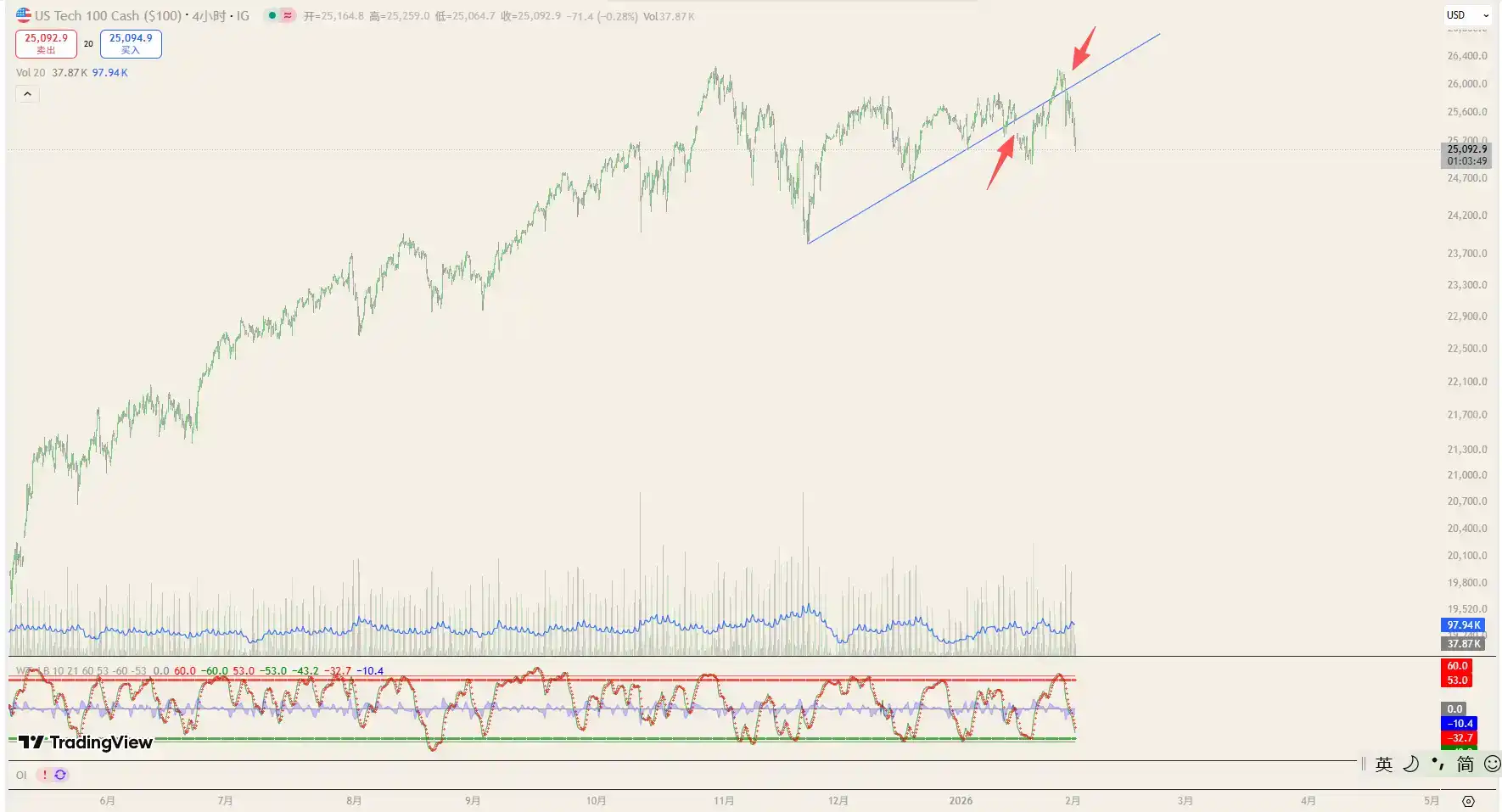
From a technical perspective, the Nasdaq index has been oscillating at high levels for three months, forming a rising wedge pattern. Now, this key upward trend line has been effectively broken for the second time, dealing a significant blow to market confidence.

If tonight's closing price falls below the previous low, forming a "Lower Low," a larger-scale downtrend may begin.
Adding to market unease is the ongoing fallout from the "Epstein Files" over the weekend. These archives, comprising over 3 million pages, have implicated Kevin Warsh, the Trump administration's nominee for the next Federal Reserve Chair.

His name appeared on the guest email list for the "St. Barts Christmas Party" in 2010. This distant political gossip has now become a real risk looming over the market.

Escalating Political Risks


Market panic stems primarily from a reassessment of policy uncertainties in the potential "Trump 2.0" era. Warsh is a staunch hawk, and his nomination almost signals the end of the low-interest-rate era.

Warsh has long been an outspoken critic of the Fed, advocating for an "institutional shift." He publicly criticized the Fed for cutting rates by a full percentage point in 2024 when inflation was above target and then hesitating, damaging its credibility.
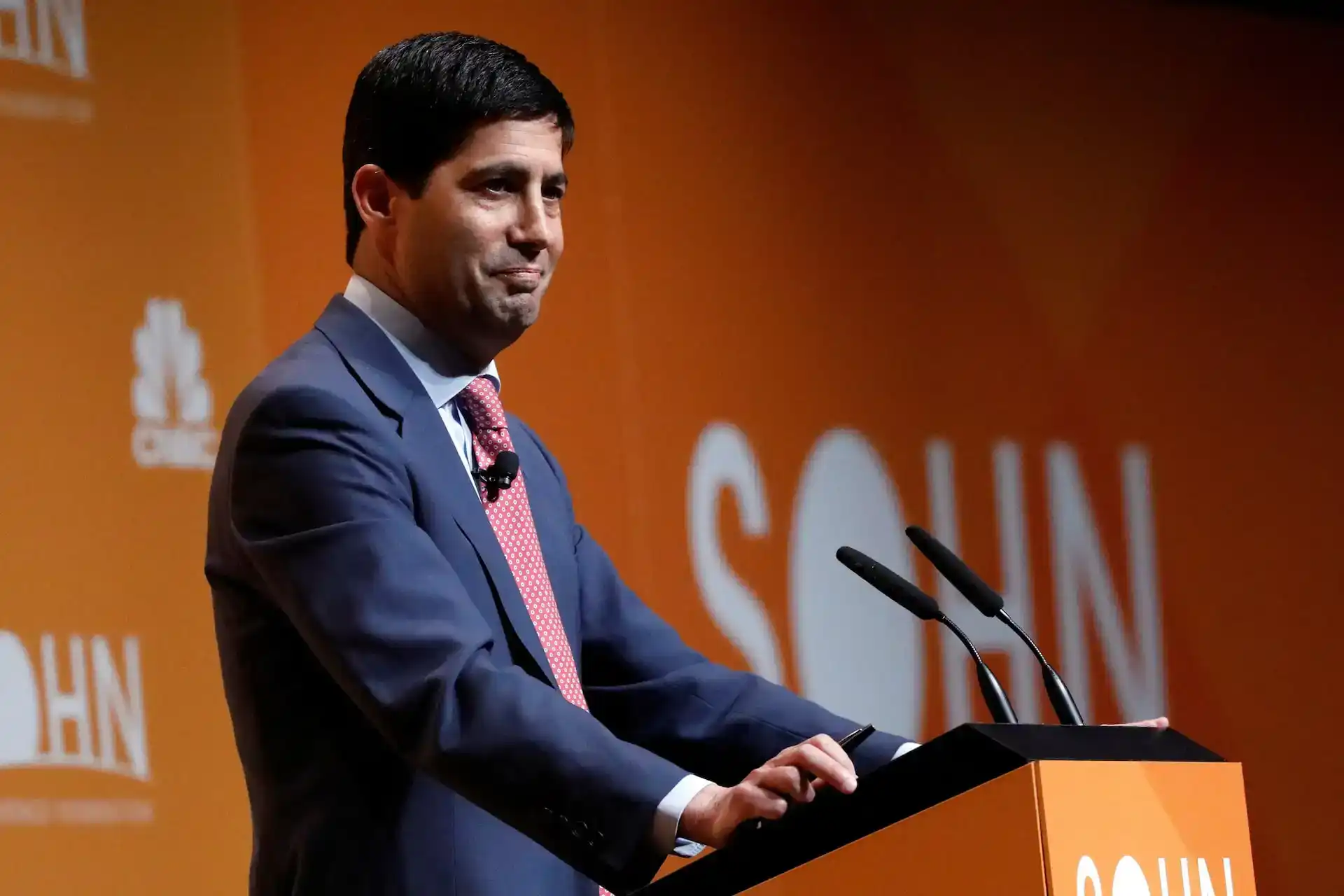
Warsh's core argument is that the Fed's massive balance sheet distorts the healthy functioning of the economy and fuels asset bubbles. He advocates for reducing the balance sheet, even if it requires tightening policies. This combination of "hawkish rate cuts" has raised concerns about a potential sharp tightening of monetary policy.

The release of the Epstein files has exposed the market to significant, unpredictable political risks. Although there is currently no evidence of Warsh's involvement in illegal activities, his association with this century's scandal itself constitutes a major political liability, making the already contentious nomination even more difficult.

Additionally, the uncertainty surrounding the Trump administration's signature tariff policies is also worrying the market. If the new round of tariffs expands in scope, it could not only hurt consumer confidence and corporate profits but also further inflate the already massive fiscal deficit.

It is projected that the U.S. fiscal deficit will reach $601 billion in the first three months of 2026 alone. This fiscal outlook, combined with the political trust crisis exposed by the Epstein files, creates an extremely fragile market environment.

Global Market and Commodity "Bloodbath"

The commodity market was the first to trigger a "long squeeze" stampede. Traditional safe-haven assets like gold and silver experienced an epic collapse, with gold prices falling by 12% at one point and silver plummeting by 36%. After ETF orders reached 30B in a single day, silver recorded its largest one-day drop since 1980, with highly leveraged long positions being liquidated en masse in a short period.

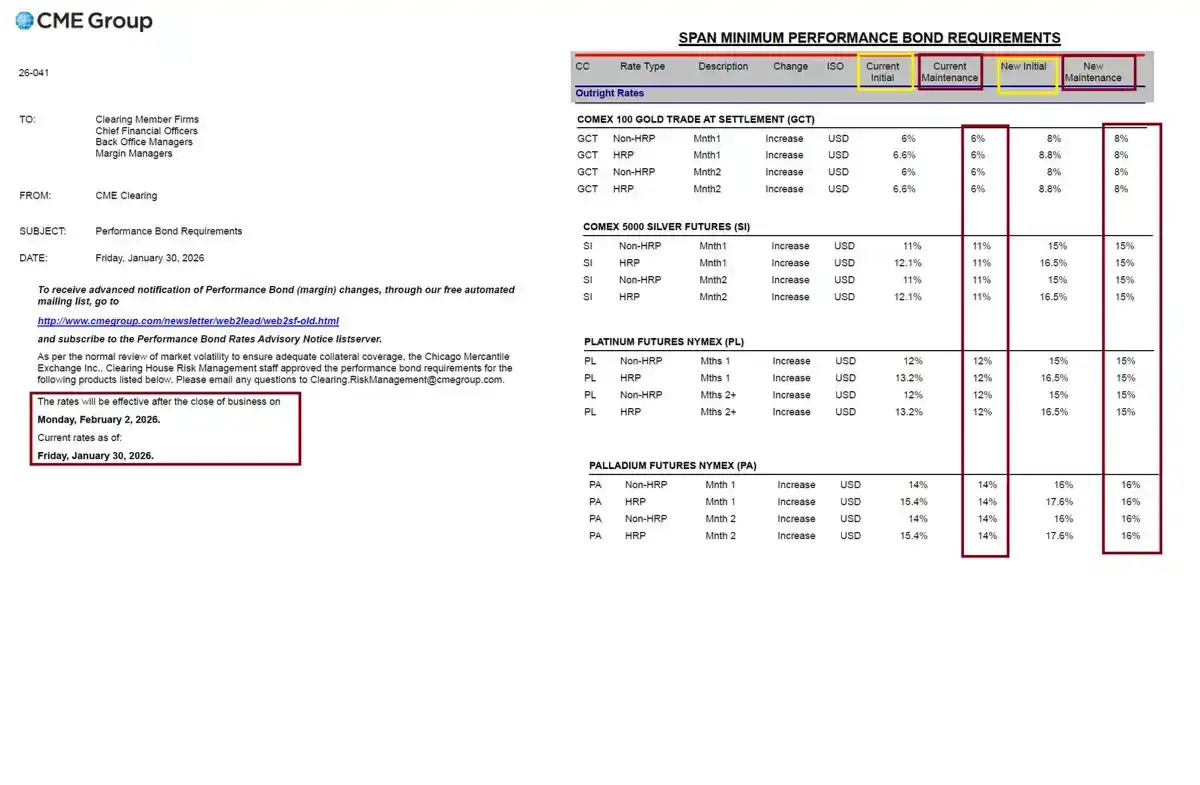
As prices fell, the Chicago Mercantile Exchange (CME) quickly raised margin requirements for gold and silver futures. For example, the margin ratio for non-high-risk silver futures accounts increased from 11% to 15%. This forced many underfunded long traders to be liquidated, with selling pressure further crushing prices and creating a vicious cycle. According to statistics, the liquidation amount for tokenized futures alone reached $140 million within 24 hours.

The storm also spread domestically, with several gold shops in Shenzhen's Shuibei district "exploding" due to participation in unqualified gold futures betting trades, involving up to 10 billion yuan and affecting thousands of investors.

Crude oil prices were not spared either, falling 5.51% to $61.62 per barrel. Weakness in Asian stock markets had already sounded the alarm, with the Nikkei index falling 1.11% and the Hang Seng Index plunging 3.15%. Bitcoin, a barometer of risk assets, also fell below the psychological threshold of $75,000. Behind this series of chain reactions may be a global deleveraging event unfolding.

When investors are forced to liquidate positions in one market (e.g., commodity futures) due to high leverage, they have to sell assets in other markets (e.g., Asian stocks, Bitcoin) to raise margin, triggering cross-market risk contagion. If this liquidity drought continues, the next target for selling could be U.S. stocks, which are currently at high valuations.

Economic Data and AI Bubble

Cracks in the economic landscape are also becoming clearer. The upcoming employment report has become the focus of market attention. If the data shows an unexpectedly cooling labor market, concerns about an economic recession will quickly intensify. The Fed is currently keeping rates unchanged, but facing persistently high inflation, its policy space is extremely limited. If inflation does not fall as expected, future rate hikes will be inevitable.

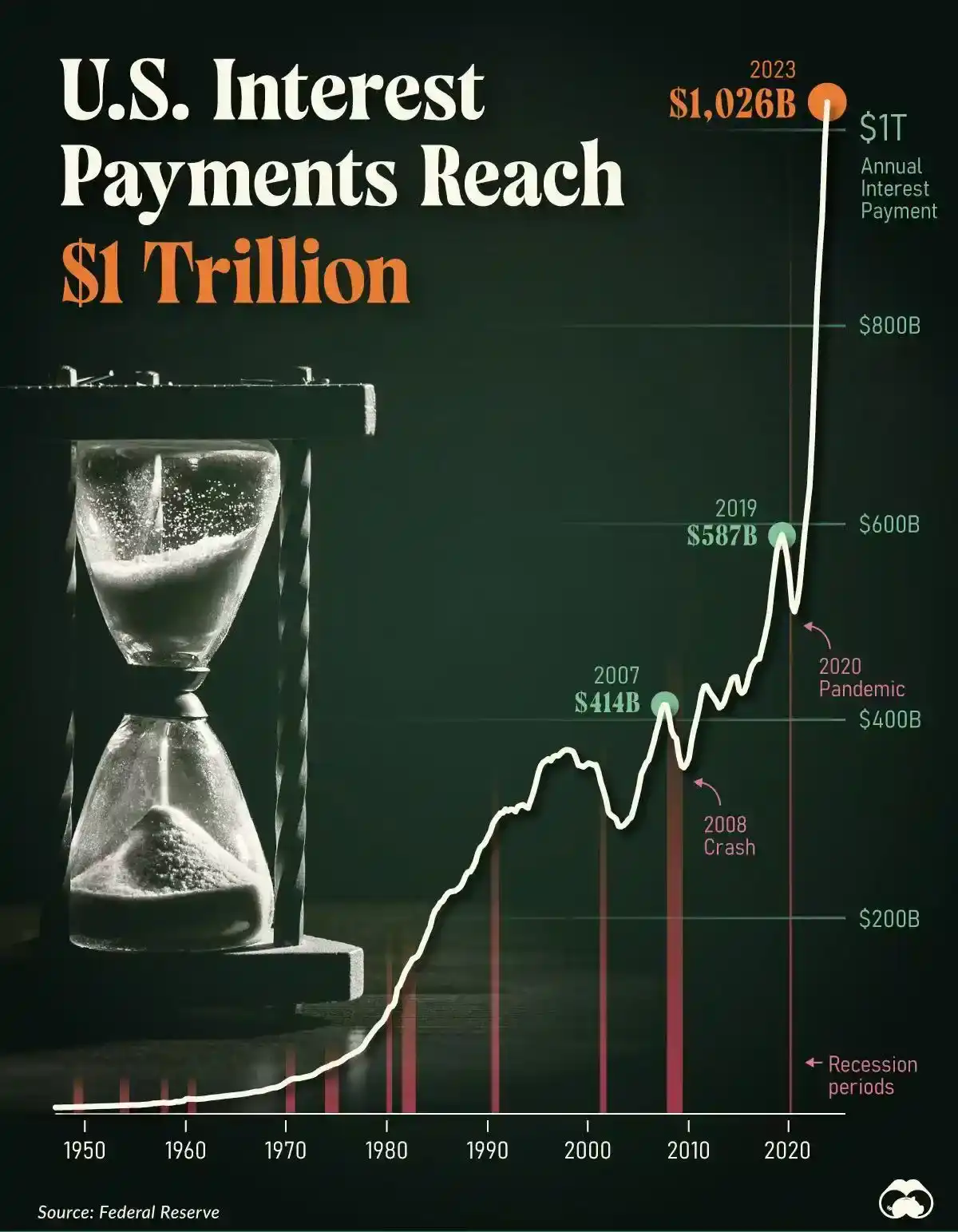
The 10-year U.S. Treasury yield has climbed to 4.218%, and the massive annual interest payments on U.S. government debt are adding to the fiscal woes. Historically, an inverted yield curve has been a reliable leading indicator of economic recessions, and the market is once again approaching this dangerous edge.
Meanwhile, the AI narrative that supported the market boom in 2025 is also showing cracks. The recent weakness in the Nasdaq index, particularly with software stocks becoming the most oversold sector in the S&P 500, indicates that market enthusiasm for AI is cooling.

Investors are beginning to realize that the commercialization and profit realization of AI are far more prolonged and challenging than imagined.

The upcoming corporate profit season, especially the earnings reports of tech giants like Amazon and Alphabet, will serve as a "litmus test" for AI. If the reports fall short of expectations, a large-scale sell-off may be inevitable.

The Ghost of 1979

The current geopolitical and macroeconomic environment bears a remarkable resemblance to 1979, which makes many seasoned investors uneasy.

1979 marked the end of the Cold War détente. In December of that year, the Soviet invasion of Afghanistan led to a sharp deterioration in U.S.-Soviet relations, pushing global geopolitical tensions to a peak.

Almost simultaneously, the Iranian Revolution triggered the second oil crisis, causing oil prices to soar and the global economy to fall into the mire of "stagflation" (economic stagnation coupled with high inflation). At the time, the Fed, under political pressure, failed to take decisive action promptly, leading to失控 inflation. It eventually took the appointment of new Chair Paul Volcker and his "shock therapy" of sharp rate hikes to curb it, but at the cost of a deep recession.

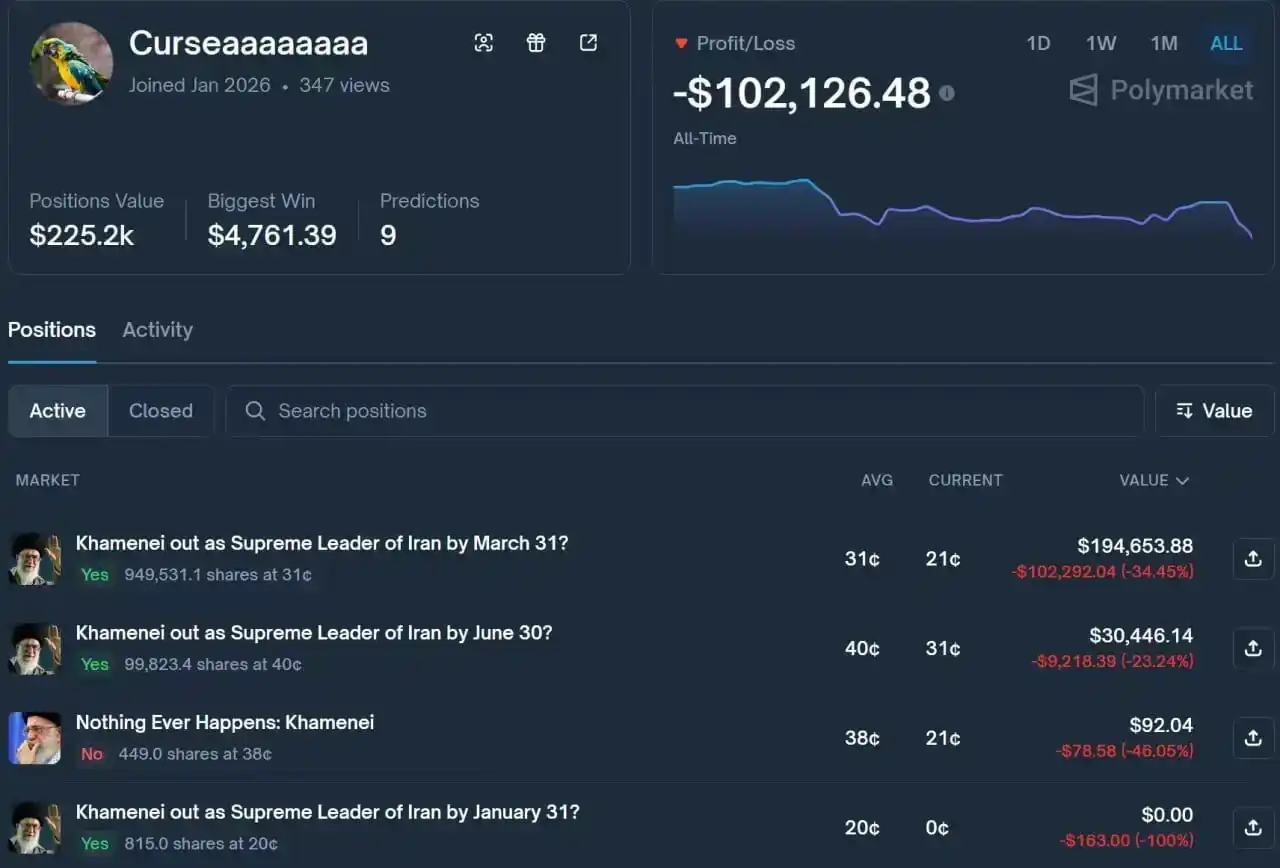
Today, we are once again facing a similar situation: heightened geopolitical tensions in the Middle East. According to data from prediction market Polymarket, as of February 2, the market believes there is a 31% probability of the U.S. striking Iran by the end of the month, with insider whales making huge bets on Khamenei's ouster.

Meanwhile, energy prices are highly volatile, and global inflationary pressures remain high. The potential interference of the Trump administration with Fed independence, coupled with the nomination of a hawk like Warsh, recalls the risks of policy errors under political pressure.

If history repeats itself, aggressive tightening policies adopted to control inflation could end this artificially prolonged bull market, triggering a dollar confidence crisis and a significant correction in U.S. stocks similar to the late 1970s and early 1980s.

For investors who have been riding high on the狂欢 of 2025, it may be time to reassess risks and prepare for potential market volatility.


Related Questions

QWhat technical pattern has the Nasdaq index formed, and why is its recent break significant?

AThe Nasdaq index has formed a rising wedge pattern over the past three months. The recent break below the key rising trendline for the second time is significant because it damages market confidence and could signal the start of a larger downtrend if the daily close is below the previous low, forming a 'Lower Low'.

QWho is Kevin Warsh and why is his potential nomination as Fed Chair causing market concern?

AKevin Warsh is a noted hawkish figure and a vocal critic of the Federal Reserve. His potential nomination is causing market concern because he advocates for an end to the low-interest era, a significant reduction of the Fed's balance sheet, and tighter monetary policy, even if combined with rate cuts ('hawkish easing'), which could lead to a sharp tightening of financial conditions.

QWhat event triggered a 'long squeeze' in the commodity markets, and what was the result?

AA 'long squeeze' was triggered in the commodity markets, leading to an epic crash where gold prices fell 12% and silver plummeted 36%, its largest single-day drop since 1980. The CME raised margin requirements, forcing highly leveraged long positions to be liquidated, which created a vicious cycle of selling and further price declines.

QWhat macroeconomic period from history does the article compare the current situation to, and why?

AThe article compares the current situation to 1979, a period marked by the end of Cold War détente, the Soviet invasion of Afghanistan, the Iranian Revolution, the second oil crisis, and global stagflation. The similarity lies in heightened geopolitical tensions, volatile energy prices, high inflation, and the risk of political pressure leading to monetary policy errors.

QWhat is putting the AI narrative that fueled the 2025 market rally under pressure?

AThe AI narrative is under pressure because the Nasdaq's recent weakness shows market enthusiasm is cooling. Investors are realizing that the commercialization and profit realization of AI is taking longer and is more difficult than anticipated. Upcoming earnings reports from tech giants like Amazon and Alphabet will be a key test; if they disappoint, it could trigger a major sell-off.

Related Reads

A Nation Blocks Chips, a Giant Buys a Nuclear Power Plant: Why It's Time to Seriously Consider DeAI

**Title: Great Powers Blockade Chips, Giants Buy Nuclear Plants: Why It's Time to Seriously Consider DeAI** In May 2026, the US closed loopholes for Chinese firms to acquire advanced NVIDIA chips via overseas subsidiaries. That same month, Kenya halted a $1B geothermal data center project involving Microsoft, fearing its immense energy consumption. Meanwhile, Huawei announced mass production of its Ascend AI chip. These disparate events underscore a new reality: the competition for computing power ("compute") has escalated beyond the tech industry, becoming a geopolitical and infrastructural battleground. A new era of oligopoly is forming, with control over the AI stack—from GPU chips (NVIDIA) and cloud platforms (AWS, Azure, Google Cloud) to foundational models (OpenAI, Anthropic)—concentrating in a few Western "AI Octopus" corporations. This centralization creates systemic risks: pricing power and platform lock-in for users, infrastructure fragility, and a widening "compute divide" that threatens to marginalize nations without independent AI capacity. An "AI Iron Curtain" is deepening through export controls. In response, some nations like Saudi Arabia and the UAE are investing heavily to buy compute power, aiming to transition from oil to AI economies. The EU seeks to triple its compute capacity by 2030 to reduce dependency. However, the spending gap is vast, with four US tech giants alone planning ~$750B in AI capex for 2026. The race is increasingly constrained by energy, with AI tasks consuming up to 1000x more power than web searches, pushing firms to even acquire nuclear plants. This landscape is fueling interest in Decentralized AI (DeAI). It proposes a third way: using open protocols to coordinate a global network of idle GPUs, independent developers, and data centers, creating an AI infrastructure without a single controlling entity. Leveraging blockchain and cryptographic verification, DeAI aims to break market concentration, disperse energy demands, reduce geopolitical dependencies, and enhance transparency. While still nascent in performance and stability, DeAI's core promise is not immediate superiority but providing a crucial alternative architecture to resist monopoly, censorship, and centralized power. As specialized AI hardware costs fall and open-source models flourish, the window to build this foundation is open. The very existence of such competition serves as a vital check against the inevitable abuse of concentrated power.

marsbit45m ago

A Nation Blocks Chips, a Giant Buys a Nuclear Power Plant: Why It's Time to Seriously Consider DeAI

marsbit45m ago

Outpoll Review: A Prediction Market Platform Built for Active Traders

Outpoll Review: A Prediction Market Platform Built for Active Traders In recent years, prediction markets have grown from a niche sector to a mainstream arena, attracting billions in trading volume and institutional capital. However, the user experience and tools for traders have not kept pace. Outpoll, a new global prediction market platform, aims to fill this gap by providing enhanced trading infrastructure for active and professional traders. Built on standard prediction market principles, Outpoll allows users to trade on the outcome of specific events. It uses fully collateralized contracts with USDC settlement, charges a competitive 0.1% fee per trade, and provides clear settlement rules upfront to minimize disputes. A key focus for Outpoll is its professional-grade trading tools. The platform supports limit and market orders, as well as take-profit and stop-loss orders for open positions—features uncommon in prediction markets. For automated trading, Outpoll offers comprehensive REST and WebSocket APIs, enabling portfolio management, price arbitrage, and integration with existing tools. The platform also features a creator-led market model, where approved experts and community leaders can create and manage markets for niche topics under platform supervision. Its integrated interface combines news feeds directly with trading functions, allowing users to monitor events and manage positions seamlessly. Outpoll launched with a native Android app (available on Google Play) and plans an iOS version later this year. In summary, Outpoll distinguishes itself with trader-focused tools, practical APIs, transparent and collateralized markets, integrated news, and an expanding creator program. For active traders, its advanced order types and API access alone make it a platform worth watching. Outpoll is now globally accessible via outpoll.com and Google Play.

marsbit54m ago

Outpoll Review: A Prediction Market Platform Built for Active Traders

marsbit54m ago

Bitwise: Crypto Becomes a Contrarian Investment, Three Logics to Understand the Current Market

**Summary** Matt Hougan, Bitwise's CIO, analyzes the current crypto market through three key lenses, arguing it has shifted from a momentum-driven to a contrarian investment. **1) Crypto Becomes a Contrarian Play:** The market is weak, with major assets like Bitcoin and Ethereum down significantly. Capital has moved to hot sectors like AI, leaving crypto as an "unloved" asset class. This transforms crypto investing from trend-following to a test of patience and fundamental analysis. Investors now favor projects with solid fundamentals (e.g., Hyperliquid) over speculative ones. **2) Regulatory Overhang:** The uncertain fate of the U.S. CLARITY Act, a major crypto regulatory framework, is a key headwind. With its passage in 2024 seen as far from guaranteed (estimates range from 30-55%), institutional capital remains on the sidelines, choosing less risky alternatives like AI stocks. The market needs clarity—whether the bill passes or fails—more than any specific outcome to move decisively. **3) Capital Rotates to New Fundamentals:** This cycle differs from past bear markets where money fled to Bitcoin. Now, capital seeks smaller assets with strong use cases. While major cryptos fell in May 2024, tokens like Hyperliquid (+72%), Zcash (+50%), and XLM (+44%) rallied on their specific fundamentals. This rotation confirms the new contrarian, fundamentals-driven logic and signals the bear market may be in its later stages. **Conclusion:** Short-term pressure persists due to regulatory uncertainty and competition from AI narratives. Investing in crypto now requires a contrarian mindset—acting against the crowd and focusing on fundamental value. Patience and targeting high-quality projects based on their merits are essential for capturing long-term gains.

marsbit1h ago

Bitwise: Crypto Becomes a Contrarian Investment, Three Logics to Understand the Current Market

marsbit1h ago

Trading

Spot
Futures
活动图片