Written by: Abhi
Compiled by: Chopper, Foresight News
Crypto marketing in 2026 will be driven by conversion efficiency as its core. Outstanding teams are building a system that consistently transforms content, creators, and credibility into on-chain actions. When user trust can be steadily converted into tangible actions time and again, marketing effectiveness grows exponentially; conversely, if it only attracts user attention but fails to drive subsequent actions, its value diminishes continuously.
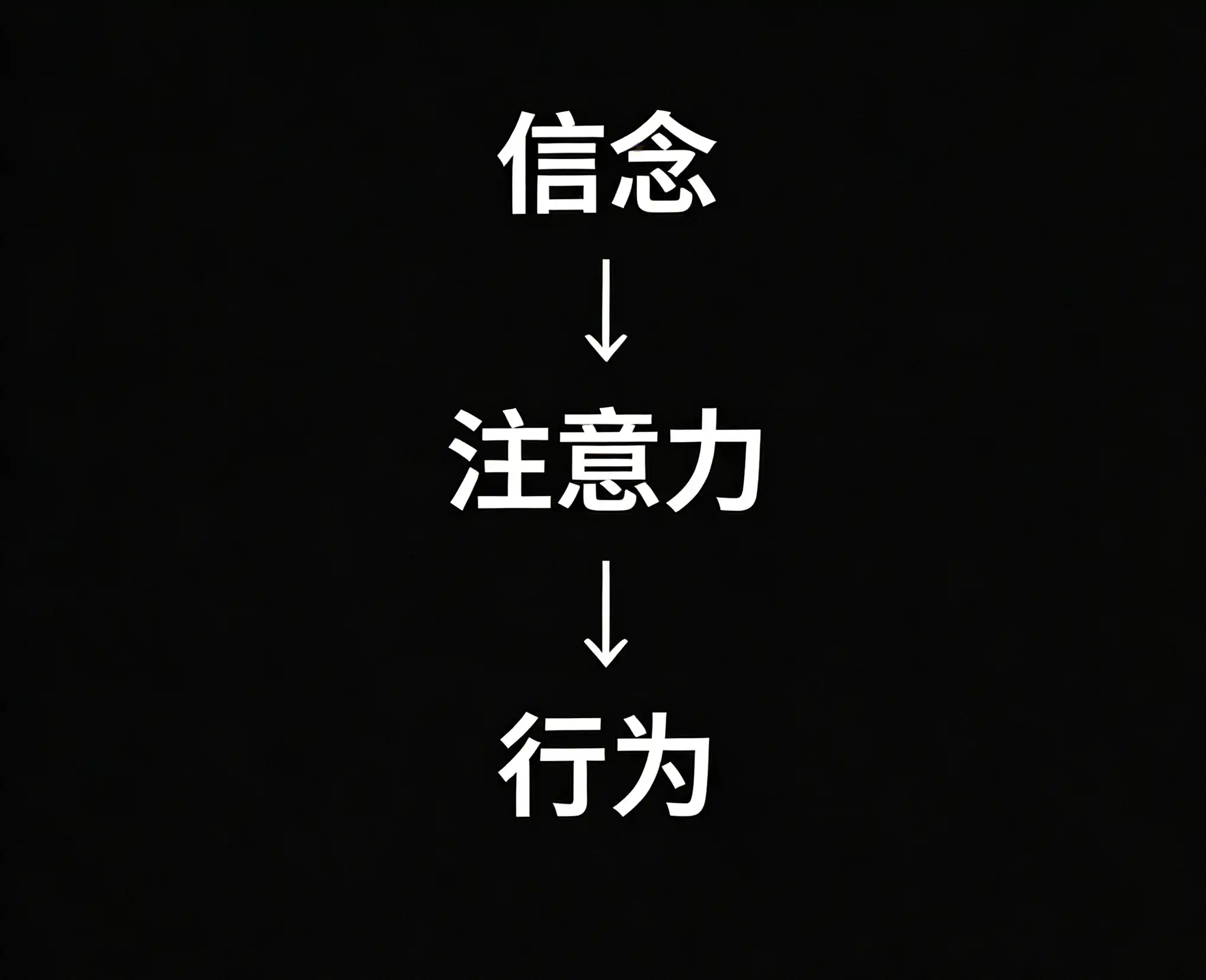
We view marketing as a quantifiable system. Our core work is tracking how content, creators, and marketing campaigns convert user trust into tangible outcomes, such as user growth, liquidity injection, increased trading volume, and improved user retention. The key to winning in 2026 marketing lies in identifying the narratives and communication channels that truly drive user on-chain behavior.
Quality Content as the Core
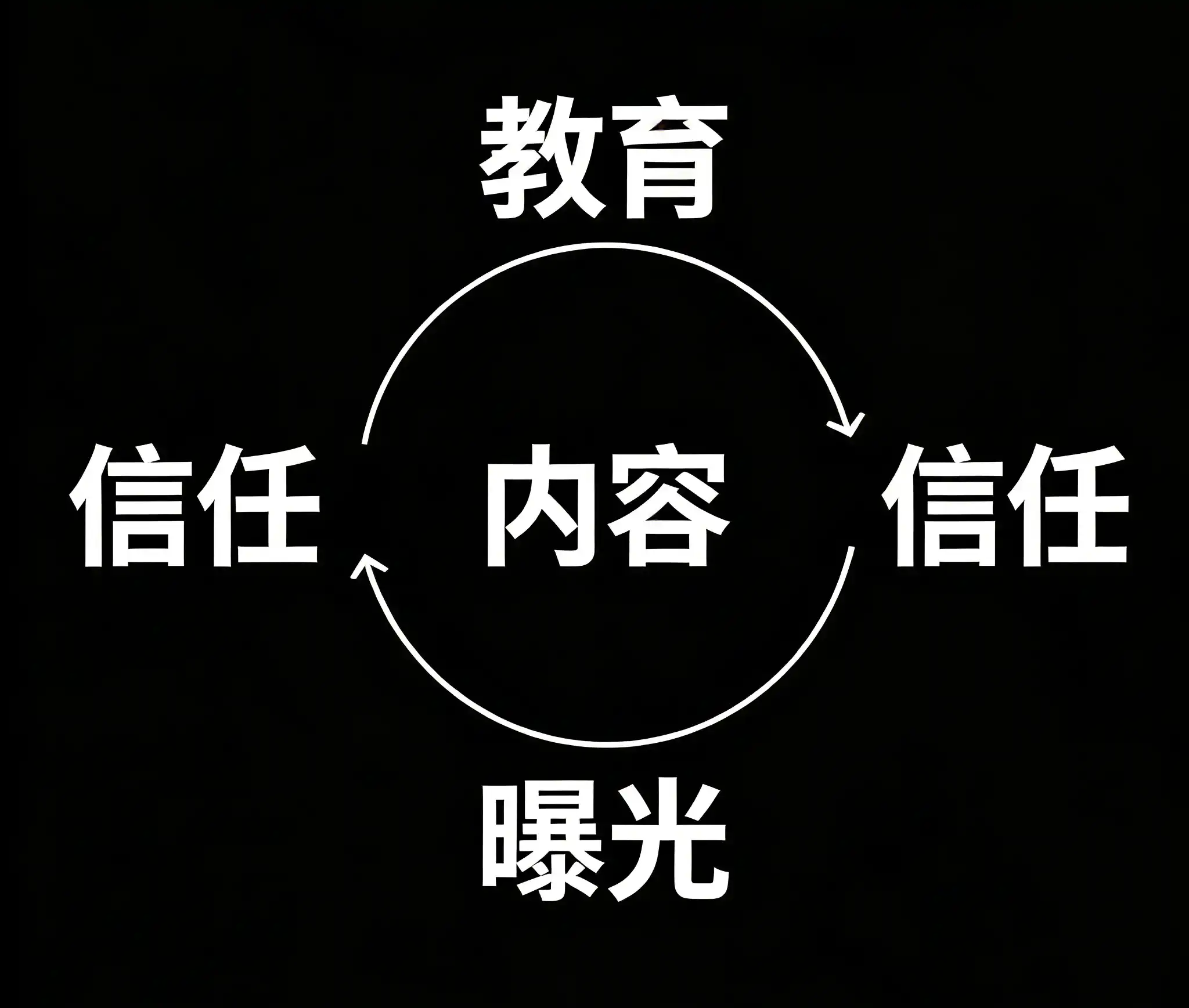
Content marketing is currently the most important yet most undervalued aspect of crypto marketing. In-depth long-form analyses, market trend commentaries, and insights from industry practitioners shape users' perceptions of a product even before they interact with it.
Top-tier teams treat content as "infrastructure." This type of content is not designed for short-term gains but is sustainable, accumulative, and explanatory. Over time, it builds user familiarity and trust across multiple market cycles.
Case Study: Moonpay and Phantom heavily rely on consistently published market commentaries and video content. Their user growth is driven by users repeatedly encountering clear explanations of how the market operates and the value it provides.
Personality Trust Above All
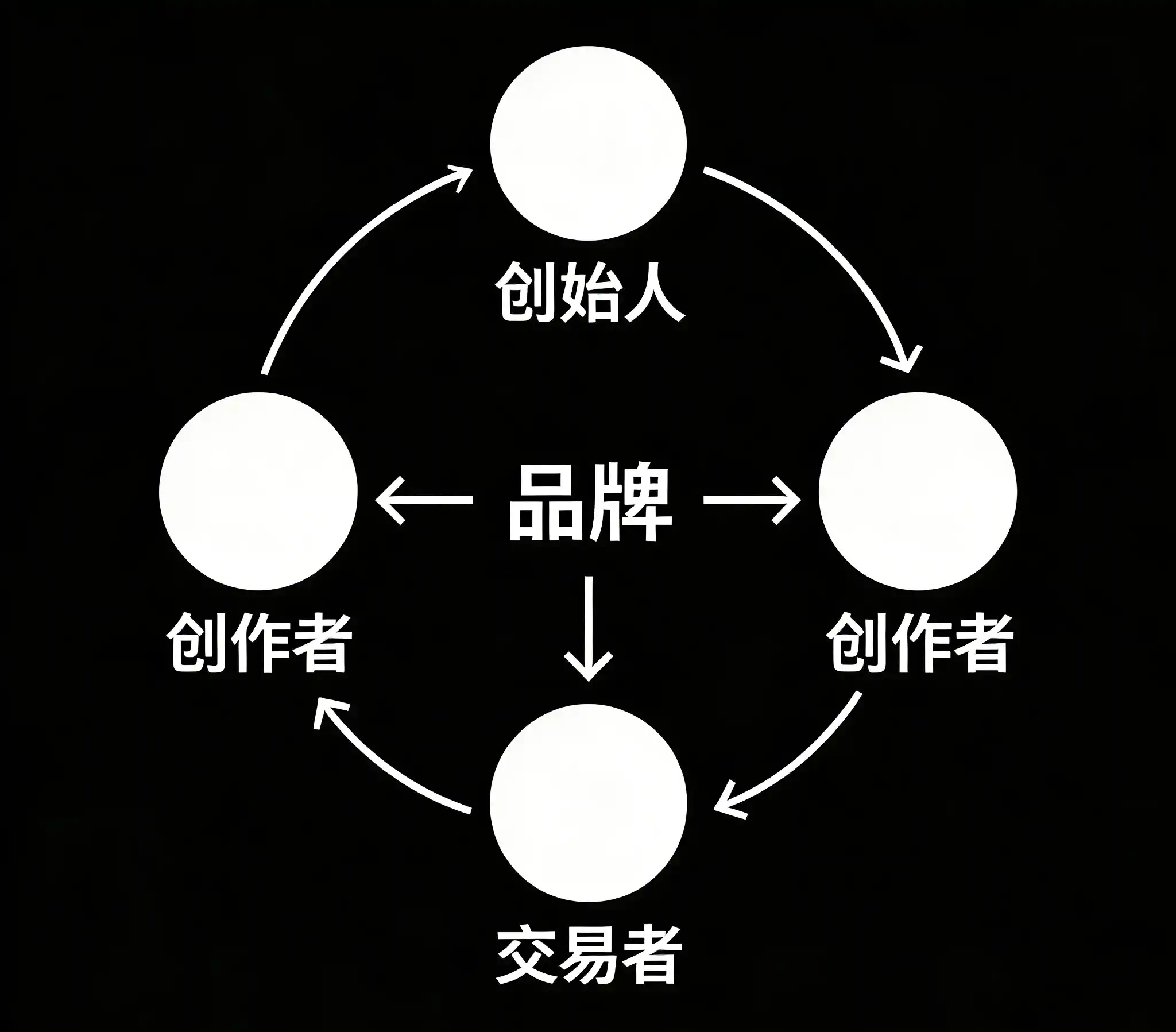
In practice, user reach and conversion in crypto are often achieved through credible individuals rather than official institutional accounts. Project founders, traders, analysts, and developers are the core carriers of user trust. The role of a brand's official account should be to support, amplify, and archive, not to lead marketing.
Teams that understand this well deliberately design communication strategies around a few core individual accounts and involve these key figures early in shaping the narrative direction and controlling the marketing tempo.
Case Study: The user growth of Kalshi and Polymarket largely did not come from brand-led marketing campaigns but from practitioners explaining the platform's market logic to the outside world through their personal accounts.
Target the Right Audience
Once the foundation of trust and communication channels are built, conversion effectiveness depends on audience targeting. In 2026, the core criterion for judging audience fit is users' observable on-chain behavior. A wallet's transaction history directly reflects a user's investment intent, level of expertise, and willingness to act.
Efficient marketing systems segment users based on their on-chain behavior and then tailor marketing messages and call-to-actions accordingly. This strategy reduces marketing resource waste and increases user product engagement depth.
Case Study: Jupiter consistently designs its messaging around the behavioral characteristics of active traders. The platform pushes different narrative content and tool guidance based on how users interact with the product, ultimately achieving higher conversion and retention rates.

Craft a Sticky Narrative
Excellent teams choose a core narrative and consistently adhere to it in product design, content output, and partnership promotions. This core narrative must precisely match the product's core functionality while clearly communicating its current value. Secondary narratives are intentionally downplayed.
This strategy shortens the user's cognitive cycle and helps the product establish a solid position in the market.
Case Study: Polymarket has always operated around the core narrative of "expressing real-world information through markets." Product design and content output continuously reinforce this perception, ensuring its market positioning remains clear and defined even as the platform scales.

Build a High-Value Community
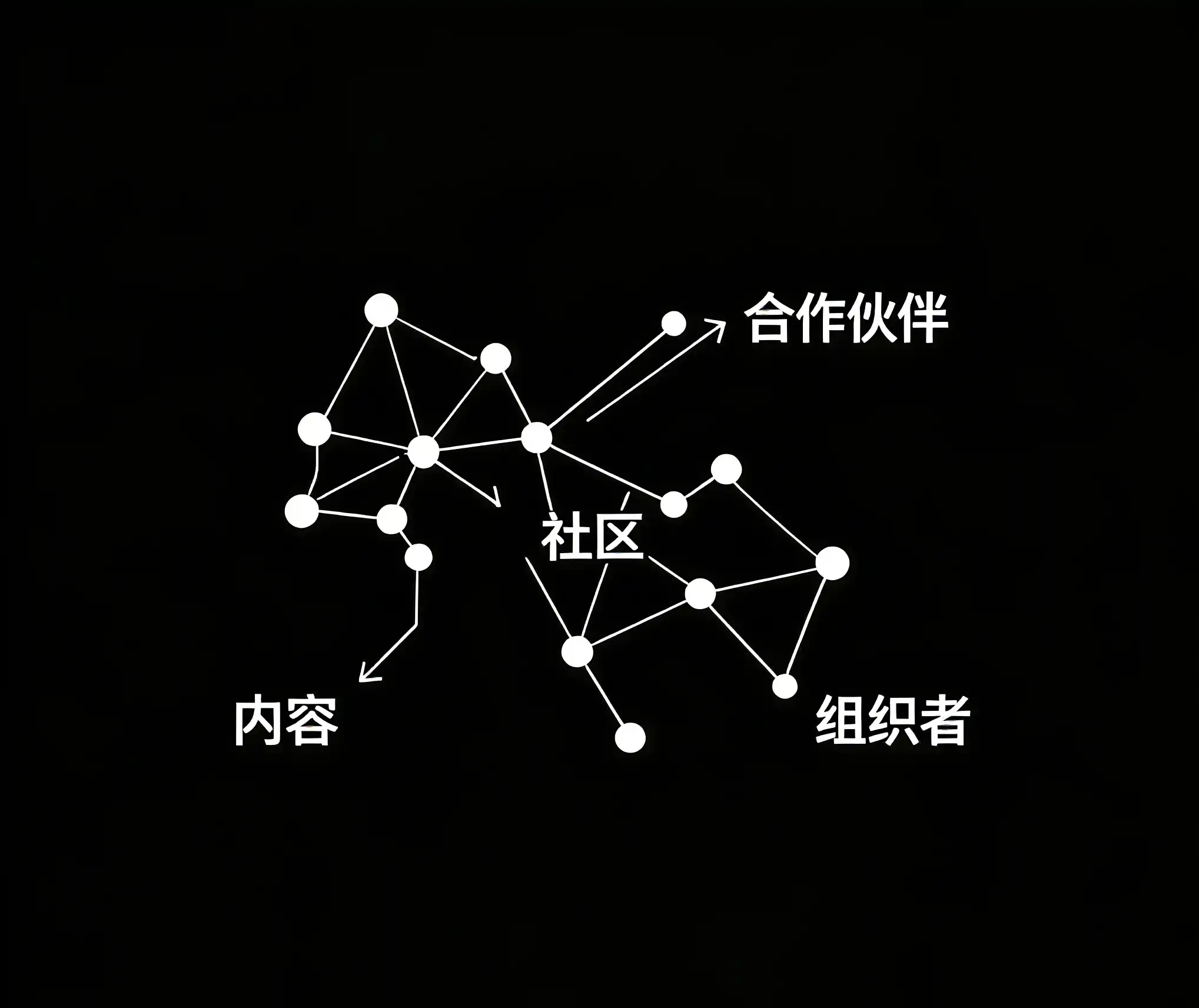
Effective community management is output-oriented at its core. Community members contribute value by creating content, participating in governance, driving localization efforts, expanding partnership resources, and organizing offline events. The measure of user participation is actual contribution, not mere activity.
This model allows teams to scale community influence without increasing human resource costs.
Case Study: The development of the Solana ecosystem benefited greatly from the spontaneous efforts of numerous independent developers and regional operators. They strengthened ecosystem consensus while independently expanding user reach and product use cases.
Partner with Creators Aligned for the Long Term
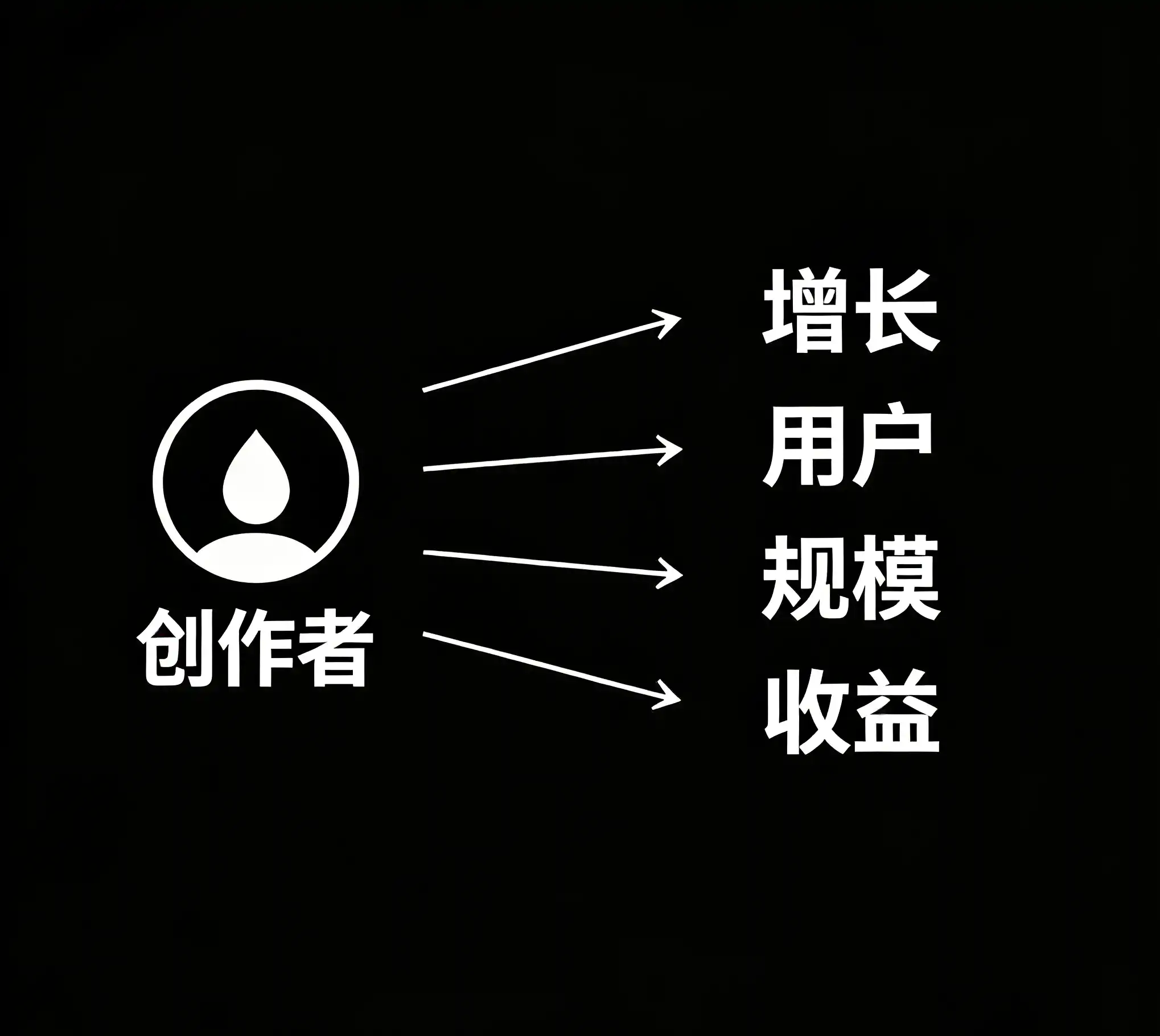
Collaboration models with creators will involve fixed service fees, performance-based incentive sharing, or revenue-binding mechanisms tied to product usage or transaction volume. This alignment of interests drives creators to produce higher-quality content and continue advocating for the product even during non-speculative cycles.
Case Study: Polymarket benefits from such long-term creator partnerships. These creators consistently produce market commentary content for the platform because their earnings are linked to the platform's actual usage volume, not short-term traffic exposure.
Financialized Marketing
By 2026, the mainstream model for crypto marketing will be financialized marketing. The value of information, content, and communication channels will be measured by the quantifiable outcomes they drive. Marketing decisions will be made using the same data dashboard as product decisions and growth decisions.
This model eliminates the blindness of marketing decisions while strengthening accountability for the marketing team's results.
Case Study: Polymarket can directly convert information into platform trading volume, while Kalshi can transform market analysis and interpretation into user engagement. In both cases, user trust is directly converted into tangible economic behavior.
Conclusion
Crypto marketing in 2026 favors teams that treat user trust as a system rather than a series of one-off campaigns. Content is the foundation of trust, individuals are the carriers of trust, and data is the bridge that converts trust into action.