Des chercheurs en cybersécurité ont découvert que les modèles de la série Fable et Mythos imposent des restrictions implicites à la recherche en sciences de la vie, conservent de force toutes les données pendant 30 jours et réduisent silencieusement les capacités de recherche associées. La communauté est en ébullition, estimant qu'il s'agit d'entraver le progrès scientifique sous couvert de sécurité. Anthropic a ensuite annoncé qu'elle informerait les utilisateurs des ajustements du modèle, mettant fin à la « dégradation silencieuse ».
Sujet brûlant : Où se trouve la frontière de la sécurité ? S'agit-il de protéger l'humanité ou d'entraver l'innovation ?
TechCrunch | Discussions Hacker News | Politique de rétention des données
Révélation de Dario Amodei : Son départ d'OpenAI était dû aux mensonges d'Altman, pas à des raisons de sécurité
Le fondateur d'Anthropic a déclaré franchement dans une interview que la véritable raison de la création de l'entreprise était la malhonnêteté d'Altman, et non le « désaccord sur la sécurité » rapporté à l'extérieur. Ces propos ajoutent une nouvelle preuve tangible à l'histoire des intrigues internes dans le monde de l'IA.
Discussion Reddit
> Commentaire piquant : Les potins de rivalité entre les grands noms de l'IA sont toujours plus croustillants que les mises à jour des modèles.
OpenAI envisage une baisse significative des prix, prévoyant une guerre des prix avec Anthropic
Face à l'offensive d'Anthropic, OpenAI prépare une stratégie de réduction de prix agressive pour attirer les utilisateurs. Une guerre des prix est imminente, dont pourraient bénéficier les développeurs et les clients entreprises.
Discussion Reddit
Microsoft déploie mondialement Mico, l'assistant IA souriant de Copilot, déjà présent dans 40 pays
Microsoft continue d'étendre l'écosystème Copilot. Le nouveau compagnon IA, Mico, est en cours de déploiement dans plusieurs pays, tentant de s'infiltrer dans les scénarios quotidiens grâce à une interaction plus conviviale.
PC Guide
Crypto / Web3
BlackRock soumet un nouvel amendement pour un ETF Bitcoin générateur de revenus, un analyste de Bloomberg annonce un lancement imminent
Le plus grand gestionnaire d'actifs au monde continue d'investir dans le marché des crypto-actifs. Le nouvel ETF supportera une fonction de génération de revenus, ce qui pourrait redéfinir la manière dont les institutions détiennent des crypto-monnaies.
The Block
Le PDG de Bank of America met en garde : Les rendements des stablecoins pourraient drainer 35 % des dépôts des banques américaines
Brian Moynihan, PDG de BofA, a déclaré publiquement que si la loi CLARITY Act est adoptée ce mois-ci, les produits à rendement des stablecoins pourraient entraîner un exode allant jusqu'à 6 000 milliards de dollars du système bancaire traditionnel. La finance traditionnelle ressent une menace réelle.
BlockNow
> Commentaire piquant : Les banquiers découvrent enfin que la DeFi n'est pas un « fantasme décentralisé », mais qu'elle peut vraiment menacer leurs profits.
La sénatrice américaine Cynthia Lummis : D'autres pays accumulent discrètement du Bitcoin, les États-Unis devraient légaliser ouvertement cette accumulation
Lummis appelle le gouvernement américain à adopter officiellement une loi pour établir une réserve stratégique de Bitcoin, estimant que jouer « cartes sur table » est plus conforme aux intérêts nationaux.
Discussion Reddit
Un Canadien plaide coupable pour le vol de 13 millions de dollars en cryptomonnaies, ayant acheté une Lamborghini et plusieurs BMW
Trenton Johnston a reconnu sa culpabilité dans une arnaque aux cryptomonnaies, utilisant l'argent volé pour acheter des voitures de luxe. Un autre cas classique de « fortune rapide - prison ».
CBC
L'IPC grimpe à 4,2 %, le détroit d'Ormuz fermé, le Bitcoin chute toujours de 11 % cette année – La narration de l'« actif refuge » s'effondre-t-elle ?
La communauté débat : L'inflation galope, les crises géopolitiques s'accumulent, le Bitcoin ne monte pas mais baisse. L'histoire de « l'or numérique » tient-elle toujours ?
Discussion Reddit
Puces / Matériel
NVIDIA lance le modèle de génération d'images DiffusionGemma-26B, prenant en charge l'inférence en faible précision NV-FP4
NVIDIA continue de miser sur l'écosystème logiciel/matériel de l'IA. Le nouveau modèle utilise un format de faible précision 4-bit, réduisant considérablement les coûts d'inférence et ciblant les scénarios de déploiement en périphérie.
Hugging Face
AMD promeut une architecture de mémoire unifiée pour concurrencer NVIDIA, le SDK Lemonade ajoute la prise en charge de CUDA
AMD tente de s'attaquer au monopole de NVIDIA dans l'IA avec une architecture UMA et une compatibilité multiplateforme. La version 10.7 du SDK Lemonade prend officiellement en charge CUDA, tendant la main aux développeurs.
Phoronix
Le CFO de TSMC : N'exclut pas une hausse des prix, mais pas une augmentation soudaine de quatre ou cinq fois
La demande en puces IA continue d'exploser. Les ventes de TSMC ont augmenté de 30 % sur les cinq premiers mois, mais les pressions sur la chaîne d'approvisionnement persistent, alimentant les attentes de hausse des prix.
[6551/ai]
Entreprises technologiques
Un tribunal allemand statue : Google est responsable légalement des réponses erronées générées par AI Overviews
Ce jugement historique établit pour la première fois que le contenu généré par IA constitue la propre « parole » de Google, et que la désinformation ne peut être imputée au modèle. Cela pourrait modifier le paysage des risques juridiques pour les produits IA mondiaux.
Sujet brûlant : Les clauses de non-responsabilité des entreprises d'IA sont-elles encore valables ?
The Decoder
Google Chrome va bloquer définitivement tous les contournements de uBlock Origin, Edge et Opera suivent
L'échéance de Manifest V3 approche, la dernière ligne de défense des extensions de blocage de publicités est sur le point de tomber. Utilisateurs et développeurs cherchent des navigateurs alternatifs.
Neowin
Le PDG d'Ali DingTalk, Chen Hang, démissionne, Chen Yusen, un technicien passionné né en 1992, le remplace
Le nouveau PDG propose le concept selon lequel « les futurs logiciels seront jetables », tentant de renverser la situation difficile de DingTalk face à une « culture non-Alibaba ».
Liste des tendances Zhihu
Microsoft ne sait pas comment faire face à la crise de hausse des prix de la mémoire qu'il a provoquée
La demande en IA fait grimper les prix de la mémoire, mais la stratégie IA de Microsoft elle-même fait payer ses propres produits et utilisateurs. Ironie du secteur : l'instigateur est désemparé.
PC Gamer
Bourse américaine
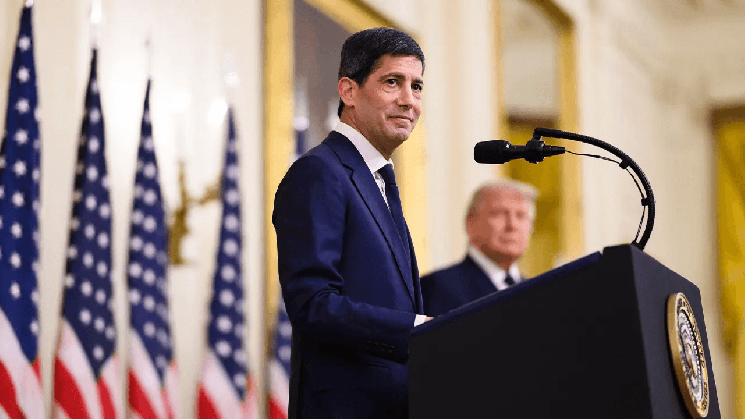
L'IPC américain de mai augmente de 4,2 % en glissement annuel, un sommet depuis trois ans, Trump répond : « J'adore l'inflation »
L'IPC de base accélère à 2,9 % en glissement annuel. La fermeture du détroit d'Ormuz alimente les attentes de hausse des prix du pétrole, les marchés anticipent un report de la baisse des taux par la Fed. Les propos de Trump « j'adore l'inflation » suscitent la controverse.
Sujet brûlant : Wall Street ne panique pas, le « nouveau correspondant de la Fed » affirme que ce rapport « ne résout rien ».
Données officielles BLS | Wall Street Insights
La bourse sud-coréenne connaît trois jours consécutifs de coupures, les capitaux étrangers fuient à hauteur de 760 milliards de dollars, les petits investisseurs continuent d'emprunter pour acheter à la baisse
Les turbulences des marchés mondiaux se propagent, la Corée du Sud devient un point chaud. Les petits investisseurs ont été liquidés à hauteur de 3000 milliards de wons mais ne renoncent pas. Les sentiments du marché sont extrêmement divisés.
Liste des tendances Zhihu
> Commentaire piquant : La foi des petits investisseurs contre la panique des institutions, qui aura le dernier mot ? L'histoire nous dit que la réponse est généralement cruelle.
Une étude révèle : Après avoir analysé 1,6 million de posts r/wallstreetbets, la capacité de sélection d'actions des petits investisseurs surpasse celle de Wall Street
Une recherche académique confirme que l'intelligence collective de la communauté WSB possède un véritable alpha en matière de sélection d'actions, mettant à mal les élites financières traditionnelles.
Discussion Reddit
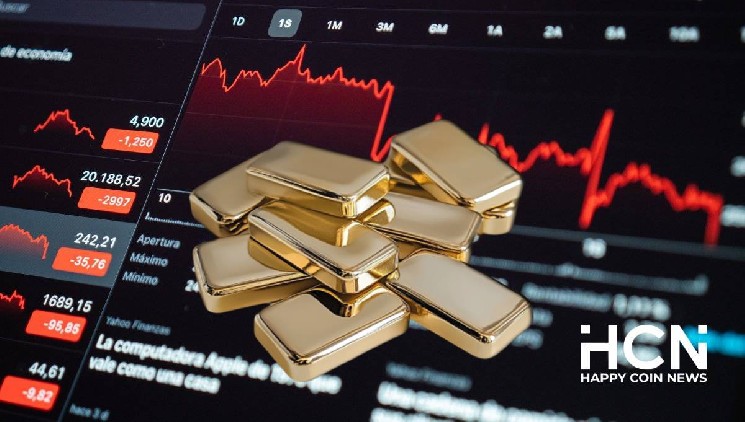
L'or physique s'effondre de 4 %, passant sous les 4100 dollars ; les trois principaux indices boursiers américains chutent de plus de 1 %
Les actifs refuges et les actifs risqués chutent simultanément, le marché entre en mode chaotique. Le pétrole brut international augmente de plus de 1 % en raison de la crise dans le détroit d'Ormuz.
[6551/ai]
Finances / Macroéconomie
L'Iran ferme complètement le détroit d'Ormuz, avertissant que tout navire qui s'approche sera considéré comme hostile
La marine des Gardiens de la Révolution iranienne bloque un passage transportant 20 % du pétrole mondial, abattant deux navires ayant tenté de passer. Les États-Unis ont ensuite mené une nouvelle série de frappes contre des centrales électriques et des ponts en Iran. Une délégation qatarie tente toujours une médiation en Iran, mais Trump affirme qu'« ils doivent payer le prix ».
Sujet brûlant : Triple résonance du prix du pétrole, de l'inflation et de la géopolitique, l'économie mondiale est-elle confrontée à un choc de type années 1970 ?
Liste des tendances Zhihu | NYT Live
La Banque du Canada maintient ses taux d'intérêt inchangés, déclarant que des baisses ou des hausses futures sont toutes deux possibles
Face à une situation complexe, la banque centrale émet des signaux à la fois accommodants et restrictifs, interprétés par le marché comme « ne rien dire ».
[6551/ai]
Trump indique qu'il pourrait ne pas renouveler l'Accord États-Unis-Mexique-Canada (AEUMC)
Le système de libre-échange nord-américain connaît à nouveau des turbulences, ajoutant aux menaces tarifaires et augmentant la pression pour une réorganisation des chaînes d'approvisionnement.
[6551/ai]
Nouveaux produits / Nouvelles tendances
L'hôpital Xiangya utilise une interface cerveau-ordinateur pour « redonner la vue » à des patients aveugles
La Chine réalise une percée dans le domaine des neurotechnologies, offrant de l'espoir aux personnes malvoyantes. Les approches techniques et les effets à long terme restent à observer.
Liste des tendances Zhihu
Un drone totalement autonome tue pour la première fois un soldat humain
L'armement de l'IA franchit une ligne rouge éthique, les armes autonomes tueuses ne sont plus de la science-fiction. Les discussions internationales sur le contrôle des armements liés à l'IA deviennent urgentes.
New Scientist
Le fil conducteur du jour
Anthropic limite la recherche biologique, un tribunal allemand tient Google responsable, un drone autonome tue – trois événements apparemment sans lien pointent vers un même avenir : les frontières de l'IA sont en train d'être tracées, mais loin d'un consensus sur qui les trace et où elles se trouvent. Parallèlement, la fermeture du détroit d'Ormuz, l'IPC atteignant un nouveau sommet, le Bitcoin ne montant pas mais baissant, nous rappellent : quelle que soit la technologie avancée, elle doit être mise à l'épreuve dans le chaos du monde réel. Nous sommes à mi-2026, la lutte entre l'optimisme technologique et l'anxiété face à la réalité ne fait que commencer.