# OpenClaw Related Articles

HTX News Center provides the latest articles and in-depth analysis on "OpenClaw", covering market trends, project updates, tech developments, and regulatory policies in the crypto industry.

The One-Person Company: The Path to Million-Dollar Revenue

Nat Eliason, a writer and entrepreneur, is building a one-person company named Felix with the goal of generating $1 million in revenue using AI agents as his sole employees. Leveraging the OpenClaw framework, Felix has rapidly progressed, achieving nearly $200,000 in revenue in just a few weeks. The venture began when a post about OpenClaw went viral, leading to the creation of a $Felix token. Eliason tasked his AI agent, the "CEO" of this zero-human company, with generating revenue. Felix started by autonomously building a website and selling a $29 OpenClaw setup guide, generating $41,000. It then identified market needs and expanded into two main businesses: Claw Mart, a marketplace for AI skills (generating ~$14,000), and Clawcommerce, a service building custom AI agents for enterprises. The system uses sub-agents for tasks like support and sales, with Discord as its operational hub. Operating costs are minimal at ~$1,500 monthly. A key development is Felix beginning to "hire" a human for affiliate distribution, signaling a shift from replacing humans to employing them. Challenges include AI unpredictability, memory management, and market education. Despite this, Eliason is optimistic. Future plans include optimizing existing services, exploring blockchain integration, and scaling further. He believes this model represents a new era of AI-driven commercialization and a significant wealth creation opportunity.

比推03/10 07:32

The One-Person Company: The Path to Million-Dollar Revenue

比推03/10 07:32

After OpenClaw's China Tour, We Interviewed a Group of 'Lobster Chasers'

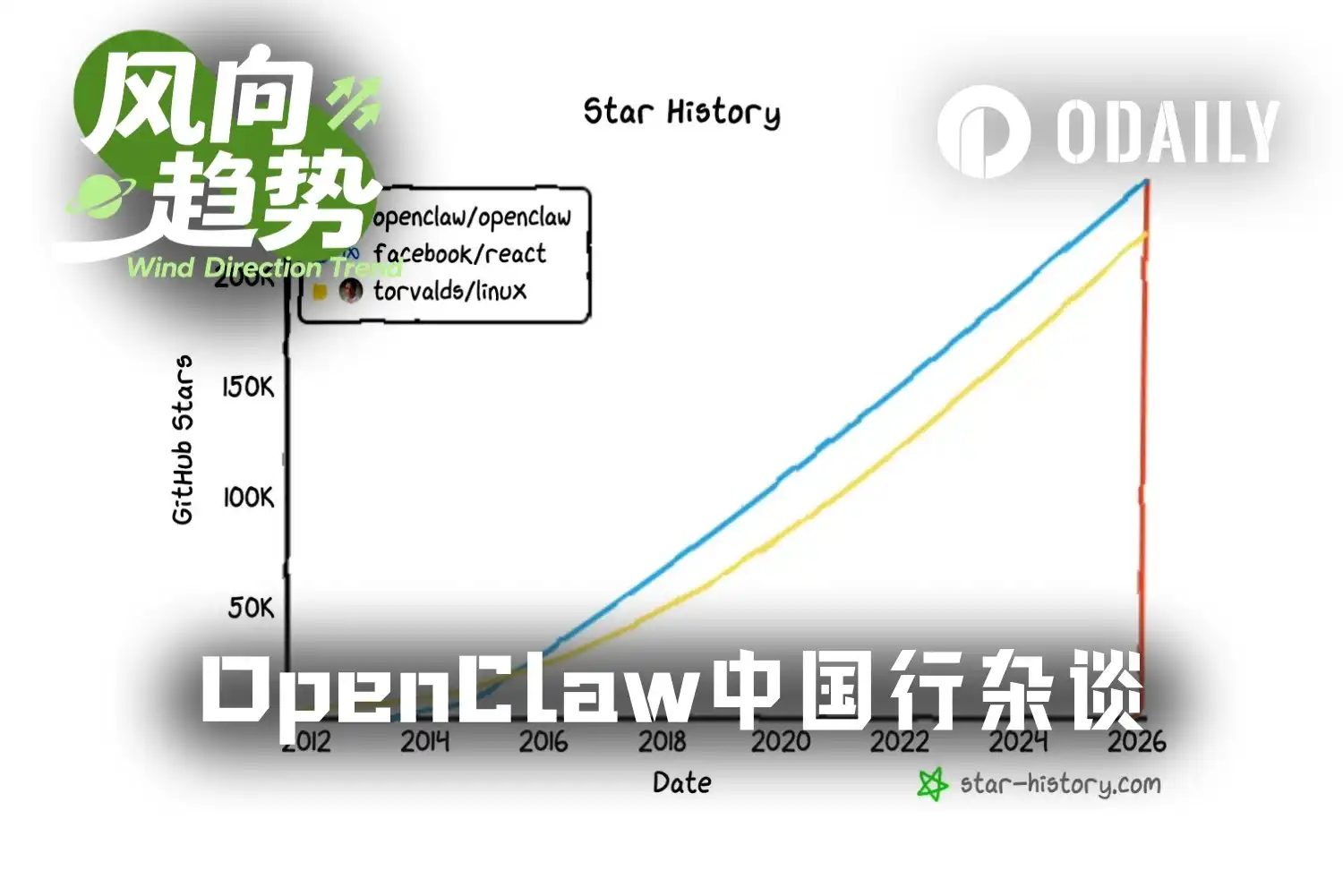
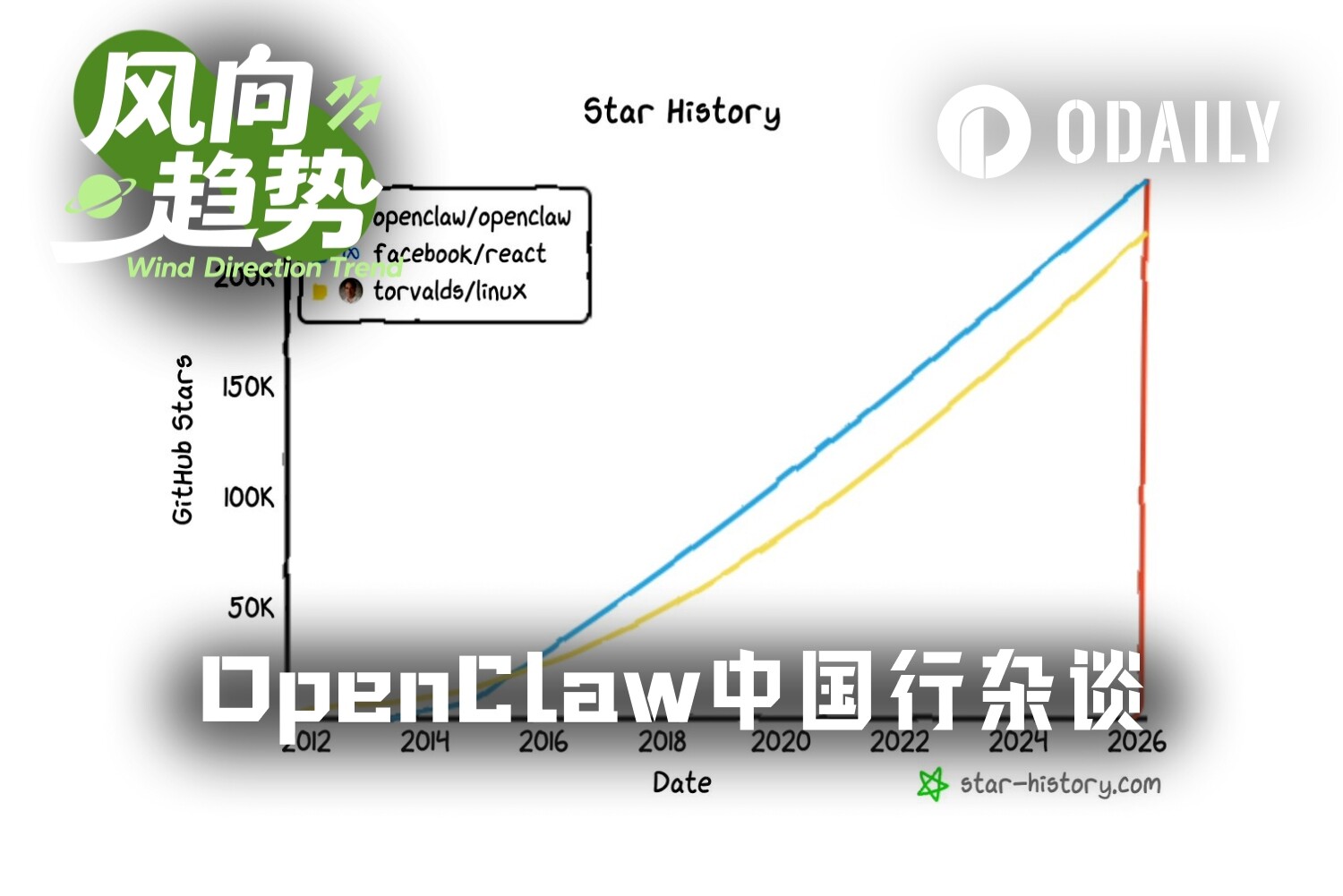
"OpenClaw China Tour: Chasing the Lobster in the AI-Driven Era" Following OpenClaw's surpassing of React as GitHub's most-starred project, a wave of "AI anxiety" has swept through China's tech community. This led to the "Web4.0 China Tour," a series of nationwide offline events co-initiated by crypto figures, aiming to demystify the AI agent tool often nicknamed "Lobster." Event observations revealed a diverse, intergenerational audience—from 05ers to 70-year-olds—flocking to these gatherings. Participants were polarized: some were already monetizing OpenClaw, while others struggled with basic setup. A key insight was that AI's primary impact is not necessarily job replacement but a massive restructuring of work, automating standardized tasks and creating new roles, particularly for those who can effectively manage AI agents. Interestingly, fields like programming and creative work are now seen as more vulnerable to AI disruption than manual labor. Despite OpenClaw's founder cautioning against crypto, a strong convergence between AI agents and cryptocurrency was debated on-site. Many believe crypto assets, especially Bitcoin, could become the native currency for AI economies, facilitating machine-to-machine transactions and value exchange. The trend also spawned a paid installation service industry. However, a significant hurdle remains: many users successfully install OpenClaw but lack the knowledge to use it effectively, sometimes leading to unexpected costs and security concerns. The conclusion emphasizes that simply having the tool is less important than practically applying it to solve real problems, cautioning against FOMO and highlighting that in the age of AI, early adoption doesn't guarantee success.

marsbit03/07 03:14

After OpenClaw's China Tour, We Interviewed a Group of 'Lobster Chasers'

marsbit03/07 03:14

After OpenClaw's China Tour, We Interviewed a Group of 'Lobster Chasers'

In March 2026, OpenClaw surpassed React to become the most-starred project on GitHub, rapidly gaining global recognition as a leading AI tool. Dubbed the "lobster" by enthusiasts, this automation-focused AI agent has sparked widespread discussion and a sense of urgency among tech communities, particularly in China. Following the "Web4.0 China Tour" initiated by figures from the crypto space, offline events saw significant turnout, attracting everyone from seasoned developers to curious newcomers, including teenagers and seniors. Participants expressed a mix of excitement and "AI anxiety," driven by fears of being left behind. Discussions revealed divergent perspectives: while some see AI as a threat to jobs, others, citing reports like Anthropic’s, argue it will reshape rather than replace roles—impacting structured, cognitive tasks more than manual labor. The intersection of AI and crypto also emerged as a key theme, with some believing cryptocurrency could become the native economic system for AI agents. Despite the hype, many users struggle to operationalize OpenClaw, with some paying for installation services only to face unexpected costs or operational challenges. The consensus among informed participants is that success lies not in merely adopting the tool, but in effectively leveraging it to solve real problems. In the age of AI, early adoption does not guarantee advantage—meaningful outcomes depend on practical application.

Odaily星球日报03/07 03:07

After OpenClaw's China Tour, We Interviewed a Group of 'Lobster Chasers'

Odaily星球日报03/07 03:07

Beyond ChatGPT: The Rise of AI Automation Tools and a Complete Analysis of Commercialization Paths

A quiet paradigm shift is occurring in AI, moving from "suggestion AI" (like ChatGPT) to "execution AI" that acts autonomously. This change is driven by the rise of autonomous AI Agent frameworks, primarily OpenClaw, which allows AI to control systems, automate workflows, and integrate across platforms. However, OpenClaw faces significant security risks, with numerous vulnerabilities and malicious plugins. Alternatives offer different advantages: NanoClaw prioritizes security through OS-level container isolation; Nanobot is minimal, transparent, and built on the standardized MCP protocol for tool interoperability; and PicoClaw is an ultra-lightweight runtime for embedded devices. The article compares their technical architectures, hardware requirements, and functional boundaries—noting that only OpenClaw supports advanced features like browser automation and multi-agent collaboration, albeit with high risk. Four commercialization paths are outlined: plugin monetization, automated service subscriptions, custom enterprise deployments, and content operations for individuals/small teams. A selection guide advises choosing based on data sensitivity, hardware constraints, need for browser automation, and long-term tool reusability. Ultimately, AI automation is presented as a viable tool for productivity and business value, emphasizing the importance of matching the right tool to specific constraints and use cases.

marsbit03/05 12:33

Beyond ChatGPT: The Rise of AI Automation Tools and a Complete Analysis of Commercialization Paths

marsbit03/05 12:33

活动图片