The Permanent Underclass: No One Can Answer That 17-Year-Old Child
The article "The Permanent Underclass: No One Has an Answer for That 17-Year-Old" explores the concept of a "permanent underclass" emerging in a future where AI can perform most cognitive and physical labor. This theory, gaining traction in tech circles, suggests that as AI reduces the need for human workers, wages lose importance, and wealth increasingly flows to those who own AI models, compute, and data. The core issue is not temporary poverty but the potential breakdown of the traditional ladder of upward mobility—through labor, bargaining, and asset accumulation—making "underclass" a permanent status.
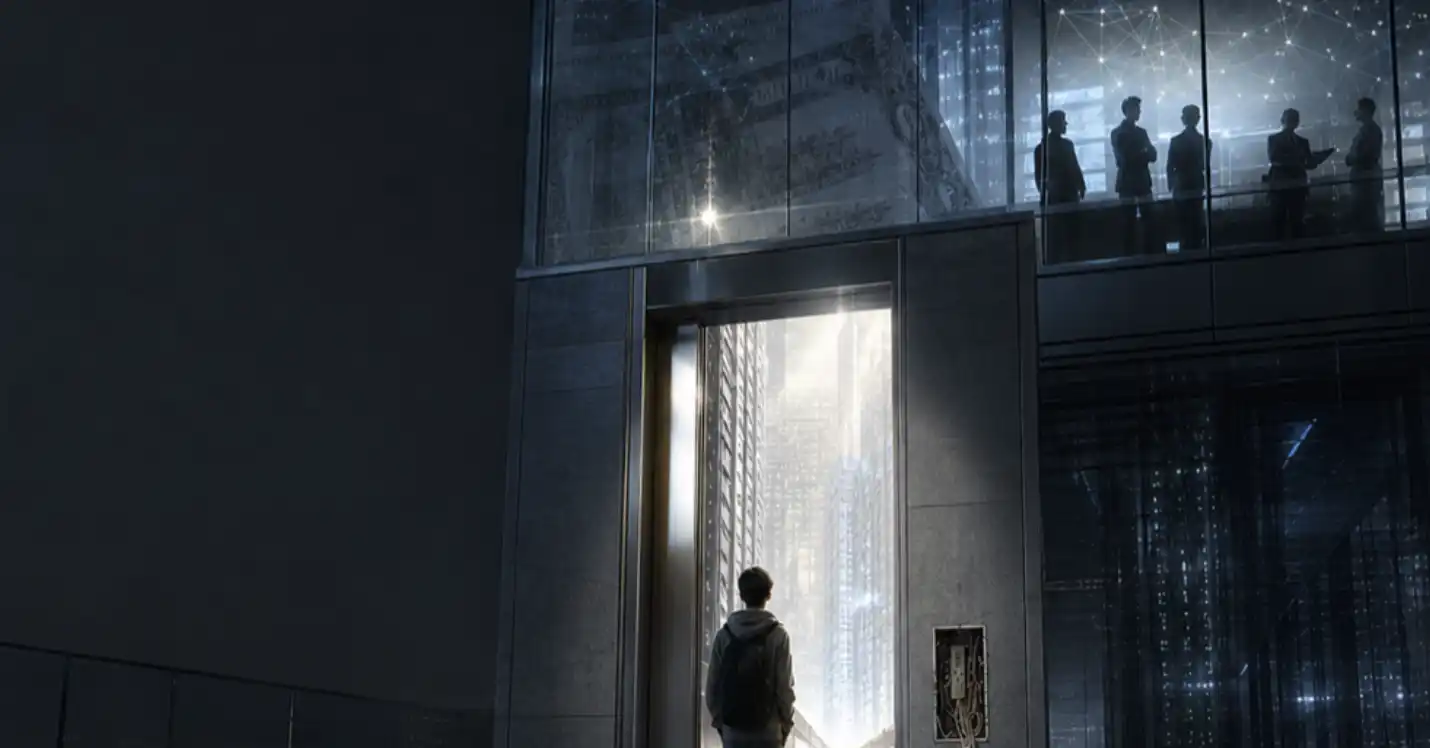
The piece highlights a poignant question posed by researcher Jasmine Sun to AI lab personnel: What advice would you give a typical 17-year-old facing this future? Most had no answer, acknowledging the frightening transition ahead. However, while struggling to advise others, many in the AI field are securing their own positions, shifting from research or policy into labs to gain equity and stand on the "capital" side. This creates a vicious cycle: the more people believe labor's bargaining power is vanishing, the fewer work to rebuild it, accelerating its decline.
Common personal survival strategies—learning AI skills, acquiring AI company equity, or pivoting to hands-on, in-person work—are analyzed. The author argues these are largely stopgaps, accessible mainly to the privileged, and may collectively undermine labor's overall position. The fundamental question shifts from "how not to fall behind" to "why must one's survival depend on being needed by capital?"
The article concludes that the real solution is not individual adaptation but building a new societal "negotiating table"—new laws, forms of collective bargaining, or redistribution mechanisms (like taxes or public funds) to ensure the wealth AI creates is shared, especially with those displaced. It contrasts tentative institutional responses in China with a potential regulatory vacuum in the US, warning that without such frameworks being established before public frustration boils over, social unrest could follow. The 17-year-old’s dilemma underscores a systemic failure: the architects of this future are buying personal insurance but offering no collective answers.
marsbit2 gün önce 08:12