Original | Odaily Planet Daily (@OdailyChina)
Auteur | Wenser (@wenser2010)

La "fièvre du homard" déclenchée par OpenClaw s'est quelque peu estompée sur les grandes plateformes de médias sociaux. Il y a deux jours, Anthropic, le développeur de Claude, a directement publié un article interdisant le "pillage par abonnement OpenClaw", ce qui a conduit certains à s'exclamer : "OpenClaw est-il déjà has-been ?".
À mon avis, dans le contexte où plus de 90 % des 8 milliards d'habitants de la planète n'ont pas encore utilisé d'applications d'IA, OpenClaw est déjà un produit d' phénoménal. Le fait qu'il ait fait sensation pendant 3 mois entiers témoigne de son impact retentissant. D'un autre côté, pour la majorité des gens en Chine, par rapport à OpenClaw qui consomme énormément de tokens, dont le processus de configuration est complexe, la fréquence de mise à jour trop élevée et les risques de sécurité incertains, Xianyu est peut-être ce "OpenClaw plus local".
Peut-être que certains seront perplexes en lisant ceci : Xianyu ? Cette plateforme de revente ? Quel rapport avec OpenClaw, la coqueluche du domaine de l'IA ?
Laissez-moi vous expliquer en détail.
Avant qu'OpenClaw ne donne des mains et des pieds à l'IA, Xianyu était déjà le moteur des transactions du monde physique
"Si les Chatbots d'autrefois ont donné un cerveau à l'IA ; alors la valeur d'OpenClaw réside dans le fait qu'il a donné pour la première fois des mains et des pieds à l'IA."
Cette phrase souligne qu'OpenClaw a permis aux agents IA d'acquérir diverses capacités d'exécution opérationnelle, de remplacer les humains pour exécuter diverses tâches dans le monde numérique, et même d'agir dans une certaine mesure en retour sur le monde physique.
Cependant, le problème plus réaliste auquel tout le monde est confronté est que, comparé aux Chatbots dont la consommation de tokens par conversation se chiffrait auparavant en dizaines de milliers ou centaines de milliers, OpenClaw a fait bondir l'échelle d'utilisation des API et des tokens par les agents IA à des millions, voire des dizaines de millions, voire des centaines de millions. Beaucoup disent qu'après l'apparition d'OpenClaw, pour garantir l'effet, le coût des tokens utilisant des modèles de qualité comme Claude, GPT, Gemini, etc., peut atteindre des centaines de dollars par jour.
Et la même tâche, passer une commande sur Xianyu pourrait coûter moins d'un centième. Oui, vous avez bien lu, après être entré dans "l'été du 21e siècle", le coût de la main-d'œuvre sur la plateforme Xianyu a été comprimé à l'extrême. Le temps des "pauvres" a également sa propre unité de mesure et son système de tarification - un système économique fonctionnant avec le RMB et la monnaie Xianyu.
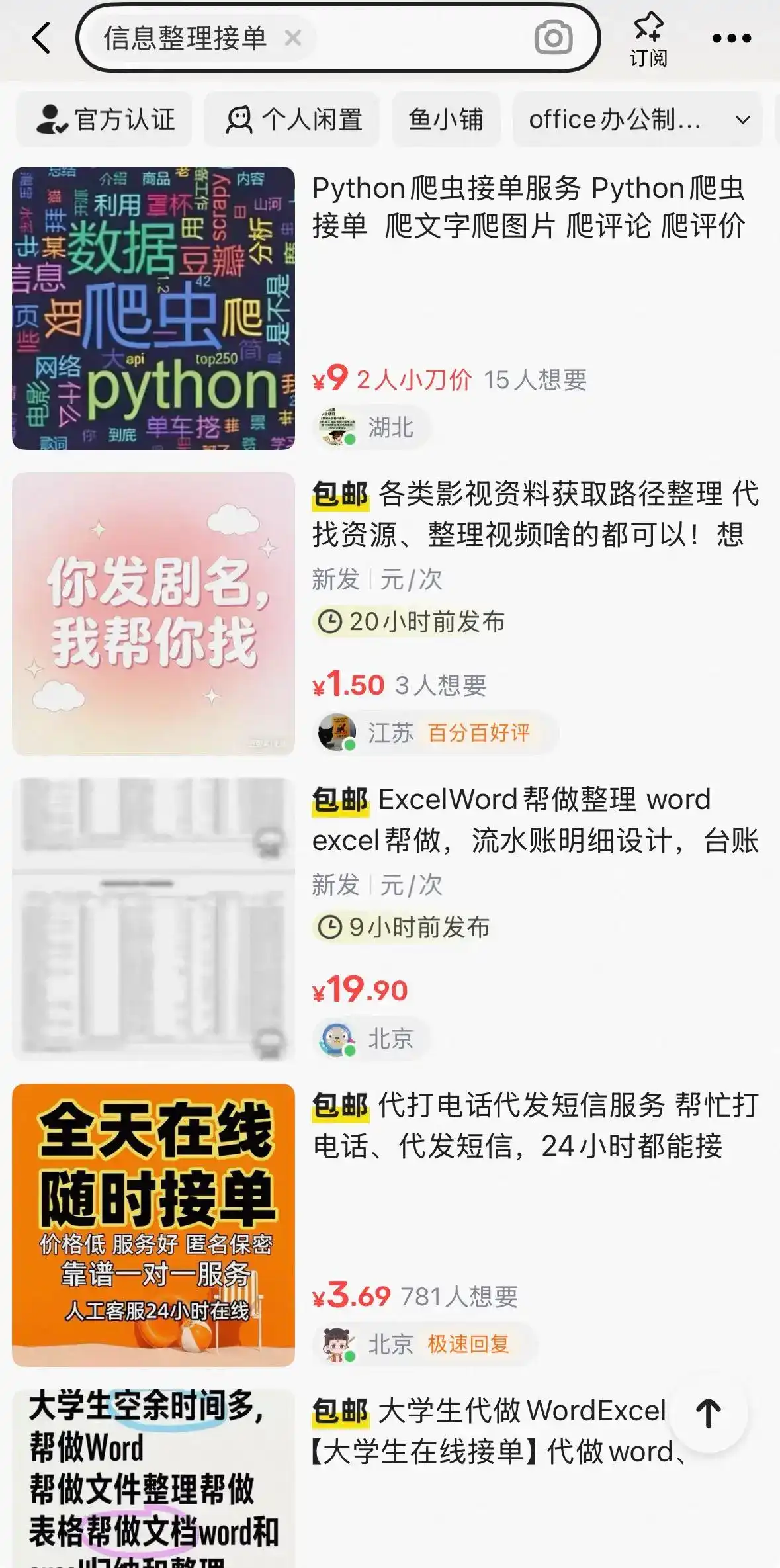
360 métiers, chaque métier a son maître : Hôtellerie, IA, Ventes, Recrutement, Rencontres
Xianyu suscite de temps en temps des vagues de discussions animées. Les gens plaisantent en qualifiant la plateforme omnipotente de Xianyu de "darknet chinois" - sur Xianyu, il n'y a que ce que vous ne pouvez pas imaginer, rien de ce qu'il ne peut pas faire.
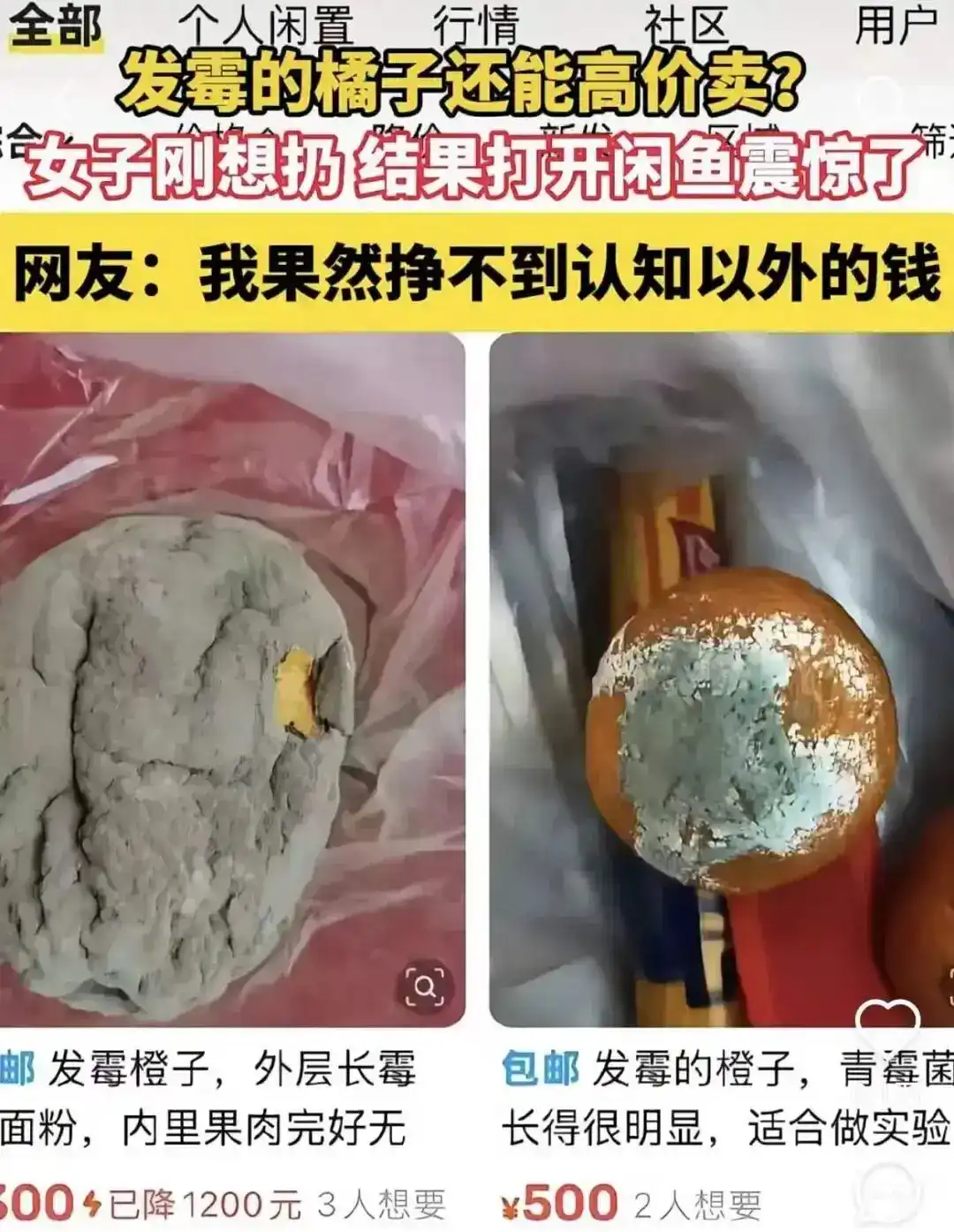
Certains vendent des oranges moisies sur Xianyu, repérées par des étudiants en biologie et en médecine qui disent vouloir extraire la moisissure pour la recherche, les rachetant à des prix élevé de plusieurs centaines à plusieurs milliers de yuans ;
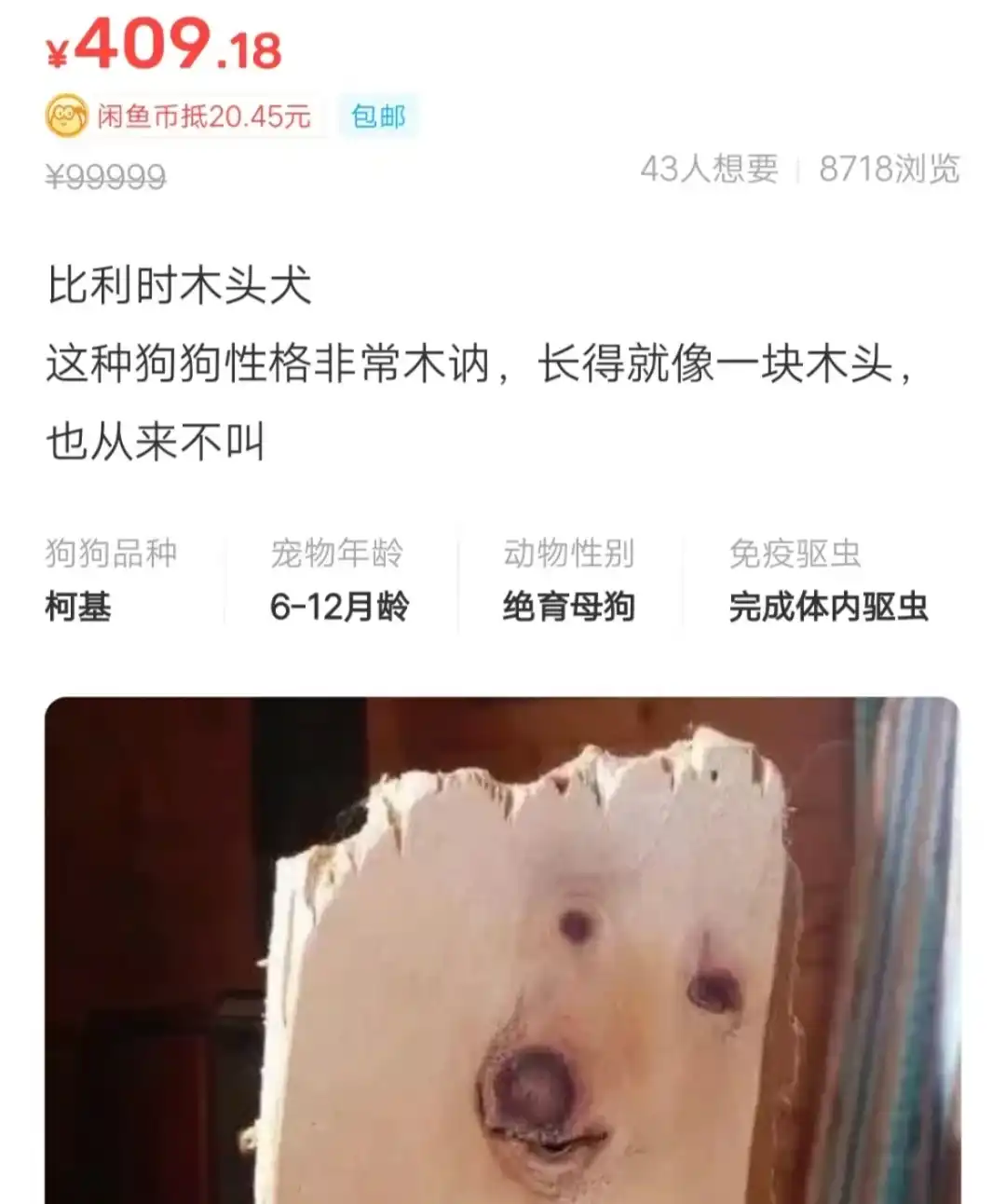
Certains vendent "à bas prix" des chiens rares sur Xianyu - le "Chien de Bois Belge", le décrivant comme une "chienne stérilisée";
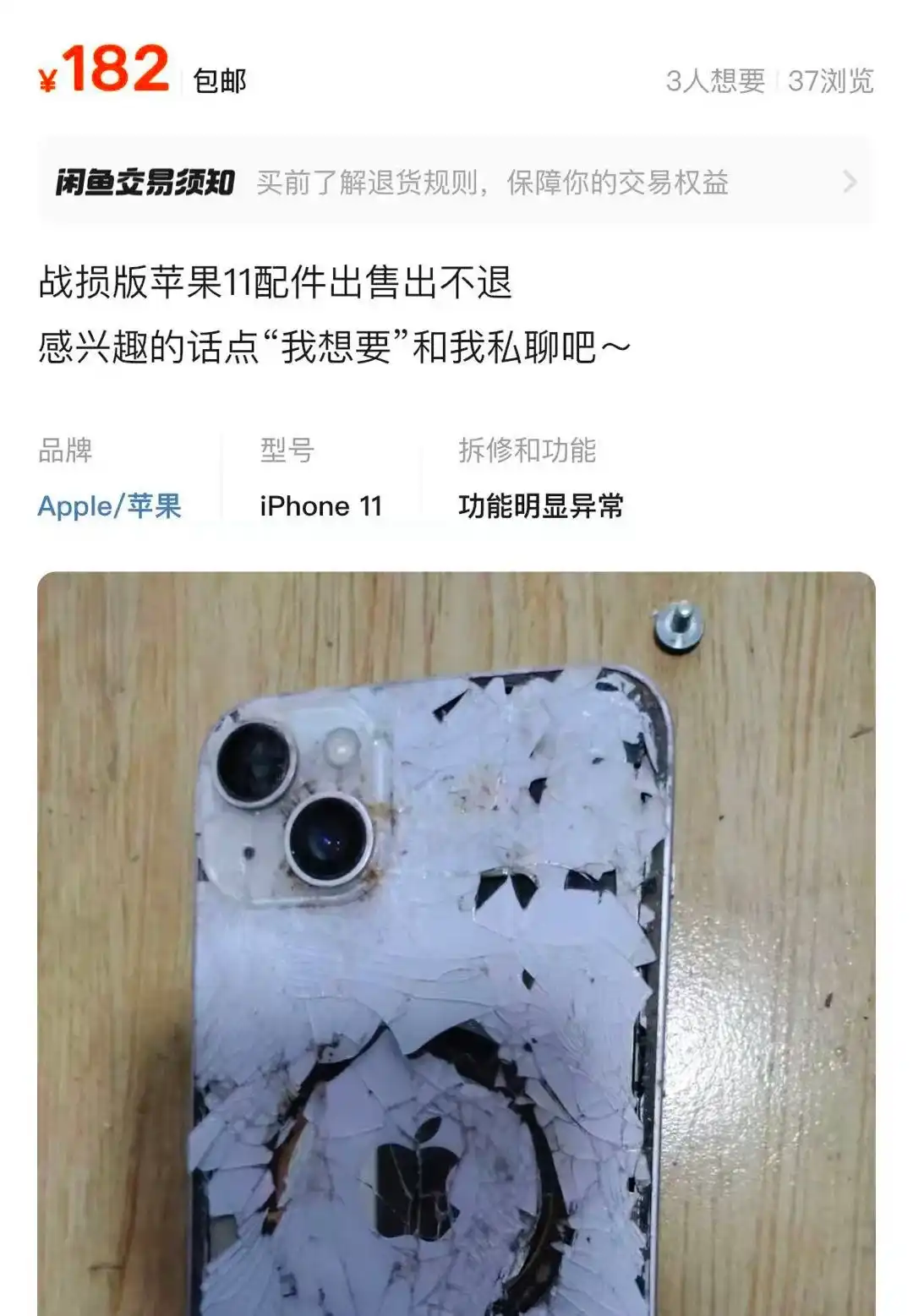
Les iPhone d'occasion en état de combat endommagé sont considérés comme un "petit cas" relativement normal sur Xianyu.
Quant à utiliser Xianyu pour réserver des hôtels, acheter des billets, acheter des abonnements IA à bas prix, trouver de la main-d'œuvre, recruter des gens ou même pour des rencontres amoureuses, ce sont aussi des "activités quotidiennes" de la plateforme.

Avec l'imagination extraordinaire des vendeurs de Xianyu, les "sources d'approvisionnement" sont aussi assez non conventionnelles :
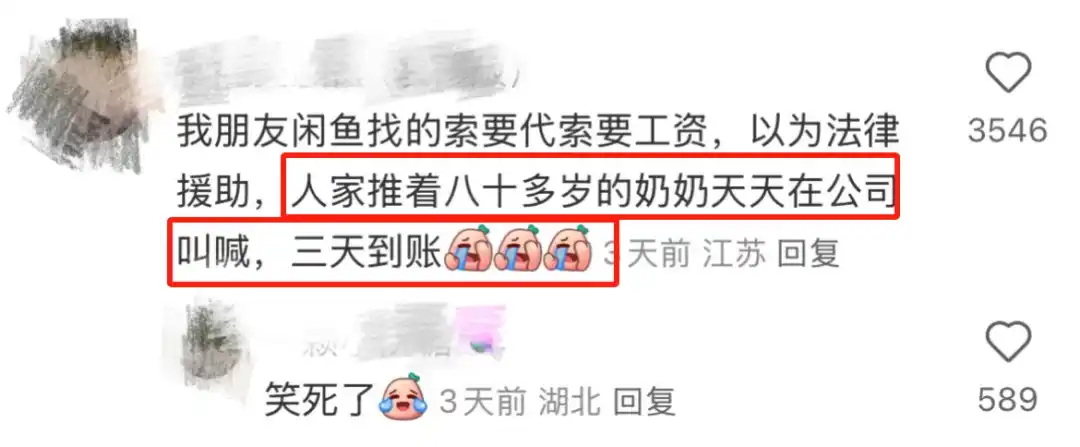
Il y a ceux qui aident les autres à réclamer des salaires impayés, en envoyant une grand-mère de 80 ans en fauteuil roulant sur le champ de bataille -
Chercher quelqu'un pour réserver un petit-déjeuner d'hôtel, pour un coût aussi bas que 5 yuans, pour découvrir plus tard que c'était obtenu sous la menace de sauter du bâtiment -

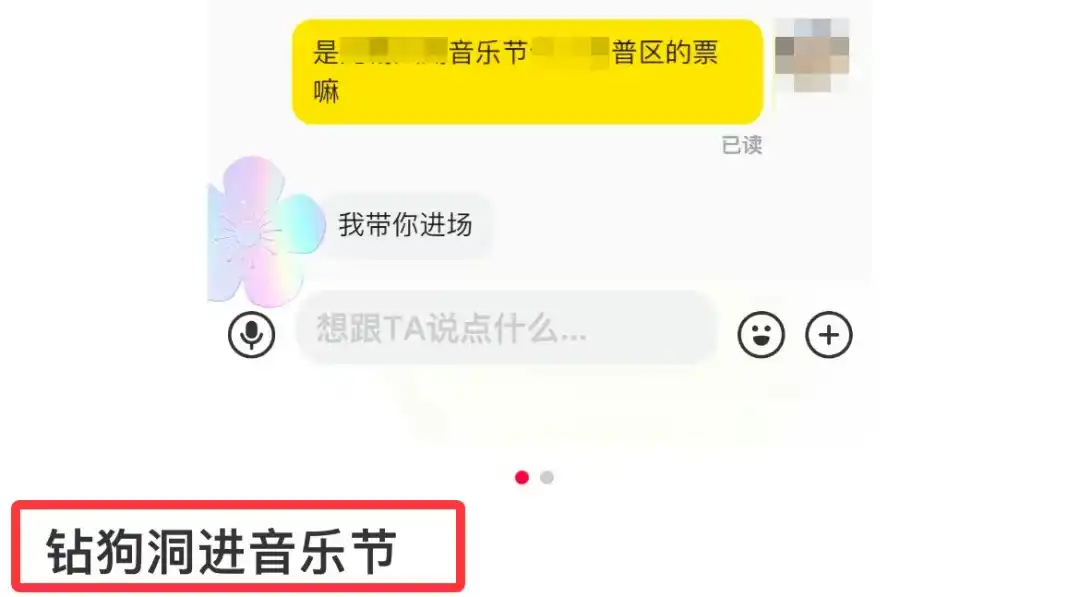
Vous voulez aller à un festival de musique, mais vous n'avez pas acheté de billet, vous pensez que le revendeur a ses relations pour vous faire entrer, mais il vous emmène en fait passer par un trou de chien -
Le célèbre "remboursement de billets d'avion via Xianyu" a également suscité de nombreuses discussions sur les grandes plateformes de médias sociaux, l'astuce derrière cela étant de "demander un certificat de décès de l'utilisateur" -

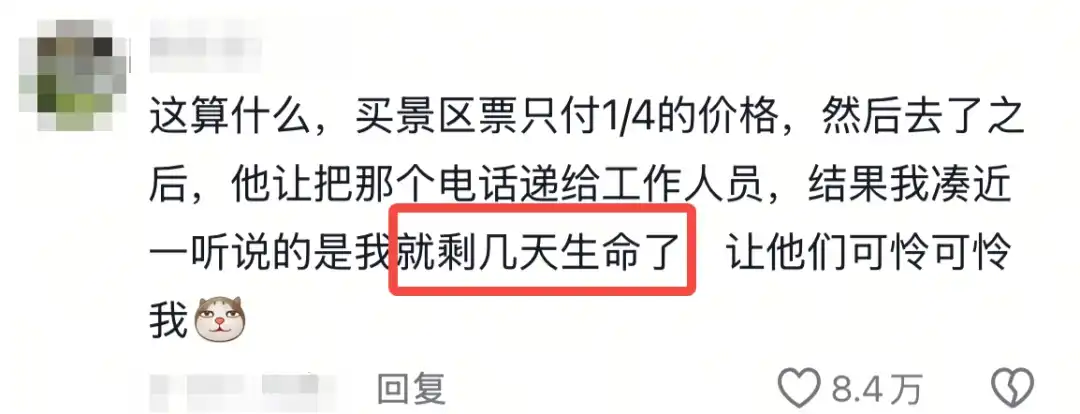
Vous voulez acheter des billets d'entrée à bas prix pour les sites touristiques ? L'astuce des vendeurs de Xianyu est d'appeler le personnel du site pour leur dire "cette personne est sur le point de mourir" -
Sur cette plateforme de revente Internet avec plus de 200 millions d'utilisateurs actifs mensuels, divers besoins marginaux du marché cachés dans les capillaires du marché Internet chinois et une offre flexible variée et diversifiée coexistent. Ainsi, un marché de consommation parallèle aux plateformes de commerce électronique grand public et même aux canaux d'achat hors ligne, s'est progressivement développé en un univers de transactions diversifié en moins de 13 ans, enregistrant 217 millions d'utilisateurs actifs mensuels en mars, dépassant même Xiaohongshu.
Dès début 2024, son GMV (Volume Brut de Marchandises) quotidien moyen avait dépassé 1 milliard de yuans. Aujourd'hui, grâce à la "fonction appareil photo IA" lancée début mars, les nouveaux produits sur Xianyu ont augmenté de plus de 50 millions d'articles, avec plus de 12 millions d'utilisateurs participant à l'expérience. De plus, des prévisions sector indiquent que la taille du marché chinois de la revente pourrait dépasser 31 000 milliards de yuans en 2026, et Xianyu y contribue grandement.
L'économie de la prime et la théorie du pouvoir libre derrière Xianyu : Levier, Arbitrage, Collaboration et Productivité
Des règles de survie uniques, distinctes des autres plateformes de commerce électronique, ont permis à Xianyu de se démarquer et de trouver sa zone de confort alors que le marché des utilisateurs Internet chinois était plongé dans une concurrence pour les parts de marché existantes.
Et derrière cette situation, il y a des similitudes frappantes avec l'IA qui a connu un développement fulgurant ces dernières années et OpenClaw qui a atteint le sommet des classements GitHub cette année. Cela cache sa propre économie de la prime et sa théorie du pouvoir libre.
Le mois dernier, le fondateur de Tron, Justin Sun, avait déjà parlé de ce phénomène :
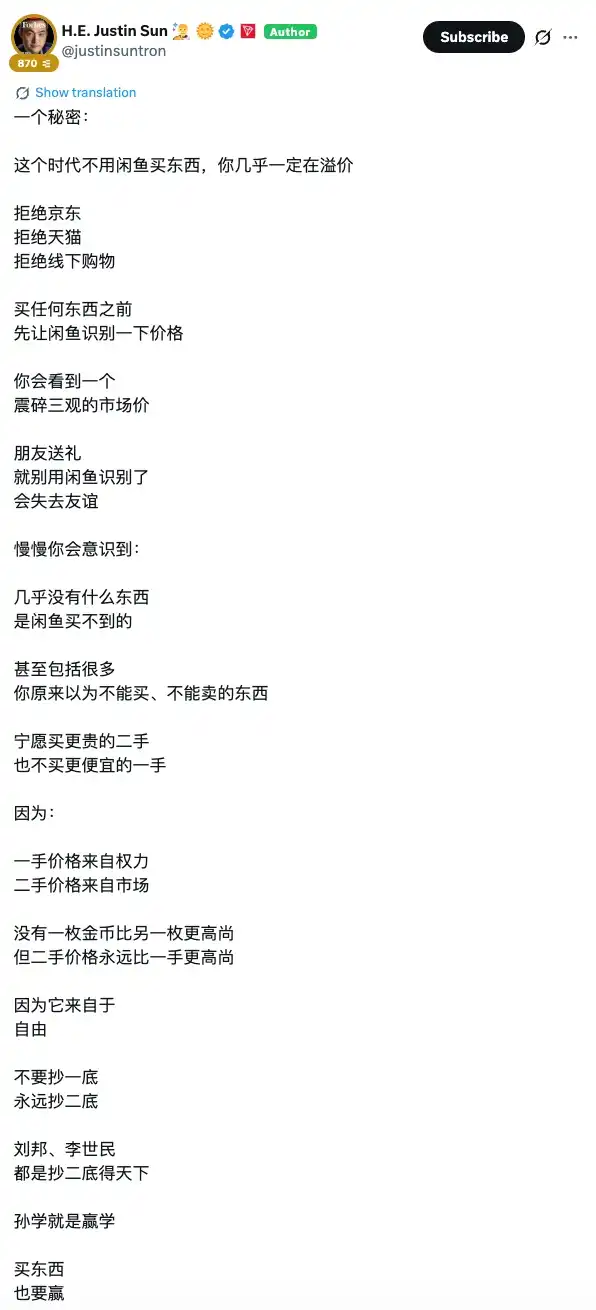
Bien que certaines formulations soient assez extrêmes, la "prime" et la "théorie du pouvoir" qu'elles contiennent révèlent en effet la valeur unique et le système de prix du marché de cette plateforme de revente. Et derrière ces mots, nous entrevoyons davantage les raisons pour lesquelles Xianyu peut être qualifié de "OpenClaw local chinois" :
1. Mains et pieds de l'IA et levier humain et matériel
Si OpenClaw a donné pour la première fois à l'IA une capacité d'exécution opérationnelle indépendante, alors la valeur de Xianyu réside dans la circulation, la fluidité et la production de valeur de la main-d'œuvre et des ressources matérielles avec un seuil extrêmement bas.
Comme le dit la phrase qui plaisante sur la dévaluation des diplômes : "Pour 3000 yuans, vous ne pouvez même pas acheter une carte graphique 5090 ; mais vous pouvez embaucher un étudiant universitaire pour travailler pour vous".
Que ce soit les produits d'occasion ou la main-d'œuvre bon marché, la plateforme Xianyu leur a appliqué une tarification marchande complète et une quantification de la valeur. Dans un marché biface où l'offre dépasse de loin la demande, les ressources humaines et matérielles de Xianyu sont même beaucoup plus abondantes que les modèles d'IA et les ressources de tokens requis par OpenClaw.
2. Arbitrage sur les tokens et arbitrage biface
Pour d'innombrables utilisateurs humains, OpenClaw, qui répond 24 heures sur 24 et permet d'ajouter随意 des fichiers de configuration Skill pour étendre les limites des capacités, est sans aucun doute un "outil d'arbitrage de tokens" - on injecte des tokens, une matière première aussi bon marché que possible, dans la machine, puis on produit des moyens de production de contenu spécifiques selon ses instructions. Bien que cela pose le problème d'une consommation d'utilisation de tokens à grande échelle et exponentielle, cela a tout de même permis à de nombreuses personnes de ressentir pour la première fois la sensation grisante de "maîtriser les moyens de production de l'IA" et d'incarner un "capitaliste de l'IA".
Alors que les ressources en produits et la demande du marché sur la plateforme Xianyu sont un arbitrage biface basé sur les acheteurs et les vendeurs - en profitant d'un seuil d'entrée à faible coût, de frais de transaction较低 (Note d'Odaily Planet Daily : En juin 2024, la plateforme Xianyu a annoncé qu'à partir du 1er septembre de la même année, elle percevrait des frais de service logiciel de base de 0,6 % auprès de tous les vendeurs, avec un maximum de 60 yuans par transaction, les commerçants individuels étant inclus) et des ressources humaines dispersées à grande échelle regroupées sur la plateforme, pour faire des affaires de plateforme.
De plus, tout comme OpenClaw sert à la fois les fournisseurs de tokens et les consommateurs, Xianyu satisfait également les besoins bifaces des fournisseurs de produits/services et de la demande du marché, et correspond aux niveaux de la pyramide de Maslow.
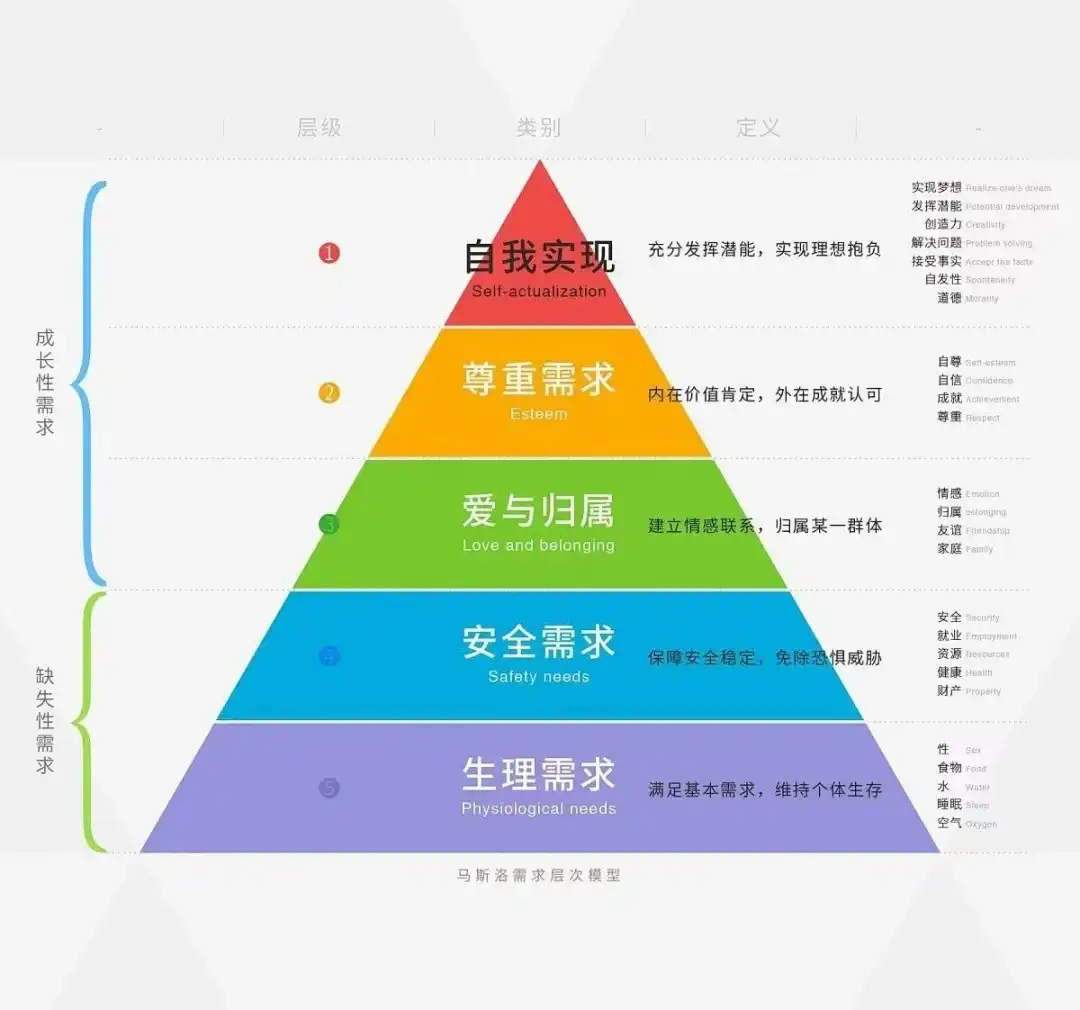
3. Collaboration homard et collaboration humaine
En matière de collaboration d'équipe, par rapport à l'"armée de homards" d'OpenClaw, au "groupe d'agents IA", Xianyu a aussi ses avantages, à savoir filtrer des "mercenaires" professionnels répondant à différentes exigences, possédant différentes capacités, jouant divers rôles.
À l'instar de la conduite autonome dans le domaine des véhicules énergétiques nouveaux, des moteurs d'intention très prônés sur le marché des cryptomonnaies, des grands modèles de langage auto-pilotés, auto-évolutifs et auto-développés dans le domaine de l'IA, Xianyu peut également être considéré comme une "plateforme de filtrage" pour trouver des membres collaborateurs.
Fondamentalement, les puzzles formés par les technologies et le personnel mentionnés ci-dessus reviennent au même, le but final de l'utilisateur étant de obtenir ce qu'il pense, d'utiliser ce qu'il dit, de obtenir ce qu'il voit.
4. Productivité de l'information et productivité du différentiel d'information
Strictement parlant, l'IA ne crée pas réellement d'informations originales, les grands modèles de langage et les divers agents IA suivent simplement des règles de raisonnement, combinent, font correspondre, utilisent diverses matières premières informationnelles (contenant du texte, des images, des vidéos et autre contenu multimodal), et produisent finalement des produits informationnels sous différentes formes ;
En revanche, les humains peuvent à la fois absorber l'information, l'apprendre, et produire divers types d'informations, et peuvent créer des écarts informationnels grâce à diverses informations et ainsi créer de la valeur. Les fournisseurs de services divers sur Xianyu ont leur propre capacité de jugement subjectif, leur propre capacité d'auto-filtrage, leur propre capacité d'auto-motivation.
Pour les pays étrangers où le coût de la main-d'œuvre est élevé et le vieillissement de la population s'accélère, les applications d'agents IA représentées par OpenClaw et les robots intelligents incarnés leur ouvrent peut-être une nouvelle "fenêtre de développement de la productivité" ; tandis que pour les populations Internet chinoises qui profitent des dividendes démographiques passés, des dividendes des ressources et même des dividendes de la manufacturing, des plateformes de services de main-d'œuvre et de produits Internet comme Xianyu sont peut-être la meilleure solution. Comme l'a dit赤裸裸 Li Yanhong, fondateur de Baidu - En ce qui concerne l'échange de vie privée contre commodité, les Chinois ont toujours été sans scrupules. Face à Xianyu, qui oblige les utilisateurs à主动交出 leurs informations personnelles en échange d'efficacité et de commodité, OpenClaw avec ses risques de sécurité potentiels ne peut être considéré que comme un petit joueur.
Face à la baisse de popularité des agents IA et d'OpenClaw, vu sous un autre angle, la plus grande raison est peut-être due à -
Xianyu, ce OpenClaw plus adapté aux bébés chinois.
Références :
OpenClaw, est-il has-been ?
3 jours sans être sur Xianyu, comment est-ce devenu le darknet chinois ?!
La version chinoise du darknet, comprend trop bien ce que les jeunes veulent
Xianyu ne veut pas non plus être comparé à Xiaohongshu, mais il n'a vraiment pas d'autre choix
600 millions de personnes y cherchent des services, plus l'économie est mauvaise, plus le "darknet chinois" est chaud ?