# Decentralization Related Articles

HTX News Center provides the latest articles and in-depth analysis on "Decentralization", covering market trends, project updates, tech developments, and regulatory policies in the crypto industry.

A Crypto Market Structure Bill That Offends Everyone

The U.S. "Digital Asset Market Clarity Act" (CLARITY Act), intended to provide regulatory clarity for the crypto industry, has faced delays in the Senate Banking Committee after strong opposition from Coinbase. The bill, which was initially expected to pass by the end of 2025, is now been postponed with no clear timeline. The proposed legislation introduces strict rules that have disappointed many industry participants. It classifies assets into categories: native tokens like ETH and SOL are "network tokens" (not securities but subject to disclosure), while DApp tokens are "ancillary assets" (treated as investment contracts with exemptions but transfer restrictions). Many NFTs, including popular collections like Pudgy Penguins, would be deemed securities. Key provisions include mandatory disclosures for projects until they are certified as "decentralized" by the SEC, limits on token transfers by insiders, and stringent rules for token offerings—requiring third-party custody for exempt offerings and full SEC compliance for larger raises. DeFi protocols face potential registration and AML requirements unless fully decentralized, and banks are allowed to engage in digital asset activities but with restrictions on stablecoin interest payments. Critics, including Coinbase’s Brian Armstrong, argue the bill expands SEC power, threatens DeFi privacy, and stifles innovation by imposing traditional financial frameworks. The bill is seen as favoring established financial institutions and increasing barriers to entry, effectively centralizing control over crypto markets. Political tensions between Republicans and Democrats have also influenced the bill’s strict tone, with compromises leading to provisions that appeal more to regulatory oversight than industry growth.

marsbit01/15 13:05

A Crypto Market Structure Bill That Offends Everyone

marsbit01/15 13:05

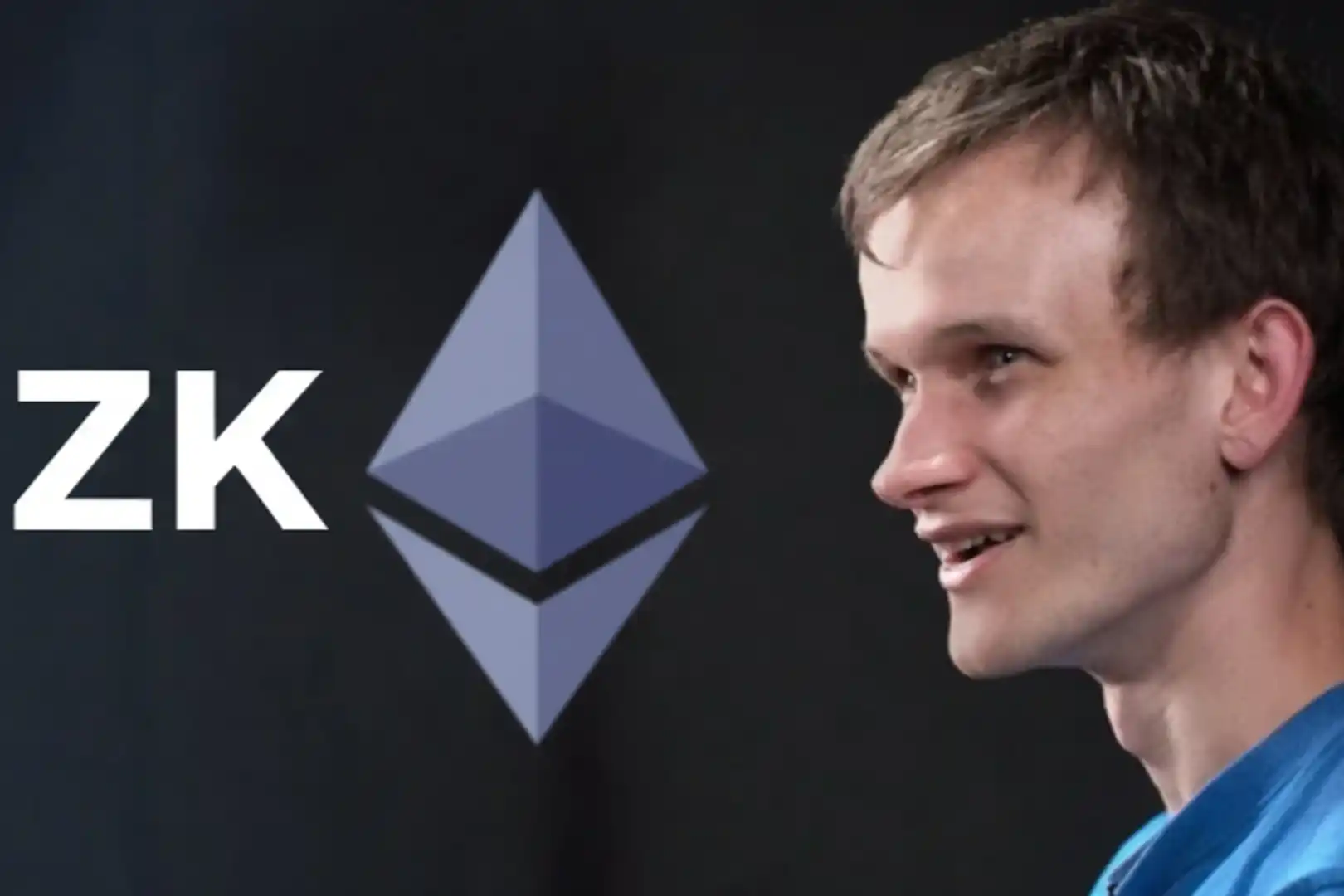
Why is Ethereum Urgently Needing ZK-ification?

The article discusses the urgent need for Ethereum to adopt zero-knowledge (ZK) technology as a core narrative for its future development. While Ethereum previously focused on ICOs, DeFi, and being a global financial settlement layer, it now lacks a compelling new narrative. ZK technology is highlighted as a critical solution, with Ethereum being the blockchain most invested in its development. ZK-EVM has reached the Alpha stage, a milestone celebrated by Vitalik Buterin. The primary motivation for ZK integration is to maintain Ethereum’s decentralization while improving scalability. Currently, increasing the Gas limit boosts TPS but raises node operation costs, potentially centralizing the network. ZK proofs allow nodes to verify transactions efficiently without expensive hardware upgrades, similar to automated exam grading versus manual checking. ZK itself doesn’t directly increase TPS but enables future Gas limit hikes with minimal node cost increases. The recent Fusaka upgrade, including PeerDAS, advances this goal. A ZK-powered Ethereum could achieve over 1000 TPS, strengthening its narrative. The article also addresses the role of third-party ZK teams (e.g., Polygon, Scroll, ZKsync, Taiko), which remain crucial for innovation and testing different ZK-EVM types (Type 1 to 4). ZK-VMs, like Brevis, are noted for higher performance and diversity, as they aren’t constrained by EVM compatibility. While ZK L1 may attract some L2 users, it also benefits L2s by reducing costs and improving foundational infrastructure. In summary, Ethereum’s ZK transformation, after years of development, is entering a critical phase, driven by collaborative efforts between Ethereum and external ZK projects.

marsbit01/13 00:37

Why is Ethereum Urgently Needing ZK-ification?

marsbit01/13 00:37

活动图片