OpenSea Insider Trading Case Ends Without A Retrial – Details

bitcoinistPublished on 2026-01-24Last updated on 2026-01-24

Abstract

Former OpenSea product manager Nathaniel Chastain will not face a retrial for insider trading after federal prosecutors dropped the case. This follows an appeals court overturning his earlier conviction, citing incorrect jury instructions. Prosecutors reached a deferred prosecution agreement, leading to the dismissal of charges. As part of the deal, Chastain will forfeit approximately 15.98 ETH and has already served a three-month prison sentence. The case, the first insider trading prosecution involving NFTs, highlights a legal gap between traditional fraud statutes and digital assets. The ruling may influence how confidential information is treated as property in future crypto-related cases.

Nathaniel Chastain, a former product manager at OpenSea, will not face a retrial after federal prosecutors chose to drop their re-review of his insider trading case.

Reports say the US Attorney’s Office reached a deferred prosecution agreement with Chastain that will lead to dismissal of the charges once the agreement runs its course.

What Prosecutors Decided

Prosecutors told a Manhattan federal court they would not retry Chastain following an appeals court ruling that tossed his earlier conviction.

Under the deferred prosecution deal, the government will dismiss the case about a month after notifying the court, and Chastain has agreed to forfeit roughly 15.98 ETH tied to the trades. He has already served three months in prison from his original sentence.
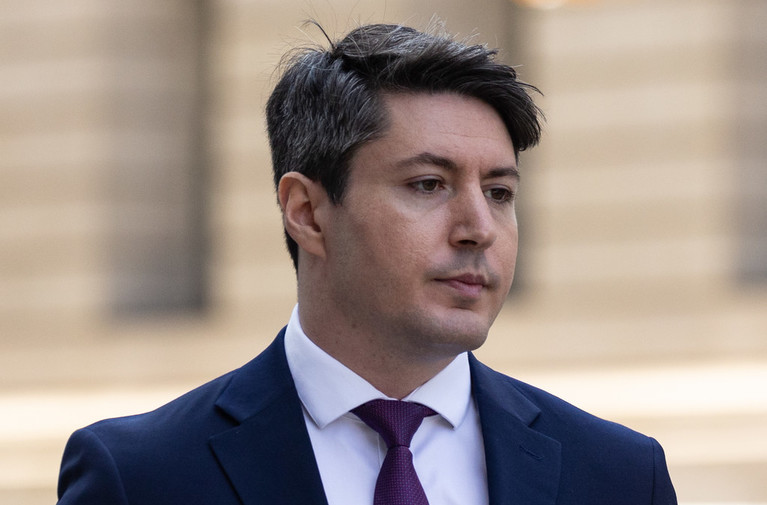
Nathaniel Chastain, former product manager at OpenSea, arrives at federal court in New York, US, on Tuesday, Aug. 22, 2023. Photo: Yuki Iwamura/Bloomberg

How The Appeals Court Changed The Case

According to the US Court of Appeals for the Second Circuit, the jury in the first trial had been given the wrong instructions about what the wire fraud law covers.

The judges said confidential information only counts as property under the statute when it has commercial value to the employer, and jurors might otherwise convict someone for behavior that is unethical but not criminal. That legal point is at the heart of the reversal.

Reports note that prosecutors had called the matter the first-ever insider trading case tied to NFTs. Now, lower courts and enforcement teams will have to think carefully before using traditional fraud laws to police activity in NFT markets.

The ruling highlights a gap between old statutes and new kinds of online goods, which may push lawmakers to give clearer rules for how to treat confidential business signals related to crypto platforms.

BTCUSD currently trading at $88,903. Chart: TradingView

OpenSea: The Case’s Earlier Chapters

Chastain was first charged in mid-2022 after prosecutors said he bought certain NFTs before they were featured on OpenSea’s homepage, then sold them after prices rose.

He was convicted at trial in 2023 of wire fraud and money laundering and received a sentence that included three months behind bars. The US Attorney’s Office originally described the scheme as a novel use of insider knowledge in digital markets.

With the deferred prosecution agreement in place for OpenSea, prosecutors can close this chapter without a new trial.

Chastain’s forfeiture of crypto assets and his already served time mean the government has secured some remedy, while the appellate decision leaves open big questions about when private business information can be treated as property for federal fraud charges.

Legal teams, judges, and regulators are likely to keep a close eye on how similar cases are handled in the future.

Featured image from Getty Images, chart from TradingView

Related Questions

QWhy was Nathaniel Chastain's conviction overturned by the appeals court?

AThe appeals court overturned the conviction because the jury in the first trial was given incorrect instructions. The judges ruled that confidential information only qualifies as property under the wire fraud statute when it has commercial value to the employer, and the previous instructions could have led to a conviction for unethical but not criminal behavior.

QWhat is the outcome of the deferred prosecution agreement for Nathaniel Chastain?

AUnder the deferred prosecution agreement, the government will dismiss the case about a month after notifying the court. In exchange, Chastain has agreed to forfeit approximately 15.98 ETH and has already served his three-month prison sentence from the original conviction.

QWhat was Nathaniel Chastain originally convicted of in relation to his actions at OpenSea?

ANathaniel Chastain was originally convicted in 2023 of wire fraud and money laundering. Prosecutors alleged he used insider knowledge to purchase NFTs before they were featured on OpenSea's homepage and then sold them for profit after their prices increased.

QWhy is this case considered significant for the NFT market and legal enforcement?

AThis case is significant because it was the first-ever insider trading case tied to NFTs. The appellate ruling highlights a gap between traditional fraud laws and new digital goods, indicating that courts and enforcement teams must carefully consider how to apply old statutes to NFT market activity, potentially pushing for clearer regulations.

QWhat did Nathaniel Chastain agree to forfeit as part of his deal with prosecutors?

AAs part of the deferred prosecution agreement, Nathaniel Chastain agreed to forfeit approximately 15.98 ETH, which was tied to the trades he made using insider information while he was a product manager at OpenSea.

Related Reads

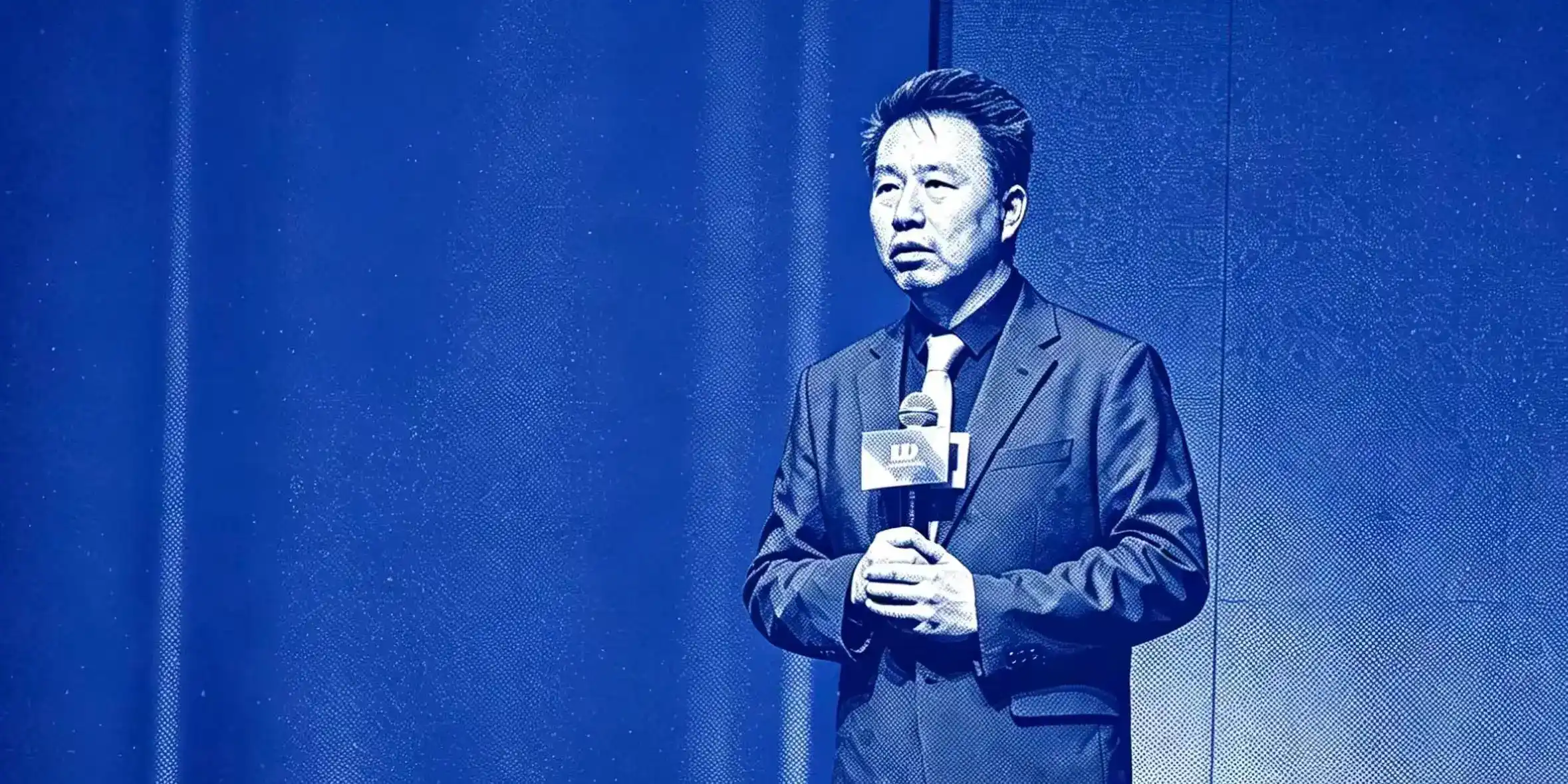
Fu Peng's First Public Speech in 2026: What Exactly Are Crypto Assets? Why Did I Join the Crypto Asset Industry?

Fu Peng, a renowned macroeconomist and now Chief Economist at New火 Group, delivered his first public speech of 2026 at the Hong Kong Web3 Festival. He explained his perspective on crypto assets and why he joined the industry, framing it within the context of macroeconomic trends and financial evolution. Fu emphasized that crypto assets are transitioning from an early, belief-driven phase to a mature, institutionally integrated asset class. He drew parallels to the 1970s-80s, when technological advances (like computing) revolutionized traditional finance, leading to the rise of FICC (Fixed Income, Currencies, and Commodities). Similarly, current advancements in AI, data, and blockchain are reshaping finance, with crypto assets becoming part of a new "FICC + C" (C for Crypto) framework. He noted that institutional capital, including traditional hedge funds, avoided early crypto due to its speculative nature but are now engaging as regulatory clarity emerges (e.g., stablecoin laws, CFTC classifying crypto as a commodity). Fu predicted that 2025-2026 marks a turning point where crypto becomes a standardized, financially viable asset for diversified portfolios, akin to commodities or derivatives in traditional finance. Fu defined Bitcoin not as "digital gold" in a simplistic sense but as a value-preserving, financially tradable asset. He highlighted that crypto's future lies in regulated, institutional adoption, moving away from retail-dominated trading. His entry into crypto signals this maturation, where traditional finance integrates crypto into mainstream asset management.

marsbit5m ago

Fu Peng's First Public Speech in 2026: What Exactly Are Crypto Assets? Why Did I Join the Crypto Asset Industry?

marsbit5m ago

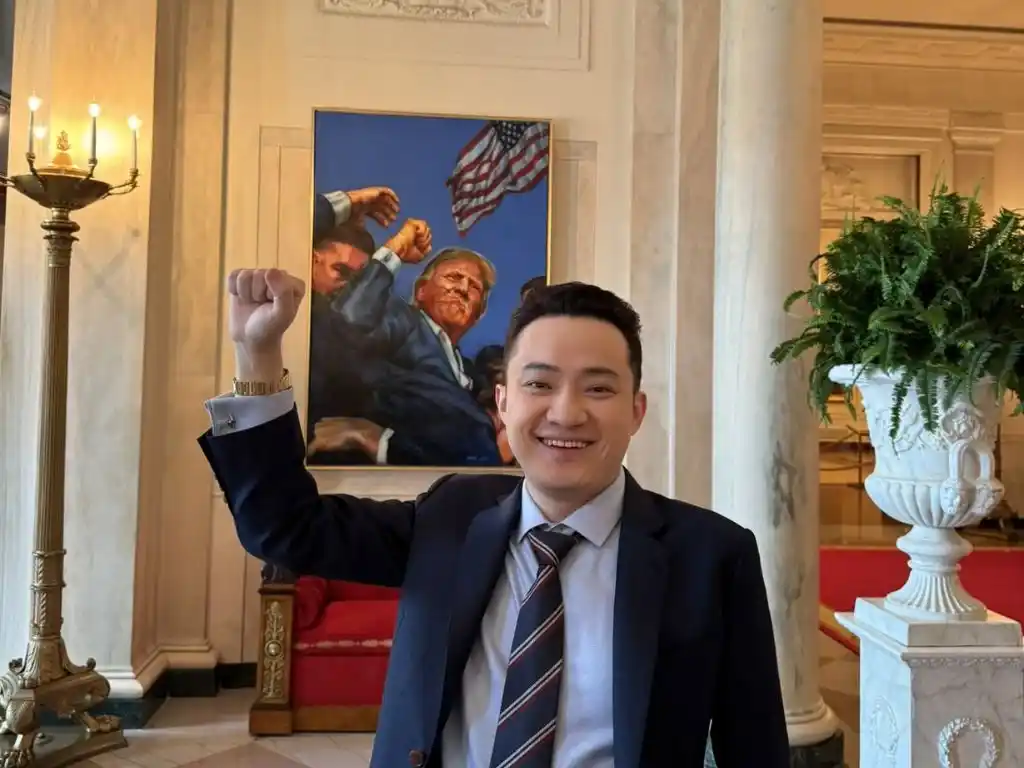
Justin Sun Sues Trump Family: What $75 Million Bought Was Only a Blacklist

Justin Sun, founder of Tron, has filed a lawsuit in federal court against World Liberty Financial (WLF), alleging he was made the "primary target of a fraudulent scheme" after investing $75 million. Sun claims the investment secured him an advisor title and WLFI tokens, which were later frozen by WLF, causing "hundreds of millions in losses." The dispute began in late 2024 when Sun's investment helped revive WLF's struggling token sale, which ultimately raised $550 million. Shortly after, the SEC dropped its lawsuit against Sun following Donald Trump's inauguration. However, relations soured when Sun refused WLF's demands for additional funding. In August 2025, WLF added a "blacklist" function to its smart contract, allowing it to unilaterally freeze tokens. Sun's holdings, worth approximately $107 million, were frozen, and he was threatened with token destruction. The lawsuit highlights WLF's structure, which directs 75% of token sale profits to the Trump family, who had earned $1 billion by December 2025. WLF's CEO is Zach Witkoff, son of U.S. Middle East envoy Steve Witkoff. The project faces scrutiny for opaque operations, including a controversial loan arrangement on the Dolomite platform, co-founded by a WLF advisor. Despite Sun's history with the SEC, the case underscores centralization risks within DeFi, as WLF controls governance and holds powers to freeze assets arbitrarily. Sun's tokens remain frozen as legal proceedings begin.

marsbit13m ago

Justin Sun Sues Trump Family: What $75 Million Bought Was Only a Blacklist

marsbit13m ago

$500 to Buy OpenAI Stock: Silicon Valley's Most Respectable Liquidity Invitation

Silicon Valley's largest venture capital platform, AngelList, has launched a new fund called USVC, allowing U.S. retail investors to buy into high-profile AI companies like OpenAI, Anthropic, and xAI with a minimum investment of $500—no accredited investor status required. Promoted by AngelList co-founder Naval Ravikant, the fund is framed as an opportunity for ordinary people to access high-growth private tech investments traditionally reserved for VCs. However, critics argue it functions more like an exit vehicle for early insiders. USVC acquires shares not through primary rounds but largely via secondary transactions—purchasing stakes from early investors, VC funds, and employees looking to cash out at peak valuations. With companies like xAI heavily weighted in the portfolio, the fund effectively channels retail money into providing liquidity for insiders who entered at much lower valuations. The fund’s structure raises concerns: shares are illiquid, with no secondary market, and buybacks are limited and discretionary. The actual annual fee reaches 3.61%, far above the advertised 1% management fee. This model parallels the "low float, high fully diluted valuation" strategy seen in crypto, where early investors profit by selling to latecomers at inflated prices. The timing—alongside similar moves by platforms like Robinhood—suggests that Silicon Valley’s sudden interest in retail inclusion may be less about democratizing access and more about securing exits for insiders.

marsbit44m ago

$500 to Buy OpenAI Stock: Silicon Valley's Most Respectable Liquidity Invitation

marsbit44m ago

Trading

Spot
Futures
活动图片