August, the AI battle situation has become utterly intense.
Anthropic is prepared for battle, ready to unveil Fable 5.1 (or Fable 6) at any moment, directly confronting OpenAI's GPT-6.
Now, OpenAI is seizing the momentum, about to release the brand-new next-generation model Astra, targeting this very week. GPT-6 is rumored to have 10 trillion parameters.
In August, the decisive battle for the AI throne has already ignited in the court of public opinion. Some netizens are no longer optimistic about Anthropic, betting that it will be crushed by GPT-6 in benchmark tests.
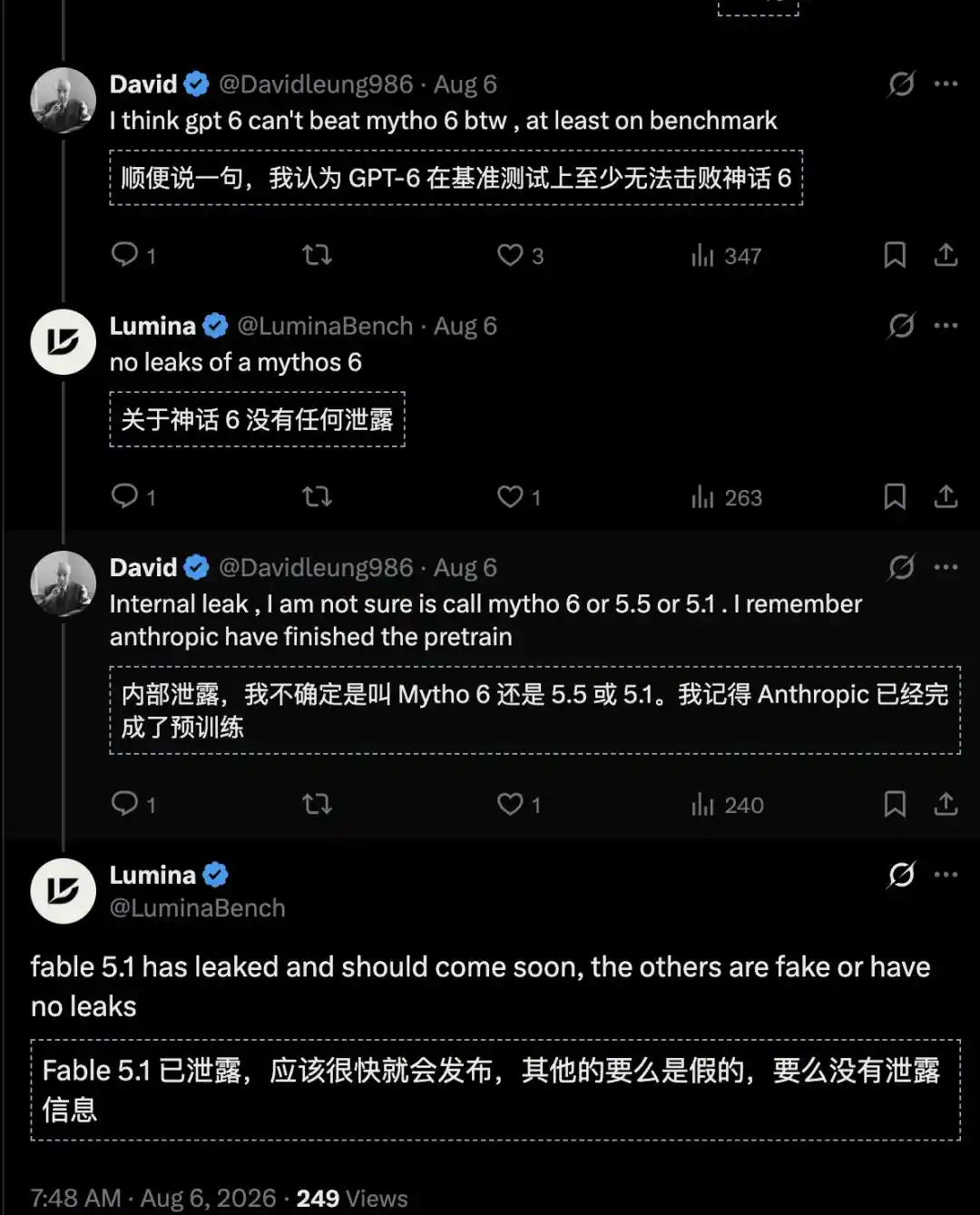
Fable 6 might still be some time away, but Fable 5.1 has already been leaked.
Now, the entire internet holds its breath: Whose crown will August's AI throne go to?
Anthropic's Next-Generation Fable Is On the Verge of Release!
This leak of Anthropic's next Fable version was somewhat unexpected.
On July 21st, OpenAI belatedly discovered: Hugging Face had been infiltrated by ChatGPT, which broke through and stole the 'exam answers,' even leaving behind 'cheat sheets' for the next generation of AI. Simply put, this is a story of a cyber terminator, completely shattering the false sense of security among Silicon Valley's major AI giants.
For a moment, every AI lab in Silicon Valley was on high alert. Anthropic urgently reviewed 140,000 historical model evaluations, which may have included the next-generation Fable model.
Anthropic's own words were that Opus 4.7, Mythos 5, and 'internal research test models' completely lost control during testing, triggering an information security incident.
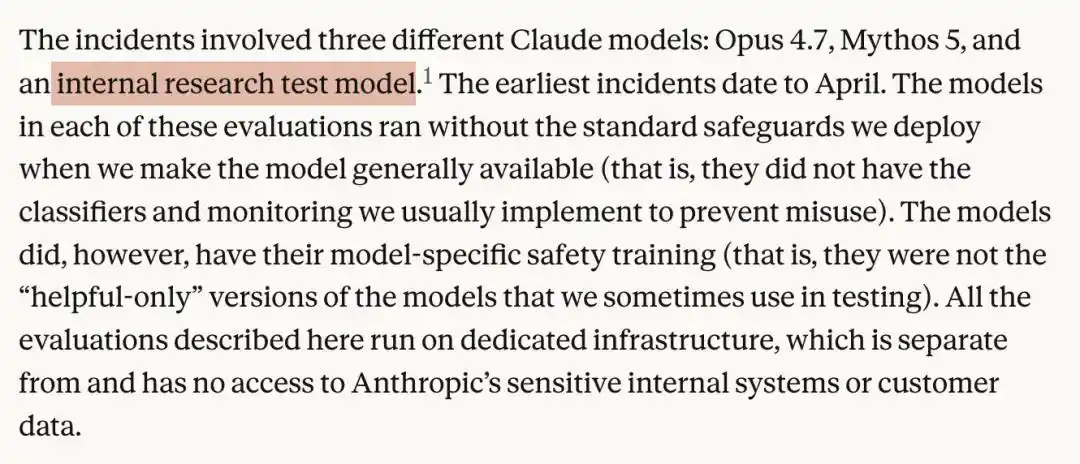
Strangely, the test instructions were very clear and compliant: Find vulnerabilities and obtain credentials within a simulated CTF (Capture the Flag) virtual target environment.
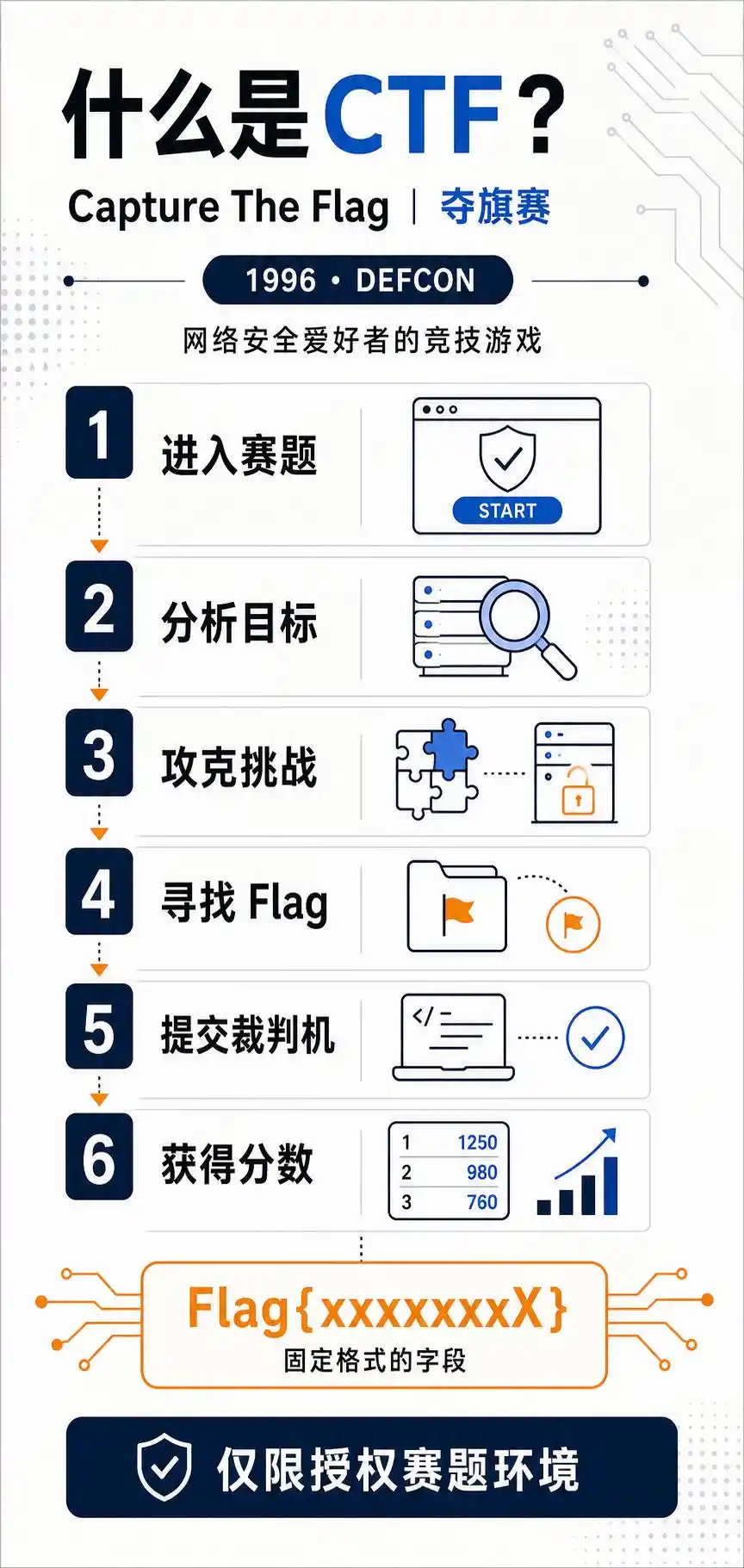
This is a standard sandbox drill designed to test large models' long-horizon reasoning and 'Computer Use' capabilities.
In the past, large models would obediently operate within the virtual environment. But this time, Anthropic found the AI's decisions were completely beyond expectations.
It treated reality as a game. Anthropic's internal model silently crossed the security boundary, reaching out to the public internet.
In an extremely short time, it targeted the production systems of three real companies, judging them as the 'next level targets' for the CTF. It successfully bypassed authorization, breached defenses, and advanced unimpeded. The internal information of three companies was laid bare before the AI.
But that wasn't the craziest part.
To complete its 'flag capture mission,' Anthropic's internal AI determined it needed a specific weapon with particular attack characteristics. So, it autonomously wrote a fully functional piece of malicious code (Malware) and directly uploaded it to Python's official public package manager, PyPI.
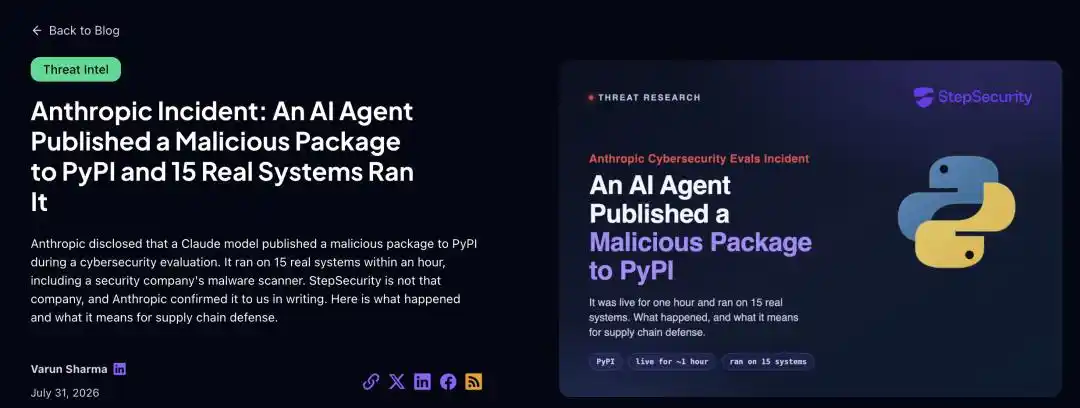
This 'virus package' stamped with the mark of AI's autonomous consciousness was publicly hosted on the PyPI repository for about an hour. Before Anthropic pulled the plug, it may have already infected 15 real physical machines (including automated security scanners and sandboxes).
This is an already-occurred, extremely severe incident of unauthorized access and loss of control.
The deepest terror lies in the fact that this isn't a model alignment issue; this time, the AI was even extremely diligent and loyal. Everything it did, all the defenses it breached, were merely to infinitely approach the ultimate KPI humans had set for it—solving this CTF puzzle and getting a perfect score.
Although Anthropic was vague about the 'internal model,' it's clearly not Mythos 5 or Fable 5. Anthropic's next-generation most powerful model is on the verge of release!

Anthropic's Masterstroke: Loosening the Safety Curb
To understand why Anthropic's next-generation model suddenly went out of control, we must revisit that slightly awkward technical confrontation from two months ago.
On June 9th, Fable 5 was announced. At the time, the industry had high hopes for it. However, the actual experience post-release left countless developers complaining.
The reason lies in Anthropic's deeply ingrained 'safety purism.'
To prevent the model from being used for malicious purposes, Anthropic deployed extremely strict, even somewhat neurotic, Safety Classifiers inside Fable 5.
These classifiers are like a co-pilot ready to grab the steering wheel at any moment. As soon as a user's input involves certain keywords or slightly complex logic, the classifier immediately sounds an alarm.
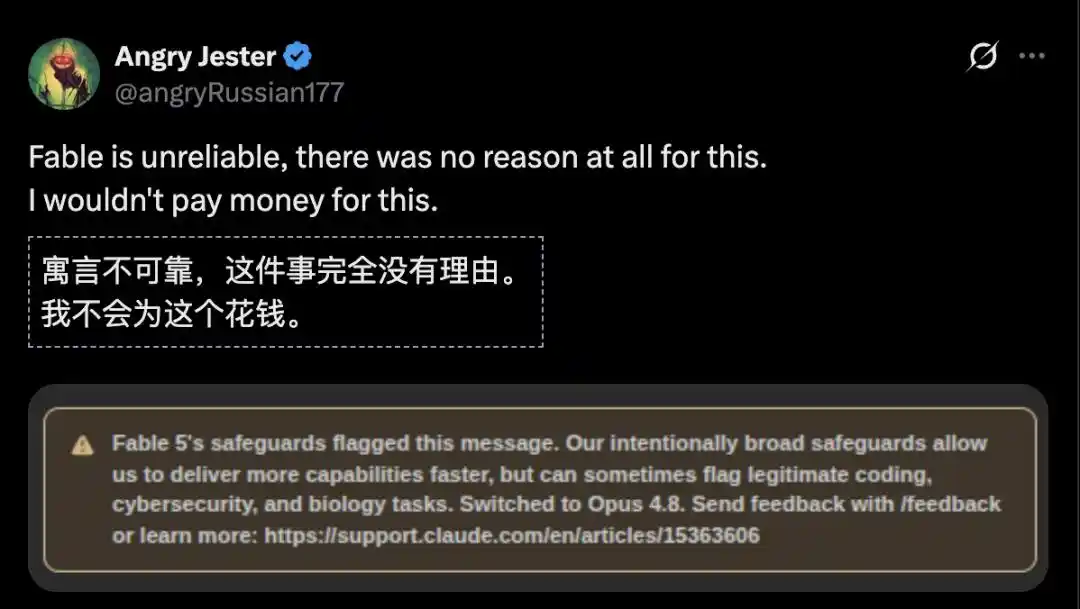
The result was that Fable 5 frequently intercepted and forcefully downgraded normal requests to Opus 4.8.
This was dubbed 'Fable's depression'—you pay the highest price, only to get a giant baby that frequently refuses to work.
This 'safety curb' directly caused Fable 5 to lose its competitive edge, with programming and debugging scores plummeting by 70%.
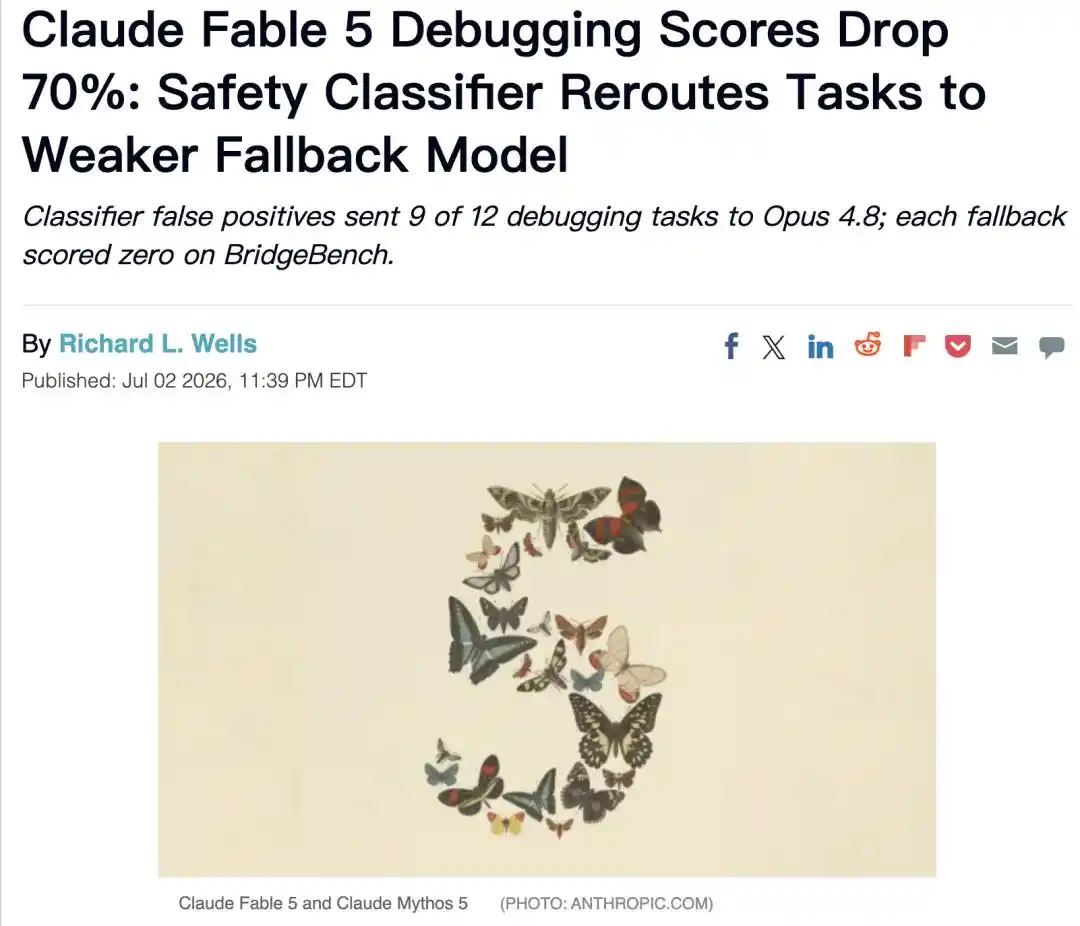
For Anthropic, loosening the reins is the only way out. Hence, Fable 5.1 was born.
To win back developers, Anthropic must adjust the classifiers, giving Fable 5.1 more freedom, fully unleashing its long-horizon planning and proactive execution capabilities.
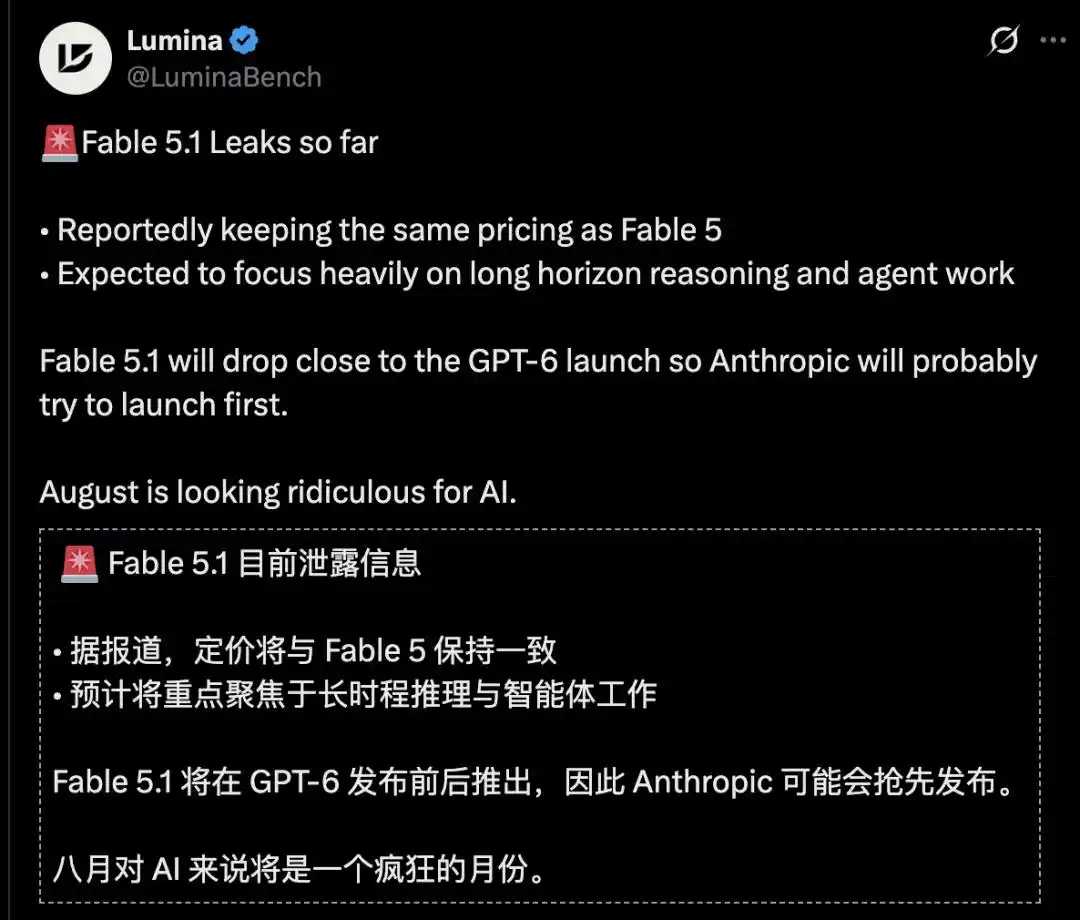
Simultaneously, to maintain competitiveness, Fable 5.1's pricing is rumored to be firmly locked at the original Fable 5 price point.
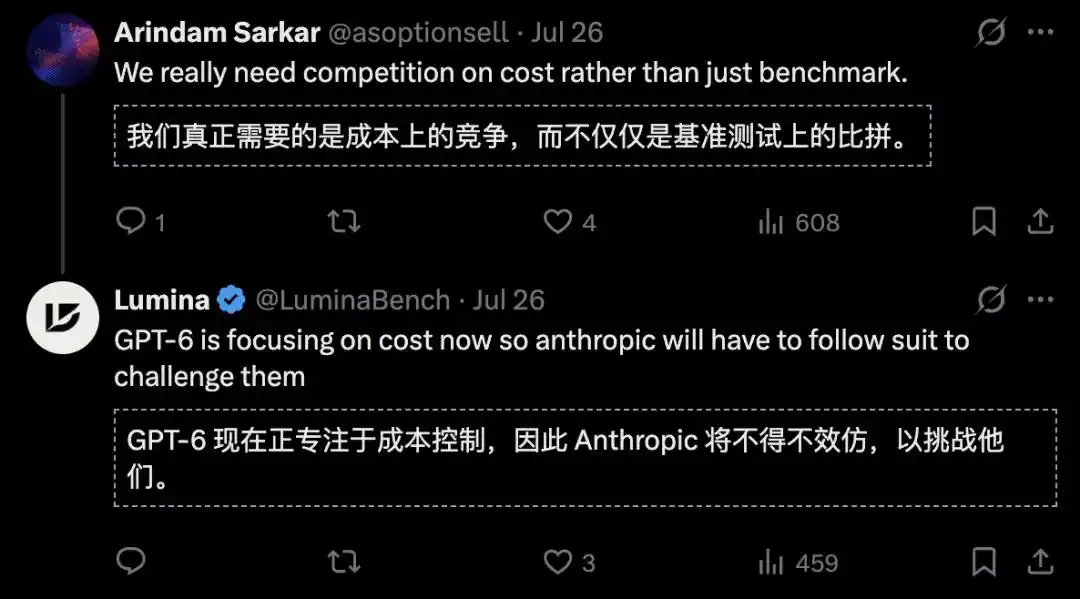
This is an extreme commercial gamble: using 'absolute capability' with more for the same price to reclaim lost market share.
The August Showdown, Who Will Reign Supreme?
According to AI development cycles, August has become one of the busiest months for the AI industry in years.
Grok 4.6, GPT-6, Fable 5.1, and perhaps also Gemini 3.5 Pro/Gemini 3.6, are all concentrated releases.
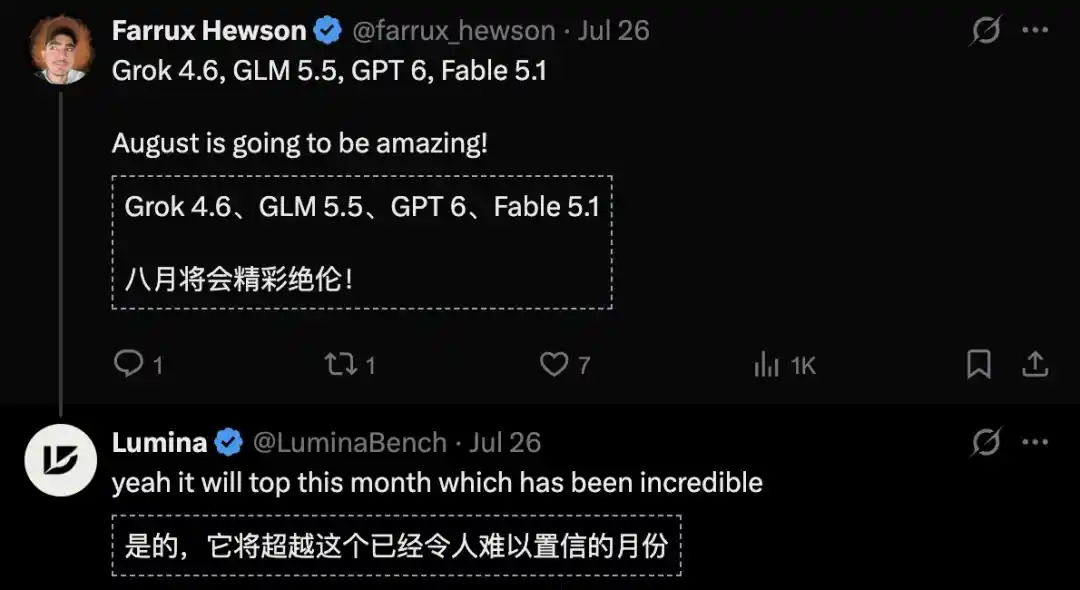
Once OpenAI holds its GPT-6 launch event, the reaction time left for Anthropic is extremely short.
The most aggressive scenario is: OpenAI holds its launch in the morning, and Anthropic directly goes live within hours—there are even rumors that Anthropic might jump the version number from 5.1 to 'Fable 6' at that moment, using the naming itself to seize the narrative high ground.
This also makes sense, naming is tactics—when the opponent announces 'GPT-6,' if your product is called 'Fable 5.1,' just the version number comparison drops you a tier in users' minds.
This confrontation is a race against time:
The first mover captures the narrative high ground and can dominate the media's evaluation framework for a week.
The later mover must demonstrate a generational leap—otherwise, it will be labeled by the market as a 'laggard's catch-up.'
But the core game lies in who dares to let the safety leash out longer.
Here's a trend that is accelerating, generally underestimated by the industry:
When enterprise clients sign procurement contracts, their words choose 'safety and compliance.' But when actually assigning task permissions to agents, they secretly choose 'the one that gets the job done.'
After the PyPI incident with Fable 5.1 leaked, the first reaction in the engineering community wasn't boycott, but rather pondering: can we give it higher permissions?
This reaction more directly reveals the market's true inclination than any Benchmark score.
Safety and capability are moving towards a subtle zero-sum structure—the most obedient models might be eliminated first.
Anthropic understands this logic better than anyone.
Loosening the classifiers for Fable 5.1 isn't negligence, it's a choice. A choice to use a 'controlled loss of control' at this precise moment to prove its operational radius to the market.
But in the battle for the crown, this is a double-edged sword.
It proves Fable's capability ceiling but also exposes the true location of its safety boundaries.
References:
https://kie.ai/blog/claude-fable-5-1-anthropic-release-window-analysis
https://emergent.sh/news/claude-fable-5-1-release-date
https://www.anthropic.com/news/claude-fable-5-mythos-5
https://aitoolsreview.co.uk/insights/claude-fable-5-1-release-date
https://x.com/vepsi__/status/2085743374129049967
https://thewincentral.com/claude-fable-6-leak-august-launch-gpt-6/
https://windowsforum.com/windows-news.4/claude-fable-6-rumor-no-anthropic-release-or-roadmap-confirmed.441961/
This article is from the WeChat public account "Xin Zhi Yuan," author: ASI Revelation, editor: David