Penulis:Miles Deutscher
Kompilasi: Jiahuan, ChainCatcher
Dalam artikel ini, saya akan memecah secara detail 10 prediksi kripto saya untuk tahun 2026. Ini termasuk prediksi harga $BTC, narasi altcoin teratas, prospek integrasi kripto dengan AI, dan banyak lagi. Ini adalah latihan yang saya lakukan setiap tahun, dan ini benar-benar membantu saya mengkalibrasi arah untuk tahun baru. Bahkan jika Anda tidak setuju dengan semua prediksi di sini, saya harap ini dapat memicu pemikiran Anda, mendorong Anda untuk membuat daftar sendiri, agar siap tahun ini, menangkap potensi kenaikan terbesar.
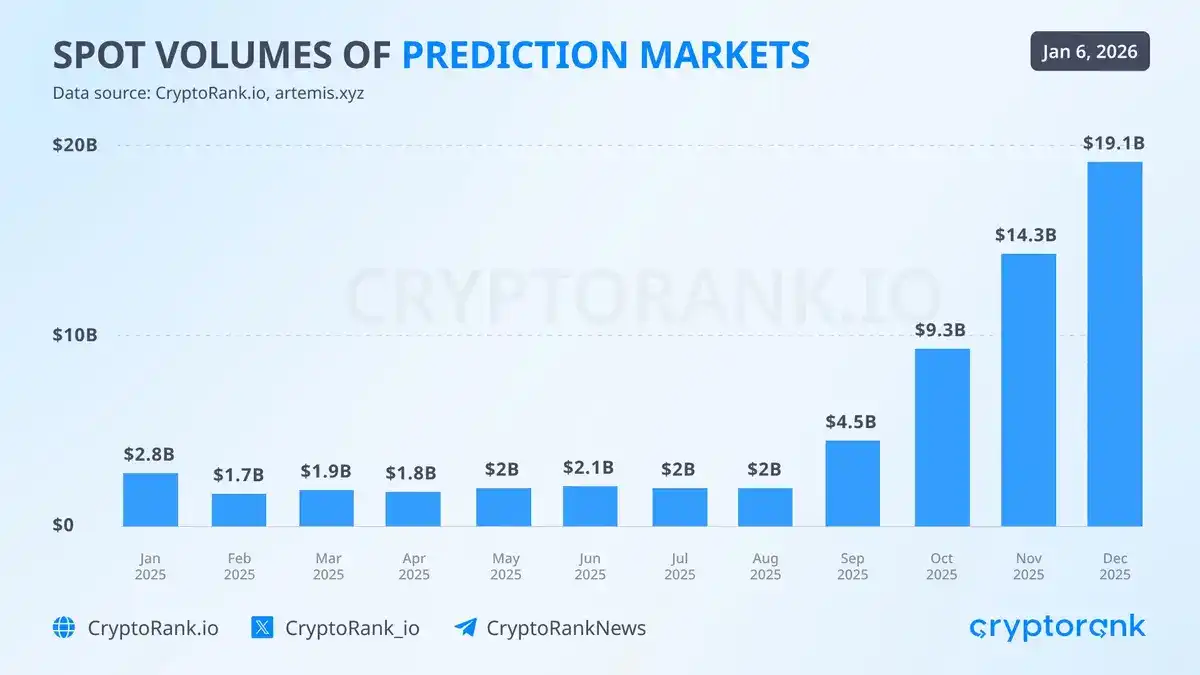
10. Volume Pasar Prediksi Tumbuh 5 Kali Lipat
Dari Januari 2025 hingga hari ini, volume perdagangan pasar prediksi telah tumbuh sekitar 10 kali lipat. Saya percaya tren ini akan berlanjut, dan pada tahun 2026, kita akan melihat setidaknya satu bulan dengan volume mencapai 5 kali lipat level saat ini. Volume saat ini tumbuh 5 kali lipat akan setara dengan sekitar $95 miliar per bulan. Faktor lain yang perlu dipertimbangkan adalah kebangkitan "protokol tetangga" yang dibangun di atas pasar prediksi. Misalnya @intodotspace, mereka sedang membangun pasar prediksi leverage pertama. Tren ini juga akan semakin memperbesar volume.
9. Ledakan Perdagangan Kontrak Berkelanjutan Saham/Logam
Argumen di sini sederhana: kita akan terus melihat penyebaran kontrak berkelanjutan di ranah mainstream — tidak hanya terbatas pada perdagangan token kripto. Tahun 2025 adalah tahun di mana teknologi futures berkelanjutan meledak di jalur kripto — penyelesaian instan, UI/UX yang sangat baik, terdesentralisasi, dll. Kedua, emas/logam/saham sedang dalam bull market yang ganas. Biasanya, ketika siklus mendekati puncak, orang-orang untuk mengejar imbalan akan bergerak lebih jauh ke bawah kurva risiko (kontrak berkelanjutan sangat cocok untuk diuntungkan bersama saham kapitalisasi kecil/pasar berkembang).
Dalam banyak kasus, akses melalui jalur kripto lebih mudah dan cepat daripada membeli saham/emas melalui jalur Keuangan Tradisional (TradFi). Karena efek kombinasi ini, saya pikir kita akan melihat volume perdagangan saham/logam di DEX berkelanjutan meledak, perdagangan kontrak berkelanjutan akan jauh lebih dari sekadar volume perdagangan token kripto.
8. "Renaisans" ICO Terus Berlanjut
Karena perubahan besar dalam lingkungan regulasi, publik sekarang memiliki akses untuk berpartisipasi dalam penjualan token dengan cara yang belum pernah terjadi sebelumnya. Partisipasi ICO berada pada level tertinggi sepanjang masa, dan saya perkirakan tren kenaikan keseluruhan ini akan berlanjut. Jika Anda tertarik memanfaatkan ICO untuk keuntungan, saya baru-baru ini merilis panduan utas tweet lengkap dan template Notion gratis untuk membantu Anda tetap terorganisir di bidang ini — Anda dapat melihat di bawah.
7. Altcoin dengan Model Pendapatan Kuat Akan Menang
Arah pasar telah jelas berubah, mulai menyukai bisnis nyata daripada sekadar spekulasi dan hype. Tentu, yang terakhir akan selalu memiliki tempat di pasar, tetapi semakin banyak investor (besar dan kecil) yang mencari "flywheel" nyata untuk mendukung harga token (di lautan pengenceran token).
Saya percaya protokol yang benar-benar menghasilkan pendapatan akan terus mendominasi. Sederhananya, protokol dengan mekanisme pendapatan nyata akan berkembang lebih baik daripada yang tidak memiliki pendapatan nyata. Perhatikan perusahaan/proyek/tim yang sebenarnya sedang menghasilkan pendapatan.
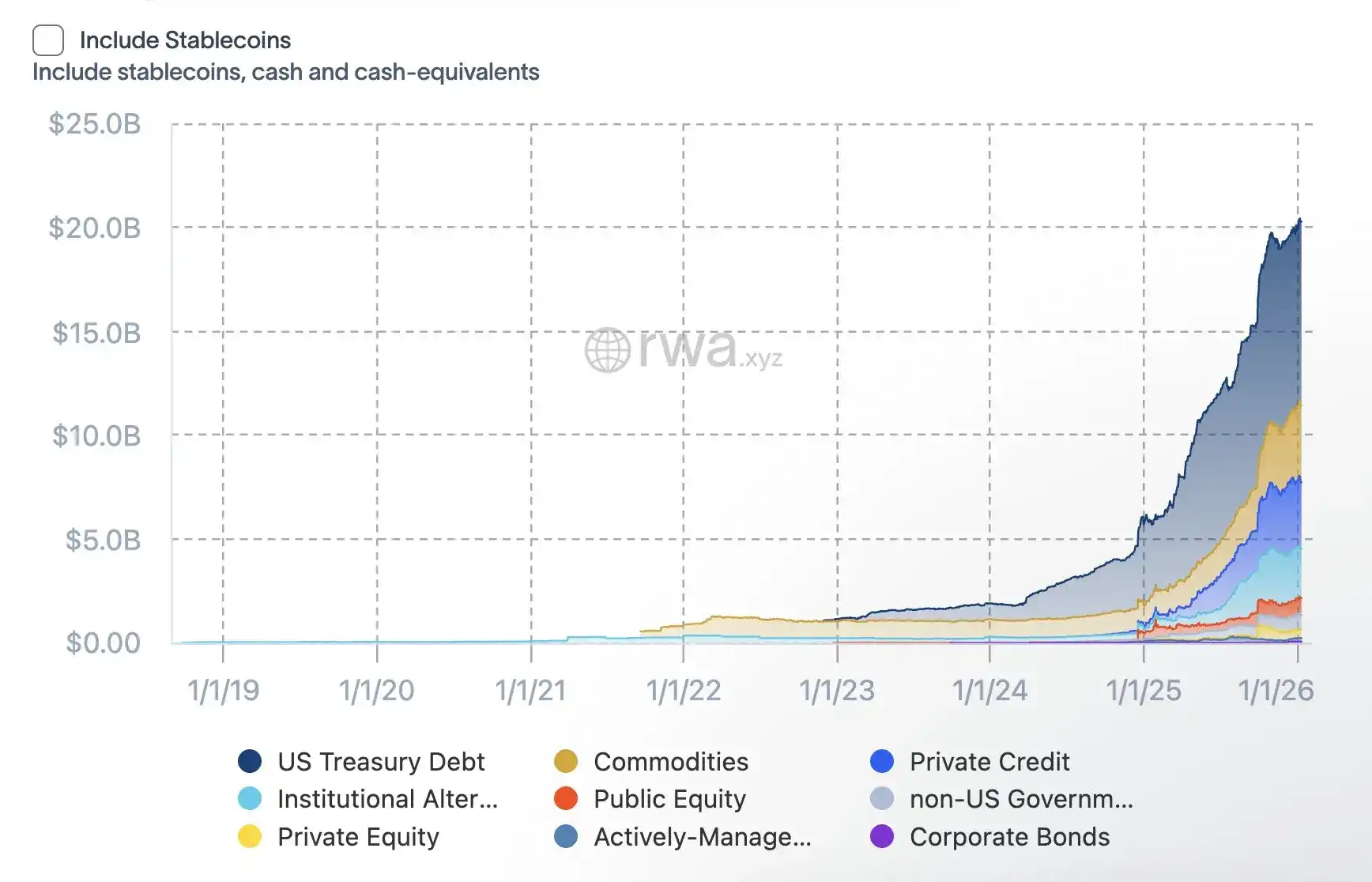
6. RWA Akan Menjadi Tahun Ledakan Terbesar Kedua Sepanjang Masa
Saya sangat ingin mengatakan RWA akan menjadi tahun terbesar sepanjang masa. Namun, secara teknis, sulit untuk mengalahkan pertumbuhan $14 miliar pada tahun 2025. Saya pikir likuiditas akan terus mengalir ke bidang ini, ini akan menjadi tahun panen lagi, tetapi persentase pertumbuhan mungkin lebih kecil dari tahun 2025. Tahun 2026 mungkin membawa banyak peluang hasil/tokenisasi di bidang ini dan banyak tata letak perdagangan altcoin.
5. Bank Digital (Neobanks) Menjadi Sektor dengan Pertumbuhan Eksponensial Terbesar di Dunia Kripto
Rasanya kita akhirnya sampai pada titik balik perbankan kripto/stablecoin. Infrastruktur akhirnya menyusul permintaan, dan kita juga melihat adopsi banyak produk meledak. Kemampuan untuk dengan mudah mengonversi kripto ke dan dari fiat adalah solusi yang sangat dibutuhkan. Sektor ini memiliki pasar potensial terbesar (pada dasarnya seluruh dunia keuangan), dan secara aktif memecahkan masalah di negara berkembang dan daerah di mana sistem keuangan tradisional kurang nyaman. Ini adalah pasar yang besar, dan saya perkirakan tahun ini kita akhirnya (benar-benar) akan menaklukkannya.
4. AI / AI Agents Benar-Benar Kembali
Januari tahun lalu, kita mengalami musim hype AI yang gila, mendorong kenaikan harga protokol Crypto x AI — satu-satunya masalah adalah teknologi belum bisa mengikutinya saat itu. Memasuki tahun 2026, situasinya berbeda, teknologi sebenarnya dapat memenuhi janji hype. Bagi saya, tahun 2026 tanpa diragukan lagi adalah tahun paling penting bagi AI sejauh ini (seperti setiap tahun), dan karena orang berspekulasi tentang potensi kenaikan AI, minat retail mudah meluap ke ranah kripto. Crypto x AI adalah sinergi sempurna. Crypto membawa kebebasan jalur keuangan, dan AI membawa otomatisasi, saya percaya ini adalah masa depan keuangan. Saya pikir ini akan menciptakan peluang di banyak sub-bidang AI, termasuk x402, robotika, alur kerja agen (Agentic Workflows), data/infrastruktur AI, dll.
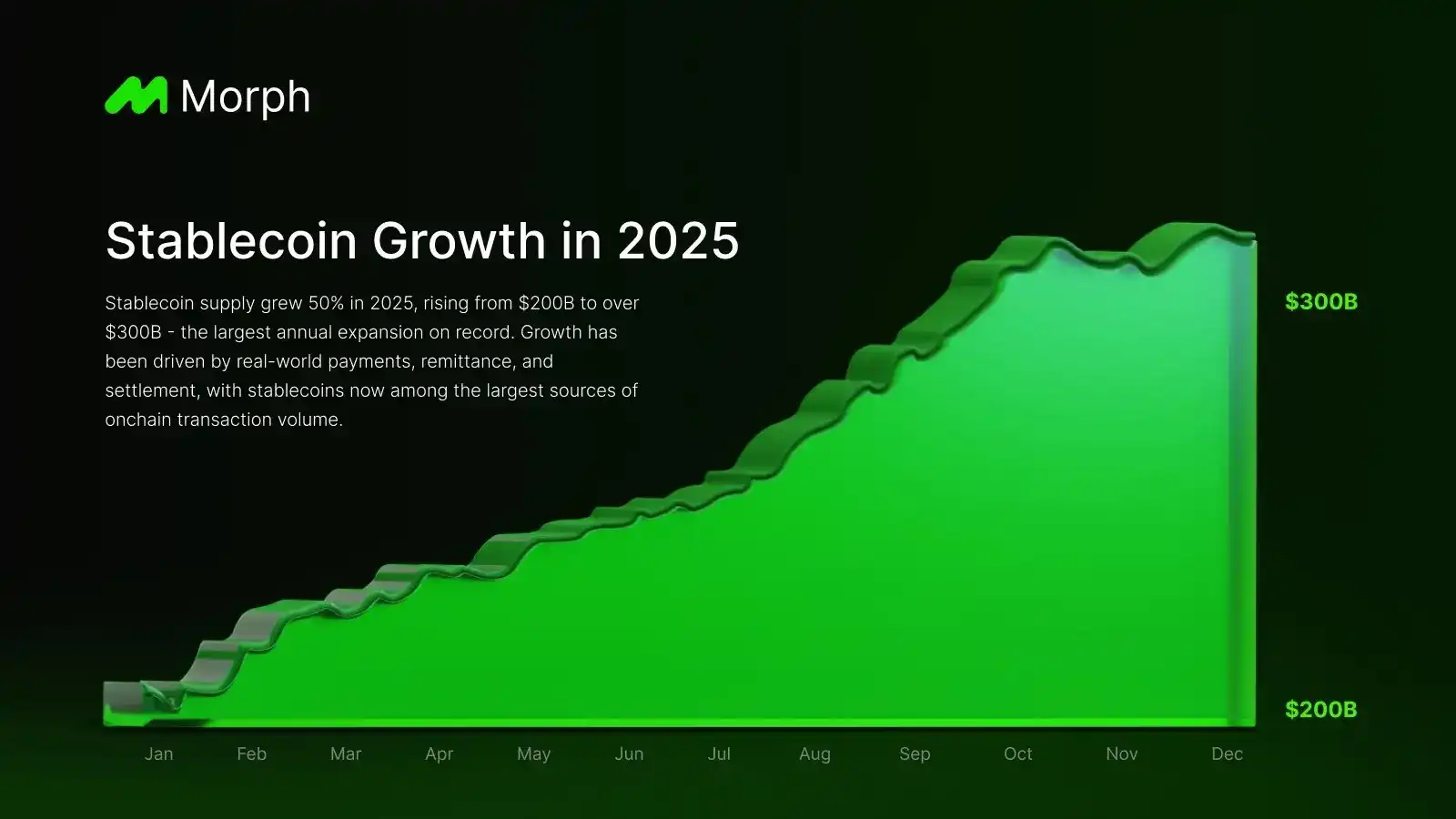
3. Pasokan Stablecoin Meningkat Lebih dari 50%
Tahun lalu, total pasokan stablecoin tumbuh 50% (dari $200 miliar menjadi $300 miliar). Saya percaya tahun ini kita akan melihat pertumbuhan serupa dalam pasokan stablecoin, yang selanjutnya dikatalisis oleh RUU Clarity untuk stablecoin AS yang akan diatur.
2. Dorongan Institusi untuk Pasar Kripto Akan Melebihi Retail
Seluruh siklus ini didorong oleh institusi (DATs, dorongan ETF, dll.). Saya perkirakan pergeseran ini ke pasar yang didorong institusi akan berlanjut — itulah mengapa saya fokus pada token/protokol yang dapat menarik minat institusi (kembali ke sudut pandang saya tentang fokus pada proyek pendapatan nyata).
1. Harga BTC Akhir Tahun Akan Lebih Tinggi dari Awal Tahun
Apakah $BTC akan mengalami "puncak dan penurunan" gila di atas $150.000 tahun ini, tergantung pada banyak faktor. Aliran dana/permintaan pembeli, DATs, konteks makro, dll.
Jujur, saya tidak yakin pasar dapat mengumpulkan semua kondisi yang tepat untuk memicu pola puncak bull paling ekstrem itu. Namun, saya pikir Bitcoin akan menutup tahun 2026 dengan lilin harga bullish. Itu berarti $BTC harus ditutup di atas kisaran $90.000.
Meringkas logika long saya untuk ini (saya mungkin akan membuat postingan lebih detail tentang ini nanti): kita kemungkinan besar berada di tahun terakhir siklus bisnis, dan kita melihat perilaku pembentukan harga yang mirip dengan tahun-tahun sebelumnya, yang membuat saya percaya kita setidaknya akan menutup hijau tahun ini — dalam beberapa minggu ke depan, saya akan melakukan penelitian lebih mendalam tentang argumen pasti saya untuk ini, nantikan.







