Автор | Odaily星球日报(@OdailyChina)
Автор | Wenser(@wenser2010 )
Вспоминая о SemiAnalysis, еще свежи в памяти потрясения на рынке акций США в сфере памяти и чипов, вызванные содержанием отчетов этой организации.
Как независимая инвестиционно-исследовательская структура с годовым доходом, способным превысить 100 миллионов долларов, SemiAnalysis сегодня совмещает в себе роли консалтинговой компании, платформы модельных услуг и технологической лаборатории. Во главе этой стремительно развивающейся исследовательской организации, получившей высокую оценку основателя NVIDIA Дженсена Хуанга и генерального директора AMD Лизы Су, стоит не технический специалист или инженер, глубоко погруженный в производство чипов, а бывший пчеловод из Миннесоты, анонимно обсуждавший технические вопросы на американских форумах для энтузиастов — "пчеловод и товарищ из форума".
В этом выпуске "Расшифровка личностей" Odaily星球日报 рассказывает об основателе SemiAnalysis — Дилане Пателе.
Основатель SemiAnalysis: "прокачавший все навыки" самоучка, "технический гуру с форумов"
В отличие от Citrini, больше сосредоточенной на макротрендах и долгосрочных темах, SemiAnalysis выбрала более сфокусированный путь — углубленное изучение полупроводниковой индустрии, а ее основатель Дилан Патель (далее — Дилан) — это настоящая "легенда отрасли".
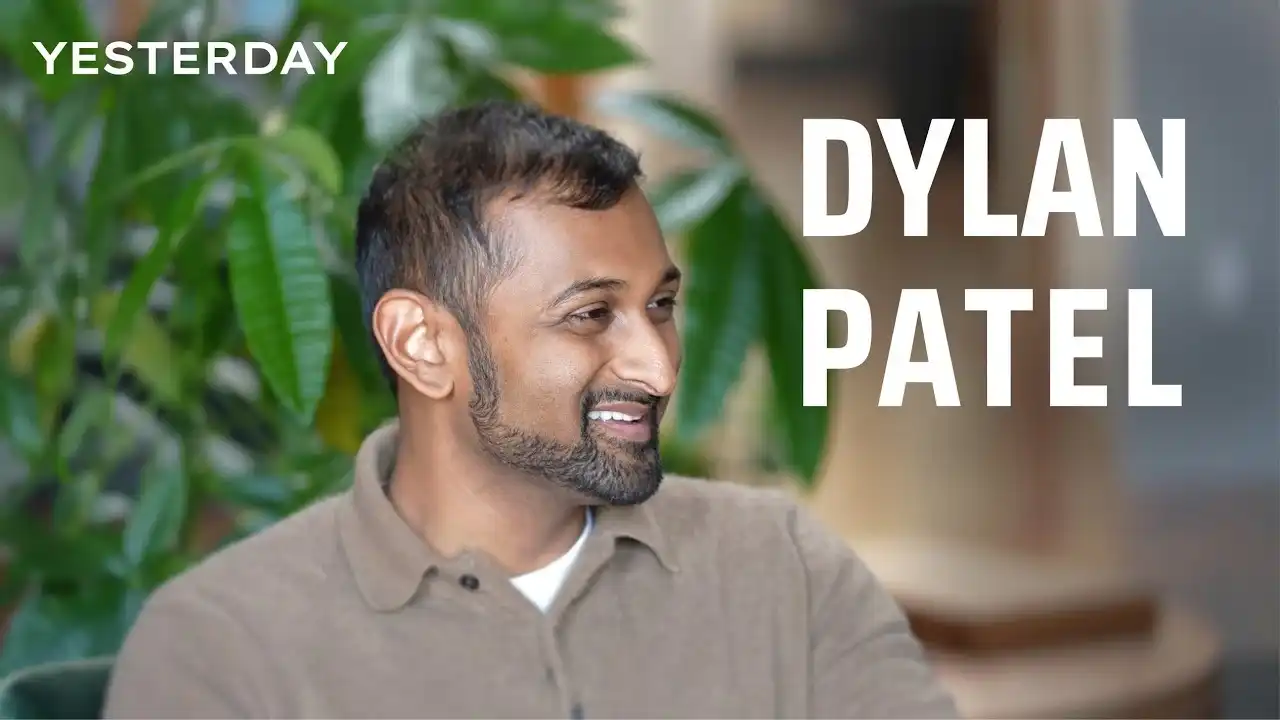
Ранний опыт: деревенский пчеловод из Джорджии, американский "товарищ с форума"
Согласно рассказу Дилана в кулинарном интервью на Latent Space, он вырос в сельской местности Джорджии, учился в Университете Джорджии. После окончания университета он даже около полутора лет работал пчеловодом в Миннесоте.
В то время он, по его словам, находился в состоянии "потери себя". Оглядываясь на прошлое, он говорит: "Кажется, будто я просто прошел через множество этапов жизни... не было какого-то четкого, прямого пути, которому можно было бы следовать". (Прим. Odaily星球日报: здесь речь идет о смене его ролей от энтузиаста чипов, модератора полупроводниковых форумов, анонимного блогера о чипах до основателя исследовательской организации, создателя хедж-фонда и других амплуа).
Его путь в индустрию тоже можно назвать "извилистым".
Еще в возрасте от 8 до 12 лет он был активным "форумным воином" (forum warrior) на полупроводниковых форумах (Прим. Odaily星球日报: подобно отечественным форумам типа "Тиба", где собираются технические энтузиасты, так называемые "товарищи с Тибы"). Он самостоятельно изучал полупроводниковые знания, ремонтируя такое оборудование, как Xbox, углубляясь в документацию по чипам и общаясь с единомышленниками из сообщества.
Таким образом, в роли анонимного блогера о чипах, начиная с платформ Reddit, WordPress, Silicon Twitter, он делился знаниями о чипах, обсуждал технологии производства чипов, цепочки поставок в полупроводниковой индустрии и другие хардкорные темы.
В мае 2020 года Дилан официально основал личный блог-канал SemiAnalysis с целью предоставления точного, независимого технического анализа полупроводниковой отрасли. На тот момент еще не наступил "взрывной момент ИИ, вызванный GPT", полупроводниковая индустрия оставалась технически нишевой областью, и подобного глубокого контента на рынке было очень мало.
Изначально SemiAnalysis был очень нишевым личным контент-каналом, размещенным на WordPress. По неоднократным советам его хорошего друга Дага, Дилан позже перенес его на платформу Substack и перешел с бесплатной модели на платную подписку. (Прим. Odaily星球日报: по словам самого Дилана, этот друг через несколько лет также присоединился к Substack).
С этого момента Дилан начал выстраивать вокруг платного контент-канала свою "личную бизнес-систему", включающую технический анализ, бизнес-консалтинг и выпуск отчетов по полупроводниковым цепочкам поставок, продуктам для ИИ-инфраструктуры, облачным экосистемам, моделям машинного обучения и другим высокотехнологичным отраслям.
SemiAnalysis: от компании одного человека до глобальной команды из более 60 специалистов
К 2025 году SemiAnalysis превратилась из первоначальной модели "компании одного человека" (OPC) в глобальную компанию с командой из около 60 профессиональных исследователей. Они также создали в Орегоне (США) профессиональную лабораторию по разбору чипов и полупроводниковых продуктов STEEL (SemiAnalysis Teardown Engineering & Evaluation Lab).
В прошлом году доход организации достиг уровня в 20 миллионов долларов; в этом году, согласно сообщениям The Information, доход SemiAnalysis может превысить 100 миллионов долларов. Основные источники дохода — это гиперскалеры (поставщики облачных услуг сверхмасштаба), гиганты полупроводниковой индустрии, стартапы и институциональные подписки/модели/консалтинг. По словам самого Дилана, он планирует в дальнейшем создать венчурную инвестиционную компанию. Ранее он лично/через структуру SPV инвестировал в около 20 стартапов, а также помог гиганту в области вычислительных мощностей Fluidstack привлечь 50 миллионов долларов финансирования через структуру SPV.
Внешнее влияние: высокая оценка со стороны Дженсена Хуанга, генерального директора AMD и других
Почти за 6 лет развития Дилан и SemiAnalysis стали "учебником отрасли" и "обязательным руководством к прочтению" в современной сфере ИИ и полупроводниковой индустрии.
Ранее основатель NVIDIA Дженсен Хуанг в своих выступлениях на конференции разработчиков GTC неоднократно упоминал SemiAnalysis, публично хвалил детали их отчетов, особенно бенчмарки NVIDIA InferenceX, что можно считать "публичным одобрением".
Еще раньше, в декабре 2024 года, после примерно 5 месяцев глубокого тестирования и бенчмаркинга GPU AMD MI300X, команда SemiAnalysis опубликовала критический отчет под названием "MI300X vs H100 vs H200 Benchmark Part 1: Training - CUDA Moat Still Alive" (Сравнение производительности MI300X vs H100 vs H200 Часть 1: Обучение — технологический ров CUDA все еще крепок). В нем отмечалось, что хотя аппаратное обеспечение AMD MI300X GPU на бумаге выглядит конкурентоспособным, но его программный стек ROCm имеет значительные недостатки (например, много багов, низкая удобство использования, незрелая экосистема), что приводит к гораздо худшему реальному пользовательскому опыту по сравнению с архитектурой программного стека CUDA от NVIDIA, и он не может быть эффективным продуктом для тренировочных задач.
Через несколько часов после публикации отчета генеральный директор AMD Лиза Су (Lisa Su) лично связалась с Диланом и на следующий день провела с ним телефонный разговор. Примечательно, что изначально запланированный на 30 минут разговор, из-за большого объема информации, множества отзывов и технических деталей, требующих обсуждения между инженерами, в итоге продлился 90 минут. Это один из редких случаев глубокого диалога между генеральным директором публичной компании с капитализацией в сотни миллиардов долларов и независимой сторонней инвестиционно-исследовательской организацией. В итоге Лиза Су публично поблагодарила его за "конструктивную обратную связь" (даже критическую). (Прим. Odaily星球日报: ее дословная фраза: "Feedback is a gift even when it's critical").
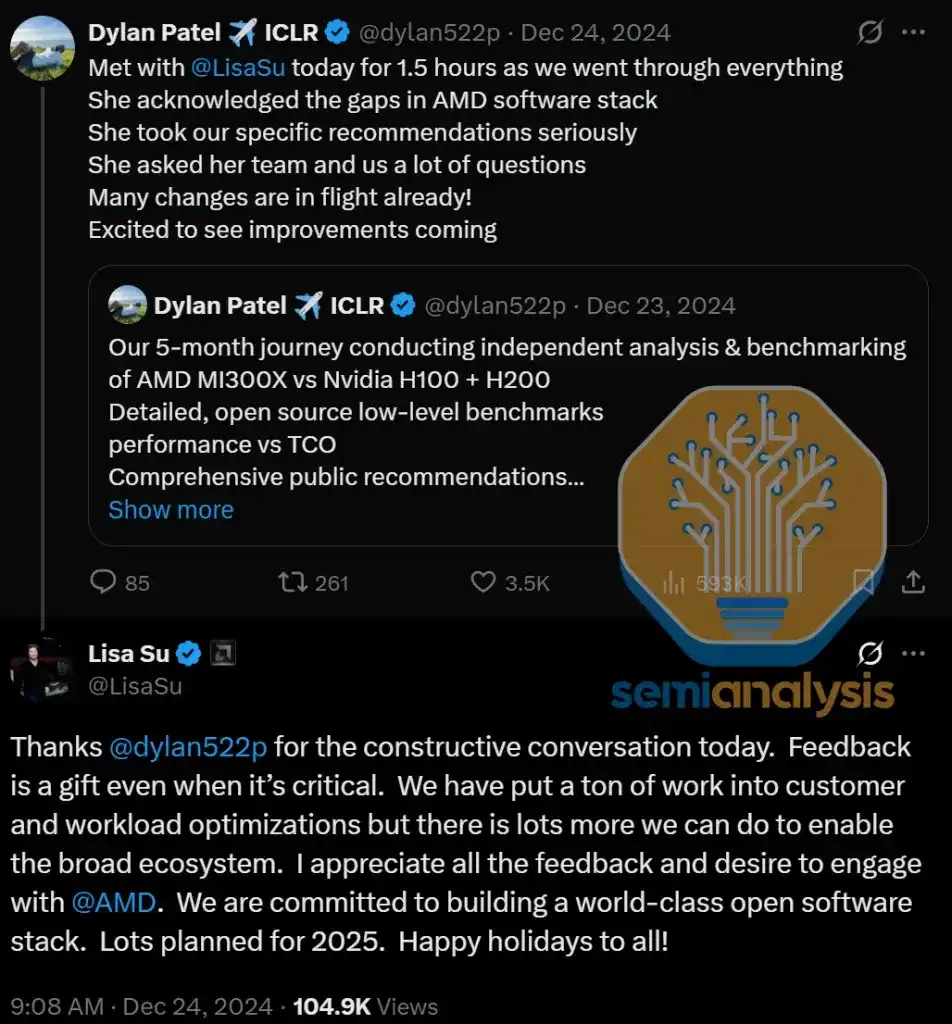
Высокая оценка и позитивный отклик генерального директора AMD Лизы Су
В апреле 2025 года SemiAnalysis сноваопубликовала отчет по мониторингу, в котором говорилось, что "спустя более 4 месяцев AMD ускорила продвижение в ROCm, отношениях с разработчиками, CI/CD и других областях, AMD MI450X, вероятно, превзойдет NVIDIA", что также стало признанием последующих улучшений AMD и показательным случаем "прямого влияния независимых исследований на решения крупных компаний".
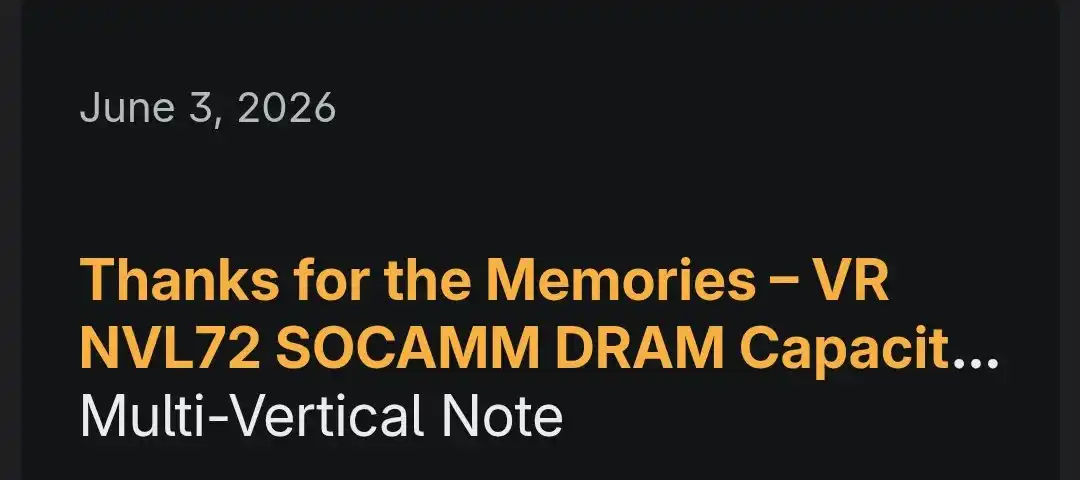
В начале июня аналитик Citrini Джукан (Jukan) репостнул часть отчета SemiAnalysis, в которой указывалось, что "кластер серверов ИИ следующего поколения NVIDIA Rubin NVL72 претерпел серьезные изменения в конфигурации памяти. Чтобы справиться с напряженностью в цепочках поставок и обеспечить своевременную поставку стоек Rubin, емкость одной стойки была резко снижена с первоначально запланированных 55 ТБ до 28 ТБ, что примерно на 50% меньше, с использованием урезанных модулей памяти SOCAMM на 96 ГБ вместо предыдущих высококонфигурационных модулей на 192 ГБ." Возможно, под влиянием этой новости в тот же день многие акции памяти, включая Micron и SK Hynix, испытали давление и упали.
Дилан прокомментировал это: "Мне нравится: когда люди перепощивают то, что мы говорим, они часто вырывают фразы из контекста. На самом деле, в нашем исходном отчете не было такого заголовка, заманивающего на подписку." Позже он прикрепил изображение, показывающее, что оригинальный заголовок отчета был "Thanks for the Memories...".
Для сравнения, SemiAnalysis больше фокусируется на "деталях технической реализации", уделяя внимание реальным узким местам в процессе построения ИИ (нехватка мощностей, наследование цепочек поставок, масштабирование логического вывода, динамика экосистемы Nvidia и т.д.). В оптимистичные прогнозы спроса она часто встраивает анализ реальных ограничений, поэтому она больше подходит для руководства конкретными инвестициями и отраслевыми решениями. Более подробное описание SemiAnalysis см. в статье "От "хардварного энтузиаста" из сообщества до "Muddy Waters" в мире ИИ: Как SemiAnalysis с годовым доходом почти в 100 миллионов долларов сотрясает рынок полупроводников?"
Рекомендуем к прочтению:
Latent Space Episode 1: Situational Cooking with SemiAnalysis Founder Dylan Patel