Di ujung lain planet ini, DiDi telah lama bukan sekadar perusahaan taksi online yang mengambil komisi, melainkan telah menjadi raksasa bank digital. Bisnis keuangan yang dulu dianggap sebagai pelengkap taksi online itu, kini memiliki lebih dari 25 juta pengguna di Amerika Latin.
Jika kita fokus pada Tiongkok, wajah DiDi jelas dan terpola, meski memiliki ratusan juta pengguna aktif bulanan, di peta keuangan yang lebih subur, di hadapan tembok kokoh yang dibangun oleh WeChat Pay dan Alipay, ia selalu menjadi orang luar yang canggung, hanya bisa mempertahankan sepetak lahan transportasi.
Namun, di jalanan ramai Mexico City, di kemacetan lalu lintas São Paulo, ribuan orang yang belum pernah menginjakkan kaki di bank, memegang kartu MasterCard pertama mereka, dengan logo DiDi tercetak jelas.
Di sini, ia adalah pengemudi yang mengantar orang pulang, lebih dari itu, ia adalah bandar yang benar-benar menguasai arus uang tingkat dasar, adalah "dompet" yang diandalkan oleh banyak orang biasa di Amerika Latin.
Melihat kembali perjalanan DiDi bangkit di Amerika Latin, ini bukan hanya sebuah pelayaran geografis, tetapi lebih seperti sebuah "evolusi terbalik" yang dipaksa oleh lingkungan.
Di Tiongkok, karena jalannya sudah dibangun orang lain, DiDi hanya perlu menjadi kusir; tetapi di Amerika Latin, menghadapi padang gurun, ia dipaksa belajar membangun jalan dan jembatan. Kemampuan membangun infrastruktur inilah yang paling ahli dimiliki perusahaan internet Tiongkok di masa awal, tetapi perlahan terlupakan karena infrastruktur domestik yang terlalu sempurna.
Ambisi yang Dicekik oleh "Kesempurnaan"
Kegagalan DiDi di medan perang keuangan Tiongkok, bukan karena ia melakukan kesalahan, tetapi karena ia lahir di era yang terlalu matang, infrastruktur pasar ini telah dibangun terlalu sempurna. Sempurna, terkadang juga merupakan kutukan.
Dalam narasi agung sejarah komersial internet Tiongkok, tahun 2016 adalah titik balik. Tahun itu, dengan perluasan wilayah WeChat Pay dan Alipay, perang pembayaran mobile Tiongkok pada dasarnya telah berakhir. Dua oligarki bersama-sama menguasai lebih dari 90% pangsa pasar, mengubah pembayaran mobile menjadi infrastruktur nasional yang terjangkau seperti listrik dan air.
Bagi konsumen, ini adalah kenyamanan yang maksimal; tetapi bagi pendatang baru seperti DiDi, ini adalah tembok tak terlihat.
Beberapa tahun setelah itu, meskipun DiDi bersusah payah mengumpulkan 8 lisensi keuangan termasuk pembayaran, pinjaman online mikro, dan keuangan konsumen, mencoba membangun siklus tertutupnya sendiri. Ketika dua oligarki telah menjadi sistem operasi dasar dunia komersial, alat pembayaran lainnya, ditakdirkan hanya menjadi plugin fungsional yang melekat pada sistem itu.
Paradoks yang lebih dalam adalah, lalu lintas, tidak pernah secara alami setara dengan "lalu lintas yang tinggal".
Meskipun DiDi memiliki arus pelanggan yang besar, skenario transportasi memiliki kelemahan genetik yang fatal - singkat, tidak ada endapan. Dalam lingkungan pembayaran yang maksimal yang dibangun oleh dua oligarki, dana ditarik dari kartu bank pengguna, masuk ke akun pengemudi, dan kemudian dengan cepat ditarik.
Dalam proses ini, DiDi hanyalah pipa yang efisien, bukan penampung dana. Dibandingkan dengan endapan dana yang dihasilkan oleh transaksi e-commerce Ali, dan perputaran dana yang dihasilkan oleh paket sosial Tencent, lalu lintas DiDi adalah "digunakan lalu pergi".
Perasaan tercekik ini, akhirnya mencapai puncaknya dalam perubahan drastis lingkungan regulasi.
Insiden penurunan pada musim panas 2021, serta denda besar 8 miliar yuan yang menyertainya, seperti titik berhenti yang berat, benar-benar mengakhiri ambisi keuangan DiDi di dalam negeri. Dalam tekanan tinggi seperti itu, DiDi tidak hanya melewatkan jendela waktu ekspansi, tetapi juga kehilangan ruang manuver strategis. Ia hanya bisa menyusut dengan hati-hati, hidup dengan waspada.
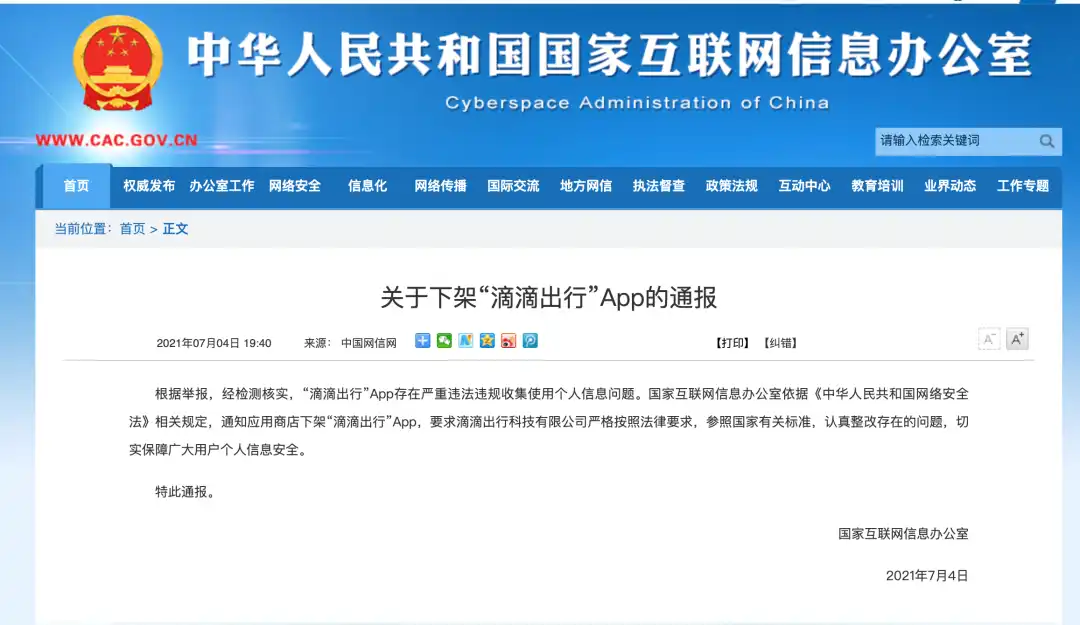
Dokumen pemberitahuan resmi penurunan DiDi
Sejauh ini, cerita keuangan DiDi di Tiongkok, tampaknya telah sampai pada akhir.
Ia terperangkap di dalam kota benteng "sempurnaan". Jalannya terlalu mulus, tidak perlu ia perbaiki; jembatannya terlalu stabil, tidak perlu ia bangun.
Ini tampaknya adalah kebuntuan yang tidak terpecahkan. Tetapi di seberang Samudra Pasifik, sebuah naskah komersial yang sepenuhnya berlawanan sedang berlangsung. Keterbelakangan di sana, tidak hanya bukan menjadi hambatan, malah menjadi红利 (hongli - bonus/keuntungan) terbesar di tangan DiDi.
Membangun Kembali Kepercayaan di Benua Tunai
Ketika pasukan perintis DiDi pertama kali menginjakkan kaki di benua Amerika Latin, yang mereka lihat bukanlah lautan biru yang siap dikembangkan, tetapi sebuah patahan sosial yang besar.
Menurut statistik Bank Dunia, di Amerika Latin, sekitar setengah dari orang dewasa tidak memiliki rekening bank. Di Meksiko dengan populasi 130 juta, ini berarti lebih dari 66 juta orang biasa terkunci di luar tembok tinggi sistem keuangan modern.
Ini adalah "vakum keuangan" yang mencekik. Dalam vakum ini, tunai adalah satu-satunya kepercayaan.
Di Meksiko, hampir sembilan dari sepuluh transaksi eceran masih dilakukan dengan tunai. Bagi perusahaan internet Tiongkok yang terbiasa dengan masyarakat tanpa tunai, "pemujaan tunai" ini adalah mimpi buruk. Di Tiongkok, dana mengalir di awan, bersih, efisien; tetapi di Amerika Latin, karena sebagian besar penumpang tidak memiliki kartu bank, mereka hanya bisa mengeluarkan uang kertas yang kusut, bahkan berkeringat untuk membayar ongkos.
Ini langsung menyebabkan runtuhnya efisiensi. Pengemudi menerima banyak uang receh, tetapi platform DiDi tidak dapat mengambil komisi darinya, banyak pengemudi diblokir karena tunggakan, sistem hampir lumpuh.
Tetapi yang lebih menakutkan daripada efisiensi, adalah keamanan yang lepas kendali.
Di jalanan Amerika Latin yang kompleks keamanannya, pengemudi yang membawa banyak uang tunai menjadi "mesin ATM" bergerak. Perampokan mengikuti seperti bayangan, setiap kali berhenti untuk menerima pembayaran, bisa jadi adalah taruhan hidup dan mati.
Di sini, kita harus memperkenalkan referensi terpenting: Uber.
Sebagai pelopor taksi online, Uber masuk ke Amerika Latin lebih awal daripada DiDi. Tetapi menghadapi masalah tunai yang sama, pilihan Uber mencerminkan perbedaan gen strategis mendasar antara raksasa internet Barat dan Timur.
Uber mewakili "kebersihan ala Silicon Valley" yang khas, pembagian kerja profesional. Di pasar AS yang matang, keuangan adalah urusan Wall Street, Uber hanya melakukan koneksi. Pola pikir ini menyebabkan mereka, ketika menghadapi keterbelakangan Amerika Latin, masih dengan sombong bersikeras hanya melakukan hal yang mereka kuasai.
Biayanya sangat menyakitkan. Pada tahun 2016, Uber di Brasil mengalami pelajaran yang benar-benar "berdarah", setelah dipaksa menerima pembayaran tunai, jumlah perampokan terhadap pengemudi melonjak 10 kali lipat dalam sebulan, menurut Reuters, setidaknya 6 pengemudi tewas karenanya.
Menghadapi risiko kematian yang meningkat drastis ini, pilihan Silicon Valley biasanya mundur, menunggu lingkungan perlahan matang.
Sedangkan DiDi mewakili pola pikir super APP Asia dan Tiongkok: pengisian posisi serba bisa.
Perusahaan yang tumbuh dalam pertempuran jalanan komersial yang kejam di Tiongkok深知一个道理 (shen zhi yi ge dao li - sangat memahami sebuah kebenaran): jika masyarakat kekurangan jalan, Anda harus membangun jalan; jika masyarakat kekurangan kredit, Anda harus menciptakan kredit.
Karena itu, DiDi memilih jalan yang lebih berat, lebih tanah, tetapi lebih efektif, ia memutuskan untuk mengubah lingkungan.
DiDi mengalihkan pandangannya ke papan merah kuning yang随处可见 (sui chu ke jian - terlihat di mana-mana) di jalanan Meksiko - gerai convenience store OXXO.
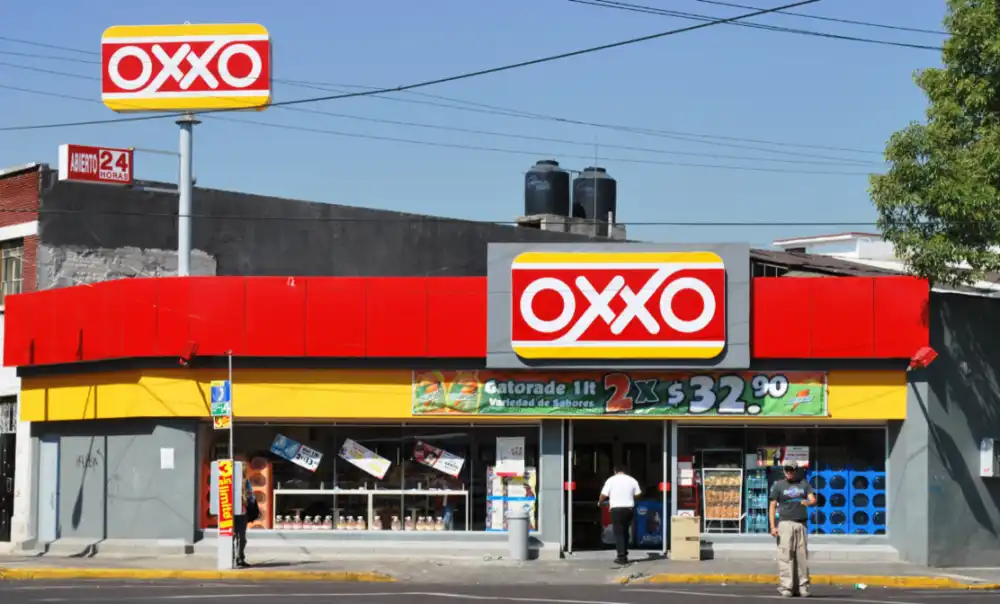
Toko Serba Ada Nasional Meksiko
Raksasa ritel dengan 24.000 gerai ini, menangani hampir setengah dari transaksi tunai Meksiko, adalah "meja kasir nasional" pada kenyataannya. DiDi dengan tajam menangkap titik koneksi ini, membuat keputusan yang sangat pragmatis ala Tiongkok: mengubah toko serba ada menjadi ATM manualnya sendiri.
Eksperimen keuangan yang sunyi dimulai.
Ketika seorang pengemudi menyelesaikan perjalanan hariannya, kantongnya penuh dengan uang tunai. Ia tidak perlu lagi dengan cemas membawa uang pulang, tetapi memarkir mobil di depan OXXO, menunjukkan kode batang di App DiDi kepada karyawan, menyerahkan uang tunai. Dengan suara "滴" (di - bip) dari pemindai, uang kertas dunia fisik, seketika menjadi saldo digital di akun DiDi Pay.
Suara bip ini, sangat berarti.
Ini bukan hanya isi ulang, tetapi memindahkan tunai offline ke online. Dengan melekat pada jaringan toko serba ada yang ada di mana-mana, DiDi membangun sistem perputaran uang yang independen dari bank tradisional dengan biaya rendah.
Begitu dana masuk ke DiDi Pay, DiDi tidak lagi hanya sebuah platform transportasi, ia telah menjadi "bank bayangan" pengemudi.
Kemudian, DiDi dengan cepat membangun skenario aplikasi di atas akun ini. Di Brasil, 99Pay yang dimiliki DiDi mengintegrasikan secara mendalam sistem pembayaran instan lokal PIX, membuat puluhan juta orang akar rumput pertama kali menikmati martabat keuangan yang sampai dalam hitungan detik.
Praktik ini membangun parit pertahanan berdarah: keamanan.
Di Tiongkok, pembayaran mobile untuk "cepat"; tetapi di Amerika Latin yang kompleks keamanannya, pembayaran mobile untuk "hidup".
Setiap upaya penghilangan tunai, berarti mengurangi satu kali risiko pengemudi dirampok dengan senjata. Ketika seorang pengemudi menemukan bahwa menggunakan DiDi Pay dapat membuatnya bebas dari ketakutan, loyalitasnya pada platform ini akan melampaui semua subsidi komersial.
Sejauh ini, DiDi di Amerika Latin akhirnya membangun jalan raya pertama miliknya sendiri. Ia memecahkan bukan kebutuhan tambahan, tetapi kerinduan paling menyakitkan di benua ini - membuat uang mengalir, membuat transaksi aman.
Ketika Jejak Kaki Menjadi Kredit
Setelah jalan dibangun, DiDi tiba-tiba menyadari, bahwa yang diinjaknya, adalah tambang emas yang belum pernah ditambang. Nama tambang emas ini, adalah data.
Tapi data di sini, bukan mengacu pada arus keuangan tradisional. Di Meksiko atau Brasil, sebagian besar pengemudi dan penumpang adalah kertas putih dalam catatan lembaga keuangan tradisional. Bank tidak melihat mereka, tidak tahu apakah mereka memiliki kemampuan membayar kembali,自然不敢 (zi ran bu gan - secara alami tidak berani) meminjamkan uang kepada mereka.
Bank tidak melihat, tetapi DiDi melihat.
Melalui App, DiDi memiliki "sudut pandang Tuhan" yang hampir mahatahu. Ia清楚地知道 (qing chu di zhi dao -清楚地知道) seorang pengemudi setiap hari jam berapa berangkat, berapa kilometer ditempuh, apakah rajin; ia juga tahu seorang penumpang tinggal di mana, bekerja di mana, seberapa sering konsumsinya.
Jejak kaki transportasi yang tampaknya sepele ini, dikodekan ulang oleh model manajemen risiko DiDi, diubah menjadi kategori kredit baru - "kredit perilaku".
Ini adalah penilaian yang lebih berperasaan daripada arus bank. Seorang pengemudi yang setiap pagi tepat pukul enam berangkat, tak kenal hujan dan angin, meskipun karena berbagai alasan tidak memiliki deposit bank, dalam logaritma DiDi, ia masih adalah klien优质 (you zhi - berkualitas tinggi) dengan kredit极高 (ji gao - sangat tinggi). Kerajinan, di sini untuk pertama kalinya dinilai sebagai kredit.
Berdasarkan penciptaan kredit endogen ini, DiDi secara wajar meluncurkan produk pinjaman "DiDi Préstamos". Bagi jutaan pengguna Amerika Latin, ini mungkin adalah pertama kalinya mereka mendapatkan kredit keuangan正规 (zheng gui - resmi) dalam hidup mereka. Data menunjukkan, di antara pengguna kredit DiDi, sekitar 70% orang, sebelum ini belum pernah meminjam satu sen pun.
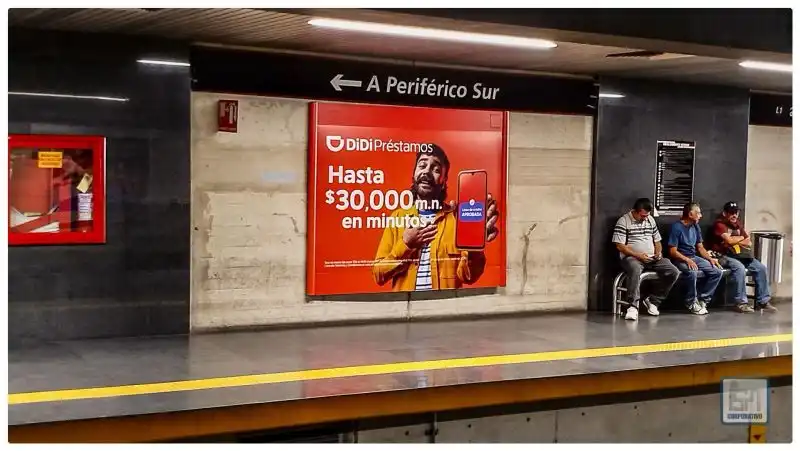
Iklan lokal DiDi Préstamos
Ini bukan hanya terobosan komersial, tetapi juga eksperimen sosiologis yang bermakna.
Di Amerika Latin, populasi "ekonomi abu-abu" yang besar karena kurangnya catatan kredit长期处于 (chang qi chu yu -长期处于)状态隐形 (zhuang tai yin xing - status tak terlihat). DiDi tanpa sengaja menyelesaikan "konfirmasi digital" yang tidak bisa dilakukan pemerintah selama puluhan tahun. Seorang pedagang Taco di jalanan, atau seorang pengemudi mobil bekas, karena terhubung ke ekosistem DiDi, untuk pertama kalinya memiliki identitas ekonomi yang dapat dicatat, untuk pertama kalinya dari bawah tanah走到阳光下 (zou dao yang guang xia - berjalan ke bawah sinar matahari).
Kemampuan "menormalkan ekonomi tidak正规" inilah yang menjadi tanah paling dalam tempat DiDi berakar di Amerika Latin.
Parit pertahanan yang dibawa oleh evolusi ini惊人 (jing ren - menakjubkan), bahkan memicu perang tentang "gen" di Amerika Latin.
Medan perang keuangan digital Amerika Latin早已群雄逐鹿 (zao yi qun xiong zhu lu -早已群雄逐鹿),既有 (ji you -既有) raksasa bank digital seperti Nubank,也有 (ye you -也有) raja e-commerce seperti Mercado Libre (美客多). Tetapi DiDi memiliki keunggulan dimensional yang tidak dimiliki mereka: skenario kehidupan yang sangat frekuensi tinggi.
Gen Nubank adalah bank, ia frekuensi rendah; gen美客多是 e-commerce, ia frekuensi menengah. Sedangkan gen DiDi adalah transportasi, ia frekuensi tinggi.
Anda mungkin berbelanja online sebulan sekali, pergi ke bank beberapa kali setahun, tetapi Anda harus pergi setiap hari. Dalam pembentukan kebiasaan pembayaran, "transportasi" adalah medan perang dimensi tertinggi. DiDi menggunakan skenario transportasi dan pengiriman makanan frekuensi tinggi (DiDi Food), berhasil menembus hambatan layanan keuangan frekuensi rendah.
Setelah memiliki lalu lintas, harus ada "lalu lintas yang tinggal".
Untuk benar-benar menghentikan dana yang berputar cepat di platform ini, DiDi mengeluarkan senjata pamungkas terakhir: memanfaatkan lingkungan suku bunga tinggi Amerika Latin, melancarkan perang suku bunga.
Ia meluncurkan produk tabungan "DiDi Cuenta" dengan imbal hasil tahunan高达 (gao da -高达) 15%. Ini adalah angka yang di Tiongkok terdengar hampir gila, bahkan dicurigai sebagai skema Ponzi. Tetapi di Meksiko di mana suku bunga acuan常年维持 (chang nian wei chi -常年维持)在两位数 (zai liang wei shu - dalam dua digit), ini hanyalah pertempuran rutin yang dilancarkan oleh berbagai bank digital untuk merebut deposit.
DiDi hanya menyesuaikan diri dengan kebiasaan setempat, tetapi karena itu menyelesaikan langkah转折 (zhuan zhe -转折) paling kritis, ia akhirnya摆脱 (bai tuo -摆脱) peran canggung "dewa jalan", benar-benar变成了 (bian cheng le -变成了) penampung kekayaan yang dapat mengendapkan dana.
Sinergi Industri
Begitu sistem kredit dan kumpulan dana terbentuk, ambisi DiDi tidak lagi terbatas pada keuangan itu sendiri.
Ia mulai memainkan peran yang lebih strategis: "Kuda Troya" industri Tiongkok yang berlayar. Ia akan menggunakan kunci keuangan ini, membuka pintu konsumsi aset berat Amerika Latin.
Gelombang pertama adalah pelayaran barang konsumsi.
Tahun 2025, AliExpress di bawah Alibaba bekerja sama dengan DiDi di Meksiko, meluncurkan layanan "beli sekarang bayar nanti". Efeknya langsung terlihat, selama minggu promosi, pesanan AliExpress melonjak 300%, penjualan sebagian pedagang Tiongkok bahkan melonjak 18 kali lipat.
Bagi anak muda Meksiko yang tidak memiliki kartu kredit, pembayaran kredit yang disediakan DiDi, menjadi jembatan yang menghubungkan mereka dengan "buatan Tiongkok".
Tapi ini hanya pembuka. Tata letak yang lebih mendalam, terjadi di peta pelayaran manufaktur high-end Tiongkok, khususnya kendaraan listrik baru.
Amerika Latin hari ini, telah menjadi medan pertempuran baru bagi BYD, Chery, Great Wall dan pembuat mobil Tiongkok lainnya untuk memperebutkan. Namun, halangan terbesar yang dihadapi mereka bukanlah kekuatan produk,而是 (er shi -而是) kelangkaan alat keuangan. Pengemudi lokal ingin membeli mobil listrik untuk menghemat uang bensin, tetapi bank tradisional Amerika Latin karena model manajemen risiko gagal, tidak hanya persetujuan sangat lambat, tetapi sering langsung menolak pinjaman.
Pada saat ini, DiDi menjadi konektor kunci.
DiDi左手握着 (zuo shou wo zhe - memegang di tangan kiri) jutaan pengemudi yang membutuhkan ganti mobil,右手握着 (you shou wo zhe - memegang di tangan kanan) data manajemen risiko yang akurat dan dana kredit,中间连接着 (zhong jian lian jie zhe -中间连接着) pembuat mobil Tiongkok yang急需打开市场 (ji xu da kai shi chang -急需打开市场). Ia tidak hanya mengeluarkan kartu kredit untuk pengemudi, tetapi juga langsung turun berperan sebagai penyedia layanan keuangan mobil.
Melalui skema keuangan DiDi, pengemudi dapat membeli mobil listrik buatan Tiongkok secara cicilan, menggunakan arus pendapatan mengemudi untuk membayar cicilan.
Ini adalah sinergi industri yang sangat dalam. DiDi di Amerika Latin sedang menjadi infrastruktur pendaratan manufaktur high-end Tiongkok. Ia tidak hanya membangun jalan keuangan, tetapi juga membangun jalan transisi energi.
Sejauh ini, sebuah siklus tertutup yang lengkap akhirnya muncul.
DiDi di Amerika Latin, mengubah dirinya menjadi antarmuka super yang menghubungkan online dan offline, menghubungkan manufaktur Tiongkok dan konsumsi Amerika Latin.
Mimpi "super APP" yang tidak terwujud di Tiongkok karena lingkungan yang matang, ternyata di padang gurun di ujung lain bumi, dengan cara yang paling primitif, tetapi juga paling keras, secara ajaib menjadi kenyataan.
Naluri Pembangun
1.162 miliar pesanan per kuartal, pertumbuhan pendapatan 35%, serta volume transaksi mendekati 30 miliar yuan, DiDi menggunakan laporan keuangan yang berat ini, mendirikan penanda jalan baru untuk pelayaran internet Tiongkok.
Laporan kinerja ini tidak hanya berarti kesuksesan komersial, tetapi juga merupakan koreksi terhadap logika "pelayaran model Tiongkok".
Dulu kita sering berpikir, dengan perbedaan generasi teknologi dan efisiensi, model internet matang Tiongkok dapat langsung dipindahkan ke pasar berkembang. Tetapi praktik DiDi di Amerika Latin membuktikan, penyalinan sederhana adalah jalan buntu. Anda tidak bisa hanya membawa mesin canggih, Anda juga harus mengulang pekerjaan kotor saat membangun mesin dulu.
Hal paling kunci yang dilakukan DiDi dengan benar di Amerika Latin, adalah benar-benar melepaskan kesombongan perusahaan teknologi. Ia berjongkok, kembali ke sepuluh tahun yang lalu, mempromosikan pemindaian kode QR, promosi tunai yang pernah dilakukan Alipay dan WeChat Pay, mengulanginya di negeri asing.
Dulu kita sering mengira keunggulan model Tiongkok terletak pada algoritma, pada efisiensi. Tetapi cerita DiDi menunjukkan, kemampuan最可怕 (zui ke pa - paling menakutkan) perusahaan Tiongkok, adalah naluri membangun "menciptakan dari ketiadaan" dalam lingkungan kekurangan.
Di Tiongkok, naluri ini terikat karena infrastruktur yang terlalu sempurna. DiDi terperangkap di celah WeChat dan Alipay, hanya bisa menjadi pengatur yang efisien. Tetapi di Amerika Latin, ketika ia dilemparkan ke padang gurun, gen yang tertekan ini完成了惊人的 (wan cheng le jing ren de -完成了惊人的) ledakan. Ia tidak menganggap dirinya sebagai perusahaan teknologi yang tinggi, tetapi hidup menjadi "mandor infrastruktur" yang paling polos.
Ini juga mengisyaratkan takdir dan peluang tertentu dari pelayaran perusahaan Tiongkok, mencoba langsung mentransplantasikan "model sempurna" domestik tidak akan berhasil, kita hanya bisa mendapatkan尊重 (zun zhong -尊重) dengan mengeluarkan "kemampuan memecahkan penderitaan". Di pasar berkembang yang berisik, kacau tetapi penuh kerinduan seperti Tiongkok sepuluh tahun yang lalu, tersembunyi彩蛋 (cai dan -彩蛋) terbesar dari babak kedua internet Tiongkok.




















