Autor: Jae, PANews
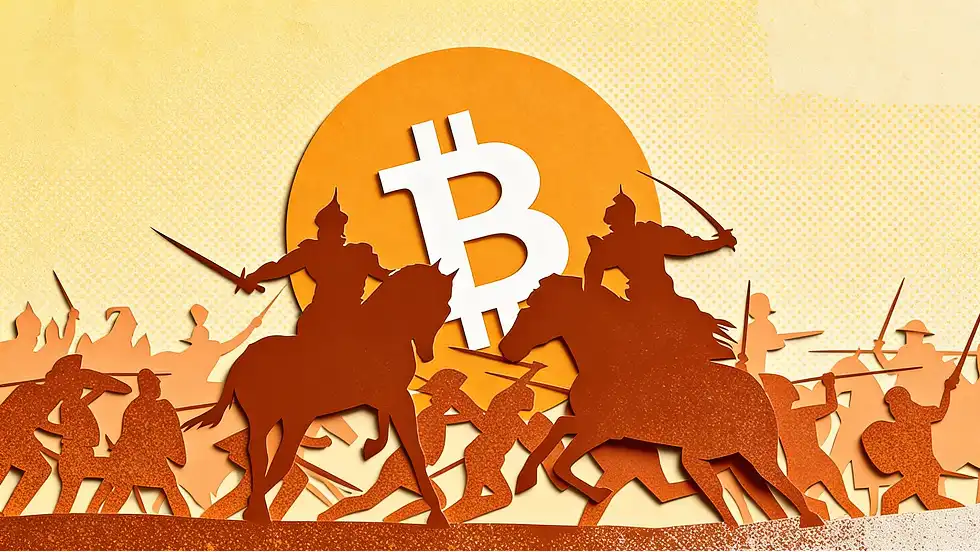
La red de Bitcoin está experimentando un debate ideológico comparable a la "guerra del tamaño de bloque" de 2017.
El detonante es una propuesta técnica llamada BIP-110. Intenta, mediante un soft fork, establecer un límite estricto a la cantidad de datos que se pueden incluir en un bloque de Bitcoin. Básicamente, busca restringir comportamientos de protocolos como Ordinals y Runes que "graban" imágenes, videos e incluso código en la cadena.
La aparición del BIP-110 marca la contraofensiva del bando "minimalista", liderado por el desarrollador Dathon Ohm, contra el bando "liberal".
Los partidarios dicen que es "enderezar el rumbo", los opositores lo tachan de "extremadamente conservador". Este debate ya se ha extendido desde los círculos técnicos a mineros, instituciones, grandes titulares de nodos, e incluso ha llamado la atención de líderes comunitarios como Adam Back.
Esto no es solo una disputa sobre bytes, sino una lucha por definir la propuesta de valor de Bitcoin.
BIP-110, apuntando directamente a los protocolos de inscripción
El BIP-110 no surgió por capricho; su embrión se remonta al BIP-444 propuesto por Dathon Ohm en octubre de 2025, que buscaba observar el estado de la red con baja carga mediante la limitación temporal del tamaño de los datos no monetarios.
En aquel momento solo se quería "observar temporalmente durante un año", pero tras la eliminación de la limitación de bytes para OP_RETURN en Bitcoin Core v30, los fundamentalistas no pudieron quedarse quietos, considerándolo una traición a la "función monetaria" de Bitcoin, equivalente a dar luz verde al "correo no deseado blockchain".
Así, en diciembre pasado, Dathon Ohm presentó un BIP-110 aún más estricto, con condiciones de restricción más duras que nunca.
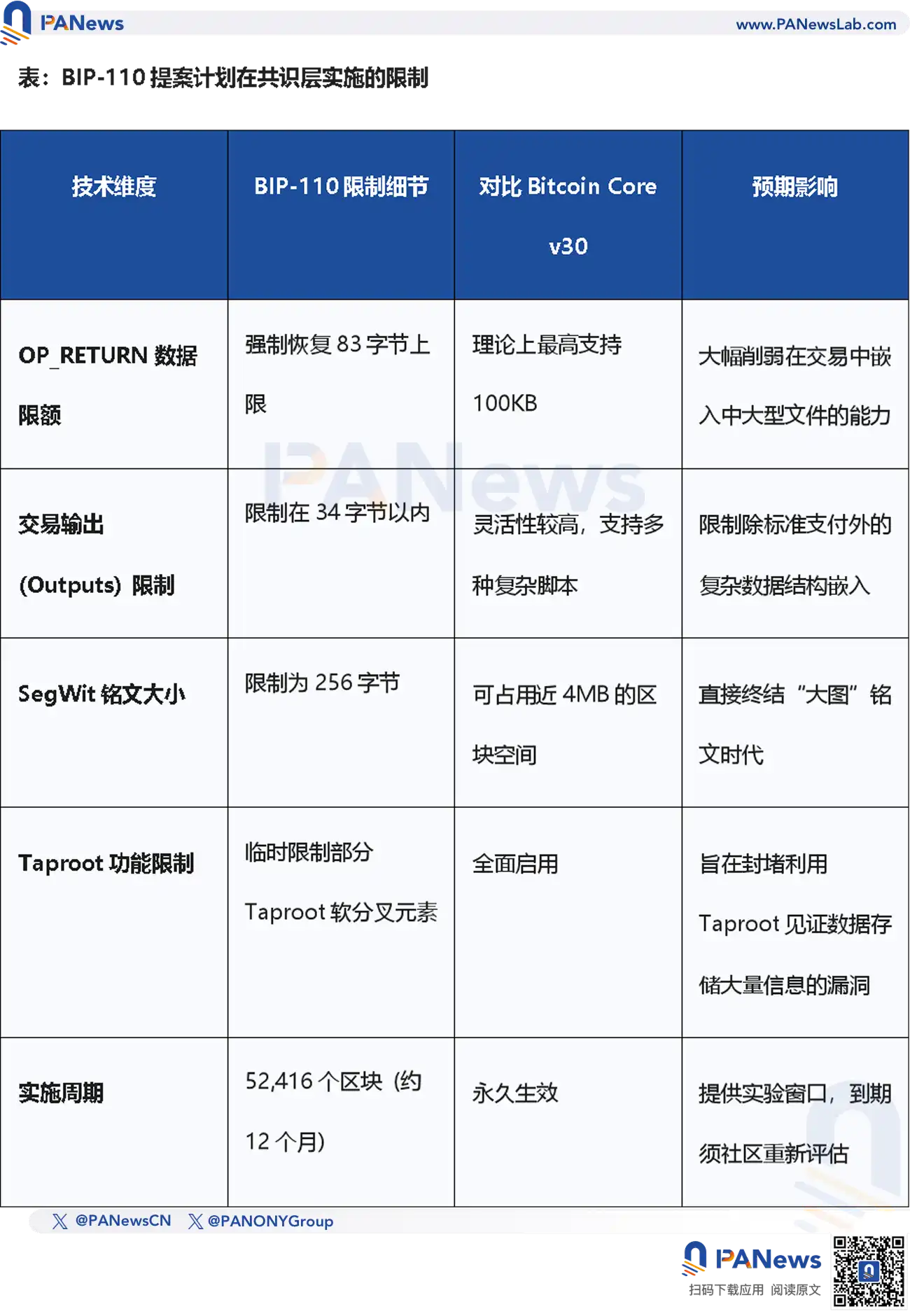
Los partidarios del BIP-110 argumentan que estas limitaciones no buscan sofocar la innovación, sino restaurar la prudencia técnica que Bitcoin mantuvo en sus inicios. Este conjunto de reglas no afecta los casos de uso normales de "pago" y "reserva de valor", y apunta directamente a aquellos registros no financieros considerados "abuso de datos".
Umbral de activación del 55% genera controversia: ¿Ataque de la turba o descentralización del poder?
Lo que realmente ha revolucionado a la comunidad es el umbral de activación establecido por el BIP-110: solo se necesita el apoyo del 55% del poder de hash (hash rate) de los mineros para que se apruebe.
En la tradición de gobernanza de Bitcoin, los cambios de consenso importantes generalmente requieren el apoyo del 95% del hash rate de los mineros para garantizar la estabilidad de la red y prevenir divisiones de la cadena (chain splits). Anteriormente, actualizaciones importantes como SegWit y Taproot siguieron esta regla no escrita.
El establecimiento de este umbral ha provocado un caos de gobernanza dentro de la comunidad.
La facción partidaria argumenta que el umbral del 95% equivale a dar a la minoría un "derecho de veto". Los datos basura no se pueden eliminar porque una minoría de interesados se resiste obstinadamente. El establecimiento del 55% es principalmente una "activación defensiva", destinada a romper el estancamiento en la actualización del protocolo.
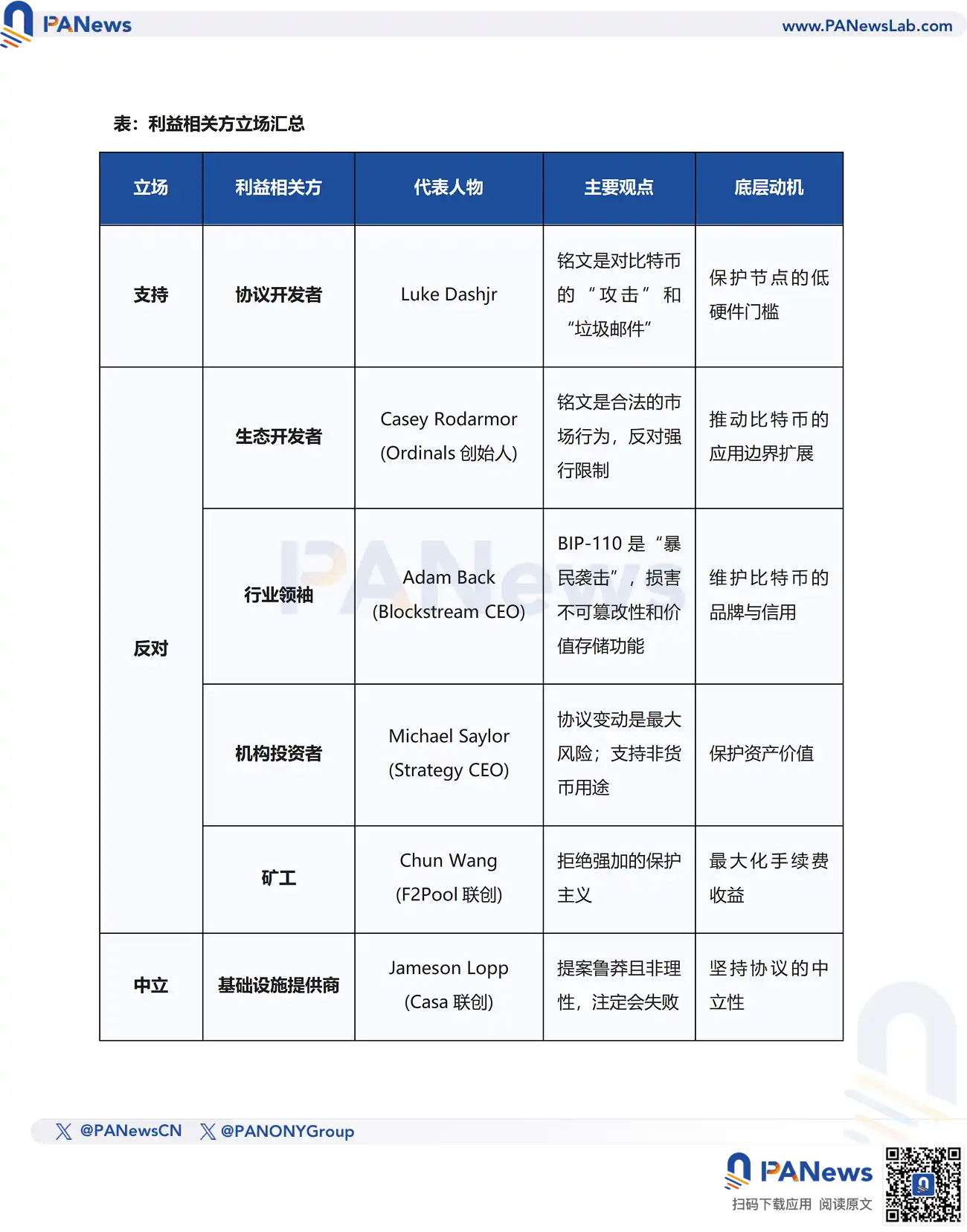
El líder opositor Adam Back acusó esto de ser "un ataque de la turba contra la reputación de Bitcoin", intentando imponer un cambio de reglas sin un consenso amplio.
El 55% significa que con un simple acuerdo de la mayoría de los mineros, el 45% restante de mineros y usuarios se vería forzado a aceptarlo. Es secuestrar toda la red con un umbral bajo, susceptible de provocar una división de la cadena, generando así dos o incluso múltiples activos Bitcoin.
Lo que da aún más miedo es que, una vez que se abre esta puerta, si hoy se pueden limitar datos, ¿mañana se podrán congelar direcciones? La "inmutabilidad" de Bitcoin quedaría en entredicho.
Enfrentamiento de bandos: el minimalismo podría cortar la fuente de ingresos de los mineros
El grupo de desarrolladores liderado por Luke Dashjr y los usuarios leales del cliente de nodo completo Bitcoin Knots son la fuerza impulsora subyacente del BIP-110. Su lógica está arraigada en la preocupación por los requisitos de hardware subyacente de Bitcoin.
El defensor de Bitcoin Matthew Kratter comparó los protocolos de inscripción con la hiedra, argumentando que aunque crecen adheridos al árbol (Bitcoin), finalmente aplastarán su estructura, causando la muerte de ambos.
Si el espacio de bloques se llena de imágenes, el volumen de la blockchain crecerá exponencialmente. Esto significa que los usuarios comunes no podrán ejecutar nodos completos con discos duros de consumo常规, lo que llevará a que el poder de verificación se concentre en grandes nodos, destruyendo la base descentralizada de Bitcoin.
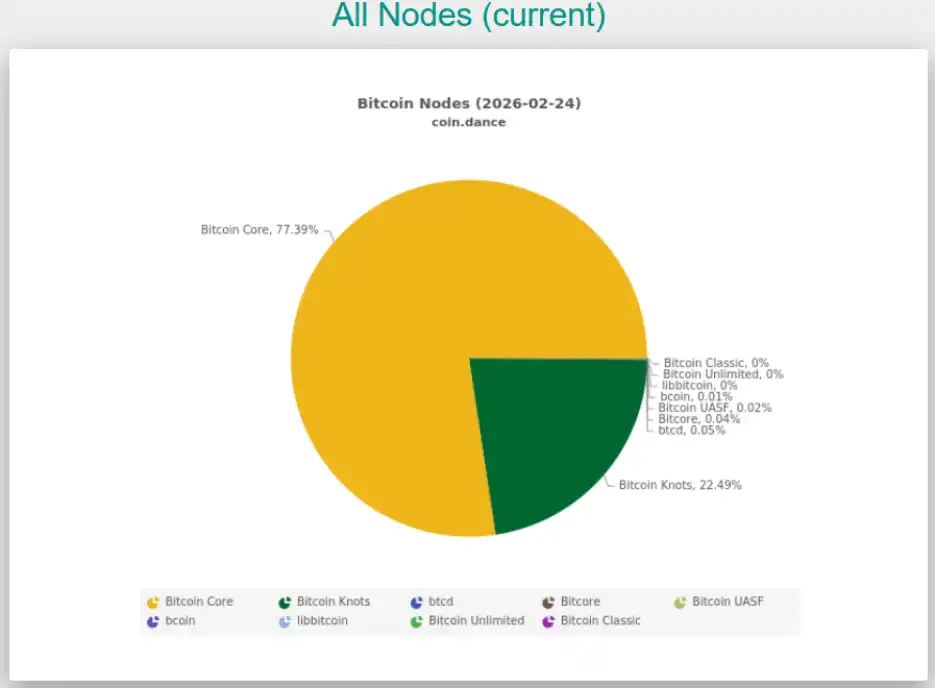
A medida que fermenta la controversia, la cuota de mercado de Bitcoin Knots se ha disparado al 22,49%, mientras que la del cliente de nodo completo Bitcoin Core ha caído significativamente al 77,39%. Esta tendencia indica que una parte considerable de los nodos está expresando su apoyo a la limitación de datos cambiando de cliente.
La oposición está compuesta por influyentes líderes de opinión como Adam Back y mineros, con un阵容 más impresionante.
El CEO de MicroStrategy, Michael Saylor, advirtió que los cambios frecuentes de protocolo son la mayor amenaza para Bitcoin.
El CEO de Blockstream, Adam Back, también señaló que el mayor valor de Bitcoin radica en su inmutabilidad. Si las reglas pueden cambiarse fácilmente según las preferencias de un grupo, entonces el crédito de Bitcoin como "oro digital" se desvanecerá.
Desde el层面económico, la controversia del BIP-110 también refleja la ansiedad de la comunidad sobre el "presupuesto de seguridad a largo plazo" de Bitcoin. A medida que avanzan los ciclos de halving, la seguridad de la red de Bitcoin dependerá cada vez más de las tarifas de transacción, no de la recompensa por bloque.
Las tarifas贡献das por las transacciones no monetarias a la red de Bitcoin muestran una volatilidad extrema. Los datos de Dune muestran que, hasta la fecha, las tarifas diarias de los protocolos de inscripción han caído por debajo de los 10.000 dólares, pero en diciembre de 2023 llegaron a贡献r casi diez millones de dólares en tarifas en un solo día. En un contexto de recompensas por bloque en continua reducción a la mitad, los mineros no quieren cerrar ninguna fuente de ingresos.
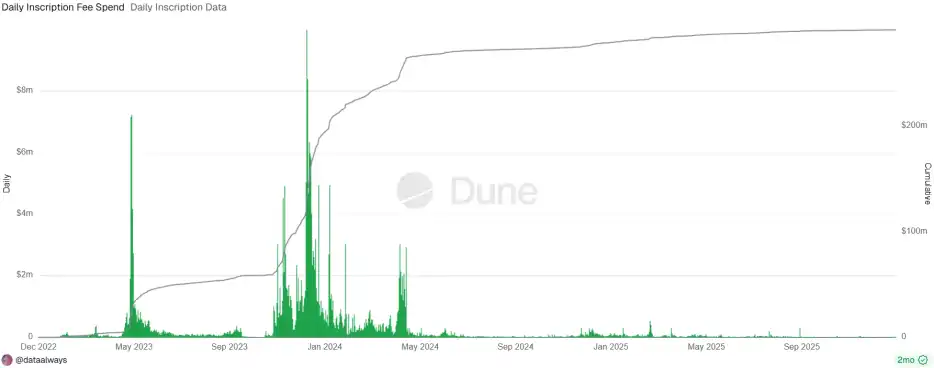
Los mineros普遍mente creen que las fluctuaciones cíclicas del mercado no deberían ser una razón para modificar el protocolo subyacente; una vez que el mercado se recupere, este tipo de transacciones no monetarias seguirán siendo una fuente importante de ingresos.
Competencia desleal en el mercado de tarifas, riesgo de pendiente resbaladiza en la gobernanza y riesgo legal
Sin embargo, la caída de las tarifas de inscripción también ha dado argumentos a los partidarios. Dado que el beneficio económico de las inscripciones ya es mínimo, la optimización de la red que traería su eliminación (como reducir el tamaño del conjunto UTXO, aliviar la presión en los nodos) parece más rentable.
La lógica económica más profunda detrás del apoyo al BIP-110 radica en que: el mecanismo de descuento actual de SegWit en realidad está subsidiando transacciones no monetarias. Bajo las reglas de tarificación vigentes, almacenar 1 MB de datos de imagen es mucho más barato que enviar una transacción monetaria del mismo tamaño.
El BIP-110 quiere poner fin a esta "competencia desleal", estableciendo un límite superior de datos en la capa de consenso, forzando a estos datos de "bajo valor" a competir por el espacio no descontado más caro, o simplemente a abandonar la red principal.
Los partidarios argumentan que solo así el mercado de tarifas puede volver a la realidad, garantizando que se prioricen las transacciones monetarias realmente dispuestas a pagar una prima por el "consenso global".
Sin embargo, si una propuesta con la etiqueta de "temporal + umbral bajo" como el BIP-110 es aprobada, romperá la confianza institucional en la red de Bitcoin. Para los inversores institucionales, lo más atractivo de Bitcoin es que sus reglas son inmutables.
Si se sienta un precedente, ¿aparecerán en el futuro congelaciones de activos para direcciones específicas? ¿O ajustes forzados para tarifas específicas?
Esta "pendiente resbaladiza de la gobernanza" es el riesgo que más preocupa a Adam Back y Michael Saylor. Para Bitcoin, incluso un protocolo con datos basura es mejor que un "protocolo de alta calidad" que pueda modificarse en cualquier momento. Porque este último es impredecible, y las instituciones buscan certeza.
Además, el BIP-110 podría convertir algunos UTXO existentes en "dinero muerto", equivalent a privar temporalmente a algunos usuarios de su derecho de propiedad. Este comportamiento, a nivel legal, podría enfrentar a los mineros a acusaciones de "intervención en la propiedad privada".
La aparición del BIP-110 es un producto inevitable de los dolores de crecimiento de Bitcoin, y su posibilidad de activación sigue siendo incierta, especialmente porque el umbral del 55% enfrenta tradicionalmente un gran desafío en la comunidad.
El mayor significado de este debate es: el BIP-110 pone sobre la mesa el problema del "abuso de datos", forzando a la comunidad a pensar "¿qué debe llevar realmente la red principal de Bitcoin?"
El mayor valor de Bitcoin no radica en que nunca cambie, sino en que cada cambio ha pasado por las pruebas más estrictas. El Bitcoin del futuro, quizás gracias a este debate, se volverá más puro, o tal vez debido a esta división, abrirá un nuevo capítulo de diversificación.
En esta batalla por defender el valor del oro digital, cada usuario que ejecuta un nodo está emitiendo, con su disco duro y ancho de banda, un voto precioso sobre el futuro.




















