Altman's Bold Statement: In Six Months, GPT's Context Will Cover Everything About You

marsbitPublished on 2026-08-17Last updated on 2026-08-17

Abstract

OpenAI CEO Sam Altman, in a recent interview, stated that the next generation of ChatGPT, expected within six months, will evolve into an active workplace collaborator. The envisioned model will be able to monitor your screen, record meetings and calls, and integrate with emails, messages, and documents—essentially gaining a complete understanding of your work and life context. The core goal is to combat information overload by proactively identifying missed details, summarizing key points from feedback, and highlighting critical information from vast data streams, rather than merely responding to queries. Altman specifically targets startup CEOs as the primary users, acknowledging their struggle with overwhelming, never-ending tasks. The AI would act as a 24/7 assistant that understands context, helps draft documents, reminds users of client concerns, and fills gaps in strategic plans—all while leaving final decision-making to humans. The announcement sparked a polarized public reaction. Supporters welcome the potential relief from administrative burdens, while critics express significant privacy concerns, fearing extensive data collection. Skeptics also question whether such deep integration into personal and professional life is necessary or safe. Altman emphasizes that user permission and control over data access are fundamental, but the central challenge remains: balancing vastly improved AI utility with the privacy trade-offs required for such deep contextual awarenes...

It is expected that within six months, ChatGPT's next-generation model will be able to monitor your screen, record every meeting and call, and fully grasp the complete context of your life.

Altman told Cory Levy, founder of Z Fellows, in a recent interview:

While it won't directly make decisions for you, it can be the best partner for CEOs to cope with information overload; because it can collaborate on work, provide new ideas, proactively identify gaps, and share the burden of tedious tasks.

Netizens immediately fell into a "three-way split."

Some thought Great! Their days of being overwhelmed by massive amounts of information were finally going to get easier!

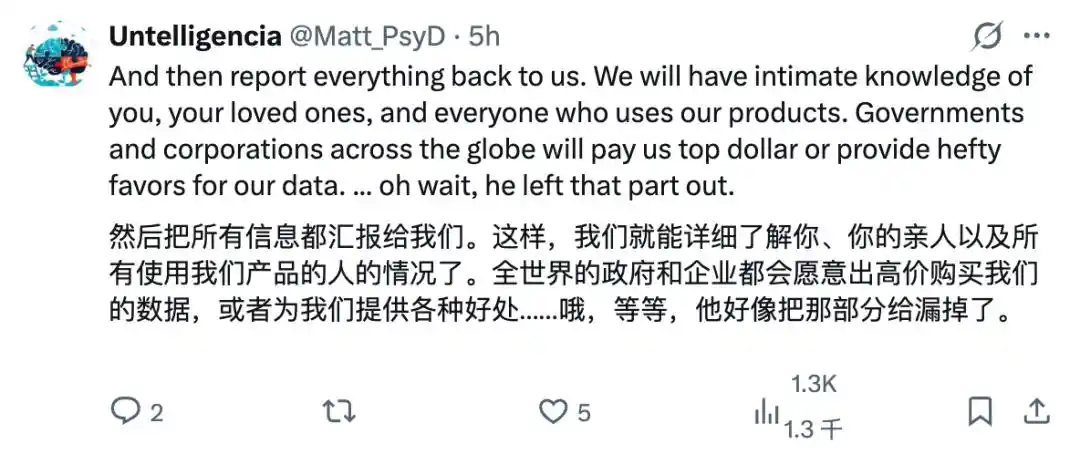
Some complained that Altman is surely once again stealing personal information under the guise of upgrading technology, just to sell it to product vendors for profit;
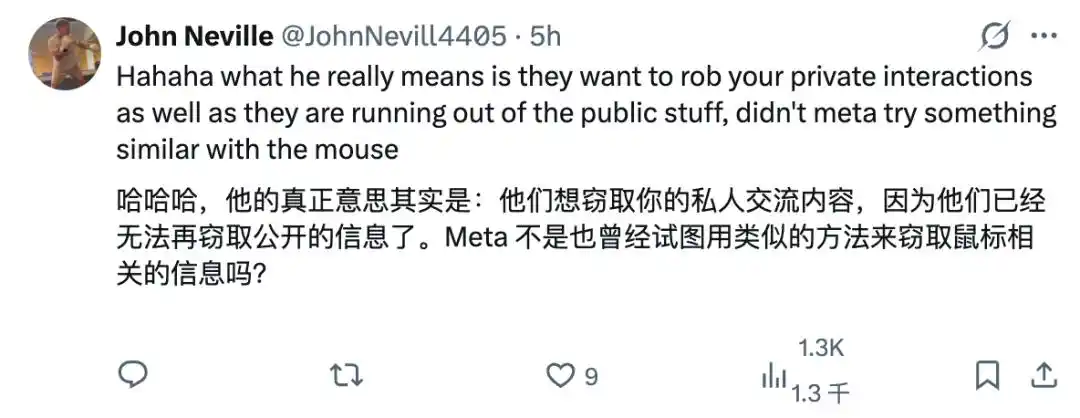
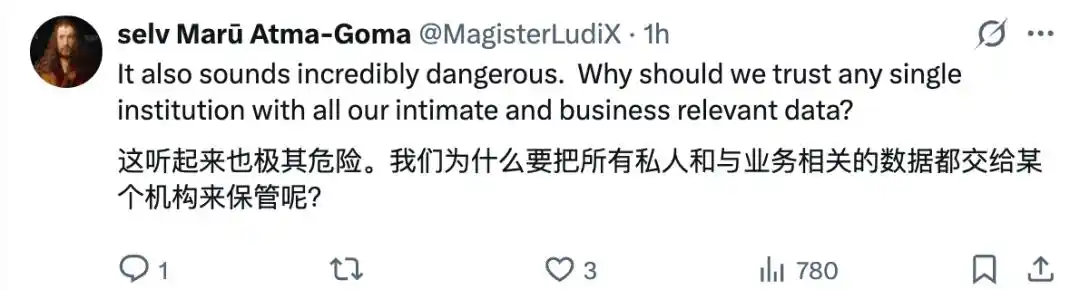
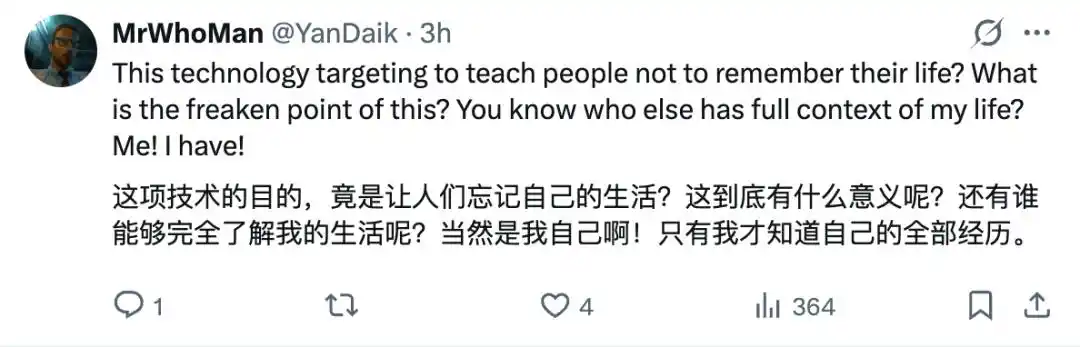
Others were worried that this sounds extremely dangerous, because AI shouldn't take over our memories, and we absolutely don't need OpenAI to be responsible for managing our work and lives. 🙅
So what exactly does Altman want to do? What problems can the next-generation GPT help us solve? Which user groups is it targeting?

Read on to find out.

The Next-Generation GPT Wants to Actively Take Over Our Unmanageable Work

It sounds somewhat like an AI version of "The Truman Show."

A ChatGPT that is omnipresent, continuously observing your computer screen, recording every meeting you attend, every call you take.

Once authorized, it can also access text messages, emails, documents, and collaborative office software, gradually mastering the complete context of your work and life.

But Altman does not want GPT to become the indifferent spectators in "The Truman Show," watching our lives like they watched Truman Burbank.

What he really wants to solve is a problem almost every office worker faces: the daily influx of various information and feedback is likely more than we can possibly process.

Dozens of emails waiting for replies, scattered work arrangements across various group chats, discussions missed during meetings, and constantly updated documents and user feedback...

Even if you're busy from morning till night, important information can still slip through.

The next-generation GPT Altman envisions is precisely aimed at actively taking over this part of the work.

When talking about his envisioned way of using it, Altman candidly said:

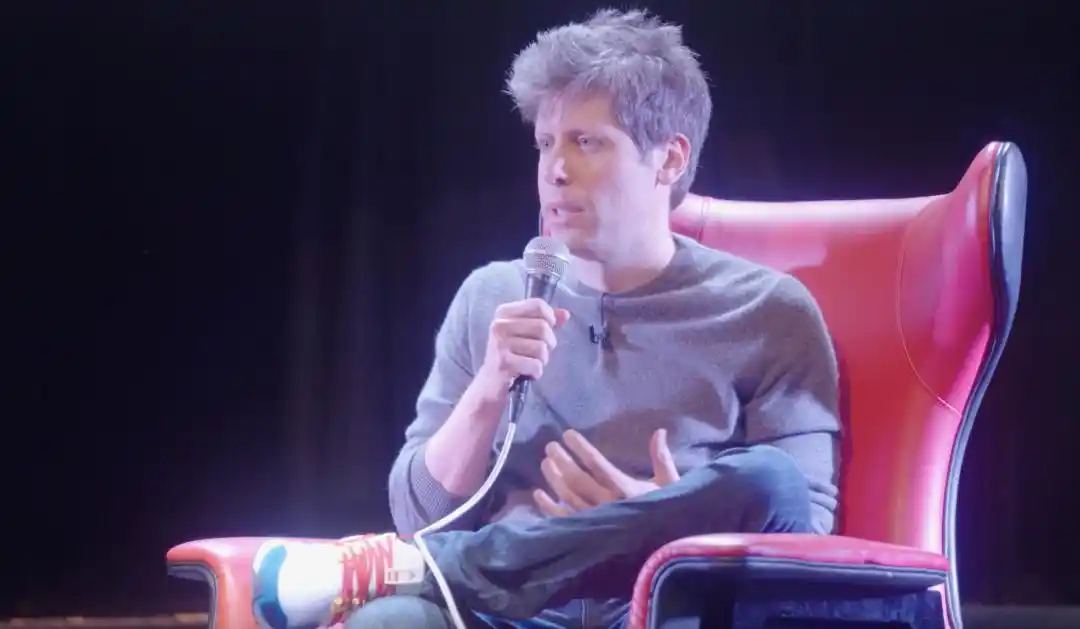
I want to talk about a more interesting vision and the way I hope to use it. We are actually standing at the threshold of a new era, where AI is no longer just a tool, but begins to work side-by-side with people and co-evolve. ChatGPT's next-generation model can continuously observe your computer screen, record every meeting and every call you take, and grasp the complete context of your life. Of course, during this time, you will have full autonomy to decide what information you grant access to, and you can freely choose which work aspects to connect it to, such as sending/receiving text messages and emails, editing documents, collaborative office software, etc.
Altman believes that the next-generation GPT can't just be a digital shadow waiting for your questions; it first needs to understand what the user is doing, know what happened before, and then proactively offer help based on the complete context.

For example, when you're writing a document, it can combine content from previous meetings to remind you of an important issue you missed;

When a large amount of user feedback comes in, it can proactively sort out the common requests;

When you're overwhelmed by emails, chat records, and work documents, it can also identify the information that truly needs attention.

This means ChatGPT is trying to transform from an on-call Q&A tool into a collaborator capable of long-term observation, continuous understanding, and proactive participation in work.

And Altman is first targeting the group of people in the world whose work is most unmanageable—startup CEOs.

First Targeting the Needs of Startup CEOs

In Altman's view, startup CEOs are the ideal target users for the next-generation GPT model.

Because startup CEOs often need to handle massive volumes of diverse and complex tasks, like product progress, customer demands, team management, fundraising communication, and strategic judgment.

Almost everything requires the CEO's personal involvement, but people aren't gods, people's time and attention are ultimately limited, making it truly impossible to properly handle every single thing...

Altman deeply empathizes with this:

For CEOs working hard to build their startups, work is never "finished." The constant influx of massive information is destined to be impossible to manage comprehensively, because you basically can't read every single piece of user feedback. At this point, AI can collaborate with the CEO, proactively taking on those tasks that are numerous yet cannot be completely ignored.

It won't bypass people to make decisions directly, but before decisions are made, it can help people organize information, identify problems, and fill in details that are easily overlooked.
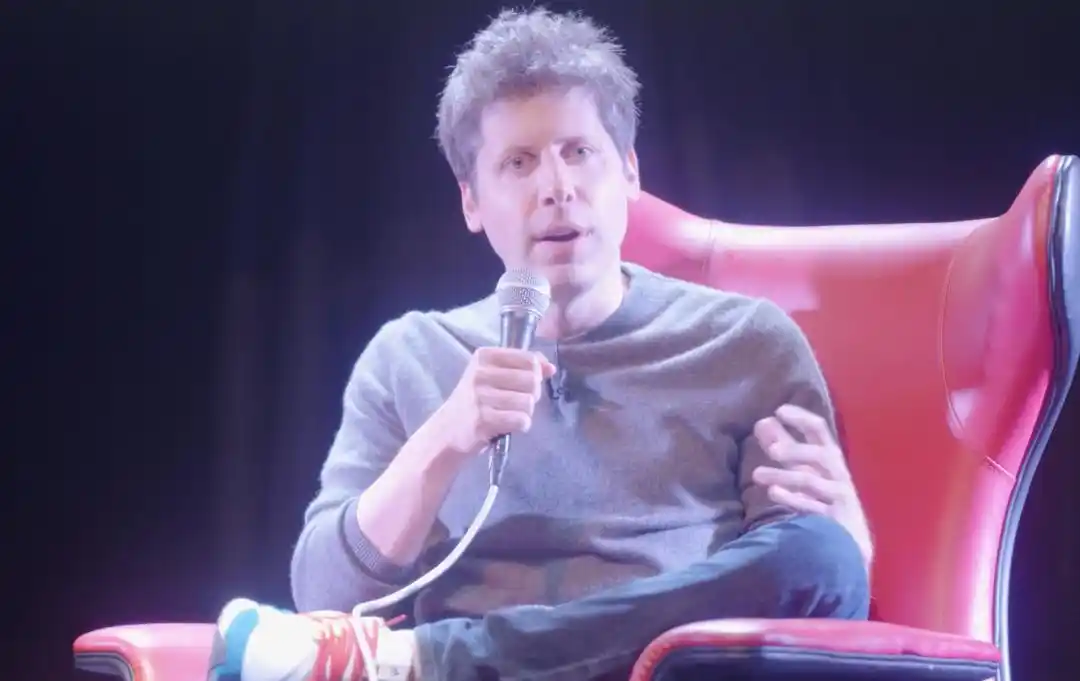
The example Altman gives is:

When you're writing a client sales pitch or a strategic document, it can remind you of user needs, provide new ideas, point out potential oversights, and proactively help you with part of the work. For instance, when a CEO is drafting a client sales pitch, GPT can combine previous communication records to remind them what the client truly cares about, and also check the pitch for any missing key needs. When a CEO is preparing a strategic document, GPT can also pull meeting discussions, user feedback, and internal materials to help supplement ideas and point out potential flaws in the argumentation.

It doesn't make the final call, but it can try to ensure decision-makers miss less information and repeat less work.

From this perspective, the next-generation GPT Altman describes is more like a full-time assistant who understands all the work context;

It can not only answer questions but also knows why you're asking them and what past events might influence the answer.

More importantly, such a product doesn't seem far off.

When the host pressed for an estimated timeline, Altman's answer was:

Roughly within the next six months.

In his view, with just one more model iteration, this experience will achieve a qualitative leap, potentially even reshaping our work patterns entirely.
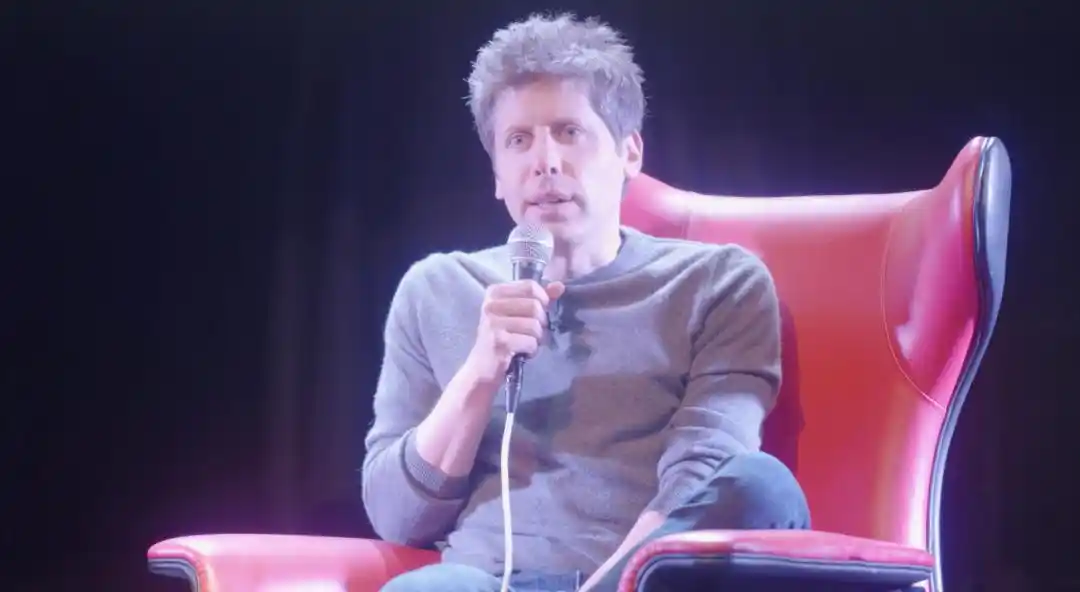
So it seems Altman has indeed targeted a very practical direction for iteration. If it can actively help office workers and CEOs handle complex documents, reduce work pressure, and improve efficiency, that would be fantastic.

But netizens' concerns are not without merit. For AI to actively take over our work, it must know what we've experienced before, what we're experiencing now, and what we will experience.

This also means the next-generation GPT, while showing immense potential, touches upon an extremely sensitive issue—privacy.

The more it understands you, the better it can help you; but the more it knows, the more privacy you have to give up.

Although it won't directly make decisions for you, if the AI can remember every word you've said, know every meeting you've attended, even see and remember what you've browsed late at night...

Would you still dare let it "see" your life?

Therefore, for AI companies, how to balance protecting privacy and enhancing AI capabilities is also a compulsory, must-be-answered question that cannot be avoided and must be approached with caution.

Reference Links:[1]https://x.com/haider1/status/2087219995466224120[2]https://x.com/cory/status/2087060650870907170?s=20

This article is from WeChat public account "QbitAI", author: Focus on Frontier Technology

Trending Cryptos

Related Questions

QWhat is the main vision for the next generation of ChatGPT according to Sam Altman?

ASam Altman envisions the next-generation ChatGPT as an AI that can monitor your screen, record meetings and calls, and fully understand the context of your life and work. It aims to actively help manage information overload by becoming a collaborative partner that can suggest ideas, fill in gaps, and handle repetitive tasks, especially for users like startup CEOs.

QWho are the primary target users for the next-generation GPT model mentioned in the article?

AThe primary target users are startup CEOs, as they often face an overwhelming amount of diverse tasks and information. The AI is designed to assist them by managing communications, documents, and feedback, helping to reduce their workload and prevent important details from being missed.

QWhat are the key concerns raised by people regarding the next-generation ChatGPT?

AThe key concerns include privacy risks, fear of personal data being harvested and sold, and the danger of allowing an AI to have such deep access to one's personal and professional life. Some worry that it could become a tool for surveillance rather than assistance.

QAccording to Sam Altman, when is this next-generation GPT expected to be available?

ASam Altman stated that this next-generation GPT model is expected to be available within the next six months, suggesting that significant advancements are just one model iteration away.

QHow does the article describe the potential role shift for ChatGPT in the future?

AThe article describes ChatGPT shifting from a reactive question-and-answer tool to an active, long-term collaborator. It would continuously observe, understand context, and proactively participate in work by reminding users of missed points, summarizing feedback, and highlighting critical information.

Related Reads

Report on the State of the Crypto Industry by 2026, Featuring Sumsub Vice President for North America, Danielle LaBarbera

The cryptocurrency industry is entering an era of regulated maturity, driven by frameworks like the CLARITY Act and the $GENIUS Act in the US. These provide clearer rules but also raise operational standards, requiring platforms to effectively demonstrate compliance. Simultaneously, fraud is evolving into sophisticated, AI-powered, lifecycle-based attacks, moving beyond simple onboarding scams. According to Daniel LaBarbera, VP of Sumsub for North America, companies must shift from one-time KYC checks to continuous, risk-based verification. This involves integrating identity, behavioral, device, and transaction data into a unified risk view. The 2026 State of Crypto Industry report highlights that while 55% of crypto firms faced fraud last year, effective strategies now combine AI-driven detection, continuous monitoring, and behavioral analytics. Key compliance challenges persist, particularly with the Travel Rule. Only 23% of companies are fully compliant, with high implementation costs, data security concerns, and regulatory fragmentation being major hurdles. Meanwhile, stablecoins are gaining traction, accounting for 36% of all crypto transactions in 2025, and evolving from trading tools into financial infrastructure for payments and settlements. The path forward lies in risk-based approaches that balance security, speed, and user experience. This includes adopting documentless verification, reusable KYC, and breaking down silos between compliance functions to create a holistic, lifecycle view of customer risk and trust.

cryptonews.ru11m ago

Report on the State of the Crypto Industry by 2026, Featuring Sumsub Vice President for North America, Danielle LaBarbera

cryptonews.ru11m ago

U.S. National Debt Approaches $40 Trillion in 5 Months, Bitcoin Debate Gains Momentum

The US national debt has surged to nearly $40 trillion in just five months, the fastest trillion-dollar increase on record. The debt's growth has accelerated dramatically over time, from taking 192 years to reach the first $1 trillion in 1981 to adding the latest $1 trillion in only five months. The federal budget deficit for the fiscal year is already over $1.8 trillion, exceeding last year's total, and net interest payments on the debt have surpassed $1 trillion, now exceeding defense or Medicare spending. This rapid debt accumulation is fueling arguments within the cryptocurrency industry that Bitcoin serves as a hedge against government-backed currencies and fiscal irresponsibility. Proponents, including some lawmakers and industry leaders, argue Bitcoin could act as a "hard currency" fiscal control mechanism. Legislation has even been proposed for the Treasury to acquire Bitcoin to help reduce the national debt. The International Monetary Fund has warned that global public debt could hit 100% of world GDP by 2029 if current trends continue, with the US and China as primary drivers. Some analyses suggest a sovereign debt crisis could drive capital into alternative assets like Bitcoin, similar to past regional banking crises. However, skeptics point out that both Bitcoin and gold have fallen in price at times during 2026 despite record debt, indicating the depreciation hedge theory may operate over a much longer timeframe than short-term price action.

cryptonews.ru21m ago

U.S. National Debt Approaches $40 Trillion in 5 Months, Bitcoin Debate Gains Momentum

cryptonews.ru21m ago

Technological Self-Reliance in China: A War from Lithography Machines to ABF Films

"China's Tech Independence: A Battle from Lithography Machines to ABF Film" In August 2026, Japan's Ajinomoto announced a 30% supply cut of ABF film to Chinese mainland clients, causing industry-wide shock and fears of price hikes and shortages in the semiconductor supply chain. That same year, Chinese company Lotus Holdings, known for its MSG business, acquired a small domestic ABF film startup for 103 million yuan, aiming to change this passive situation. ABF film is a core insulating material for advanced CPU, GPU, and AI chip packages. Ajinomoto, originally a food flavoring company, has monopolized over 95% of the global ABF film market for nearly 30 years, deriving its technology from byproducts of monosodium glutamate production. With AI chips consuming 5-10 times more ABF film than traditional chips, the supply-demand gap is widening. Ajinomoto's supply cut to China, where domestic ABF film production accounts for less than 5%, directly threatens the production of domestic high-end AI chips and their substrates. This incident highlights a crucial but often overlooked truth: the vulnerabilities in China's quest for technological self-reliance extend beyond headline areas like lithography machines to critical but seemingly minor components—insulating films, photoresists, electronic specialty gases, etc. The article frames China's tech independence as a multi-front war. While major breakthroughs have been achieved in chip design (e.g., Huawei's HiSilicon), foundry (e.g., SMIC), and memory chips (e.g., YMTC), countless smaller "Ajinomoto-style" chokepoints remain. Lotus Holdings' acquisition represents a significant shift: the battle is no longer fought only by tech giants but has become a collective, industry-wide effort involving companies from diverse backgrounds. Historically, external blockades have often spurred China's technological breakthroughs, as seen with Huawei's Kirin chips and YMTC's 3D NAND flash memory. Ajinomoto's supply cut, while a short-term challenge, may similarly catalyze domestic innovation in ABF film and other critical materials. The path to technological sovereignty is long and arduous, requiring sustained patience and investment to fill every gap in the complex supply chain. Lotus's move is not an immediate solution but a step towards that future, symbolizing a broader, relentless march toward independence.

marsbit41m ago

Technological Self-Reliance in China: A War from Lithography Machines to ABF Films

marsbit41m ago

Trading

Spot

Hot Articles

Discussions

Welcome to the HTX Community. Here, you can stay informed about the latest platform developments and gain access to professional market insights. Users' opinions on the price of S (S) are presented below.

活动图片