ADGM Proposes Regulatory Framework for Crypto Mining Activities

TheNewsCryptoPublished on 2026-01-28Last updated on 2026-01-28

Abstract

ADGM's Registration Authority has published Discussion Paper No. 1 of 2026, proposing a regulatory framework for crypto mining activities within the financial free zone. The paper outlines policy considerations, licensing requirements, and operational standards—including governance, risk management, and cybersecurity—aimed at integrating mining into ADGM’s existing Virtual Asset Regulatory Framework. This initiative is part of ADGM’s broader effort to develop comprehensive digital asset regulations covering mining, trading, custody, and issuance. The RA is seeking industry feedback to ensure the final framework balances regulatory clarity with operational feasibility, reinforcing ADGM’s position as a progressive jurisdiction for digital asset innovation.

The Abu Dhabi Global Market (ADGM) Registration Authority (RA) has made a significant step in identifying the regulatory framework for digital asset infrastructure through the publication of Discussion Paper No. 1 of 2026, which outlines a framework for crypto mining. The Discussion Paper outlines policy considerations, licensing, and operational issues that may be relevant to crypto mining in the financial free zone of ADGM.

This is part of the overall plan of the ADGM to develop a comprehensive regulatory framework for digital assets that extends beyond the scope of trading, custody, and issuance to mining and node infrastructure. The RA is seeking industry feedback on the proposed framework to ensure that the final regulatory framework incorporates industry feedback and considerations.

Objectives and Extent of the Crypto Mining Proposal

The discussion paper, released by the ADGM RA, is centered on how mining can be encapsulated in the current virtual asset regulatory framework in the ADGM. Although the details of the regulatory framework are still open to debate, the paper emphasizes the importance of having clearly defined governance, risk management, and compliance structures for mining organizations. These are likely to include licensing, operational best practices such as cybersecurity, and approaches for ensuring transparency and accountability among mining organizations.

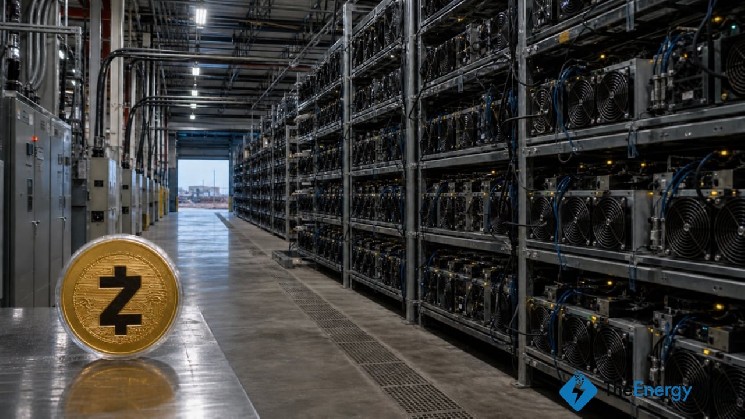
Crypto mining, which involves the processing of blockchain transactions and the securing of blockchain networks through computational challenges, has emerged as a significant component of the global digital asset ecosystem.

In addition to mining, the Virtual Asset Regulatory Framework (VARF) of ADGM also covers a wide range of digital asset-related activities such as trading, custody, issuance, and staking. Among the most recent enhancements to the framework are regulations on fiat-referenced tokens and proposed regulations on staking, cementing ADGM’s position as a progressive jurisdiction in digital asset innovation.

Stakeholder Engagement and Next Steps

The discussion paper published by ADGM is the initial step in the formulation of regulations, with the RA encouraging stakeholders to engage and provide feedback that will help shape the final version of the regulatory text. By market engagement before the publication of the regulatory text, the RA aims to strike a balance between regulation and the feasibility of mining for miners and service providers in the RA’s jurisdiction.

The publication of the discussion paper on crypto mining frameworks by the ADGM Registration Authority is a step in the right direction in the regulation of digital asset infrastructure in the Abu Dhabi Global Market. The discussion paper is a step in the right direction by ADGM in laying the groundwork for a regulatory framework that could potentially include crypto mining in its digital asset infrastructure. This is part of the efforts in the direction of regulatory enhancement, such as the enhanced virtual asset regulations, and is a reflection of the commitment of the jurisdiction to innovation while ensuring clarity in emerging blockchain technology sectors.

Highlighted Crypto News:

‌Pressure Mounts on Solana (SOL): Is a Deeper Red Zone Taking Shape?

TagsADGMCrypto MiningUAE

Related Questions

QWhat is the main purpose of the Discussion Paper No. 1 of 2026 published by ADGM's Registration Authority?

AThe main purpose is to outline a proposed regulatory framework for crypto mining activities, including policy considerations, licensing, and operational issues, as part of developing comprehensive digital asset infrastructure regulations.

QWhich specific aspects of crypto mining operations does the ADGM proposal aim to regulate?

AThe proposal aims to regulate governance structures, risk management frameworks, compliance requirements, licensing procedures, cybersecurity best practices, and approaches for ensuring transparency and accountability in mining operations.

QBeyond crypto mining, what other digital asset activities does ADGM's Virtual Asset Regulatory Framework (VARF) cover?

AThe VARF covers trading, custody, issuance, staking, and regulations on fiat-referenced tokens, in addition to the newly proposed regulations for crypto mining.

QWhat is the significance of ADGM publishing this discussion paper before final regulatory text?

AIt allows for stakeholder engagement and industry feedback to help shape the final regulatory framework, aiming to balance effective regulation with operational feasibility for miners and service providers.

QHow does this regulatory initiative position ADGM in the global digital asset landscape?

AIt cements ADGM's position as a progressive jurisdiction in digital asset innovation, demonstrating commitment to regulatory clarity while supporting emerging blockchain technology sectors.

Related Reads

Pi Network Price Forecast for August 2026: Will the August 11th Deadline Become a Catalyst for PI's Recovery?

Pi Network Price Forecast for August 2026: Will the August 11 Deadline Catalyze a Recovery? Pi Network (PI) traded at $0.0830 on July 30, up 1.13%, attempting to stabilize above its all-time low. The price is rebounding from the lower Bollinger Band around $0.07172. All key EMAs (20, 50, 100, 200-day) remain in a downtrend above the current price, with the 20-day EMA at $0.08810 acting as the first significant resistance level to confirm a recovery. August presents two key narratives. First, the Pi Core Team launched Protocol 26 with a hard deadline of August 11 for all node operators to upgrade; failure to do so results in disconnection. This is the final precursor to Protocol 27, a major technical upgrade planned for 2026. Second, a community debate challenges the widespread "GCV" (Global Consensus Value) concept, with a member stating there is no official GCV mechanism and that Mainnet apps price services independently. This could pressure price if holders selling on disillusionment. The 10-day price forecast table suggests a range of $0.072-$0.095 for early August amid Protocol 26 deadline pressure, $0.080-$0.110 in mid-August post-deadline clarity, and $0.085-$0.125 in late August, pending broader crypto market direction. The bullish case requires smooth Protocol 26 migration, clear Protocol 27 announcement, resolution of the GCV debate without major holder exits, and a close above the 20-day EMA. The bearish scenario involves node upgrade difficulties, GCV-related selling pressure, continued supply pressure from 775.8 million PI scheduled to unlock by December, and a fall back to or below the $0.07172 support zone.

cryptonews.ru19m ago

Pi Network Price Forecast for August 2026: Will the August 11th Deadline Become a Catalyst for PI's Recovery?

cryptonews.ru19m ago

Trading

Spot
活动图片