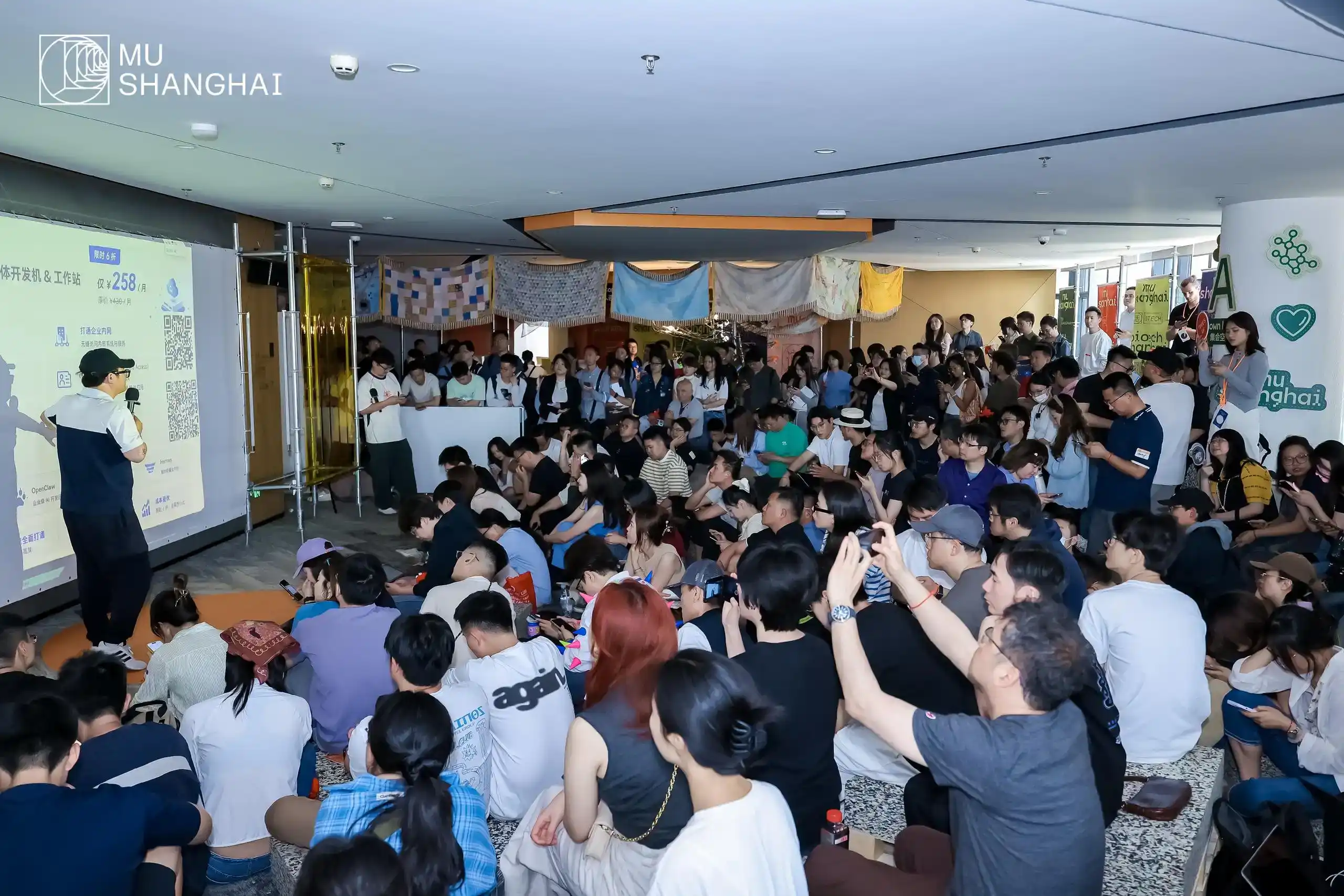
May 11, 2026, the sixth-floor hall of Alibaba Center in Shanghai Hongqiao. Traditional tables and chairs have been completely removed, replaced by lazy sofas and cushions scattered across the floor. The lights are dimmed, and over a hundred people are sitting on the floor.
This is muShanghai, the scene of a 28-day tech pop-up city event. Within two days, over 2,000 visitors flooded into this building. Just one month ago, this entire floor was empty.
Hongqiao Alibaba Center was once the Shanghai headquarters of Alibaba. After the headquarters moved to the West Bund, entire floors of office space were left vacant, bright and clean, with no one in sight.
One day in late January 2026, a young man running a community overseas was recommended this location by a friend. This young man said he wanted to host a 28-day event in China, gathering tech entrepreneurs from all over the world to Shanghai, having them live here for a month, write code, work on projects, and make friends in the same building. He said this had been done in Chiang Mai, in Buenos Aires, in San Francisco. He said over two thousand people had applied. He said he needed a building.
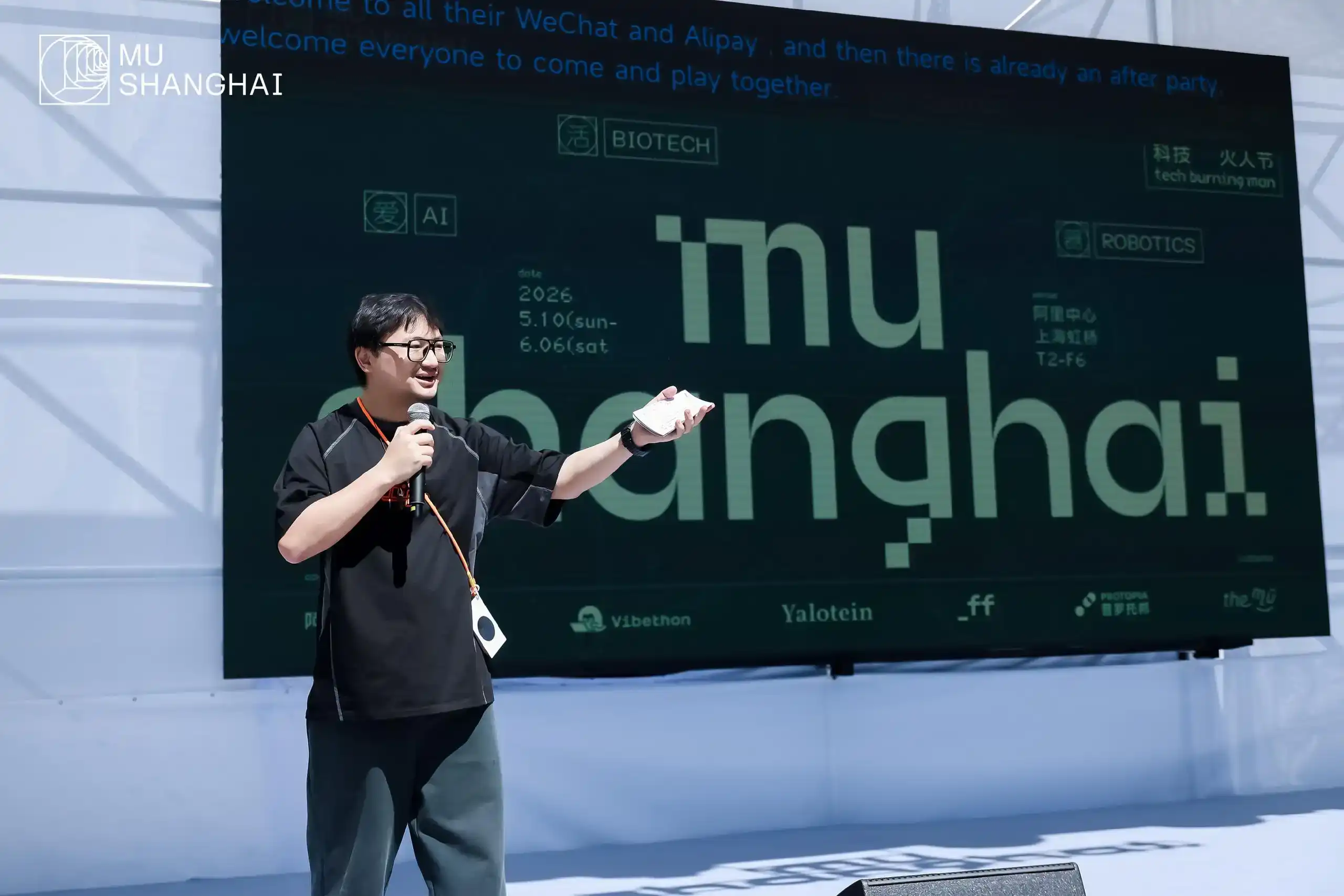
This young man is Sun, founder of The Mu community. The name The Mu is taken from the legendary lost continent of "Mu" in the Pacific Ocean, a romantic metaphor for knowledge and civilization flowing freely.
Upon hearing this idea, Hongqiao Alibaba Center's person in charge, Xinguang, helped contact local government officials. Finally, the Hongqiao Management Committee gave a reply that Sun considered almost miraculous: Yes. Not only yes, but they were also willing to help solve many difficulties.
The reason this was a miracle is that for the seven or eight months prior, Sun had been rejected countless times.
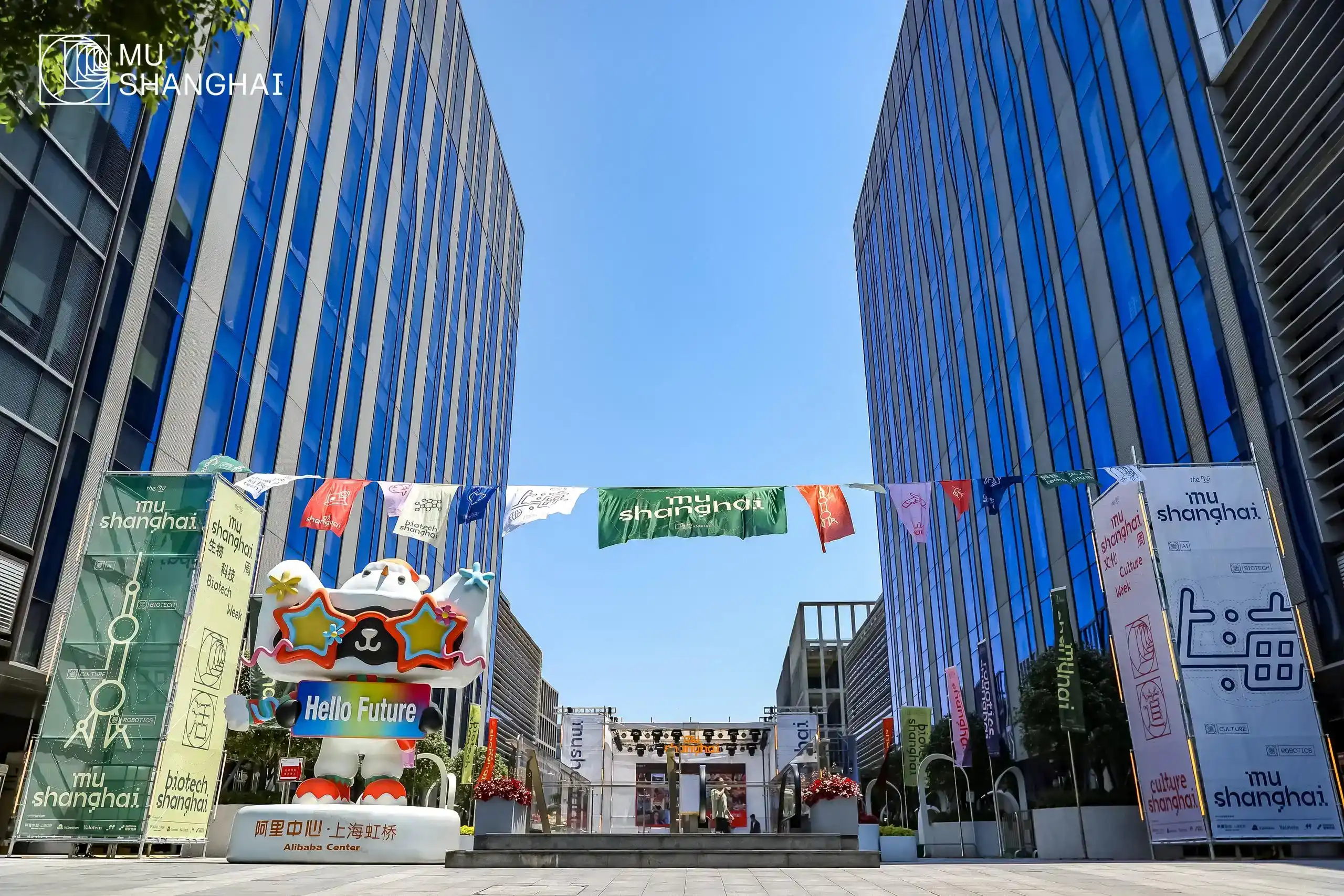
And now, with the event taking place, a story begins.
This is a story about China's opening-up. The 15th Five-Year Plan outlines "expanding high-standard opening-up" as a core proposition, proposing to build a new pattern of high-level open cooperation in science and technology and create an open innovation ecosystem with global competitiveness. Shanghai's role is even more specific: the International Science and Technology Innovation Center expands from Shanghai to the entire Yangtze River Delta, with the goal of forming the ability to gather scientific and technological resources and talent, becoming an important hub in the global innovation network.
These statements on paper are grand. But when implemented on the ground, they must pass through a community, a property manager, a neighborhood office.
A Gamble
On May 10, 2026, muShanghai officially opened. According to data released by the organizers, the event screened about eight hundred participants from over two thousand global applicants. Among them, 46% are engaged in AI or machine learning, 16% focus on hardware and robotics. Participants come from six continents, the vast majority being overseas visitors.
Eight hundred people flying to Shanghai for a month-long event is almost unprecedented in China's event industry. Sun said he later learned that for most domestic events, having a dozen or twenty foreign participants is considered normal, and over fifty is seen as very international. The number of overseas participants at muShanghai far exceeds this, and they all pay for their own flights and accommodation, plus a 1,000 RMB ticket fee.
A long-standing practice in China's innovation sector is that inviting overseas guests to events usually requires covering airfare and accommodation, sometimes even appearance fees. Sun finds this extremely distasteful. He believes this practice treats foreigners as scarce resources to be catered to, not equal collaborators.
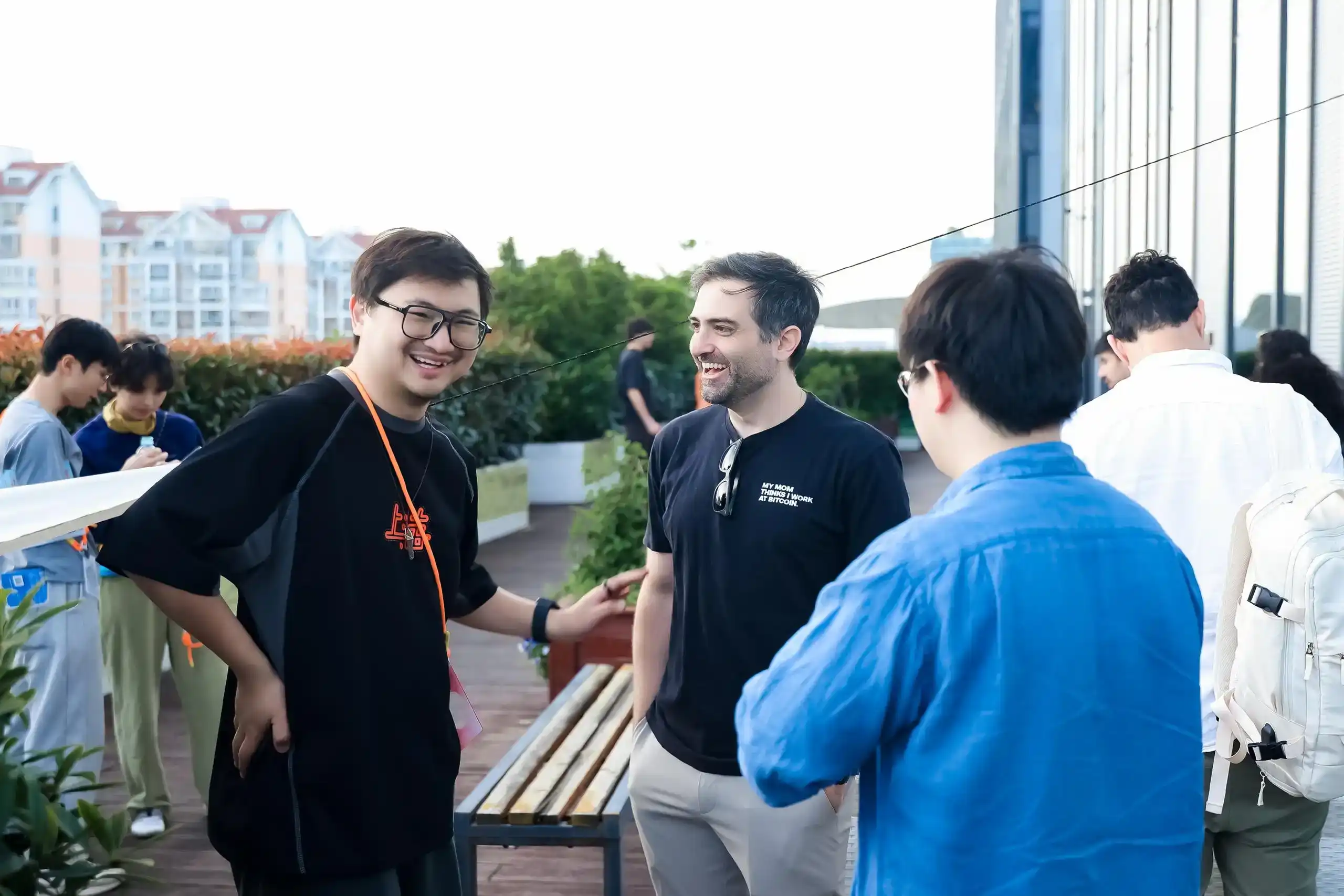
In his logic, The Mu offers a dense enough talent network and an interesting enough venue. If these things themselves are not attractive, paying to bring people in is meaningless.
Sun first invited people he knew: those running tech communities globally, working in AI, hardware, biotech, and friends at other large tech companies. These people then recommended it to their own circles, who brought others they considered reliable. The entire recruitment process was essentially a layered expansion of a trust network.
This is The Mu's first event in China. Sun needed to ensure high-quality participants and high visibility.
As the first organizer of this kind of long-term, foreign-related offline event in China, The Mu bore immense pressure and responsibility.
"I might be the only person in China daring enough to do this," Sun said calmly, then listed the reasons: domestic communities lack overseas resources and this kind of appeal; overseas communities face language and cultural barriers, making it hard to enter the Chinese market.
Only him: a Chinese person who lived overseas for seventeen or eighteen years, with a foundation of trust in overseas communities, Chinese identity and language skills, and willing to take risks others wouldn't.
A Square Peg in a Round Hole
But the biggest challenge for this gamble is whether this community operation model can survive in Chinese soil.
muShanghai charges participants 1,000 RMB for a monthly ticket, a pricing that sparked expected controversy.
Critics argued: if you have sponsors, why charge participants? In China's event ecosystem, such events are usually free or low-cost, even more so for sponsor-covered events.
However, from Sun's perspective, these voices aren't worth attention. "Our space and resources are limited. We want to give them to excellent, proactive people. So we're not competing on who's cheaper, then attracting a bunch of people expecting to be served. We want people who see this community, see the opportunity, and want to leverage these resources to do something different."
This conflict wasn't just about ticket prices. muShanghai's sponsor relationships were also full of friction. Sun told us that because it was the first time collaborating with many domestic sponsors, unfamiliarity with domestic cooperation processes led to many conflicts and misunderstandings. Although they stepped on many pitfalls, everyone ultimately hoped to continue long-term cooperation to bring more international talent to China.
Apart from the first two days of "open house" events, subsequent muShanghai activities were limited to monthly ticket holders and a small number of daily ticket holders. But the team quickly found a clear difference in attitude and mindset between daily ticket holders and monthly ticket groups. Daily ticket holders were just sightseeing, checking in, expecting to be served. They rarely established deep connections with those around them.
The Mu team ultimately canceled daily tickets, at the cost of further shrinking the participant pool. But the gain was genuine connections among existing community members.
This exposed a more fundamental problem than pricing. The Mu's model is based on the premise that participants are willing to pay for the intangible value of "deep human connections" and understand they are co-creators, not consumers.
For the domestic audience, this requires some time to adapt to and digest the pop-up city event model.
The 15th Five-Year Plan proposes to "create an open innovation ecosystem with global competitiveness." Shanghai's Pudong New District issued 34 convenience measures for foreign talent covering travel, work, entrepreneurship, and life. But policies solve institutional-level channel problems. When an overseas AI entrepreneur stands on a Shanghai street, they face capillary-level obstacles: how to use WeChat Pay, how to understand a Chinese contract, how to judge if a supplier is reliable.
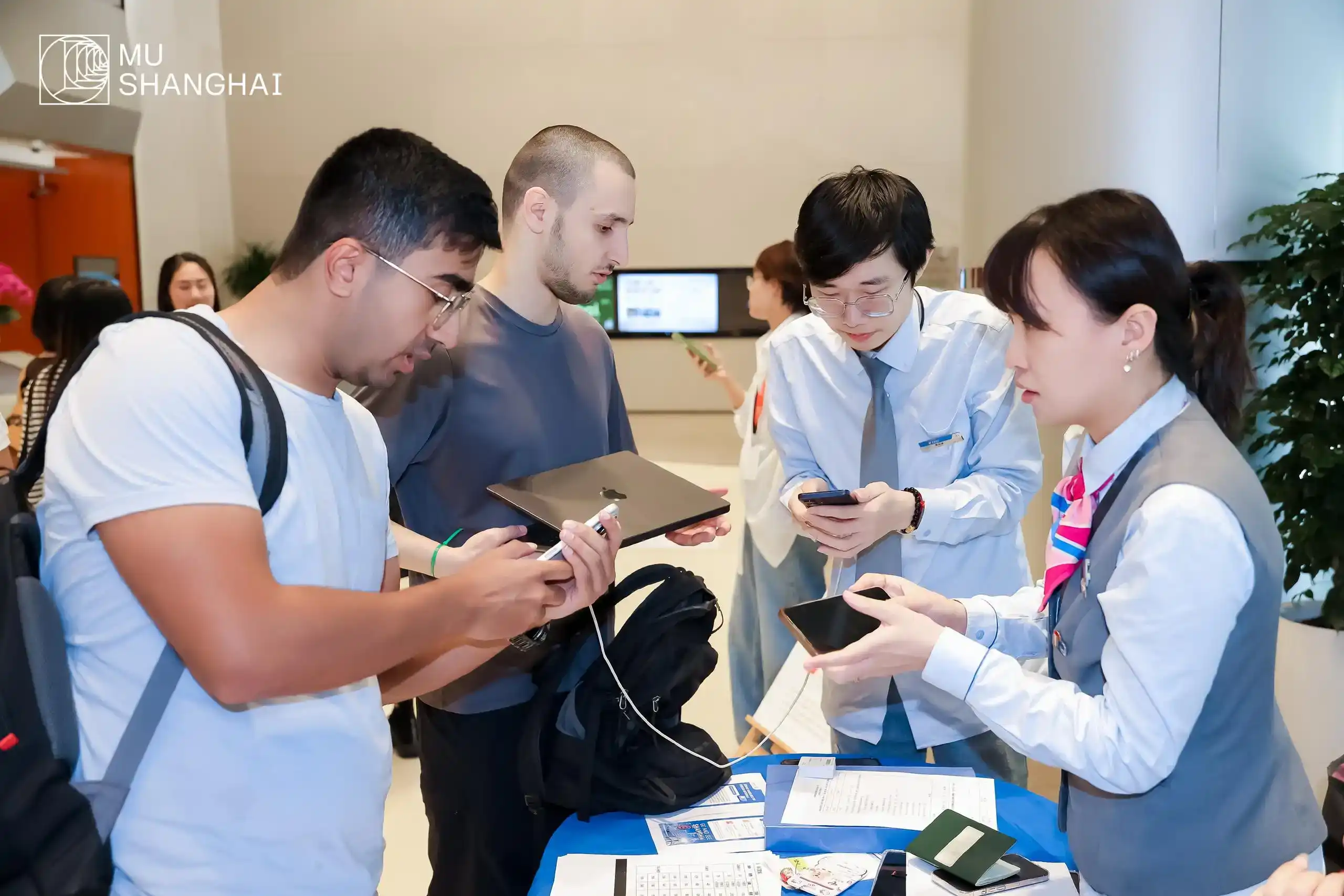
What muShanghai attempts to do is build a bridge between institutional channels and individual needs. This bridge is currently very narrow, entirely hand-built by Sun and his team. They help participants connect with model providers, arrange factory visits, organize government partners to introduce the 15th Five-Year Plan and cross-border investment policies, even coordinate talent visa application processes.
The value of these services is real. But whether they can evolve from a manual workshop model relying on Sun personally into a replicable infrastructure remains an open question.
Density
muShanghai lasts 28 days, divided into four themed weeks: AI, Biotech & Longevity, Hardware & Robotics, and Culture. Each themed week has daily sub-themes. This design isn't due to academic classification compulsion, but a very practical problem: most people don't know how to participate in a month-long event.
The choice of the four themes has a larger consideration. Sun believes that from a global perspective, Chinese innovation is widely known globally in these three fields: AI, biotech, and hardware. This also highly aligns with the 15th Five-Year Plan's industrial layout, which explicitly states strengthening strategic technological deployment in frontier fields like AI, quantum technology, and biotechnology. But Sun added a fourth week: Culture, including design, gaming, traditional culture, and future culture.
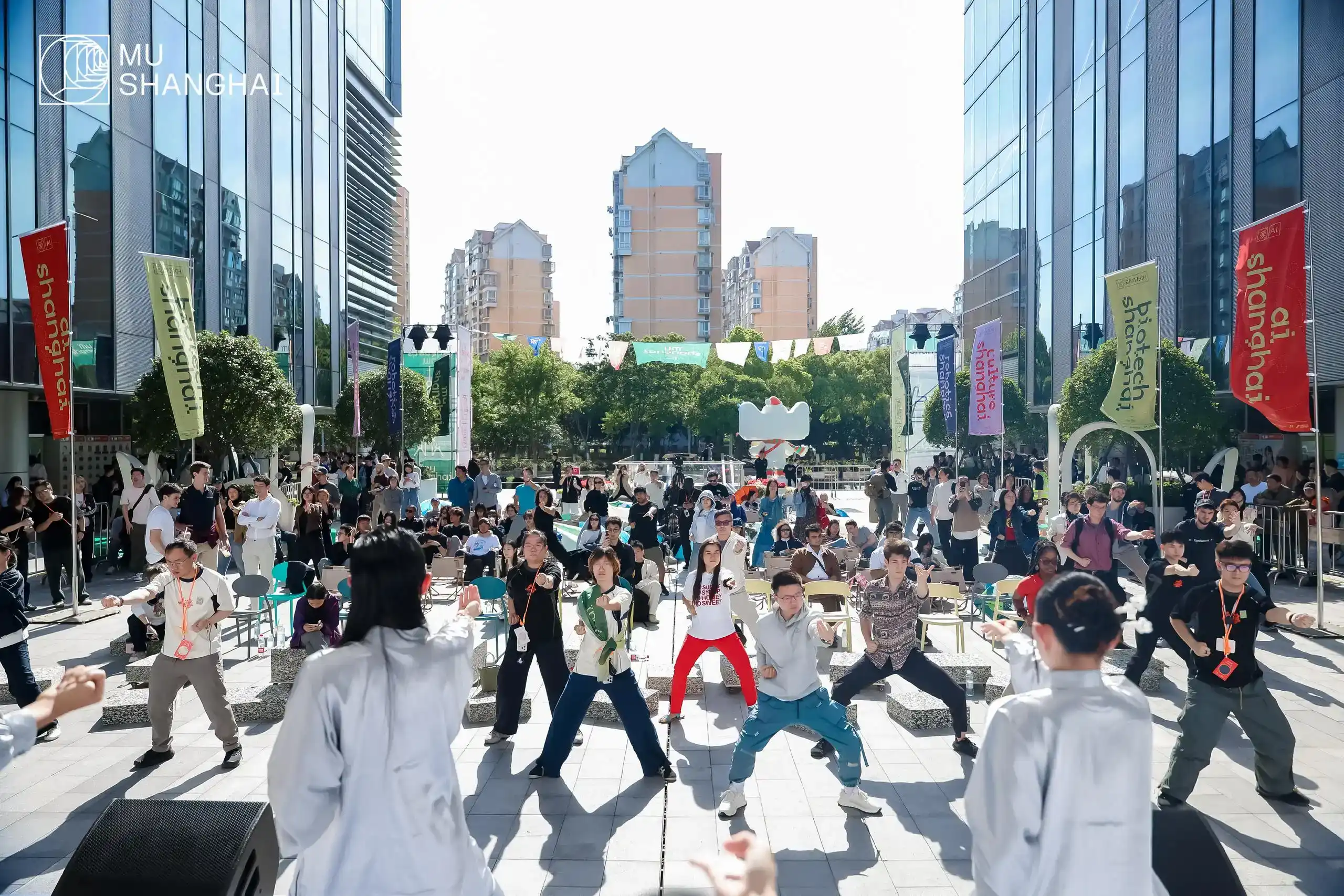
"I have a humanities and social sciences background," Sun explained. "Technology, whether hardware or AI, is just a big wrench. If the wrench isn't designed for people, it's meaningless."
This self-awareness of technological instrumentalism is somewhat unexpected in an event billed as a "tech Burning Man." But it explains muShanghai's core logic differentiating it from general tech summits. This isn't a place to showcase products and fundraising, but a place to create density. Density of talent, trust, and time.
Time density is the most crucial variable. Sun is weary of the two- or three-day summit model: "People quickly exchange WeChat, hurry to talk to the next person. After busy days, you feel empty inside, added a bunch of WeChat contacts, but remember no one."
He believes deep relationships cannot be built in this efficiency-first social mode. A month means you can repeatedly meet the same people, eat together, play ball together, bathe together.
"You can build trust, talk about many topics. After adulthood, especially entering the professional world, people almost never have this opportunity again."
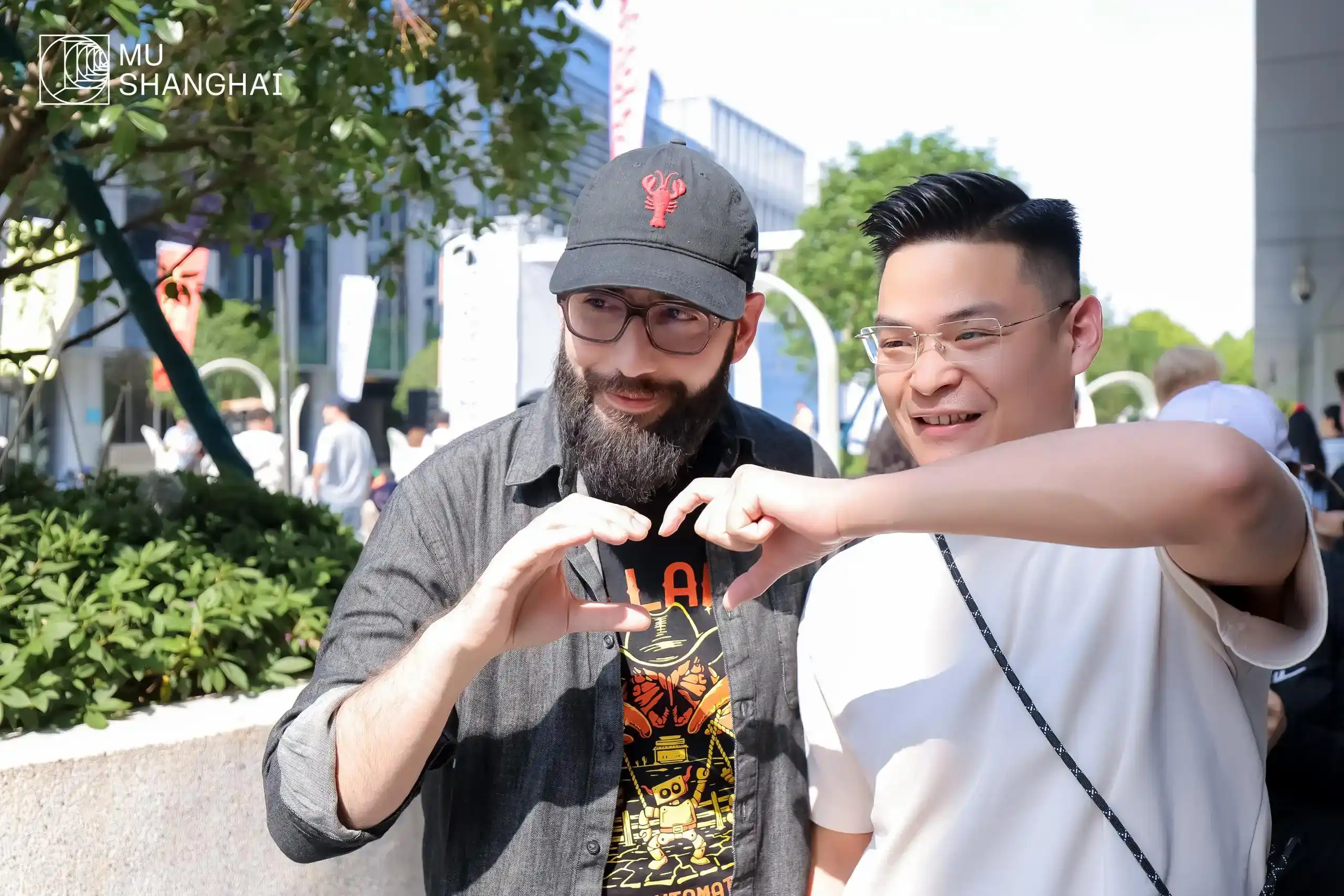
This density yielded concrete results. Sun told us about a Chinese student hoping to study abroad who met people from overseas companies at muShanghai, secured an overseas internship, giving him substantial experience before even applying to schools.
Several core contributors to OpenClaw came to China for the first time. Before coming, due to language, culture, and various barriers, they didn't know how to land events. After muShanghai, they genuinely hope to come to China often and are optimistic about OpenClaw's long-term development in China.
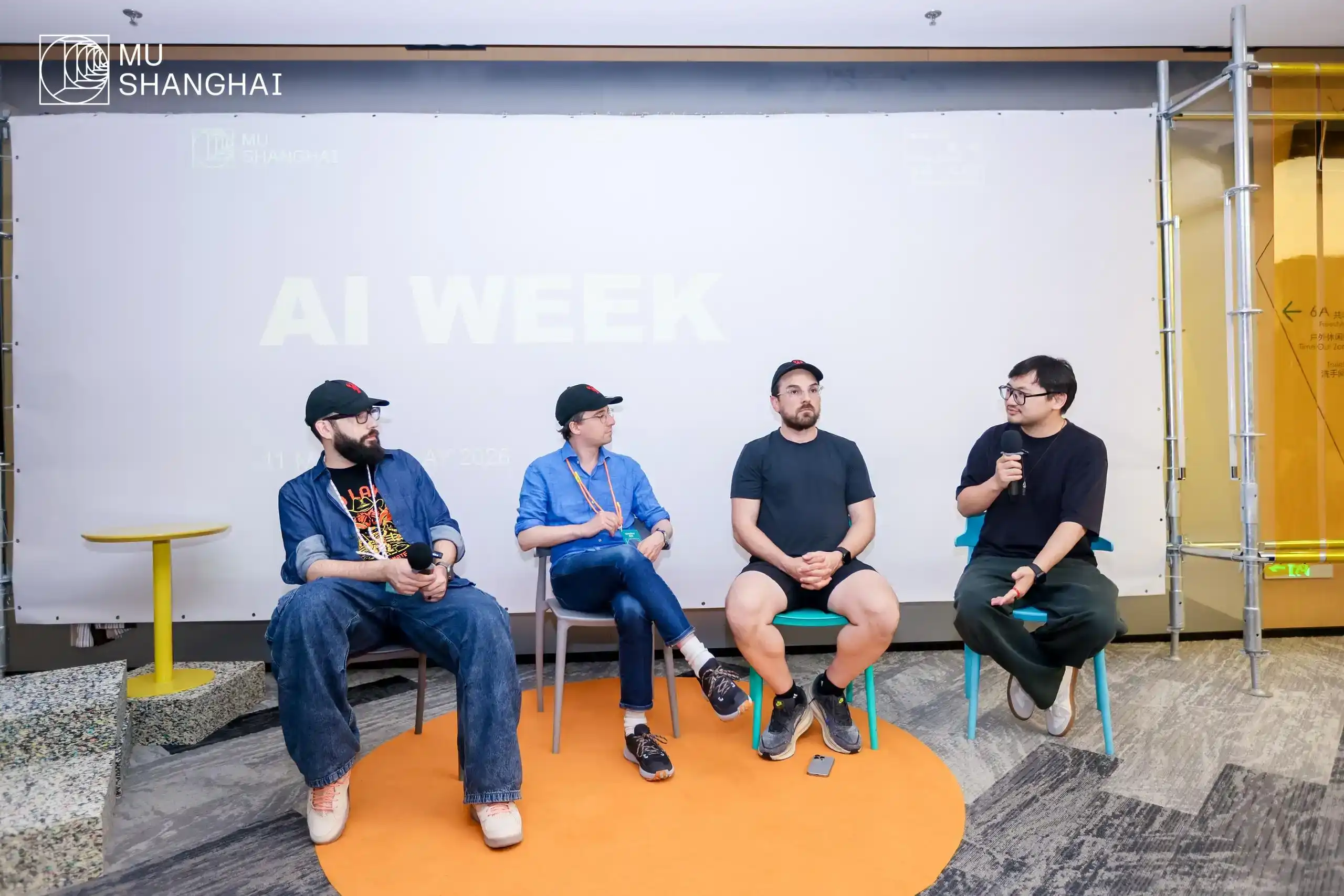
A group of community members from Latin America flew in specifically because The Mu in Buenos Aires, Argentina, was a very successful case of a community changing society.
After the muBuenos pop-up city event there in 2024, tech projects in Argentina grew from sixty or seventy to over twelve hundred. The Mu and the subsequently established local community, Crecimiento, introduced over twenty million USD in investment from overseas for the local community.
International talent coming to China needs to find something more basic beyond institutional channels: a place knowing who to ask, where to go, how to start. An entry point into China's innovation ecosystem without first understanding Chinese government structure or knowing BD people at big companies.
In the interview, Sun described his vision for a long-term space: an entire building, each floor with a different innovation theme—AI, robotics, biotech, gaming, culture. Each floor has different leaders, which could be companies, communities, or individuals. This building would incubate investment institutions, media, various new businesses. It would become the first stop for overseas talent coming to China, and a window for Chinese people wanting to connect with overseas resources.
"Chinese people won't need to fly to San Francisco to awkwardly blend into those circles," he said. "You can see the world in China."
No Effort Is Wasted
Sun grew up overseas for seventeen or eighteen years, mostly in English-speaking countries. He said since childhood, he was bullied, mocked, and laughed at because of his Chinese identity. These experiences didn't make him angry or radical, but they became a lasting drive, making him want to change the meaning of the Chinese label overseas.
"Riding the momentum of promoting Chinese innovation and cultural soft power going global... if this succeeds, in the future, kids growing up overseas won't be laughed at for being Chinese. People will say you're Chinese, your country's tech is cool, your country's culture is cool."
This is the underlying emotion driving him to do muShanghai: letting the world see China, not through official narratives, not through media propaganda, but by letting people come here, live here, feel for themselves.
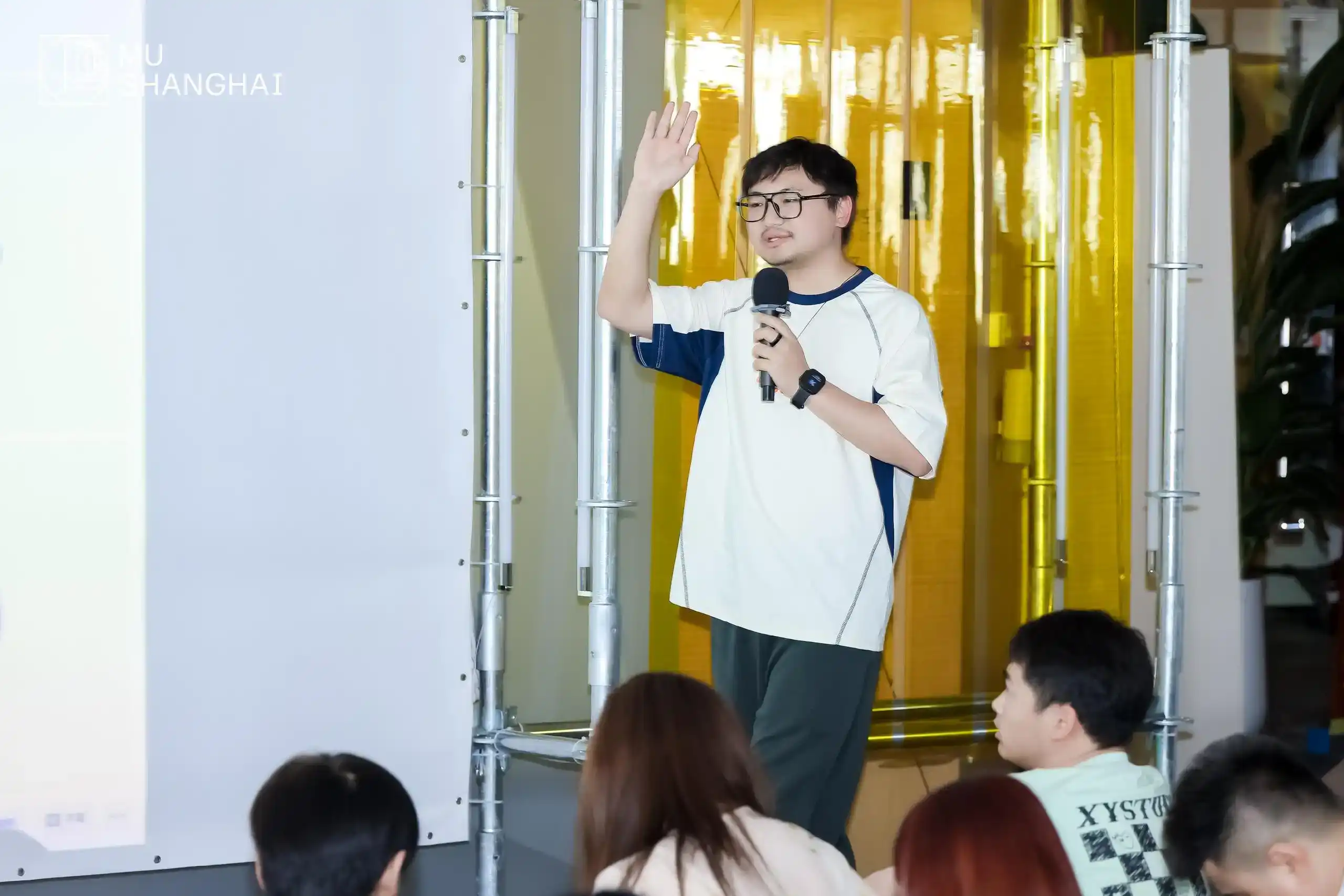
"You don't need to give them big lectures. Arrange meetings with model providers, and they'll know how impressive China is. Arrange visits to robotics factories, and they'll know what China is like. Let them live in China for a few days, and they'll understand everything."
Foreign participants themselves marvel at the convenience of WeChat and Alipay, express amazement at food delivery arriving in over ten minutes still hot, wonder how China developed so quickly, then spontaneously compare it to their own countries. This is the meaning of travel itself; no one needs to draw conclusions for them.
But letting the world see China is only one side of the story. The other side is: when the world really comes, is China ready to catch them?
After muShanghai opened, Sun found the thorniest problem he faced wasn't how to bring people in, but how to handle the relationships that grew around this community after landing: with the government, with capital, with the city. How to maintain existing cooperative relationships while securing the best development conditions for the community, how to draw boundaries between government enthusiasm and community independence.
Furthermore, this event connected many overseas companies, communities, and individuals wanting to develop long-term in China. But everyone also encountered friction due to poor internationalization of local products.
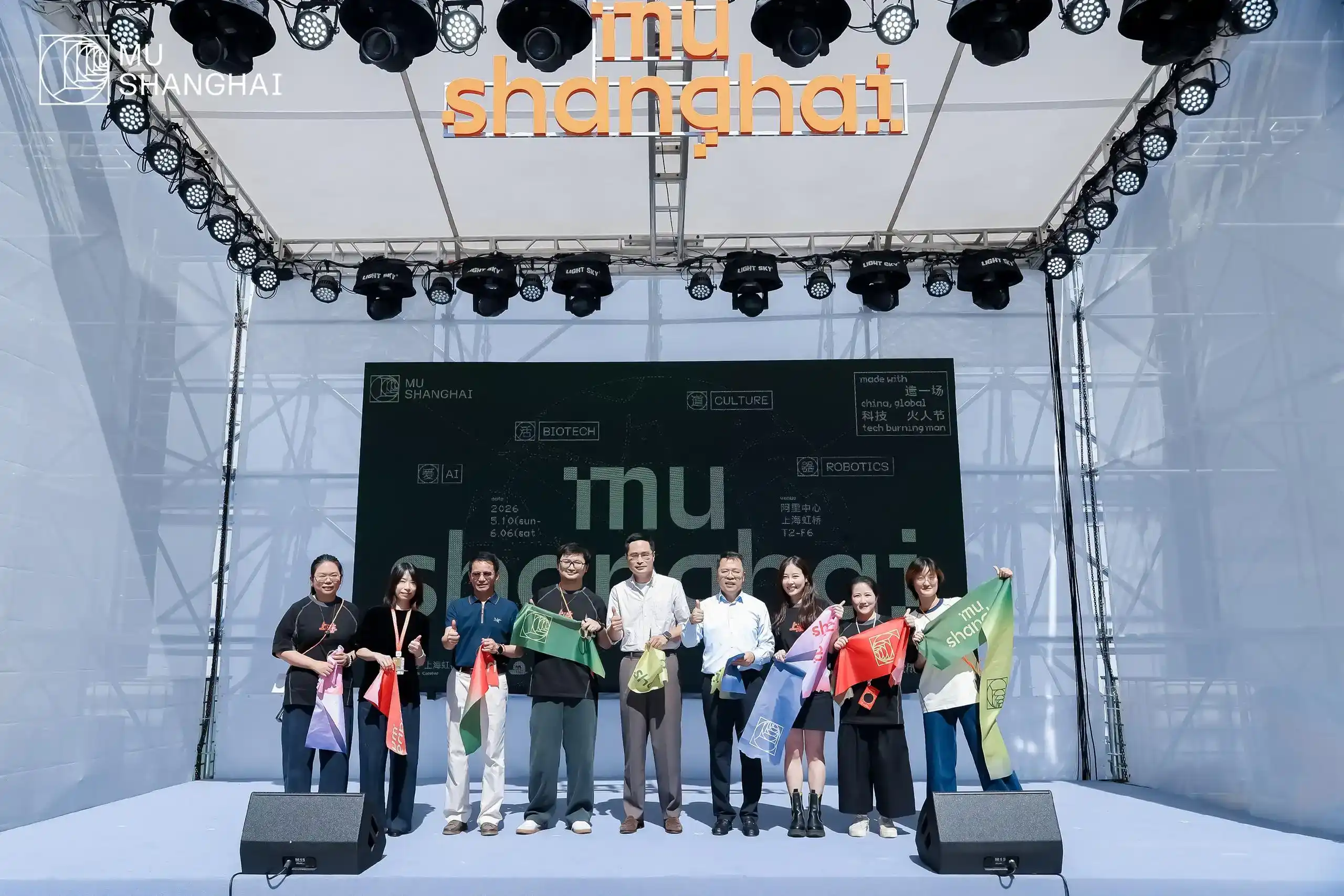
The change a community can bring is limited. A community's bargaining chip boils down to one thing: how much irreplaceable value it can continuously create.
The open innovation landscape depicted in the 15th Five-Year Plan is systemic: expanding construction of three major international science and technology innovation centers, steadily expanding institutional opening, deep integration of talent chains and innovation chains—this is the design blueprint of a giant machine. muShanghai is a non-standard part of this machine. It's not on any design blueprint; its shape is entirely determined by the maker's personal will; it fits into this machine only because there happens to be a gap allowing its existence.
"Even if muShanghai ultimately doesn't sustain, it at least proves one thing is possible: a grassroots community can, without precedent, bring global tech entrepreneurs to China, let them see and judge for themselves. If others can do this better in the future, we welcome it very much."
Sun used a slightly weary voice to express his most genuine inner wish.
"After muShanghai ends, I hope everyone's biggest takeaway is reluctance. Reluctance to leave the muShanghai community, reluctance to part with the new friends they made this month, reluctance to lose this high-density information exchange, reluctance to leave this space where they stayed up until two or three AM every night, and reluctance to leave Shanghai and China. When you feel reluctance, it means something gave you real value."
Outside the building is Hongqiao in May. Inside a building that was once empty, people from all over the world are busy with their own things.
What happens next in this building largely depends on whether the density it created can transform from one person's will into a replicable structure. Or more bluntly, when the shelf life of luck and courage expires, what remains.