By:David Yaffe-Bellany, William K. Rashbaum, The New York Times
Translated by:Luffy, Foresight News
On a morning in November 2024, Shayne Coplan, founder of Polymarket, awoke to unwelcome visitors in his home. Several FBI agents, armed with a battering ram, stormed into his New York apartment, searching for evidence related to illegal gambling on the platform.
Coplan took to social media, claiming the raid was a politically motivated crackdown by the Biden administration. But privately, he and his team's advisors suspected another party, attributing Polymarket's many troubles to its biggest competitor—Tarek Mansour, the CEO of prediction market platform Kalshi.
Four sources familiar with the matter revealed that months before the FBI raid, lawyers for Kalshi had visited the Manhattan U.S. Attorney's office to report issues related to Polymarket—a fact never before disclosed. The sources said the lawyers detailed Polymarket's operational model to prosecutors, highlighting a key issue: despite being supposedly banned in the U.S., users could still access the platform.
This confrontation was merely the peak of a long-simmering feud between Kalshi and Polymarket. The two are among the hottest startups in tech today. Clashes of ambition among Silicon Valley founders are nothing new; ego-driven industry battles are common, like Uber vs. Lyft fighting for the ride-hailing market. The public sparring between OpenAI's Sam Altman and Anthropic's Dario Amodei has become a compelling side story in the AI industry.
But the rivalry between 28-year-old Coplan and 30-year-old Mansour has long crossed the boundaries of normal business competition. Over forty individuals in their circles, speaking anonymously, described two newly-minted billionaires determined to monopolize the prediction market across sports, politics, entertainment, and more. Their mutual loathing has seeped into almost every interaction between the two companies.
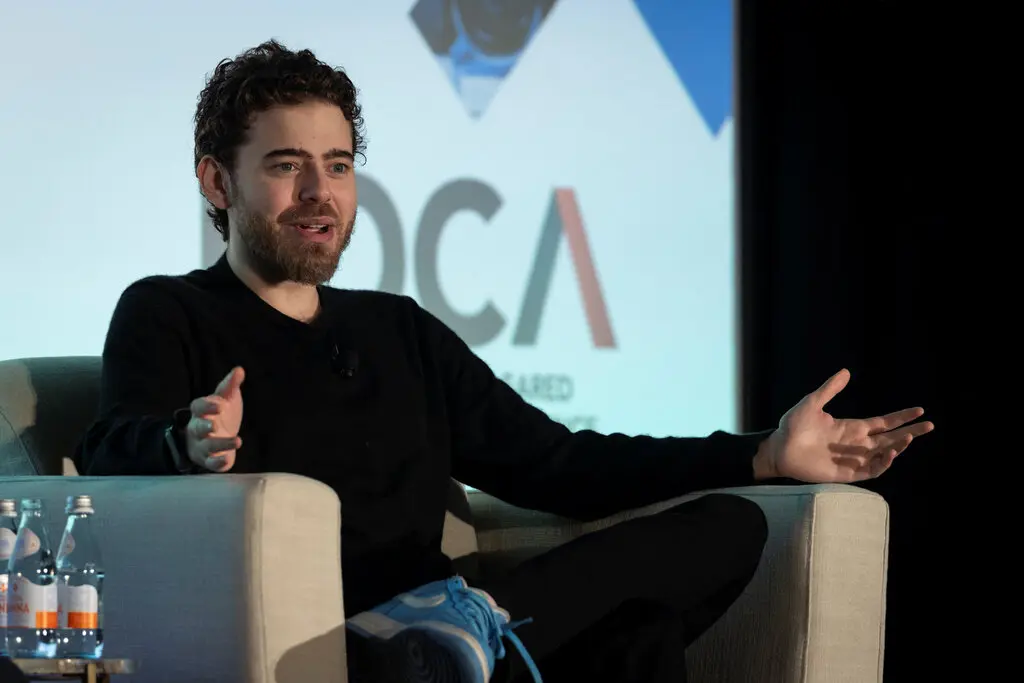
Shayne Coplan, Polymarket Founder
Dustin Gouker, who writes a long-running column on prediction markets, said: "The resentment runs so deep, the fight has become personal."
This feud has spilled into corporate meetings, U.S. Congressional hearings, influenced regulatory policy in Washington, and triggered unprecedented industry scrutiny and regulatory anxiety. The companies have trademarked each other's names, competed for the same deals, poached talent, traded barbs in the media, and launched direct personal attacks on social platforms. Both have established business ties with Donald Trump Jr., a common lobbying tactic in Washington during the Trump era.
Noah Zingler-Sternig, a former Kalshi employee and manager of a prediction market investment fund, commented: "Both companies have crossed the line on many things, making it hard for the public to take either platform seriously."
The animosity is not just about market share; a deeper divide lies in ethical boundaries and business conduct. Kalshi projects an image of regulatory compliance, insisting on obtaining U.S. regulatory approval before operating domestically. Polymarket operates its core platform offshore without a domestic license. Kalshi enforces strict KYC (Know Your Customer) rules and blocks sensitive betting categories; Polymarket users can register without submitting personal information and can even bet on events like the timing of missile strikes in Israel.
While Coplan and Mansour have met over the years, they now barely communicate, preferring to disparage each other from afar. Mansour, an MIT graduate who calls himself a math enthusiast, once likened their competition to the healthy rivalry between legendary quarterbacks Tom Brady and Eli Manning. Recently, however, he stated bluntly that Polymarket's model is "illegal and unethical," noting its offshore platform is operated by a Panamanian entity.
In April of this year, Mansour said at an industry conference in Washington: "I don't know what regulations Panama has for insider trading in prediction markets—probably none."
Coplan, a dropout from New York University who excels at public pitchmanship, rarely mentions Kalshi publicly. But two sources said he privately calls Kalshi a mere copycat of Polymarket and believes Mansour has been trying to sabotage him. Coplan is convinced his platform is the industry's best solution, stating on "60 Minutes" last year: "It's the most accurate information tool humanity currently has."
Kalshi spokesperson Elisabeth Diana said the company learned of the FBI raid through news reports. She added that Kalshi regularly communicates with regulators about compliance and has publicly stated that "some companies harm users and tarnish the industry's reputation."
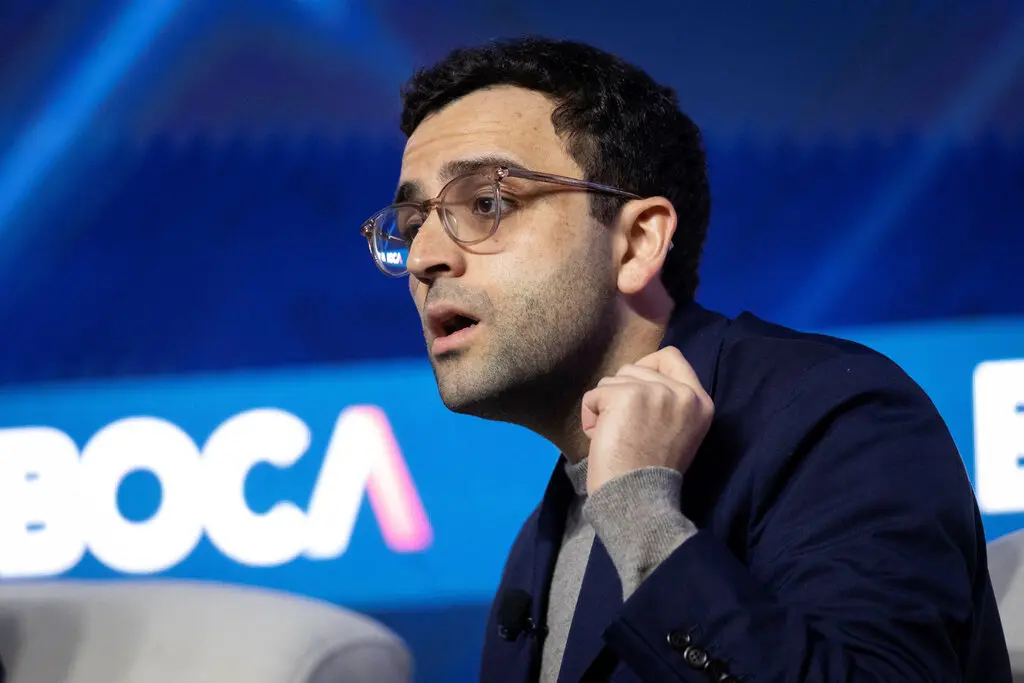
Tarek Mansour, Kalshi Co-founder
Diana said, "Tarek has no personal animosity towards Shayne. His only frustration is that while Kalshi spent years pushing for industry compliance, the other side operates with no regard for rules."
A Polymarket spokesperson responded to Mansour's comments by quoting Ralph Waldo Emerson: "The louder he talked of his honor, the faster we counted our spoons." The spokesperson also stated the platform has robust insider trading screening mechanisms, having referred suspicious activity to authorities nearly a hundred times, and emphasized: "We are committed to building an accurate, fair, and transparent trading market."
As prediction markets move from niche to mainstream, regulatory pressure on both companies continues to mount. Multiple state attorneys general have sued both platforms, alleging their sports betting operations violate gambling laws; Polymarket is also under investigation by the U.S. Commodity Futures Trading Commission (CFTC).
Kalshi's targeting of Polymarket has become more overt. In May, former CFTC commissioner and current Kalshi board member Brian Quintenz posted on X about Polymarket's user verification process, tagging the official account of the U.S. Attorney's Office for the Southern District of New York.
The Origin of the Rivalry
Coplan, a native New Yorker, founded Polymarket in 2020, initially working from an apartment in Lower Manhattan where a bathroom was converted into an office and a laptop served as the entire setup. At the time, he saw himself as an industry newcomer pioneering a completely unconventional new product.
He soon faced a formidable opponent. Mansour, who grew up in Lebanon and was a former trader at Citadel, co-founded Kalshi in 2018 with MIT classmate and current COO Luana Lopes Lara. Colleagues describe Mansour as brilliant, aggressive, and somewhat reserved; Coplan is easygoing, an art collector and music lover with a laid-back, quintessential New Yorker demeanor.
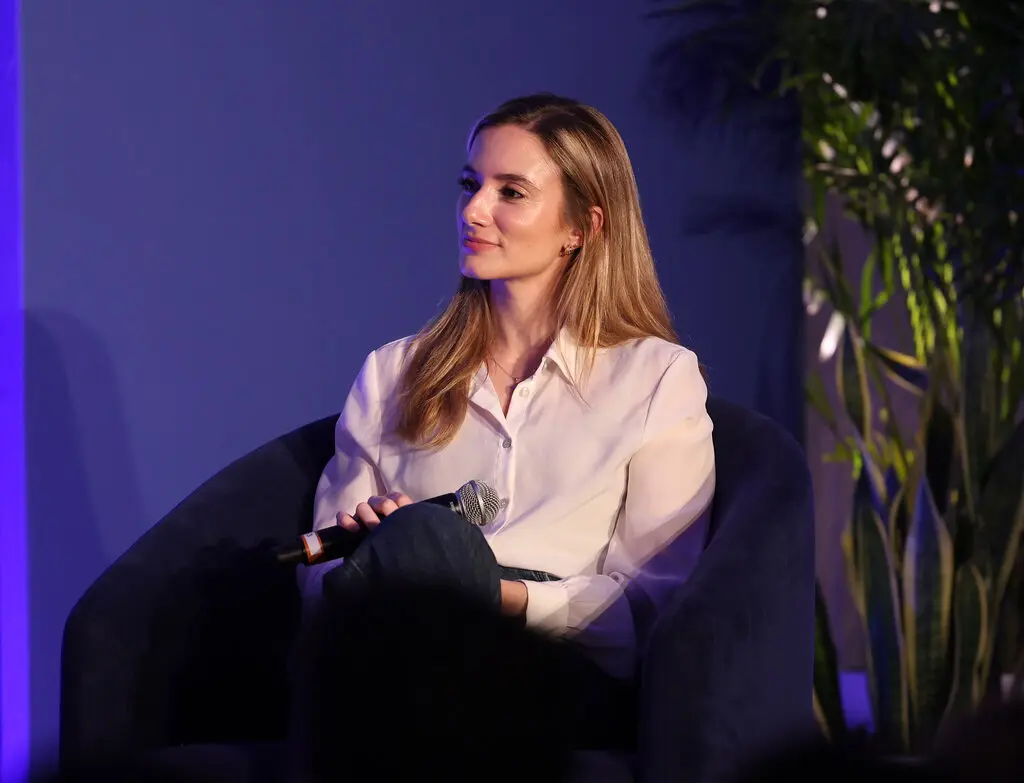
Luana Lopes Lara, Kalshi Co-founder
The two never got along well. Sources recall an awkward early meeting where Coplan mentioned both were raised by single mothers—a comment that made Mansour deeply uncomfortable.
But they shared one conviction: prediction markets would reshape finance and media, using "the wisdom of the crowd" to produce highly valuable information. Both Polymarket and Kalshi present bets as yes/no questions on topics ranging from weather to the Super Bowl. The collective amount users wager determines the odds for each event.
Kalshi applied for a full operating license from the CFTC long before launching its betting business in 2021. Three sources said that even during early communications with regulators, Kalshi raised compliance issues about Polymarket.
The main contact was Kalshi strategic advisor Jeff Bandman, who repeatedly urged the CFTC to scrutinize Coplan's company, pointing out that the platform was accessible in the U.S. without permission. In January 2022, regulators fined Polymarket $1.4 million and ordered it to stop accepting bets from U.S. users.
This ban gave Kalshi a potential monopoly on the U.S. market, but the company still had to negotiate with regulators for more favorable rules. During the Biden administration, the CFTC banned election betting, leading Kalshi to sue the agency in 2023.
While Kalshi was entangled in litigation, Polymarket went viral—even while banned from serving U.S. users. Americans could simply use a VPN to access the offshore site. Ahead of the 2024 presidential election, the platform's odds sparked widespread discussion, showing Trump's chances significantly higher than traditional polls.
Mansour said on a podcast in June: "They completely skipped the compliance process, launched the product, and had no scruples."
Just before the election, Kalshi won its court case, allowing licensed prediction markets to operate legally in the U.S. Polymarket still lacked a domestic license, but its traffic skyrocketed, and Coplan became an industry celebrity.
In 2024, the U.S. Attorney's Office for the Southern District of New York launched an investigation into whether Polymarket was illegally serving U.S. users. A week after Trump's victory, the FBI raided Coplan's Manhattan apartment, seizing all electronic devices.
Kalshi immediately capitalized. Tech media outlet Pirate Wires published chat logs showing Kalshi employee Keaton Inglis contacting former NFL star Antonio Brown, instructing him to post on X that Coplan was "guilty."

Antonio Brown, former NFL star
Brown later apologized, saying he was in a business partnership with Kalshi at the time and had forwarded the content without thinking. Mansour also apologized, stating on a podcast in December 2024: "Some of our team members got a bit too emotional."
The raid made Coplan and his team deeply suspicious, and rumors spread quickly through media circles. Four sources said Polymarket insiders privately speculated that Kalshi or its affiliates had hired private investigators to follow Coplan, who then tipped off the media after witnessing the FBI raid.
Kalshi spokesperson Diana dismissed this: "It's completely baseless. Their paranoia has reached absurd levels."
Sabotaging a Major Deal
Last July, Coplan went to Manhatta, a penthouse restaurant in Manhattan with 60th-floor panoramic views, for a crucial business dinner. He dressed casually, carrying a bagel in a paper bag.
On the other side of the table was billionaire Jeffrey Sprecher, founder of Intercontinental Exchange (ICE). The $80 billion giant operates the New York Stock Exchange. The meeting between old and new industry titans marked a pivotal turn in the Polymarket-Kalshi rivalry.
For years, Kalshi boasted top-tier VC backers like Sequoia Capital; Coplan had repeatedly struggled to secure funding from large institutions. But both Coplan and Mansour were courting ICE for investment, as the giant sought to enter the prediction market space.
Coplan and Sprecher hit it off. ICE, which had been considering an investment in Kalshi, ultimately struck a deal to invest in Polymarket last fall.
Sources said Mansour was furious upon learning the news. Five individuals familiar with the matter said that before the deal was announced, Mansour and Kalshi investor Alex Immerman, a partner at a16z, separately met with ICE's senior management.
Descriptions of the conversations vary, but three sources confirmed that Mansour and Immerman's communications were essentially attempts to dissuade ICE from making the investment by any means necessary.
Kalshi spokesperson Diana stated the company itself "had no intention of pursuing a partnership with Sprecher."
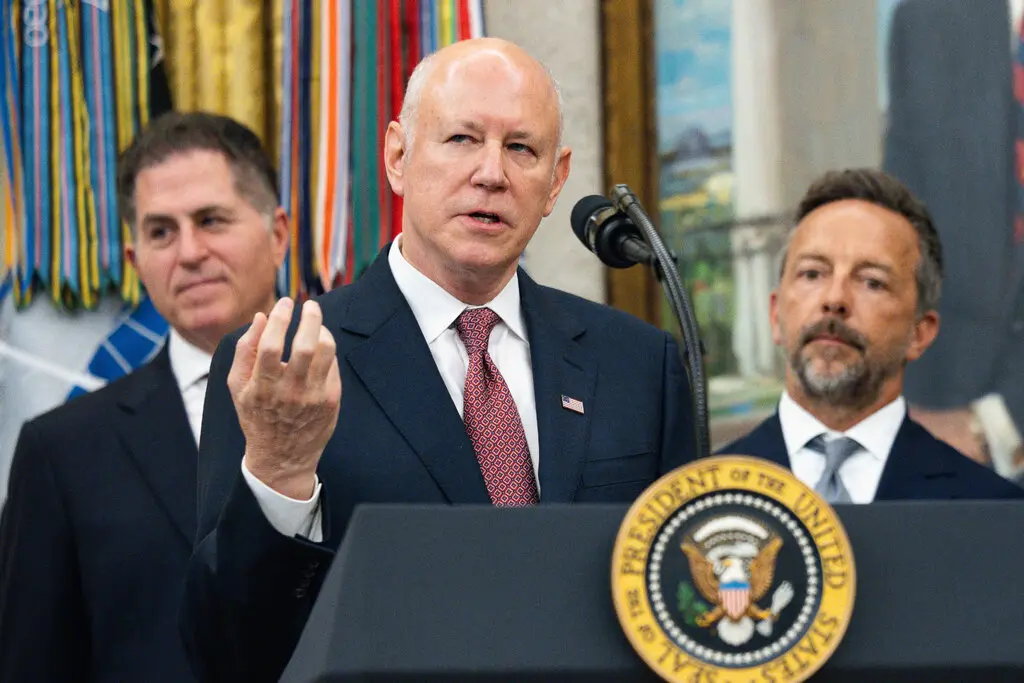
Jeffrey Sprecher, Founder of Intercontinental Exchange
Ultimately, Sprecher bet on Coplan, announcing a deal in October to invest up to $2 billion in Polymarket. This was just one in a series of wins for Polymarket: In July last year, the Trump administration's shift in enforcement led the Southern District to drop its investigation into Coplan; that same summer, Trump Jr.'s venture firm, 1789 Capital, also announced an investment in Polymarket.
Coplan said on "60 Minutes" last year: "This administration is strongly supporting innovation, the crypto industry, and especially Polymarket. It's quite remarkable."
To capitalize on this policy shift, Polymarket needed a U.S. operating license. Coplan planned to acquire a company that already had one.
He ran into Kalshi's obstruction again. Five sources said rumors swirled that Coplan was targeting the small prediction platform Railbird for acquisition. Mansour then reported potential issues with that target to senior CFTC officials.
Kalshi's report didn't work; the CFTC approved Railbird's license in June 2025. Coplan ultimately spent $112 million to acquire another licensed firm, QCX. Although its main offshore platform remained restricted, the acquisition allowed Polymarket to launch a lightweight U.S. app, reaching a massive domestic user base.
Announcing the acquisition in July, Coplan posted a picture of the American flag on social media with the caption: "Waited so long for this day. Polymarket is officially back in the USA."
Business Gambits Designed to Provoke
This past spring, when the New York Knicks made the playoffs, Mansour posted a courtside photo from Madison Square Garden, wearing team colors and grinning widely.
Officially, it was a celebration of a new partnership between Kalshi and the arena, which named its sixth-floor concourse the "Kalshi Concourse." But industry observers saw another layer: a deliberate provocation.
Long before his fame, Coplan frequently shared Knicks content on social media and was a regular courtside presence during the regular season. Sources said Polymarket had also been in talks for a similar sponsorship before Kalshi secured the deal but was unwilling to match Kalshi's offer.
This marked the moment the rivalry, once confined to the crypto niche, entered the mainstream spotlight. In the first six months of this year, the two platforms' combined trading volume surpassed $150 billion, a 1200% increase, undoubtedly intensifying the competition.
By current metrics, Mansour is temporarily ahead. After a funding round in May, Kalshi's valuation reached $22 billion, $7 billion higher than Polymarket's. Data from The Block shows Kalshi's trading volume last month was $33 billion, double that of Polymarket.
Diana denied the Madison Square Garden deal was aimed at Coplan: "We don't make business decisions to provoke competitors. That notion is ridiculous."
The surge in prediction market popularity has also attracted stricter regulatory scrutiny, much of it focused on Polymarket. In April, a U.S. Army Special Forces soldier was indicted for using classified information, accessed via VPN on Polymarket's offshore platform, to bet on the arrest of Venezuelan President Nicolás Maduro, profiting over $400,000. A Polymarket spokesperson said the platform explicitly prohibits VPN access.
The two platforms' approaches to curbing insider trading are starkly different. Kalshi requires users to submit full personal information before betting, including occupation in some cases. All Polymarket trades are publicly recorded on the blockchain, allowing the community to self-police for violations. Users of the U.S. app must undergo KYC, but the main offshore platform still does not force users to disclose names, employers, or other private information.
Polymarket-paid influencer Aj Pleasanton commented that this model is common in crypto, where users generally prefer anonymity.
Privately, Mansour has grown increasingly critical of Polymarket's model; two sources said he often calls Polymarket's chief legal officer, Neal Kumar, to express his anger.
Clashes are frequent. According to sources and documents reviewed by The New York Times, in the spring of 2025, several influencers partnered with Polymarket widely spread news about Kalshi's failed partnership talks with Elon Musk's xAI.
That same year, Polymarket hired early Uber employee Max Crowley as VP of Partnerships. Within two months, Crowley jumped to Kalshi, infuriating Coplan. Sources said during the transition, Coplan and company board lawyer Alex Spiro sent Crowley a cease-and-desist letter threatening litigation, though no case was filed.
Even when they share common industry goals, the two companies refuse to collaborate. Kalshi formed an industry lobbying group to fight restrictive prediction market legislation in various states, uniting several competitors—but pointedly excluding Polymarket.
The following month, after Kalshi lost a sports betting lawsuit in one state, Polymarket promptly listed a new market: betting on when Kalshi's Massachusetts sports betting operations would shut down.