解读为何战略公司2.16亿美元比特币抛售未必是利空

ambcryptoPublished on 2026-07-08Last updated on 2026-07-08

Abstract

Strategice公司披露2.16亿美元比特币抛售后,市场并未出现部分分析师预期的螺旋式下跌。相反,灰度研究认为其12.5亿美元的BTC出售计划可能有助于“支持BTC价格稳定”。该公司付息优先股STRC价格在消息公布后回升,市场反应平静,比特币价格仅小幅波动。这与6月初其出售32枚BTC引发市场大跌20%的情况形成鲜明对比。分析师指出,坏消息不再打压价格可能意味着市场底部正在形成。不过,长期批评者彼得·希夫指出,该公司目前出售比特币的价格低于其平均买入成本,可能已产生实际亏损。市场后续走势还需关注7月8日的美联储会议纪要。

战略公司披露的2.16亿美元比特币抛售计划,并未引发部分分析师上周预测的"死亡螺旋"。

事实上,灰度公司现在认为,该公司12.5亿美元的BTC出售计划可能有助于"支撑BTC价格稳定"。

在其最新报告中,灰度研究主管Zach Pandl指出:

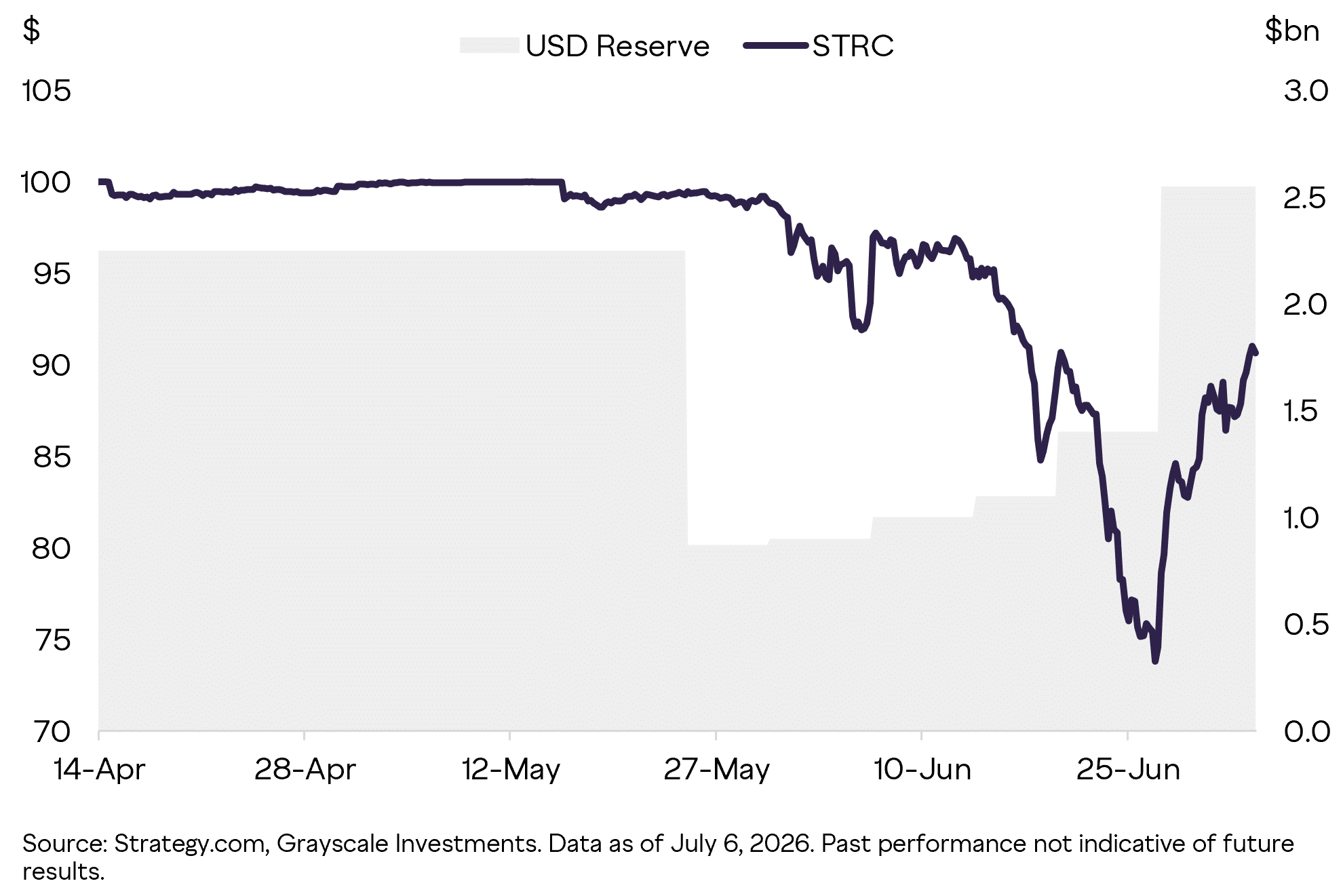
STRC价格的反弹表明投资者现在对该工具更有信心。战略公司正在出售更多比特币。但我们认为,这将恢复其融资结构的市场信心,并帮助比特币找到更持久的底部。
来源:灰度

在战略公司周一披露信息后,其付息优先股Stretch (STRC)自6月22日以来首次短暂攀升至90美元以上。

STRC在6月中旬曾与100美元面值脱钩,当时市场普遍担忧随着加密寒冬持续,该公司将如何履行股息支付义务。此外,部分初始美元储备被用于清偿可转换债务,这进一步加剧了担忧。

为解决这些问题,战略公司宣布了一项新计划,包括正式执行12.5亿美元的BTC出售。2.16亿美元的BTC抛售只是第一步,旨在建立缓冲资金以覆盖股息支付义务。

市场无视战略公司2.16亿美元抛售

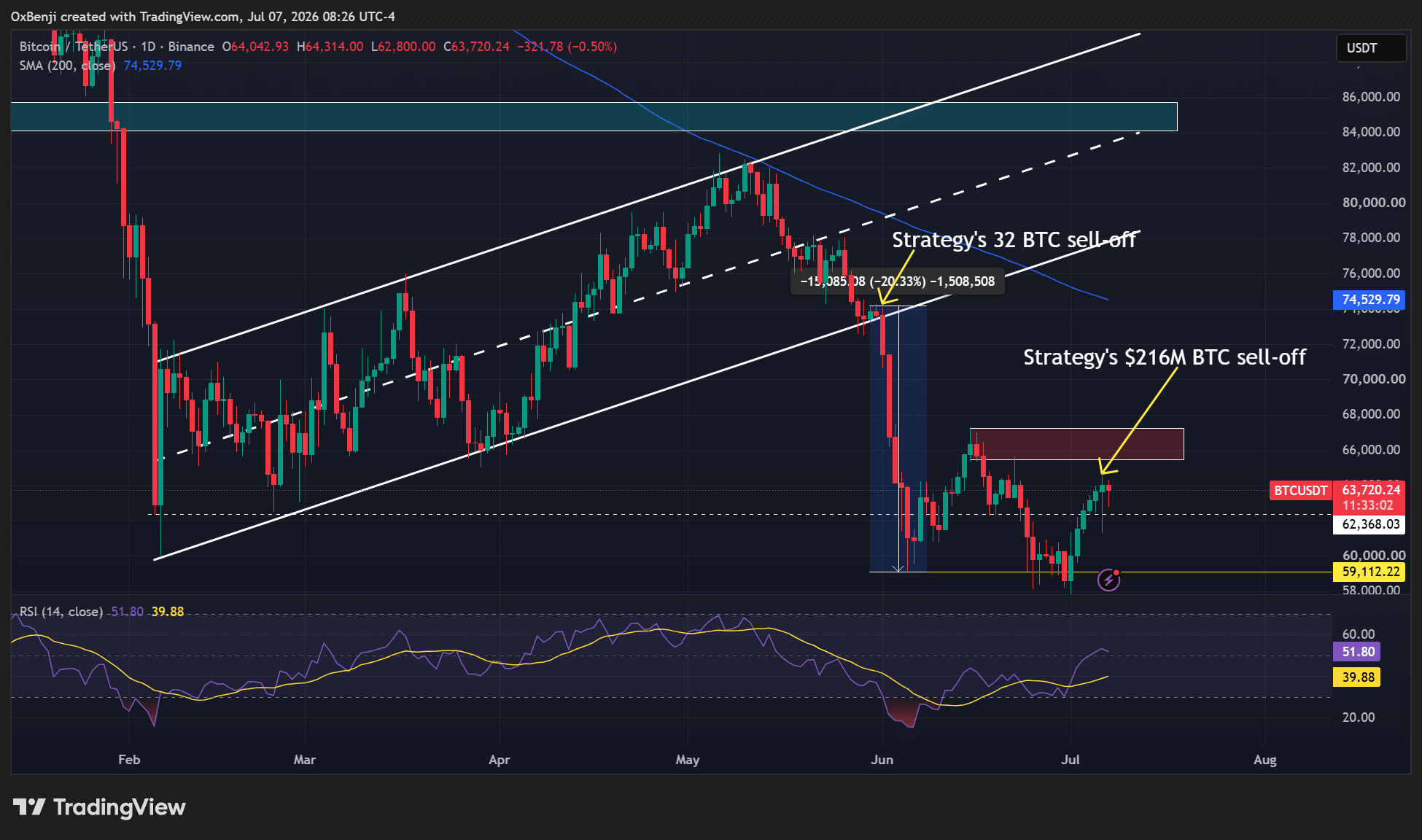
令人意外的是,市场并未像战略公司出售32枚BTC时那样做出负面反应。在6月第一周,战略公司披露出售32枚BTC后,BTC价格暴跌超过20%,至5.9万美元。

本周一,BTC价格虽走低,但迅速收复失地,当日收盘仅微涨0.6%。
来源:BTC/USDT,TradingView

多数分析师此前预期,如果该公司推进12.5亿美元的BTC出售计划,市场将出现类似的负面反应。事实上,摩根大通曾警告不要这样做,并建议通过出售MSTR股票来将美元储备增加至足以覆盖3年支出的水平。

摩根大通认为,如此大规模的BTC抛售将直接导致市场下跌。

Galaxy Research也发出了类似警告,并补充说出售BTC无法解决该公司的"结构性问题"。事实上,Galaxy补充称,此举将引发BTC抛售,进而拖累STRC和MSTR的价格。

截至目前,市场已经消化了这些担忧。事实上,分析师James Van Straten表示,这可能预示着BTC市场已经触底。

当坏消息不再推动价格下跌时,底部可能就出现了。

然而,对于长期批评战略公司的Peter Schiff而言,该公司可能仍在承受损失,因为它一直以低于平均买入价的价格出售BTC。

考虑到MSTR的平均成本,这意味着每枚比特币实际亏损约1.5万美元,总计约5400万美元。鉴于还有超过84万枚比特币待售,总亏损将大得多。

值得注意的是,BTC的短期复苏将取决于定于7月8日公布的FOMC会议纪要。


最终总结

  • 市场无视战略公司2.16亿美元BTC抛售,价格维持在6.3万美元上方
  • 灰度将此举措视为有助于BTC找到更"持久底部"的支撑因素

Trending Cryptos

Related Questions

QStrategy公司出售价值2.16亿美元的比特币,为何市场最初预期的负面反应没有出现?

A因为此次出售是该公司12.5亿美元比特币出售计划的第一步,旨在建立缓冲资金以覆盖股息支付义务,市场认为这有助于恢复对公司财务结构的信心,从而支持比特币价格找到更稳固的底部。

Q灰度公司(Grayscale)的研究负责人Zach Pandl对Strategy的比特币出售计划有何看法?

AZach Pandl认为,Strategy出售更多比特币将恢复其融资结构的市场信心,并可能帮助比特币价格找到更持久的底部。

Q文章中提到,分析师James Van Straten如何解读市场对坏消息的反应?

AJames Van Straten认为,当坏消息(如Strategy大量出售比特币)不再导致价格下跌时,可能意味着市场底部已经出现。

Q长期批评Strategy的Peter Schiff对这次比特币出售有何担忧?

APeter Schiff指出,鉴于MicroStrategy的平均买入成本,此次出售每枚比特币造成了约1.5万美元的已实现亏损,随着剩余比特币的出售,总亏损会更大。

Q除了Strategy的出售计划,文章提到影响比特币近期复苏的另一个关键事件是什么?

A是定于7月8日发布的美联储公开市场委员会(FOMC)会议纪要,比特币的短期复苏将取决于此事件。

Related Reads

Collateral Dollars: How Does a 'Second-Layer Dollar' Above Stablecoins Form?

Collateral Dollars: How Does a "Second Layer of Dollars" Form on Top of Stablecoins? Most assume stablecoins replicate Eurodollar functions, expanding the offshore dollar system. However, stablecoins primarily replace specific functions like operational dollar balances for settlement. They do not inherently create new dollar credit; they substitute existing claims. The key question is: what happens when financial intermediaries use stablecoins as collateral to create a new layer of dollar-denominated claims? This "collateral dollar" channel operates through secured lending, not direct money creation. A money-like event only occurs when a liability issued against the controlled stablecoin is funded, rolled over, or accepted at near-par value by another balance sheet. The discount (haircut) prices the gap between "effective control over the token" and "reliable convertibility to bank dollars." Elasticity stems not from the stablecoin itself but from the liability issued against it and the willingness of third-party balance sheets to treat that liability as a near-par asset. Compared to the traditional Eurodollar system—where elasticity originates from bank deposit creation—the stablecoin collateral chain is structurally different. Eurodollar deposits are credit-expansive from inception. Stablecoins are initially substitutive; elasticity emerges later if an intermediary's liability against them gains monetary acceptance. Stablecoins disrupt specific tiers of the offshore dollar system, mainly replacing operational settlement balances. They do not replace the need for full dollar balance-sheet capacity (credit lines, hedging, maturity transformation). For systemic impact, the second-layer liability must pass three tests: transferability, funding capacity, and monetary acceptance (being fundable or held at par by others). Pressure transmission also differs. In the Eurodollar system, stress moves up a hierarchy of claims. In a stablecoin collateral chain, the second-layer liability can lose its money-like status well before the underlying stablecoin faces a run, often triggered by haircut increases and margin calls that create a dynamic spiral of falling token prices and rising discounts. In conclusion, the "collateral dollar" is not the stablecoin itself. It is the second-layer liability issued against a controlled token balance that is willing to be funded and maintained at near-par value. Its existence depends on that liability surviving the leap from "token liquidity" to "bank dollar liquidity."

marsbit1h ago

Collateral Dollars: How Does a 'Second-Layer Dollar' Above Stablecoins Form?

marsbit1h ago

Trading

Spot

Hot Articles

Discussions

Welcome to the HTX Community. Here, you can stay informed about the latest platform developments and gain access to professional market insights. Users' opinions on the price of S (S) are presented below.

活动图片