年入1亿美元,两个90后伯克利室友,搞出最赚钱的AI生意

marsbitPublished on 2026-07-06Last updated on 2026-07-06

Abstract

一家不造AI的公司,年收入却高达1亿美元。这家公司名为Arena,前身是加州大学伯克利分校团队在2023年发起的开源研究项目Chatbot Arena。它核心的产品是一个通过用户真实盲测生成的大模型排行榜:用户输入提示词,系统随机分配两个匿名模型作答,由用户投票选择更优者。凭借海量真实数据,该榜单已成为业界公认的权威评测平台,吸引了OpenAI、谷歌、Anthropic等顶级厂商在此“打擂台”。 其商业模式在于“卖水”:为模型厂商和企业提供付费的深度评测服务,利用其庞大的用户社区对模型进行真实世界性能分析。这种服务切中了模型厂商激烈竞争、亟需优化调优的痛点。 公司由两位伯克利室友创立。CEO Anastasios Angelopoulos师从多位学术大牛,专注于对黑箱模型进行数学严谨的评估;CTO Wei-Lin Chiang是知名开源聊天机器人Vicuna的创造者。项目发展迅速,在商业化仅8个月后年化营收便达到1亿美元,并已完成高额融资,估值达17亿美元。 目前,Arena已将评测范围从简单的对话能力,扩展到智能体模式下的复杂长任务(如写代码、研究分析),用任务完成率、幻觉率等更客观的指标进行评估。在AI向智能体演进的时代,中立、可靠的评测变得愈发关键和昂贵,这正是Arena巨大价值的根基。

一个不造AI的公司,年入1亿美元!

缔造这一商业神话的,是硅谷AI巨头争相角逐的「大模型擂台」——Arena。

它的前身叫Chatbot Arena,最初仅仅是UC伯克利团队,在2023年发起的一项开源研究项目。
谁能想到,短短时间,它就成了拿捏大模型命脉的核心阵地。

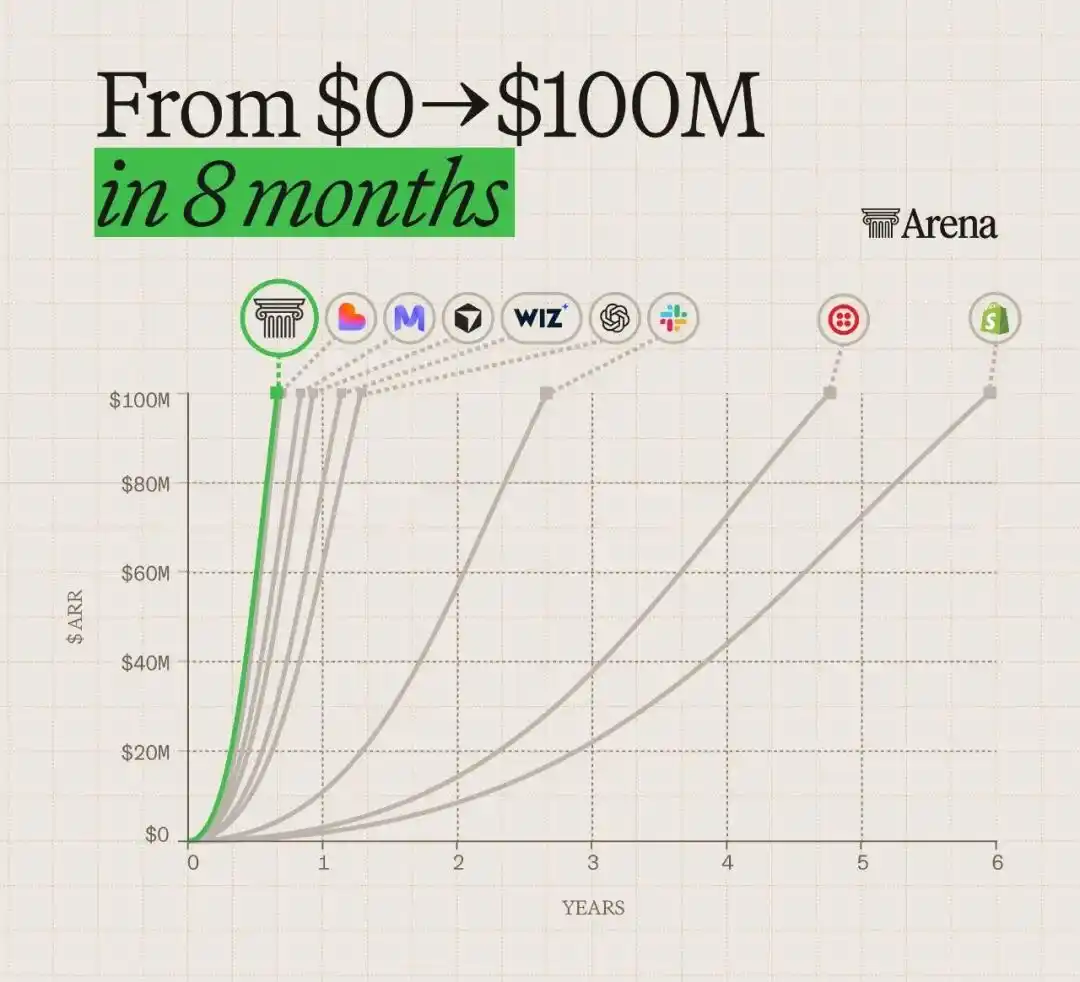
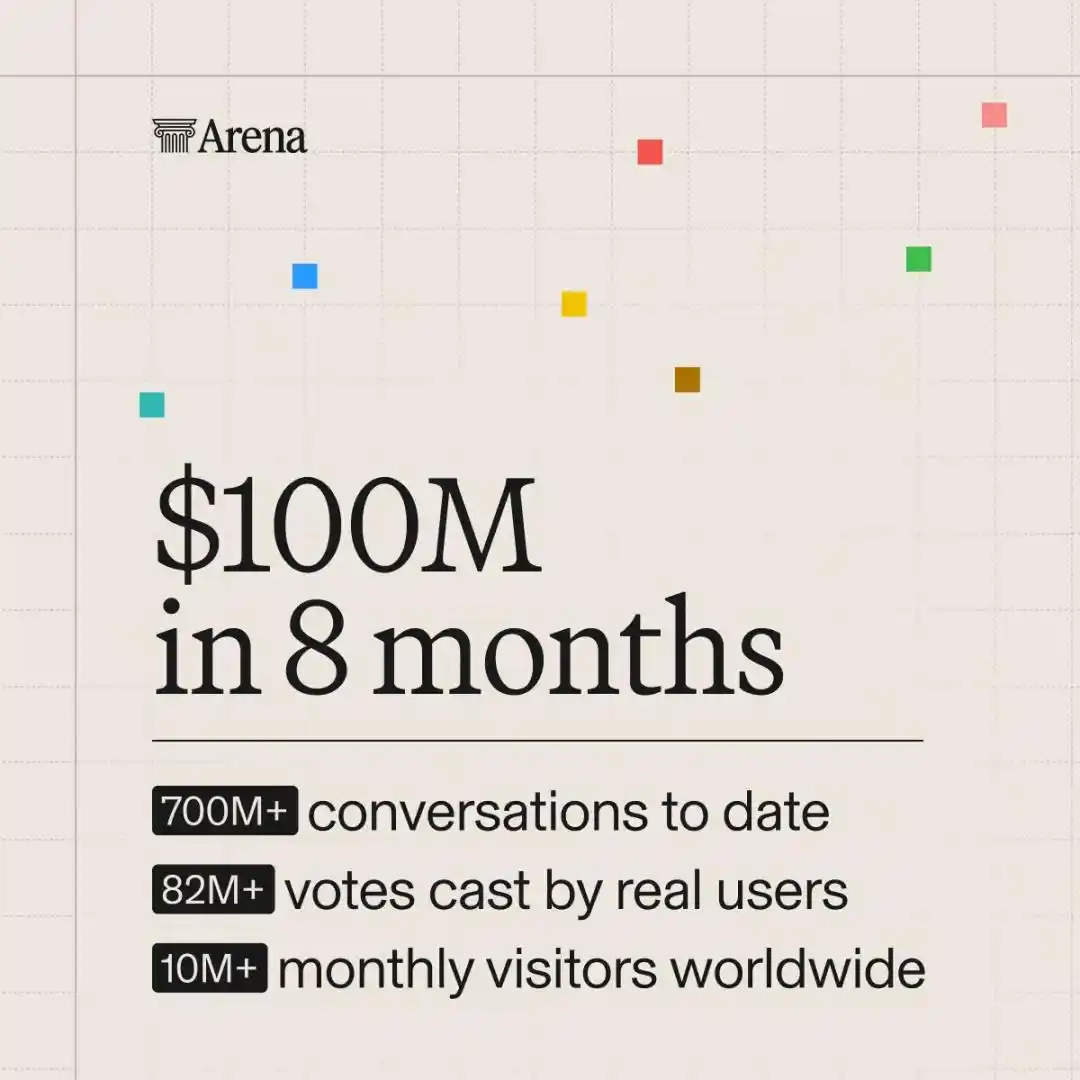
就在今天,在Arena商业化服务上线仅仅8个月后,年化营收达到了1亿美元,创下新里程碑。
ChatGPT、Claude刷榜,大模型擂台

对很多人来说,Arena并不陌生。

它最为人津津乐道的,就是那个完全靠用户真实盲测堆出来的大模型排行榜。

玩法简单到极致,却又充满竞技感——

输入一段提示词,系统盲测派出两个匿名模型同时作答;然后选出哪个更好。
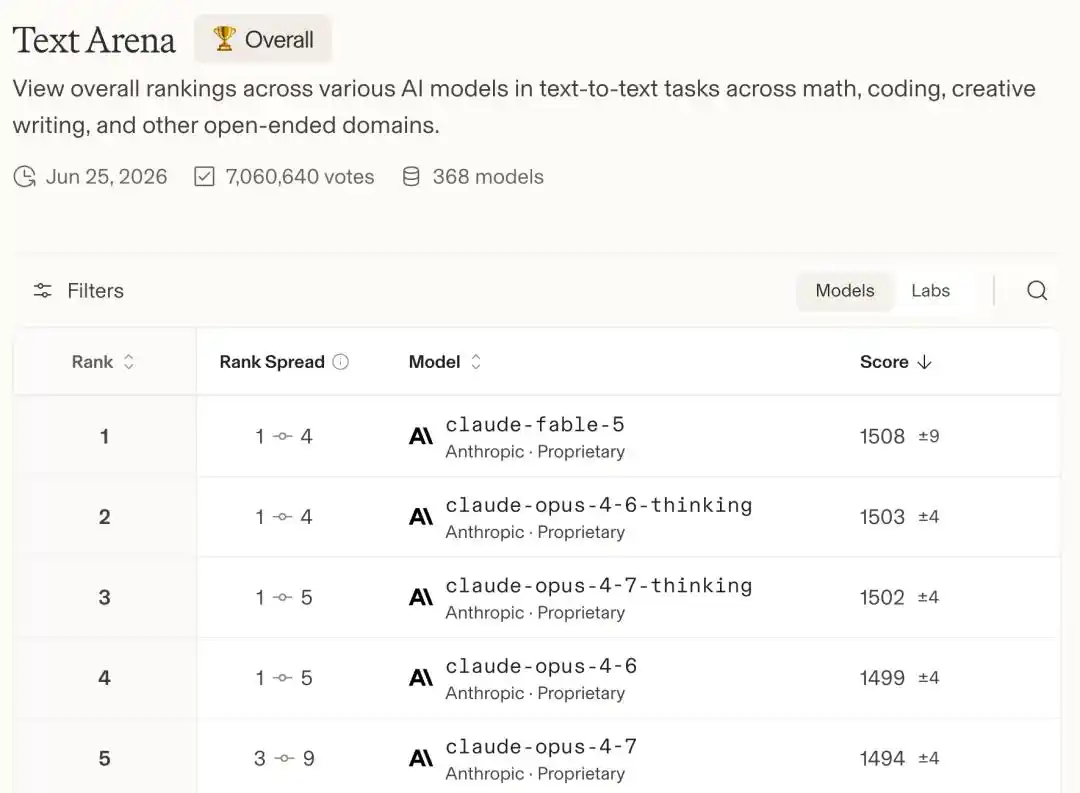
系统把千万张这样的选票,汇成一张Elo式的排行榜。

就这么个「打擂台」的机制,让它成了全球AI爱好者和开发者的圣地。

到今天,平台已经攒下超过1000万次用户评测,7亿次对话,8200万张投票,每月1000万+访客,来自全球150多个国家。

更关键的是,每天约80%的用户提问都是全新的,没有任何模型能提前「背题」。
含金量有多高?

OpenAI、谷歌、Anthropic、Meta,这些平时打得头破血流的顶级大厂,全都把自家旗舰模型送上Arena接受社区拷打。

OpenAI甚至在GPT-5正式发布前,用代号「summit」偷偷上榜测试。
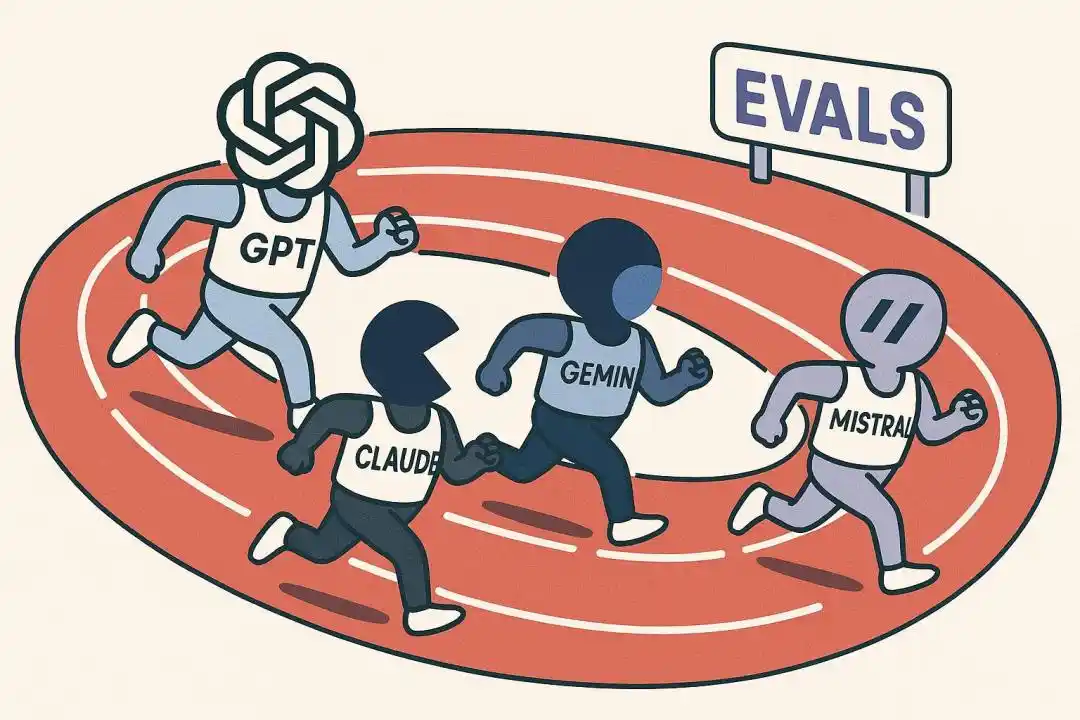
换句话说,全硅谷最强的那批模型,都在等一个伯克利学生的项目给它们盖戳。

1亿美金营收,怎么跑出来?

那么问题来了——一个免费排行榜,怎么就成了1亿美元的吸金兽?

去年9月,Arena上线了一款AI Evaluations的商业服务:

模型厂商和大企业可以付费,让Arena调动它那个数千万人的社区,对自家模型做深度评测,拿到光靠跑分根本得不到的「真实世界」性能分析。

这是一套「面向真实世界的CI/CD系统」。

模型一旦准备公开发布,Arena会免费替社区把它评测一遍;

而企业想知道自家模型在真实用户手里到底强在哪、弱在哪、哪里在胡说八道,那就得掏钱。

这是一种典型的「卖水人」生意——淘金热里,挖金子的不一定赚钱,但卖水、卖铲子的稳赚不赔。

大模型厂商越是疯狂内卷、越是拼命想榨出最后一点性能,对这种「上线后调优」服务的胃口就越大。

而Arena恰好卡在了所有人都必须经过的那个位置上。

三个伯克利人

做出最赚钱的生意

Arena的前身,叫Chatbot Arena。

再往前,它属于伯克利那个赫赫有名的LMSYS研究小组。

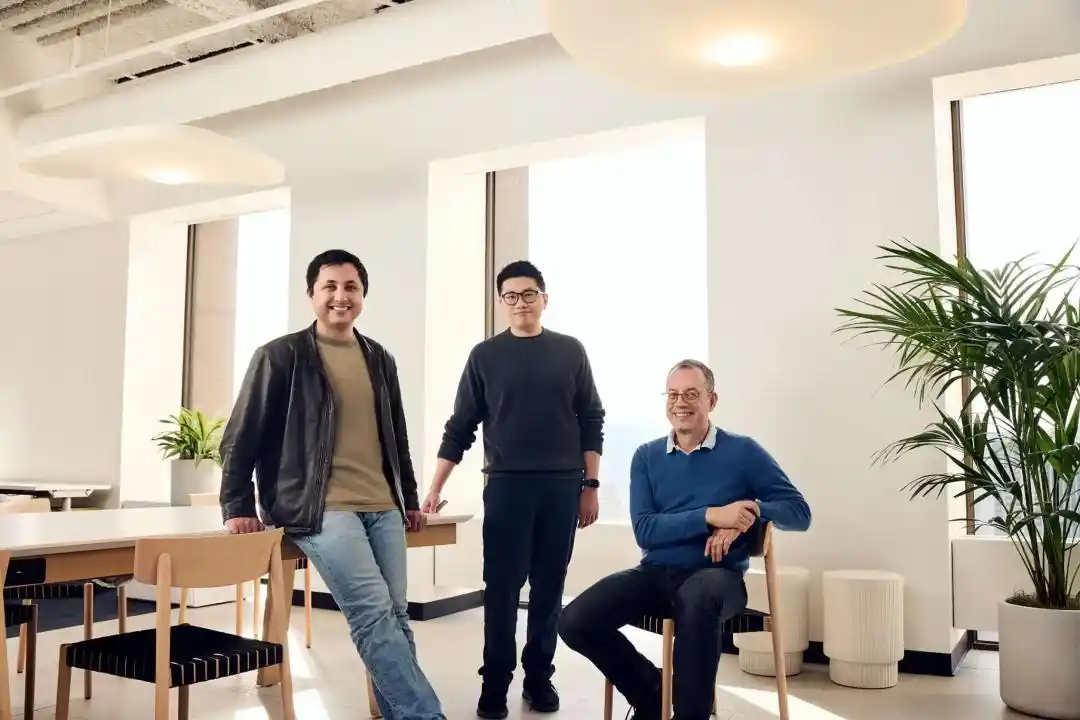
两个伯克利的室友,只想做一件朴素的事——给大语言模型搭一个中立的擂台,让大家公平地比一比。

谁也没想到,这个学生项目会一路狂奔成独角兽。

时间线快得让人喘不过气:2025年春天,项目从大学剥离、正式成立公司,几周内就拿下1亿美元种子轮,估值6亿美元;

几个月后商业产品上线,仅四个月,年化营收就冲到3000万美元。

紧接着,今年1月,由Felicis和UC Investments领投的1.5亿美元A轮落地,投后估值定格在17亿美元。
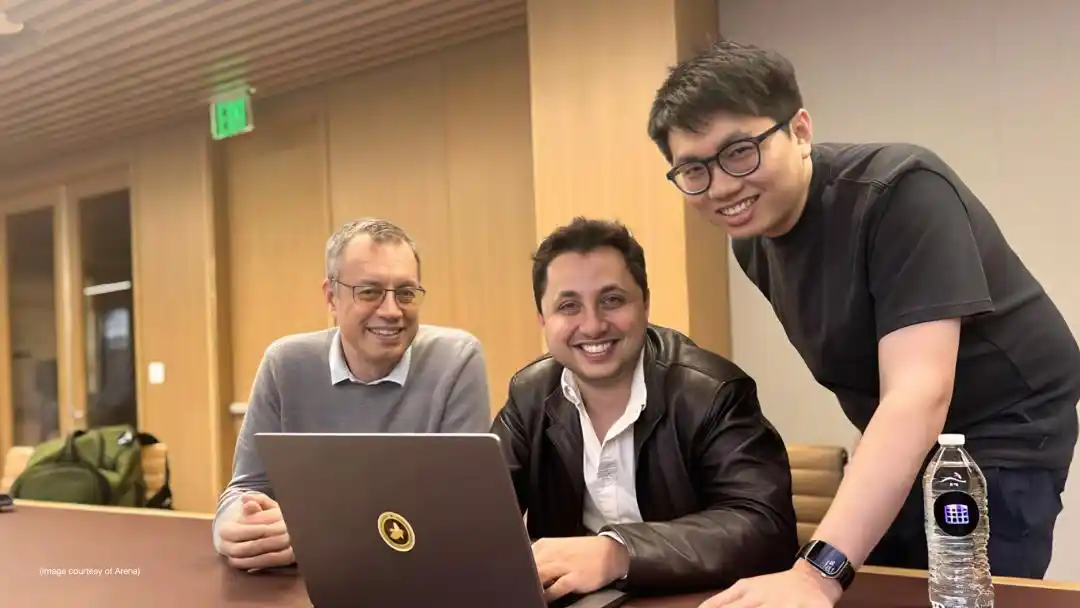
掌舵的三个人,也都不是无名之辈。

CEO Anastasios Angelopoulos,骨子里是个搞数学的。

他在斯坦福读电子工程本科时,师从凸优化领域的传奇人物Stephen Boyd。

到了伯克利读博,导师直接是两位教父级大牛——机器学习宗师Michael I. Jordan、计算机视觉宗师Jitendra Malik。

他这些年钻研的方向,主要是怎么对一个黑箱模型,做出数学上严格站得住脚的判断。
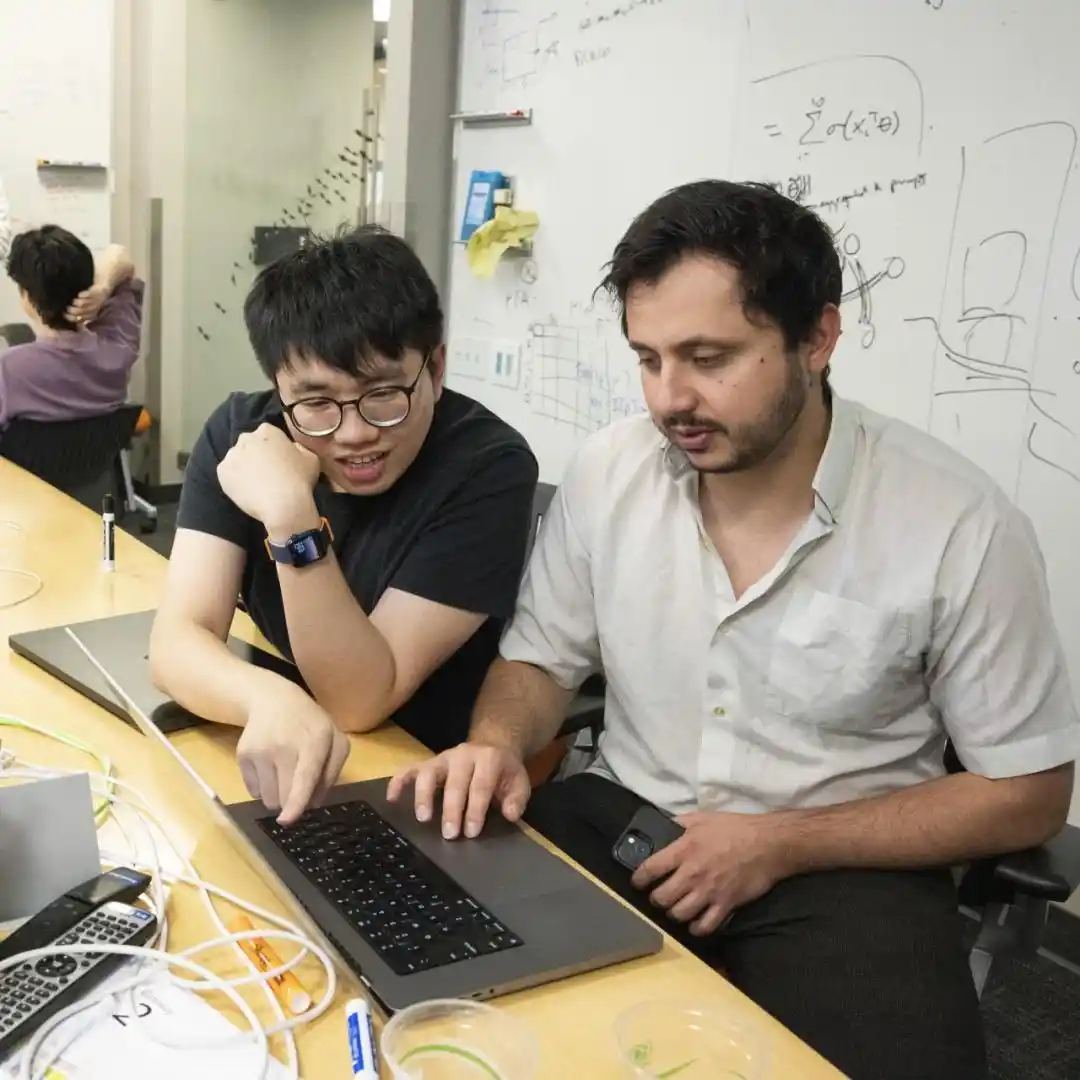
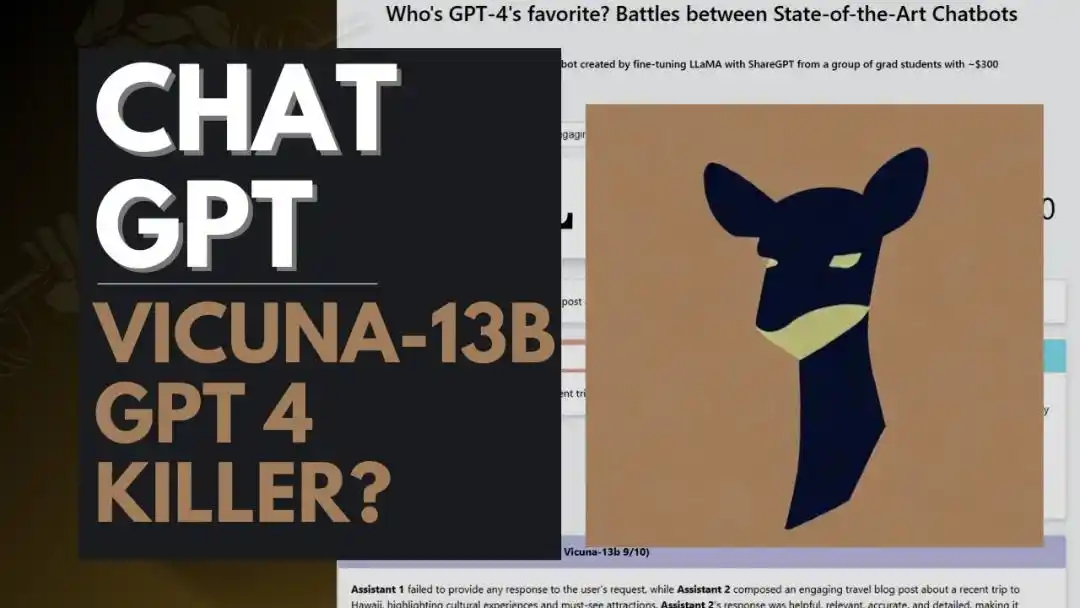
CTO Wei-Lin Chiang,是开源圈的熟脸——那个红遍全网的开源聊天机器人Vicuna,就出自他手。

他在伯克利读博,师从Ion Stoica,专攻分布式系统,此前在谷歌、亚马逊、微软都干过。

2022年底ChatGPT公测那一刻,他把手头之前的研究全停了,一头扎进Arena。
他对这个项目的痴迷,被搭档Angelopoulos形容成「a labor of love」(一份用爱发的电)。

为了这个项目,两人工作时间长到干脆搬到一起住。两个室友,搭出了一个17亿美元的公司。

而第三位联合创始人,是大名鼎鼎的伯克利教授、Databricks联合创始人Ion Stoica。他在项目2025年4月公司化之前一直担任顾问。

当裁判,比当选手更重要

Arena最新的动作,是推出了Agent Mode(智能体模式)。

它评测的早已不只是「谁聊天聊得更好」,而是数百万用户正在用智能体干的真活:写代码、调bug、做研究、分析文档——那些动辄上百次工具调用、多轮往返的长任务。

它开始用任务完成率、幻觉率这些客观指标来打分,远远超出了最初「人类偏好投票」的范畴。

AI正从「聊天机器人」进化成能独立扛活的「智能体」,任务越来越长、赌注越来越高。

评测,是人类伸进AI内部的最后一根探针。

Arena这门生意能值1亿美元、能值17亿美元,本质上赌的就是这件事会越来越重要、越来越贵。

但所有人最终都得回答同一个问题——当机器开始自己出题,谁还有资格阅卷?

参考资料:

https://techcrunch.com/2026/06/29/arena-the-ai-leaderboard-everyone-uses-is-now-a-100m-business/

https://x.com/ml_angelopoulos/status/2071629882057228680?s=20

本文来自微信公众号“新智元”,作者:ASI启示录,编辑:桃子

Trending Cryptos

Related Questions

QArena平台的核心业务是什么,其盈利模式是怎样的?

AArena的核心业务是运营一个面向大语言模型的‘盲测擂台’,通过用户匿名投票生成排行榜。其盈利模式是推出付费的‘AI Evaluations’商业服务,为模型厂商和企业提供基于真实用户反馈的深度性能评测和分析,通过这种‘卖水人’生意实现收入,年化营收已达1亿美元。

Q文章中提到Arena平台的‘含金量’很高,主要体现在哪些方面?

AArena的含金量主要体现在:1)吸引了OpenAI、谷歌、Anthropic、Meta等几乎所有顶级大厂将其旗舰模型送测,包括GPT-5发布前的秘密测试;2)平台积累了海量真实用户数据,包括超过1000万次评测、7亿次对话和8200万张投票;3)其评测方法基于真实、全新的用户提问,避免了模型‘背题’,结果更具参考价值。

QArena公司的三位核心创始人分别是谁,他们有何背景?

AArena的三位核心创始人分别是:1)CEO Anastasios Angelopoulos,斯坦福电子工程背景,师从机器学习宗师Michael I. Jordan等,研究方向是为黑箱模型建立数学上严格的判断标准。2)CTO Wei-Lin Chiang,伯克利博士,开源聊天机器人Vicuna的创造者,师从Ion Stoica。3)联合创始人Ion Stoica,伯克利知名教授,Databricks联合创始人,在公司化前担任项目顾问。

QArena平台最新的发展方向是什么?

AArena最新的发展方向是推出了Agent Mode(智能体模式)。这标志着其评测重心已从简单的‘聊天能力’转向评测智能体完成复杂、长任务的能力,如写代码、调试、研究分析等。评测指标也扩展到了任务完成率、幻觉率等更客观的维度,以应对AI向‘智能体’的进化趋势。

Q这篇文章将Arena的成功比喻为什么生意?其内在逻辑是什么?

A文章将Arena的成功比喻为‘淘金热’中的‘卖水人’生意。其内在逻辑是:在AI大模型厂商激烈‘内卷’、竞相提升性能的背景下,Arena不直接参与‘造模型’(挖金子),而是占据了产业链中不可或缺的‘评测’(卖水/卖铲子)环节。模型厂商越是竞争激烈,对客观、真实、深度的性能评测需求就越大,这使卡位关键的Arena能够‘稳赚不赔’。

Related Reads

Trump, the President Who Knows Best How to 'Trade Stocks'

Former US President Donald Trump reported a record-breaking $2.2 billion in personal income for 2025, the highest annual income ever disclosed by a sitting president. This figure, from a 927-page government ethics filing, represented a 3.5-fold increase from his $600 million income in 2024 and boosted his net worth to $6.5 billion. The primary drivers were cryptocurrency (64% of income, approximately $1.4 billion) and real estate (26%, approximately $575 million). His crypto earnings stemmed largely from the launch of his personal meme coin, $TRUMP, generating over $600 million in licensing fees, and substantial profits from the WLFI token and its parent company. Despite a sluggish property market, his Mar-a-Lago resort and associated golf clubs saw revenue surges of 50% and 27%, respectively, attributed to their use as venues for presidential events. Trump's financial disclosure also revealed an unprecedented level of stock market activity, with over 22,000 trades executed in 2025, averaging 87 trades per market day. Media analyses noted several instances where significant trading coincided with major policy announcements, such as proposed tariffs, raising questions about potential conflicts of interest. While the White House stated these trades were handled by a family-managed trust fund and not Trump directly, critics highlighted this as a departure from the blind trusts traditionally used by presidents post-Watergate. The report has intensified debate over the commercialization of the presidency. Supporters view it as a success story of a businessman-president, while critics argue it demonstrates an unprecedented conversion of public influence into private wealth, with policy decisions potentially linked to personal financial gains. The controversy centers on whether Trump's earnings represent innovative entrepreneurship or a fundamental conflict of interest, sparking renewed calls for stricter ethics reforms in US governance.

marsbit9m ago

Trump, the President Who Knows Best How to 'Trade Stocks'

marsbit9m ago

Countdown to Q-Day: Will Quantum Computing End Cryptocurrencies?

The article explores the existential threat quantum computing poses to cryptocurrencies and the urgent need for "post-quantum" migration. It outlines that quantum computers, through Shor's algorithm, could break the elliptic-curve cryptography (ECC) underlying blockchain security, potentially allowing private keys to be derived from public keys. The core challenge is not a lack of post-quantum cryptography (PQC) standards—like NIST's ML-KEM and ML-DSA—but the immense complexity of upgrading entire ecosystems before "Q-Day" (when quantum computers become capable of such attacks, estimated around 2035-2045). Key points include: * **Bitcoin's** risk is concentrated in legacy UTXOs with exposed public keys (e.g., early P2PK outputs). Migration faces massive hurdles: PQC signatures are much larger, increasing transaction size and cost, and the governance dilemma of handling un-migrated assets threatens its "code is law" ethos. * **Ethereum's** strategy focuses on "cryptographic agility," using Account Abstraction for user accounts and developing compressed hash-based signatures (like leanXMSS with SNARK aggregation) for consensus. Its migration is a complex, full-stack overhaul of execution, consensus, and data layers. * The "security debt" is enormous. The comfortable engineering window for a coordinated, ecosystem-wide upgrade is only 5-8 years. High-value infrastructure (exchanges, bridges) may face pressure before mainnet protocols. In conclusion, quantum computing is not an instant "doomsday" event but a forcing function for systemic change. Bitcoin's ultimate test is social consensus and property rights governance, while Ethereum's is technical complexity. Failure to migrate in time could lead to a fundamental re-pricing of crypto assets.

链捕手13m ago

Countdown to Q-Day: Will Quantum Computing End Cryptocurrencies?

链捕手13m ago

Losing $55 Million to Sell Bitcoin, MicroStrategy's Faith Reaches Its Interest Payment Day

On July 6th, Michael Saylor's MicroStrategy announced the sale of 3,588 BTC for approximately $216 million, incurring a realized loss of around $55.45 million compared to its average cost basis. This move, contradicting Saylor's long-standing "never sell" Bitcoin philosophy, was executed to pay dividends on its digital credit securities. The article traces this shift from a small "desensitization test" sale of 32 BTC in late May to the board's authorization on June 30th to sell up to $1.25 billion in Bitcoin for corporate purposes like dividends and buybacks. Analysis reveals that MicroStrategy's previous growth "flywheel"—using stock premiums to fund more Bitcoin purchases—has stalled. With its stock trading near a critical threshold (1.22x its Bitcoin NAV), issuing new shares would dilute value. Simultaneously, its financing channels (preferred stock, common stock ATM, convertible notes) are constrained while facing rigid annual dividend/interest obligations of roughly $1.76 billion. Consequently, selling Bitcoin became the calculated "optimal solution" under its own financial model. This transforms MicroStrategy from crypto's most prominent steady buyer into a predictable seller, creating a potential overhead of ~2,400 BTC in monthly selling pressure if obligations are fully covered by sales. This shift challenges the valuation models of the entire Digital Asset Treasury (DAT) sector that emulated MicroStrategy. The company's path forward now hinges on Bitcoin's price recovery, which would allow its preferred stock to trade at par and reopen its financing flywheel, creating a cyclical dependency between the firm's financial model and the asset it holds.

链捕手42m ago

Losing $55 Million to Sell Bitcoin, MicroStrategy's Faith Reaches Its Interest Payment Day

链捕手42m ago

OUSD Fake Partnership Controversy? Stablecoins and the Credit Game of Giant Endorsements

Author: Chloe, ChainCatcher Last week, Open Standard launched the dollar stablecoin OpenUSD (OUSD) with a list of over 140 supposedly supporting companies, including major names like Visa, Mastercard, Stripe, American Express, BlackRock, BNY, Standard Chartered, Google, Shopify, Samsung, Coinbase, Solana, and Ripple. The announcement initially impacted Circle's stock price, but doubts about the list quickly emerged. Several Korean firms named, including Samsung Electronics, Shinhan Financial Group, Dunamu (Upbit's parent), and K Bank, clarified they had not formally agreed to join the alliance. Some stated they were only approached for potential interest or learned of their inclusion from news reports, expressing surprise. Similar concerns were raised by U.S. entities, suggesting the list may be misleading. OUSD, led by Zach Abrams of Bridge (acquired by Stripe in 2024), promotes zero-fee minting/redemption, no transaction limits, and sharing reserve asset yields with partners instead of keeping profits. However, this model makes listed partnership imply economic benefits, turning it into a serious credibility issue. This incident reflects a common crypto marketing tactic of leveraging big names. A Chainstory analysis found over 62% of crypto press releases in late 2025 were high-risk or scams. The situation recalls Facebook's Libra (later Diem), which collapsed in 2022 after initial heavyweight backers like Visa and PayPal withdrew under regulatory pressure. Circle CEO Jeremy Allaire welcomed the competition but highlighted the challenges. He argued stablecoin success relies on network effects and real usage, not just alliances. He criticized OUSD's "free" model and full revenue sharing as potentially starving infrastructure development. Noting the dominance of USDT (~$1.84T) and USDC (~$730B) in the ~$2.91T stablecoin market, he suggested many new entrants lack real utility despite inflated circulation from incentives. In conclusion, while OUSD has genuine backing and a distinct model, its future depends on actual adoption in B2B payments, settlements, and cross-border transactions, not just a prestigious partner list. The market will determine if it is a credible challenger or merely another marketing promise.

链捕手44m ago

OUSD Fake Partnership Controversy? Stablecoins and the Credit Game of Giant Endorsements

链捕手44m ago

Trading

Spot

Hot Articles

Discussions

Welcome to the HTX Community. Here, you can stay informed about the latest platform developments and gain access to professional market insights. Users' opinions on the price of AI (AI) are presented below.

活动图片