马斯克“崩老头”

marsbitPublished on 2026-05-28Last updated on 2026-05-28

Abstract

作者:Nancy,PANews 当存储板块股价飙升,美光和海力士市值突破万亿美元之际,马斯克也在加速创造个人万亿美元身家的神话。SpaceX以天价估值加速迈向资本市场,这场可能改写财富史的超级IPO,将马斯克推向全球首位万亿富翁,也让早期盟友斩获百倍甚至千倍的惊人回报。然而,这场昂贵的太空叙事需要新的买单者。随着体量巨大的养老基金将“被迫买入”,美国人的养老金或成为马斯克逐梦太空的燃料。马斯克正让美国退休人群“爆金币”。 史上最大IPO倒计时,早期盟友如谷歌、Valor Equity Partners、Founders Fund等已赚得盆满钵满。马斯克本人有望成为全球首位万亿美元富翁。但SpaceX财务数据显示其仍在高速烧钱,且马斯克掌控85%绝对投票权,公司高度个人化。早期投资人获利了结后,高位接盘者成疑。 华尔街为超级IPO铺设了指数快车道。纳斯达克、标普、富时罗素等指数纷纷修改或酝酿新规,大幅缩短大型公司纳入指数的时间。一旦SpaceX被快速纳入主流指数,跟踪这些指数的被动基金(如众多养老金、401(k)账户投资的ETF)将不分析估值,按权重强制买入。 这引发了养老金系统的强烈不满。美国教师联合会敦促SEC加强审查,警告劳动者积蓄可能被操控。管理万亿资产的多家公共养老基金也联名反对SpaceX的极端治理结构,要求改革。华尔街的规则修改,将数千万美国人的退休储蓄与马斯克的太空梦想捆绑。在早期投资人享受巨额回报后,“接盘”成本被转移至被动投资者身上。史上最大的“崩老头”游戏正借指数之名拉开帷幕。

作者:Nancy,PANews

当存储板块杀疯了,美光和海力士齐破万亿美元市值大关时,马斯克个人也在加速创造万亿美元身家的神话。

SpaceX携天价估值加速迈向资本市场,这场可能改写财富史的超级IPO,正将马斯克推向全球首位万亿富翁,也让早期盟友斩获百倍甚至千倍的惊人回报。

然而,这场人类历史上最昂贵的太空叙事,若想继续讲下去,终究需要新的买单者。随着体量巨大的养老基金将“被迫买入”,美国人的养老金,成为马斯克逐梦太空的燃料。
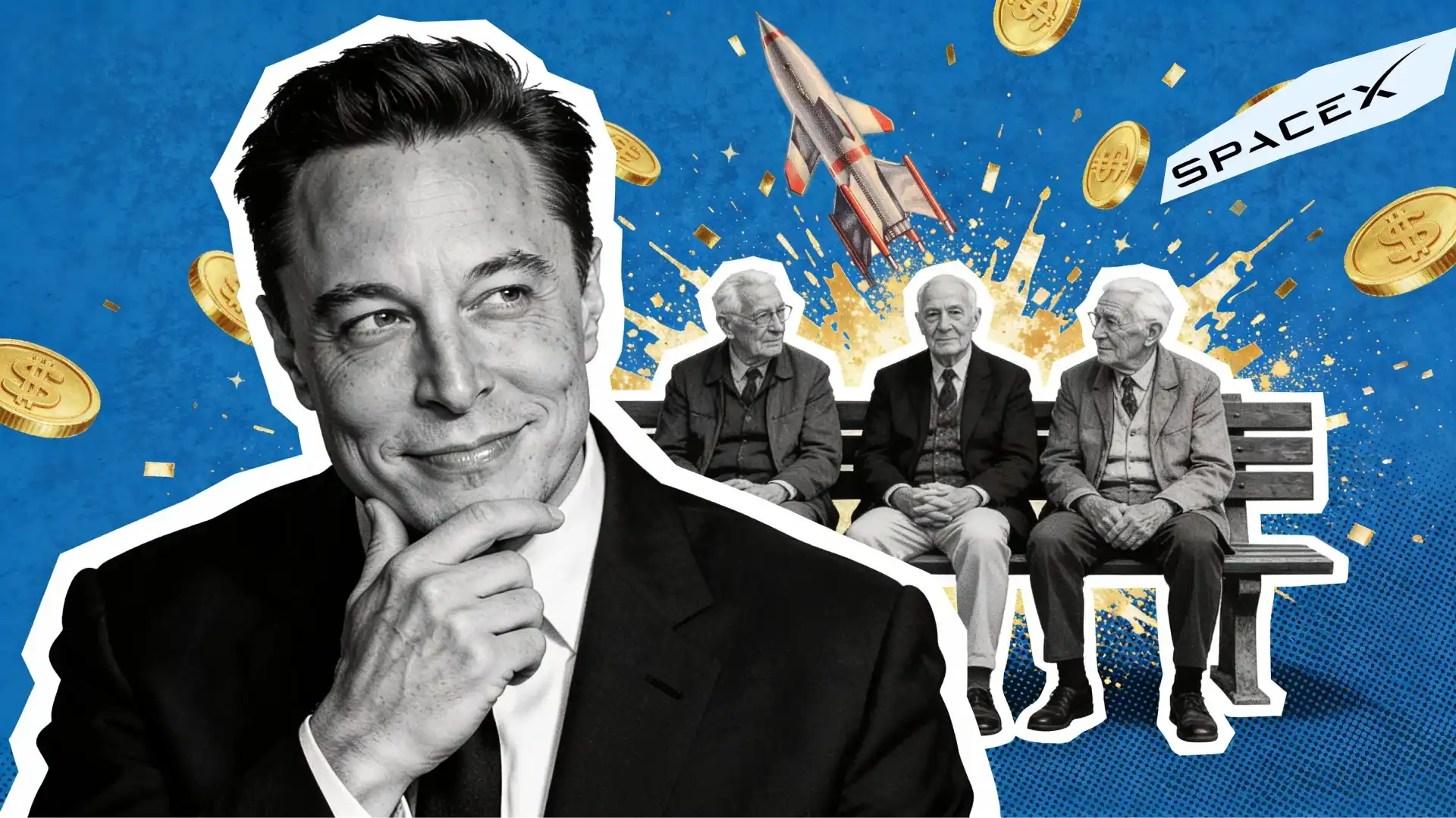
马斯克,正让美国退休老头老太太们“爆金币”。

史上最大IPO倒计时,早期盟友赚翻了

华尔街等SpaceX上市,已经等了很多年。

过去十年,这家公司从一家估值仅2700万美元的创业公司,一路成长为如今估值逼近1.75万亿至2万亿美元的超级独角兽,成为全球估值最高的私营企业之一。

如今,这场超级IPO终于最快将在6月12日正式挂牌。这不仅是人类史上规模最大的IPO事件,也意味着财富盛宴进入兑现时刻。马斯克的长期跟随者,终于等来了丰厚的回报。

比如,谷歌通过早期投资或成最大外部赢家。截至2025年底,其持有SpaceX约6.11%的股份。当年仅9亿美元的投资,如今对应价值已接近1200亿美元;Valor Equity Partners作为仅次于马斯克的重要股东,持有超过5亿股SpaceX A类股票,权益价值区间约在900亿至1400亿美元之间;Peter Thiel旗下Founders Fund通过多轮追加投资,持有约3.5%的股份,账面收益已超过600亿美元;富达作为2015年联合注资的主要机构之一,其持有的股份价值约350亿美元;即便入场相对较晚的红杉资本回报同样可观,预计获得超过200亿美元。

至于马斯克本人,也有望成为全球首位万亿美元富翁。

美国银行策略师Michael Hartnett在最新报告中警告,SpaceX和OpenAI等超级IPO一旦落地,科技股在股票基准指数中的权重将轻易突破约48%,超越1920年代"咆哮年代"、1970年代"漂亮50"、1980年代日本泡沫以及1990年代科网泡沫等历史上所有重大泡沫时期的市场集中度水平。

然而,如此庞大的估值,最终需要谁来接盘?

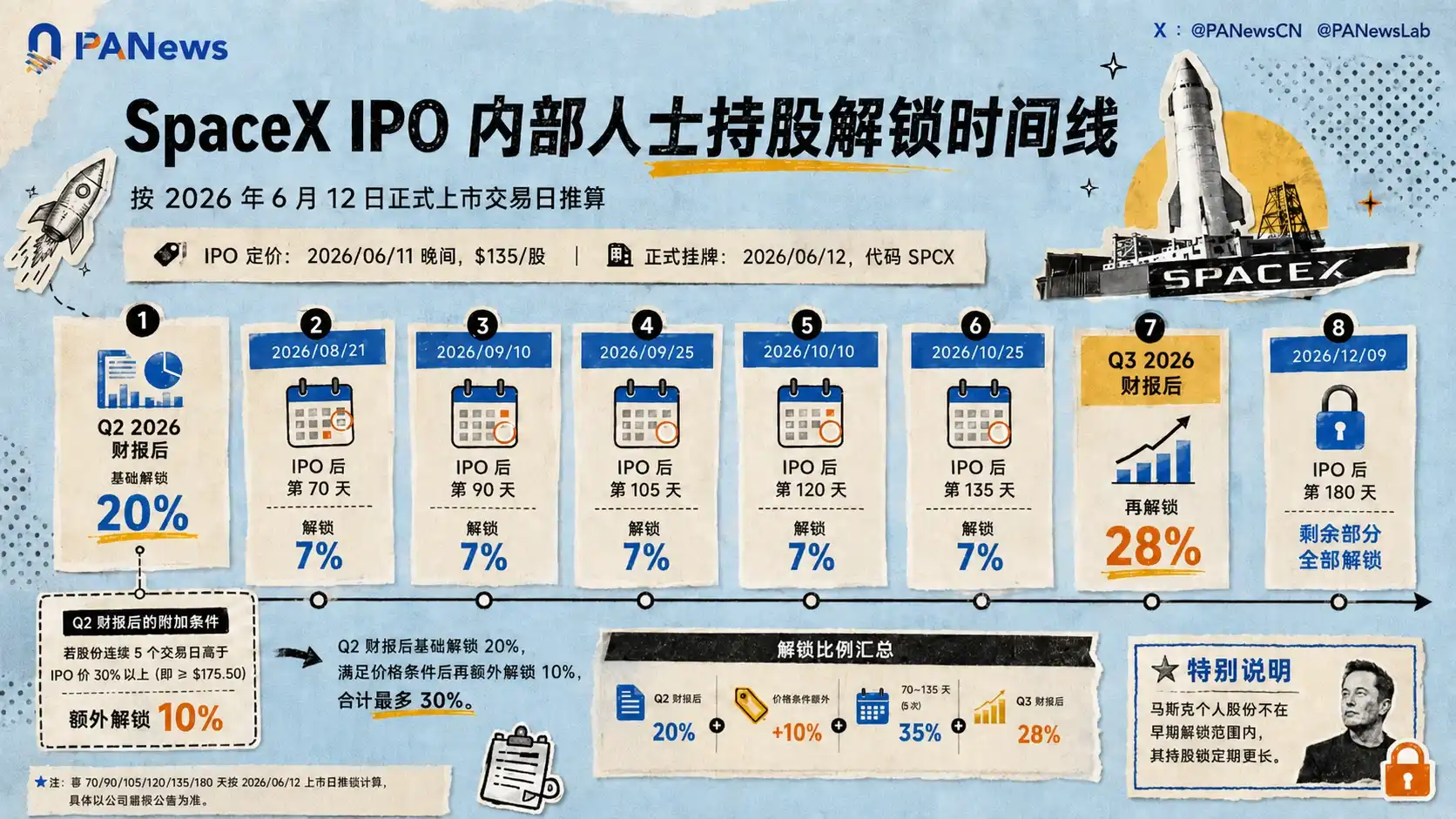
为了减少上市后的抛售压力、维持股价稳定,SpaceX也进行了一定调整。例如,内部人士股份将采用分阶段解锁机制,而非传统IPO常见的统一6个月锁定期;同时,公司还批准了普通股1拆5的拆股方案,以降低散户心理门槛、提升流动性。马斯克更是公开表示,自己不会出售任何SpaceX股份。

但市场的担忧并未因此消失。抛开火星宏大叙事的不确定性,单看财务数据,SpaceX依然是一家高速烧钱的公司。招股书显示,仅2026年第一季度,SpaceX净亏损就接近43亿美元,几乎相当于上一年度全年亏损水平。与此同时,马斯克掌控85%绝对投票权,这意味着董事会几乎不可能解雇他,外部股东也几乎无法推动任何重大商业决策。
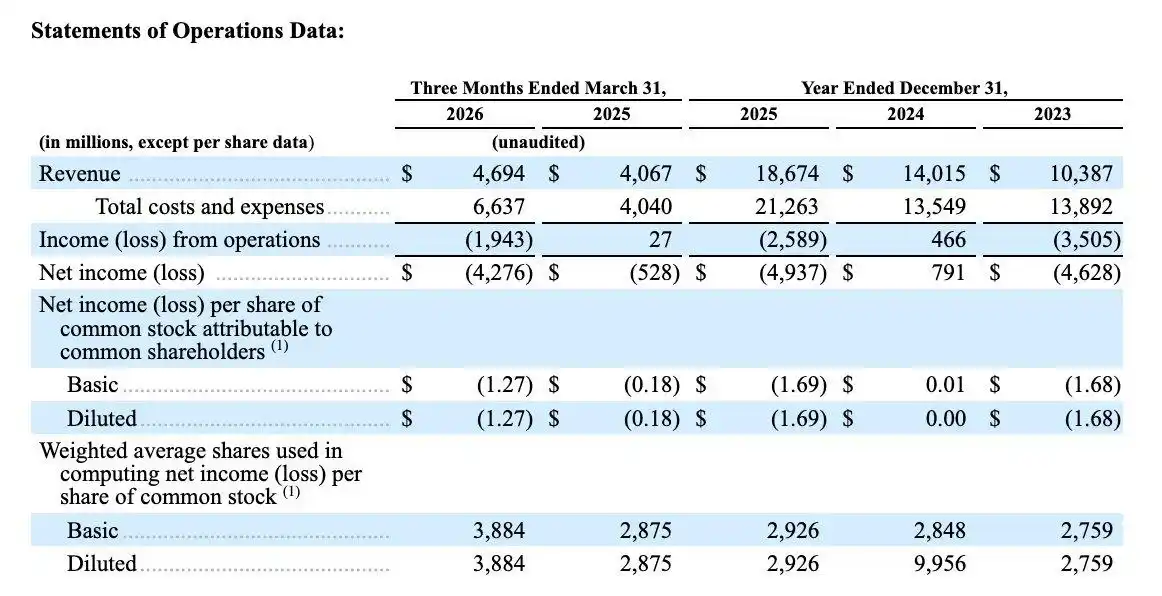
某种程度上,SpaceX算是一家高度马斯克化的公司,其估值、治理乃至未来预期,都与马斯克个人深度绑定。

当所有早期投资人都已经赚得盆满钵满之后,谁还愿意高位买入这张已经贵到离谱的太空船票?

华尔街铺设指数快车道,美国养老金成“接盘侠”

美国人的养老金 ,或将成为马斯克太空梦的潜在燃料。

华尔街,已经开始为超级IPO打开高速通道。今年5月1日,纳斯达克新规正式生效,新上市公司若市值排名进入纳斯达克100指数前40名,只需15个交易日即可被纳入指数,此前通常需要等待约3个月。

标普也在5月启动意见征询,拟将纳入所需的最短上市时间从12个月缩短至6个月,并考虑对超大型公司豁免盈利能力要求。富时罗素同样放宽限制,允许大型IPO在上市后第5个交易日即可快速评估纳入Russell U.S. Equity Indexes(包括Russell 1000、Top 200等),无需等待季度审核。

美国各大指数悄然放宽规则,无疑是为SpaceX铺设专属跑道。

据Business Insider披露,SpaceX上市后可能迅速进入主流指数及ETF,被动资金配置速度或远超以往大型IPO,比如Vanguard VTI与成长ETF VUG所对应的CRSP指数最快可能在SpaceX上市后5个交易日内纳入;QQQ所跟踪的纳斯达克100指数,最快可在SpaceX上市后15个交易日纳入;SPY所跟踪的标普500指数,则可能在规则修改后于2027年纳入SpaceX等。

美国退休体系中,大量401(k)、养老金以及长期储蓄账户,都采用被动指数投资策略。基金通常按照指数成分股及其市值权重自动配置资产。

这种策略起源于指数基金教父John Bogle于1976年推出的首只普通投资者指数基金,核心理念是“复制市场而非击败市场”。凭借极低的管理费用和高度分散化,它成为养老金和401(k)账户的首选配置方式。截至目前,美国退休资产总额已超过49万亿美元。
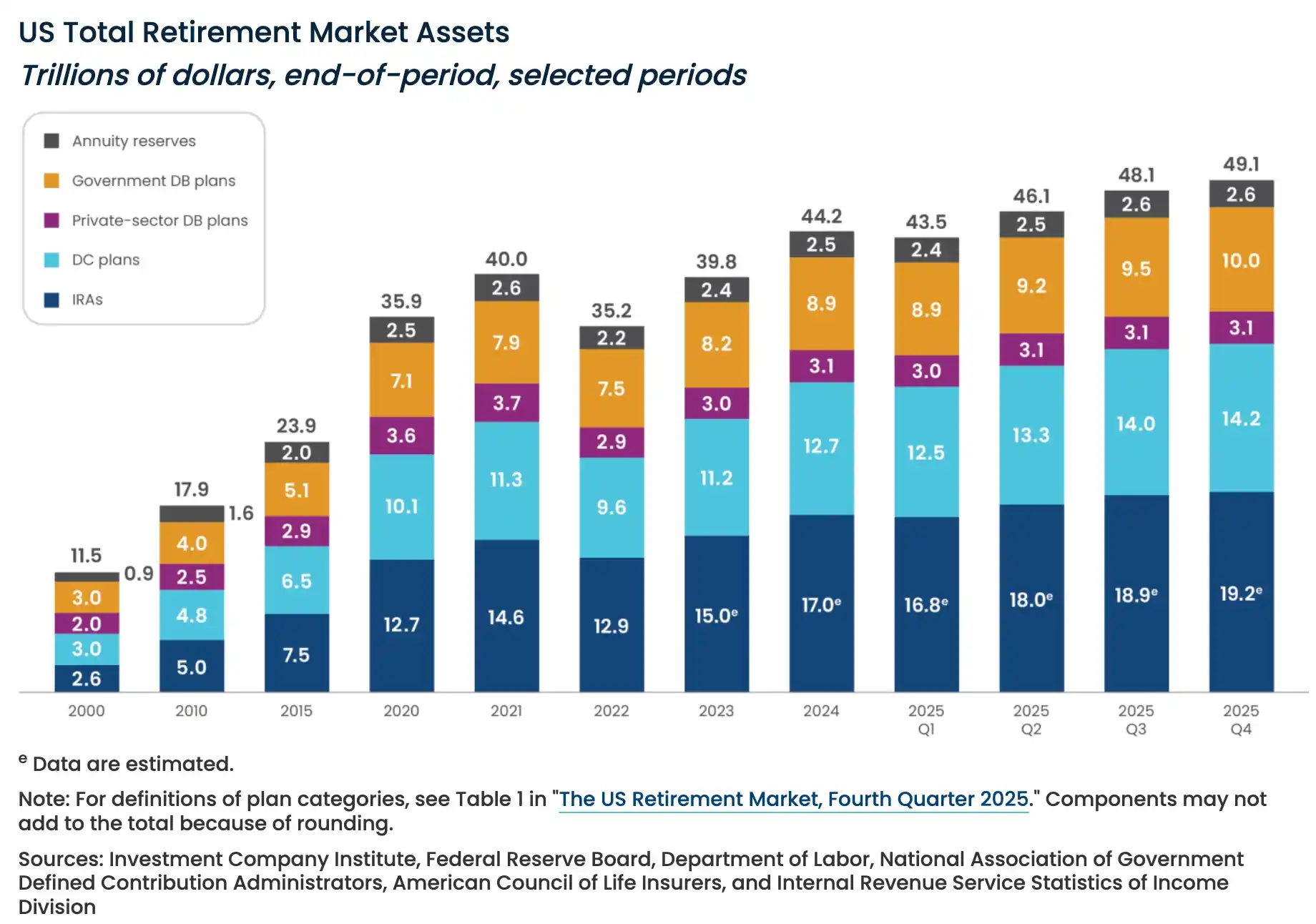
这意味着,一旦SpaceX被纳入指数,所有跟踪这些基准的基金不分析估值、不判断泡沫,甚至不关心公司是否盈利,按权重强制买入

然而,这场游戏已引发养老金系统的强烈不满。

不久前,美教师联合会致信SEC,敦促加强对SpaceX上市的审查,警告劳动者终身积蓄可能被一家更像马斯克家族企业而非透明上市公司所操控

同时,管理资产超1万亿美元的三大美国公共养老基金(CalPERS、纽约州和纽约市养老系统)也联名致信马斯克,强烈反对SpaceX的极端治理结构,包括超级投票权、对自身被免去CEO的一票否决权,以及拥有免受诉讼的权利。

他们指出,马斯克同时掌管SpaceX、Tesla、xAI、Neuralink等多家公司,精力分散风险巨大。信中要求SpaceX在未来七年内逐步转向一股一票、设立外部股东占多数的董事会、分离CEO与董事长职务,并取消马斯克的自我否决权。

这场华尔街为超级IPO定制的规则修改,最终将数千万美国人的退休储蓄与马斯克宏大的太空梦想紧密捆绑。在早期投资人坐享百倍回报之后,剩下的“接盘”成本,被转移到无力做出选择的被动投资者身上。

史上最大的”崩老头“游戏,正借指数之名,正式拉开帷幕。

Related Questions

QSpaceX上市后,哪些早期投资者可能获得巨大回报?

A谷歌是最大的外部赢家之一,其早期投资9亿美元,如今股份价值接近1200亿美元;Valor Equity Partners持有的股票价值约在900亿至1400亿美元之间;Peter Thiel的Founders Fund账面收益超过600亿美元;富达投资价值约350亿美元;红杉资本预计收益超过200亿美元。

Q马斯克个人在SpaceX上市后的财富状况可能会如何?

A随着SpaceX以天价估值上市,马斯克本人有望成为全球首位万亿美元富翁。

Q文章认为SpaceX巨大的估值最终需要谁来“接盘”?

A文章认为,通过华尔街指数规则调整,大量采用被动指数投资策略的美国养老金、401(k)等退休储蓄账户,将成为SpaceX高估值的主要“接盘者”,因为跟踪这些指数的基金将被迫按权重买入其股票。

Q华尔街为迎接SpaceX这类超级IPO做了哪些规则调整?

A纳斯达克新规允许市值排名进入前40的新上市公司,在15个交易日后即可被纳入纳斯达克100指数;标普考虑将最短上市时间从12个月缩短至6个月;富时罗素允许大型IPO在上市后第5个交易日即可评估纳入相关指数。

Q美国一些公共养老基金对SpaceX的治理结构提出了哪些主要反对意见?

A他们强烈反对SpaceX的极端治理结构,包括超级投票权、马斯克对自身被免去CEO的一票否决权以及免受诉讼的权利。他们要求SpaceX在未来七年内转向一股一票、设立外部股东占多数的董事会、分离CEO与董事长职务,并取消马斯克的自我否决权。

Related Reads

Morgan Stanley Digital Asset Head: Bitcoin Reaching $1M Would Not Be Surprising, But a Real Catalyst Might Require a Crisis That Shatters the Old System

Summary: In a podcast interview, Morgan Stanley's Head of Digital Asset Strategy, Amy Oldenburg, discusses Bitcoin's potential and institutional adoption. She argues Bitcoin's next major surge might require a catalyst—a crisis that shatters the traditional financial system, after which Bitcoin could emerge as the only intact asset. While she sees a $1 million price as possible within five years, she expects slower, more stable growth. Oldenburg traces Bitcoin's logic to her experience in emerging markets, where decentralized mobile money (like M-Pesa) provided critical financial security where traditional banks failed. She notes that early Bitcoin adopters often came from international finance, seeking alternatives to centralized systems. Regarding institutions, she explains that Morgan Stanley, as a bank holding company, faces stricter regulatory hurdles than pure asset managers like BlackRock. While client demand drove their Bitcoin ETP launch (MSBT), which set a firm record, most financial advisors remain hesitant due to Bitcoin's recent price stagnation and volatility. She identifies an education gap as a major barrier, with many advisors and clients not understanding the differences between various crypto assets or between holding spot Bitcoin versus an ETP. Oldenburg also discusses the tension between Bitcoin's cypherpunk, self-custody ethos and the convenience of centralized financial products, acknowledging the value of both approaches. She concludes that the digital asset space is still in its early stages, with a long journey ahead involving more complex products and technologies.

marsbit3m ago

Morgan Stanley Digital Asset Head: Bitcoin Reaching $1M Would Not Be Surprising, But a Real Catalyst Might Require a Crisis That Shatters the Old System

marsbit3m ago

Cursor: Why Did It Board Elon Musk's Rocket?

SpaceX announced its first major acquisition after its historic IPO: a $60 billion all-stock deal to acquire AI programming startup Cursor (parent company Anysphere). Cursor is a popular AI coding assistant that allows developers to switch between models from OpenAI, Anthropic, Google, and others. Founded in 2022 by MIT graduates including CEO Michael Truell, Cursor saw explosive revenue growth, reaching a $4 billion annualized run rate by early 2026. However, its market share had declined as key supplier Anthropic launched its own competing product, Claude Code. Facing dependency risks, Cursor decided to build its own AI model, Composer, but lacked the necessary computing power. In April 2026, Cursor and SpaceX revealed a partnership and an option agreement: SpaceX could acquire Cursor for $60 billion post-IPO, or pay a breakup fee and provide substantial computing resources. After SpaceX's successful IPO, it exercised the option. The deal gives Cursor access to SpaceX's massive "Colossus" supercomputer, while SpaceX gains Cursor's strong foothold among elite software engineers to boost its AI capabilities, as Musk's xAI model Grok lags in programming. The acquisition aligns with SpaceX's broader AI and orbital data center ambitions, as Musk targets $1 trillion in revenue by 2030. For Truell, who once aimed to build an enduring independent company, joining SpaceX represents a monumental bet on an unprecedented scale.

marsbit4m ago

Cursor: Why Did It Board Elon Musk's Rocket?

marsbit4m ago

Wintermute Market Weekly: Iran War Ends, Inflation Meets Expectations, BTC Rebounds to Lower 60ks But Don’t Rush to Buy the Dip

**Wintermute Market Weekly: BTC Rebounds to $60K Lows, But Caution Advised** This week saw a broad market rebound, primarily driven by two converging factors: a US CPI inflation reading that met expectations (4.2% YoY) and former President Trump's announcement of a deal to end the Iran conflict. The latter triggered a sharp drop in oil prices, reducing geopolitical risk premiums and easing inflation fears. Consequently, risk assets like equities and cryptocurrencies rallied, with Bitcoin recovering from lows around $60,000 to close the week up 1.9%, while altcoins gained 3.1%. Despite the price bounce, the underlying liquidity picture for crypto remains weak. Key funding channels—stablecoin flows, ETF inflows, and Digital Asset Treasury (DAT) activity—show no signs of structural improvement. ETF outflows recently hit a record streak, and DAT assets have declined significantly. The rally from $60K to $83K earlier is now viewed as a bear-market rally that has failed. The current environment is characterized by low directional conviction and choppy, range-bound trading, likely persisting into summer. The report advises caution against aggressively buying the dip. While the $60K area offers attractive long-term risk/reward, a sustained bull run requires a visible turnaround in capital inflows, which hasn't materialized. The upcoming FOMC meeting and Powell's commentary, alongside the formal Iran deal signing, are noted as near-term catalysts. The core takeaway is to watch fund flows rather than price action and avoid being whipsawed by volatility before clear signs of institutional or retail capital returning emerge.

marsbit18m ago

Wintermute Market Weekly: Iran War Ends, Inflation Meets Expectations, BTC Rebounds to Lower 60ks But Don’t Rush to Buy the Dip

marsbit18m ago

Trading

Spot
Futures

Hot Articles

Discussions

Welcome to the HTX Community. Here, you can stay informed about the latest platform developments and gain access to professional market insights. Users' opinions on the price of S (S) are presented below.

活动图片