Por qué Ripple (XRP) y Stellar (XLM) son el futuro de las finanzas

bitcoinistPublished on 2026-03-24Last updated on 2026-03-24

Abstract

El futuro de las finzas está evolucionando, y Ripple (XRP) y Stellar (XLM) se perfilan como actores clave. Estas redes blockchain ofrecen una infraestructura más rápida, eficiente y accesible que los sistemas tradicionales, con capacidad para procesar transacciones en segundos y facilitar pagos transfronterizos. Ripple, con más de 350 instituciones socias, permite liquidaciones rápidas a través de su plataforma On-Demand Liquidity. Stellar se enfoca en la inclusión financiera, permitiendo micropagos y transferencias internacionales a bajo costo. Ambas redes impulsan la tokenización de activos y trasladan el control de las finanzas de instituciones centralizadas a protocolos descentralizados, sentando las bases de un sistema financiero más transparente y programable.

El futuro de las finanzas está evolucionando silenciosamente, y los actores clave no son los bancos tradicionales ni los sistemas fiduciarios; son redes blockchain como Ripple (XRP) y Stellar (XLM). Estas criptomonedas podrían ser la infraestructura que impulse la próxima generación de finanzas. Estas redes son más rápidas, eficientes y accesibles que los sistemas tradicionales, y están sentando las bases para un futuro donde los activos tokenizados y las liquidaciones digitales dominan.

Cómo Ripple (XRP) y Stellar (XLM) están construyendo el futuro

En una reciente publicación de X, Versan Aljarrah, fundador de Black Swan Capitalist, enfatiza que la evolución de las finanzas es deliberada, estructurada y a largo plazo. Si bien los titulares a menudo se centran en desarrollos regulatorios, la verdadera transformación está ocurriendo a través de redes que mueven y liquidan valor de manera eficiente. Ripple y Stellar están en el centro de este cambio, con una creciente adopción por parte de bancos, empresas fintech y proveedores de pagos globales que demuestran su capacidad para remodelar los flujos financieros internacionales.

El Libro Mayor de Ripple (XRP Ledger) procesa más de 1,500 transacciones por segundo, liquidando pagos en solo 3-5 segundos, mucho más rápido que los bancos tradicionales, que pueden tardar días en transferencias transfronterizas. Ripple se ha asociado con más de 350 instituciones financieras a nivel mundial y facilita cientos de millones de dólares en pagos transfronterizos diarios a través de su plataforma On-Demand Liquidity (ODL). Sus asociaciones abarcan bancos importantes y servicios de remesas, demostrando la utilidad e influencia de XRP en el mundo real dentro de las finanzas globales.

Stellar (XLM) se centra en la inclusión financiera, permitiendo micropagos de bajo costo y transferencias transfronterizas. Su blockchain ha sido utilizada en colaboraciones con IBM para crear soluciones de pago basadas en blockchain para bancos y servicios de remesas, llegando a miles de usuarios desatendidos en todo el mundo. Stellar también admite monedas fiduciarias tokenizadas y otros activos, permitiendo transacciones más rápidas y programables. Juntos, Ripple y Stellar proporcionan la infraestructura para un sistema financiero más rápido, transparente y accesible que las redes bancarias tradicionales.

Tokenización y propiedad del protocolo: La verdadera fuente del poder financiero

El aspecto más transformador de Ripple y Stellar es su papel en la tokenización y la propiedad del protocolo. A medida que los activos, incluidas las monedas, las acciones y las materias primas, se trasladan a estas redes, el control pasa de las instituciones centralizadas a los propios protocolos. Ripple y Stellar proporcionan la columna vertebral para la liquidación, la liquidez y la transferencia de valor transfronteriza, posicionándolos en el núcleo de las finanzas modernas.

Ripple permite pagos automáticos y el movimiento fácil de dinero a través de sistemas globales. Stellar permite que las monedas fiduciarias y otros activos se conviertan en tokens digitales, haciendo que los pequeños pagos y las transferencias internacionales sean más rápidos y baratos. Al utilizar estas redes, los inversores y las instituciones pueden acceder al núcleo de las finanzas modernas, donde el valor y la influencia están integrados en el propio sistema.

En resumen, Ripple (XRP) y Stellar (XLM) son la base del sistema financiero del mañana. A través de una adopción generalizada, casos de uso del mundo real e infraestructura escalable, estas redes demuestran que el futuro del dinero reside en protocolos descentralizados y programables. Aquellos que comprenden y se involucran con estos sistemas se posicionan en el centro de la era financiera emergente, donde el control, la eficiencia y el acceso están definidos por las propias redes.

El precio continúa con dificultades | Fuente: XRPUSDT en Tradingview.com

Trending Cryptos

Related Questions

Q¿Por qué se considera que Ripple (XRP) y Stellar (XLM) son el futuro de las finanzas?

APorque son redes blockchain más rápidas, eficientes y accesibles que los sistemas tradicionales, y están sentando las bases para un futuro dominado por activos tokenizados y liquidaciones digitales.

Q¿Qué ventajas ofrece Ripple (XRP) en comparación con la banca tradicional?

ARipple procesa más de 1.500 transacciones por segundo con liquidaciones en 3-5 segundos, mucho más rápido que los bancos tradicionales que pueden tardar días en transferencias transfronterizas.

Q¿En qué se centra Stellar (XLM) y qué aplicaciones tiene?

AStellar se centra en la inclusión financiera, permitiendo micropagos de bajo coste y transferencias transfronterizas, además de soportar monedas fiduciarias tokenizadas y otros activos.

Q¿Qué papel juegan Ripple y Stellar en la tokenización?

AProporcionan la columna vertebral para la liquidación, liquidez y transferencia de valor transfronterizo, desplazando el control de instituciones centralizadas a los protocolos descentralizados.

Q¿Qué demuestran Ripple y Stellar sobre el futuro del dinero?

ADemuestran que el futuro del dinero reside en protocolos descentralizados y programables, con mayor eficiencia, transparencia y acceso que las redes bancarias tradicionales.

Related Reads

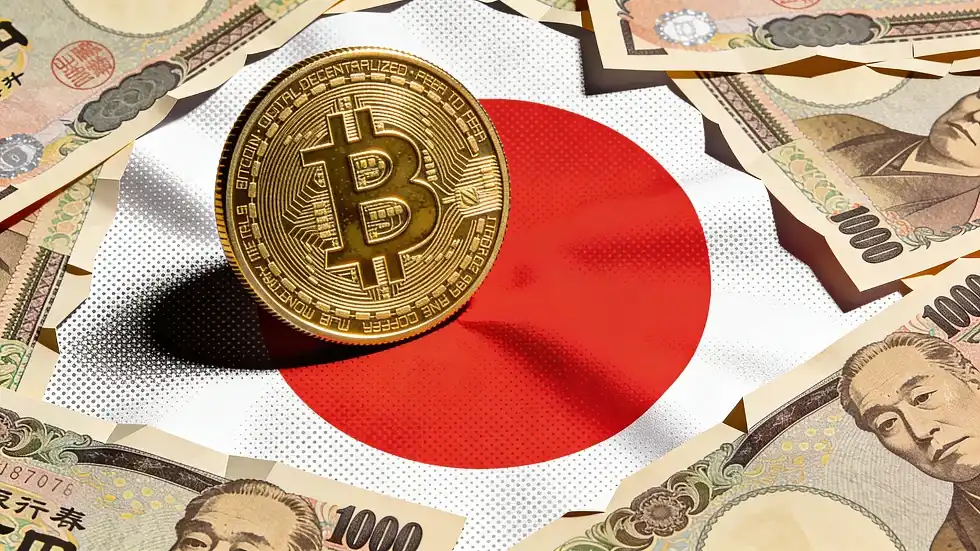
Why Is the World Nervous About Japan Raising Interest Rates?

In June 2026, the Bank of Japan raised its policy rate to 1%, marking its first hike to this level since 1995. While this rate remains low compared to global peers like the US and Europe, the move signals a profound shift for a nation that has been a global source of ultra-cheap funding for decades. Japan's long-standing near-zero or negative interest rates had facilitated massive "yen carry trades," where international investors borrowed low-cost yen to invest in higher-yielding assets worldwide, such as US tech stocks and emerging market bonds. This made Japan a critical, often overlooked, source of global liquidity. Japan's ultra-loose policy stemmed from structural challenges post-1990s asset bubble: aging demographics, chronic low inflation/deflation, and high public debt. Recent shifts, including sustained wage growth (exceeding 5% in recent years) and inflation consistently above the 2% target, have created a "wage-price spiral" possibility, prompting the policy normalization. The global market's concern lies not in the absolute rate but in the potential unwinding of the yen carry trade. As Japanese borrowing costs rise, the economics of these leveraged global investments change, potentially triggering deleveraging and capital outflows from risk assets. Market anxiety focuses on the end of a thirty-year consensus that Japan would perpetually provide cheap funding. Ultimately, the global impact will depend on the interplay with US monetary policy. While Japan is tightening, the significant interest rate differential with the US remains. The key future dynamic is whether simultaneous Japanese hikes and eventual US rate cuts will narrow this gap, forcing a major recalibration of global capital flows and asset pricing built on an era of abundant, cheap yen liquidity.

marsbit3h ago

Why Is the World Nervous About Japan Raising Interest Rates?

marsbit3h ago

Research Report Analysis: MRVL's Optical AI Booming, Why High Valuation Keeps Morgan Stanley's Star Analyst Sidelined?

Report Recap: MRVL Optical AI Boom - Why High Valuation Led Morgan Stanley's Star Analyst to Stay Neutral? Morgan Stanley analyst Joseph Moore maintained an "Equal-weight" (Neutral) rating on Marvell Technology (MRVL) on May 28, raising the price target from $172 to $195, below the trading price. This stance comes despite Marvell reporting a record quarter and significantly raising its full-year outlook (FY27 revenue ~$11.5B, up ~40%). Moore's neutral view is based on valuation. The $195 target implies ~40x CY2027 P/E. He contrasts MRVL with NVDA: both trade near ~$200, but Nvidia's forward EPS is more than double Marvell's. For MRVL's valuation to hold, it needs consistent earnings upgrades, proof of networking market share gains, or certainty on large-scale custom AI chip shipments—none of which are confirmed yet. Growth is driven by two pillars: **1) Optical Interconnect** (the faster runner): Moore raised FY27 growth expectations to >70%, with the optical module product line nearing a $1B annualized run rate. **2) Custom AI Chips** (the climber): Confidence in FY28 is growing, but a major new customer project only ramps in FY28, with no current revenue visibility. Key risks are the underperforming Storage, Enterprise, and legacy Networking segments. Moore acknowledges the real AI opportunity but believes the current price already reflects it. For the stock to work from here, investors need to see the optical business hit its targets, custom chips ramp as planned, and a recovery in the weaker business units.

marsbit4h ago

Research Report Analysis: MRVL's Optical AI Booming, Why High Valuation Keeps Morgan Stanley's Star Analyst Sidelined?

marsbit4h ago

Trading

Spot
Futures

Hot Articles

What is XRP 2.0

XRP 2.0: A New Frontier in the Cryptocurrency Landscape Introduction to XRP 2.0 In the ever-evolving realm of cryptocurrency, new projects continuously emerge, vying for attention and adoption. One such promising initiative is XRP 2.0, a novel cryptocurrency project designed to leverage advanced blockchain technology and robust encryption methodologies. While the name draws parallels with Ripple’s XRP, it’s crucial to note that XRP 2.0 operates independently, focusing on enhancing transaction security, privacy, and scalability. As the digital financial landscape increasingly embraces decentralized solutions, XRP 2.0 aims to contribute meaningfully to web3 and the overall expansion of crypto projects. What is XRP 2.0? At its core, XRP 2.0 is a cryptocurrency project that aims to create a secure and decentralized digital currency ecosystem. Its foundational technology integrates sophisticated blockchain principles with cutting-edge encryption techniques. The overarching goal of XRP 2.0 is to establish itself as a reliable and efficient platform enabling swift transaction execution while prioritizing enhanced privacy protections for its users. The project is promoted as a solution to many limitations faced by existing cryptocurrencies, proposing a system that can handle a higher volume of transactions with improved speed and privacy. This versatility positions XRP 2.0 as a significant contender in a marketplace riddled with various digital currencies. Who is the Creator of XRP 2.0? The identity of the creator behind XRP 2.0 has been flagged as ‘Wilbur.’ However, comprehensive details regarding Wilbur or their associated entity remain elusive. The anonymity of many cryptocurrency creators is not an uncommon phenomenon in the industry, often designed to maintain a degree of privacy and security. Who are the Investors of XRP 2.0? As of now, specific information related to the investment foundations or organizations supporting XRP 2.0 is not publicly available. In the cryptocurrency sector, the backing by reputed investors can significantly influence a project's credibility and success, yet the transparency regarding the financial supporters of XRP 2.0 has not been established. How Does XRP 2.0 Work? XRP 2.0 stands out by employing a combination of blockchain technology and advanced encryption algorithms that ensures secure and decentralized transactions. Its innovative structure includes unique features designed to foster user engagement and broaden functionalities beyond conventional cryptocurrency transactions. Among these features, XRP 2.0 incorporates AI-powered capabilities, such as text-to-image and text-to-speech functionalities. These additions are designed to enhance the interactive experience for users, promoting broader applicability across various sectors. By bridging technological advancements with user-centered design, XRP 2.0 aims to capture the attention of a diverse range of individuals and enterprises looking to integrate cryptocurrency solutions into their operational frameworks. Timeline of XRP 2.0 Understanding XRP 2.0 requires examining the milestones that have defined its journey thus far: July 23, 2023: XRP 2.0 is introduced as a novel cryptocurrency project, aiming to revolutionize secure and decentralized transaction capabilities in the blockchain domain. September 8, 2023: The launching of another project, XRP20, occurs, marking the emergence of an ERC-20 token on the Ethereum blockchain that remains unrelated to XRP 2.0. November 13, 2023: The XRP Ledger undergoes a significant update with the release of rippled server software version 2.0.0. It is essential to note that this development is disconnected from the XRP 2.0 cryptocurrency project. Key Points About XRP 2.0 To distill the essence of XRP 2.0, several critical factors emerge: Unique Features: The inclusion of features like AI-powered text-to-image and text-to-speech further diversifies the potential applications of XRP 2.0. Blockchain Technology: The framework utilizes advanced blockchain mechanisms and encryption protocols, ensuring a secure and decentralized environment for transactions. Scalability and Privacy: XRP 2.0 prioritizes enhanced privacy protections in transaction processes and the scalability necessary to accommodate a growing user base. No Affiliation with Ripple: Importantly, despite its name, XRP 2.0 does not have any allegiance or collaboration with Ripple’s XRP, distinguishing its operational framework and objectives within the cryptocurrency ecosystem. Conclusion XRP 2.0 represents an ambitious venture into the cryptocurrency sphere, aiming to offer a combination of security, privacy, and efficiency in digital transactions. By integrating sophisticated technologies and user-friendly features, the project sets out to broaden the horizons of what cryptocurrency can achieve in today's digital economy. While the anonymity of its creator and lack of disclosed investors might raise questions for some, XRP 2.0's focus on advanced functionalities and decentralisation enhances its appeal amidst an increasingly crowded crypto market. As the cryptocurrency landscape continues to evolve, XRP 2.0 may yet emerge as a pivotal player in the expansion of secure and scalable blockchain solutions.

959 Total ViewsPublished 2024.04.01Updated 2024.12.03

What is XRP 2.0

Discussions

Welcome to the HTX Community. Here, you can stay informed about the latest platform developments and gain access to professional market insights. Users' opinions on the price of XRP (XRP) are presented below.

活动图片