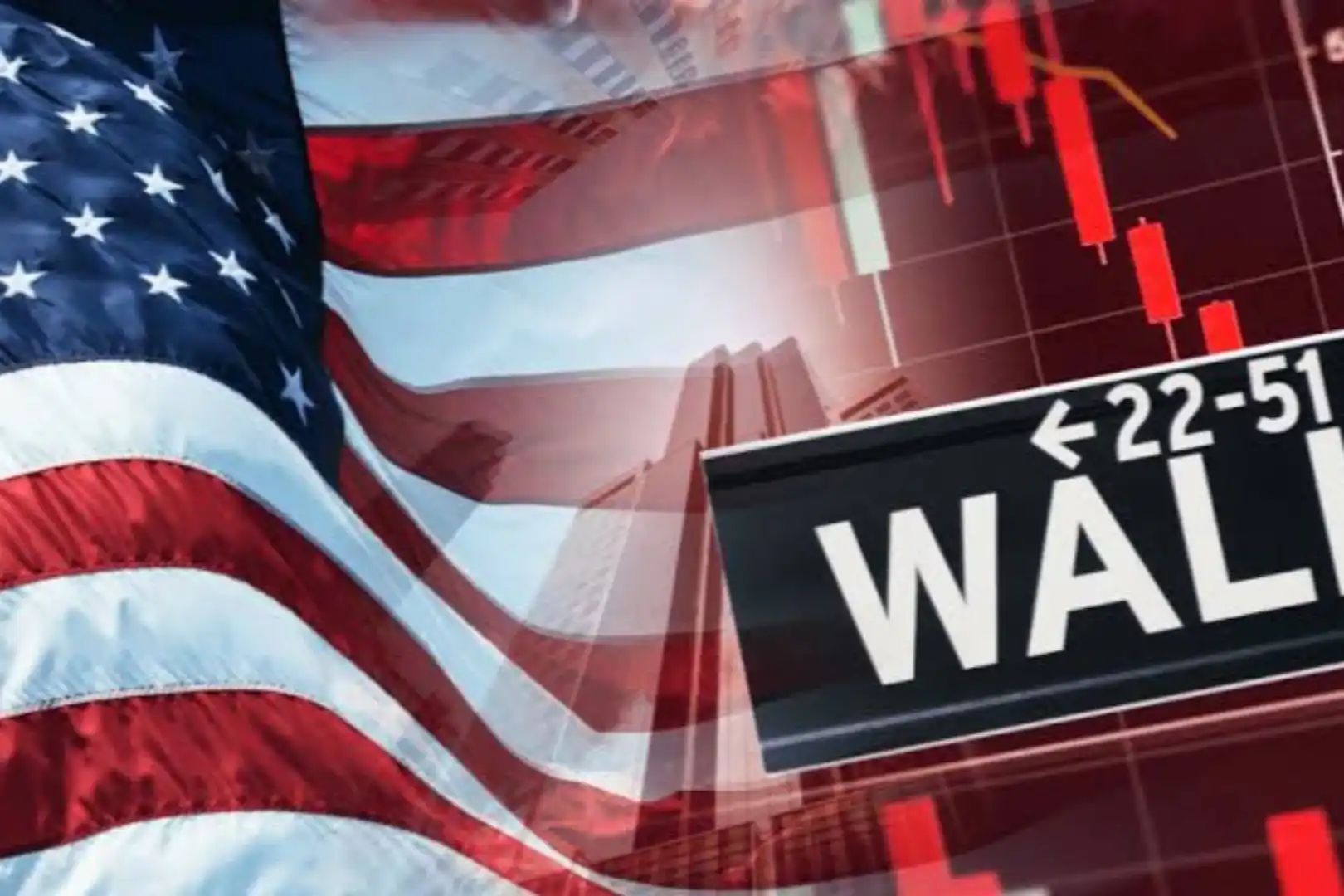
Global Exchanges Warn Tokenised Stocks Could Threaten Market Trust

TheCryptoTimesPublished on 2025-08-25Last updated on 2025-08-25

Global stock markets face new pressure as the World Federation of Exchanges (WFE) warns regulators to act fast against tokenised stocks. The UK-based group, representing the world’s largest exchanges, raised alarms in a letter to the SEC, ESMA, and IOSCO. 

The issue comes as major crypto platforms push deeper into tokenised equity products. Robinhood recently launched tokenised stocks in Europe, while Coinbase is seeking U.S. approval. 

Proponents claim that these tokens facilitate 24/7 trading, reduce costs, and expedite settlement. However, the WFE believes such benefits come with serious risks. Besides, the group fears reputational damage for issuers if the tokens fail.

Concerns Over Market Integrity

The WFE stressed that these products mislead investors by being marketed as “equivalent to stocks” when they are not. “We are alarmed at the plethora of brokers and crypto-trading platforms offering or intending to offer so-called tokenised U.S. stocks,” the letter stated. 

Consequently, the WFE wants regulators to clarify ownership rights, custody responsibilities, and enforce securities rules.

WFE CEO Nandini Sukumar explained the industry’s stance, noting that share issuers themselves have raised red flags. Moreover, some companies expressed concern to their exchanges about the reputational risks of tokenised versions of their stock. 

Hence, the group believes investor protection must be prioritized before the market expands further.

Regulatory Pushback Builds

Regulators have already issued warnings. According to a recent statement by SEC Commissioner Hester Peirce, tokenized securities are subject to securities regulations. The SEC’s Crypto Task Force has also been keeping an eye on these offerings.

After Robinhood incorporated tokens attached to its shares into the European launch, OpenAI parted ways with them. Besides, regulators in the US and Europe are now having to face increasing demands to find a balance between safety and innovation.

Lowering the costs and making fractional investing easier can make tokenized stocks the next evolution in trading. But with unregulated trading, investors stand to be cheated, if not outright confused.

Tokenised equities promise innovation, but regulators now face the urgent task of ensuring investor protection and market integrity.

Also Read: LayerZero Secures Stargate in $110M Deal After Intense Bidding War


Related Reads

Lightning Fast Five-Whip Combo! Strategy's Self-Rescue Plan Officially Released

Strategy, amidst the STRC de-pegging crisis, has unveiled its "Digital Credit Capital Framework" self-rescue plan. The five-part framework includes: 1) **Cash Reserves**: Management of ~$2.55B in USD reserves, dedicated solely to covering ~17.4 months of preferred stock dividends and debt interest, with a 12-month minimum coverage floor. 2) **Dividend Policy**: STRC's dividend yield rises to 12% from July 1st, with monthly reviews. Strategy clarifies de-pegging does not automatically trigger further hikes. 3) **Preferred Stock Buyback**: A $1B authorization, prioritizing STRC repurchases to support its price, reduce future dividend obligations, and signal commitment, using funds separate from dividend reserves. 4) **Common Stock Buyback**: A separate $1B authorization for MSTR stock, aimed at creating shareholder value when the stock is deemed undervalued, establishing a two-way capital management mechanism. 5) **Bitcoin Monetization**: Formal authorization to sell BTC (up to $1.25B earmarked) to build USD reserves, cover dividends/interest, or fund buybacks, marking a strategic shift where BTC becomes a managed asset rather than a strictly "hold-only" reserve. Market reaction saw MSTR and STRC shares rise pre-market, while BTC remained stable. The plan aims to restore confidence in STRC, ensure dividend sustainability, and reopen Strategy's funding channels.

Odaily星球日报41m ago

Lightning Fast Five-Whip Combo! Strategy's Self-Rescue Plan Officially Released

Odaily星球日报41m ago

The Sword of Damocles Over the AI Bull Market: Not Just in South Korea, Leverage in U.S. Stocks Is Equally Staggering

Global equity markets are hitting new highs driven by the AI boom, but the fuel behind this rally is becoming increasingly dangerous. From the US to South Korea, margin debt and leveraged ETF assets have soared to historical extremes, with their pro-cyclical nature amplifying tail risks in market volatility. In the US, margin debt rose 54% year-over-year in May, reaching a record $1.4 trillion. Simultaneously, leveraged ETF assets nearly doubled in under 70 days to over $220 billion by early June, with intense focus on tech, semiconductor indices, and single stocks like NVIDIA and Tesla. A warning sign appeared in South Korea, where the KOSPI index experienced extreme volatility, plunging 10% to trigger a circuit breaker, then sharply rebounding before halting again, partly driven by concentrated, highly leveraged positions in chip stocks. Analysts are raising alarms. Barclays warns that leveraged funds have accumulated roughly $300 billion in equity-linked derivatives since late March, creating a major source of non-discretionary risk. Morgan Stanley notes an unprecedented reliance on leveraged financing by marginal buyers, with financing becoming more expensive and scarce. Charles Schwab has tightened margin requirements. The core risk lies in the mechanics: leveraged ETFs and derivatives can create a "tail wags the dog" effect, where fund flows force market makers to buy underlying stocks, amplifying gains. This process reverses in a downturn, triggering a self-reinforcing selling spiral as funds deleverage. Additionally, the cost of borrowing to buy stocks has spiked to multi-year highs. Morgan Stanley warns this sets up a nonlinear risk: high financing costs stall momentum, a price decline triggers forced deleveraging, and selling pressure is multiplied by leverage, potentially leading to outsized declines. The current market breadth is narrow, with gains heavily concentrated in tech, making the rally vulnerable to a pullback in leveraged positions. In summary, the AI-fueled bull market is increasingly propped up by record leverage. When this trend reverses, the deleveraging process could magnify losses, posing a significant threat to financial stability.

marsbit51m ago

The Sword of Damocles Over the AI Bull Market: Not Just in South Korea, Leverage in U.S. Stocks Is Equally Staggering

marsbit51m ago

Strategy Launches 'Digital Credit Capital Framework': Authorizes Sale of $12 Billion in Bitcoin, Ending the 'Never Sell' Script

Strategic, the world’s largest corporate holder of Bitcoin (formerly MicroStrategy), has dramatically shifted its long-standing “never sell Bitcoin” strategy by announcing a new “Digital Credit Capital Framework” on June 29. This plan authorizes the sale of up to $1.25 billion worth of Bitcoin to raise cash, establishes a $2.55 billion USD reserve, increases the dividend rate on its STRG preferred shares to 12%, and authorizes up to $1 billion each for repurchases of its own digital credit securities and Class A common stock. This pivot comes amid severe financial pressure. The company’s STRG preferred shares are trading at a ~24% discount to their $100 face value, making new issuances difficult and stalling its buy-Bitcoin funding flywheel. Its annualized dividend obligation has surged to ~$1.2 billion. Meanwhile, its MSTR stock has plummeted 36% in eight days, erasing its traditional premium over its Bitcoin holdings per share. In recent weeks, Strategic has already shifted focus from accumulating Bitcoin to bolstering cash reserves by selling its own MSTR shares. The new framework formalizes this defensive turn, aiming to ensure liquidity, cover dividends, and support its securities prices through buybacks. However, the move risks triggering a “death spiral” if Bitcoin sales pressure the market, further devaluing the company’s core asset. The company also faces a potential securities investigation and carries significant debt, with Bitcoin’s current price below its average acquisition cost.

marsbit57m ago

Strategy Launches 'Digital Credit Capital Framework': Authorizes Sale of $12 Billion in Bitcoin, Ending the 'Never Sell' Script

marsbit57m ago

Trading

Spot
活动图片