7100万美元治理改革实验,Cardano第二次定义自我

Odaily星球日报Pubblicato 2025-08-08Pubblicato ultima volta 2025-08-08

原创 | Odaily 星球日报(@OdailyChina

作者 | Ethan(@ethanzhang_web 3

8 月 4 日,在一场并不喧哗却格外重要的链上投票中,Cardano 社区通过了名为“IOE 路线图”的核心提案:将动用高达96,817,080 枚 ADA(按当时市价约合7100 万美元)的财库资金,用于资助 Cardano 核心协议的技术升级。此次提案的最终支持率为74.01%,这意味着,在一个以治理缓慢著称的公链体系中,Charles Hoskinson 发起的一项激进改革计划,获得了超出预期的支持。

根据提案文件,拨款将主要用于三个方面:可扩展性改进开发者体验优化以及跨链互操作性的升级。背后目标很明确:为 Cardano 铺设通往“Voltaire 时代”最后阶段的技术跑道。换句话说,这是一场围绕“链上治理、DeFi 生态和基础协议迭代”展开的全局性战役。

这不是一笔小数目。放在 DeFi 项目中,它足以支撑一个完整 Layer 1 的一年开发预算;放在 Cardano 自身语境里,它甚至是迄今为止最重要的一笔协议层资金调配。尤其值得注意的是:这并非由基金会、IOG 或 EMURGO 三大实体直接拨付,而是通过链上社区提案发起、治理机制投票通过——这标志着 Cardano 正在以行动走向它长期宣称的去中心化目标。

但围绕这场拨款投票的,不只是共识,还有不少疑问。为什么要在市场注意力不在其身时花出这笔钱?谁来监督这笔资金的使用?拨款本身是否会引发 ADA 的流动性变动?而所有问题,指向那个熟悉的名字:Charles Hoskinson(Cardano 创始人)。

从 2023 年起,Hoskinson 的行事风格似乎发生了某种根本性的转向:从“哲学化的技术理想主义者”变成了一个“主动推动治理改革的实用主义者”。而这笔 7100 万美元的拨款,也许正是其身份转型的注脚。

这一切,是偶然的路径依赖,还是早有铺垫?我们先回到提案发起的起点。

提案回溯:从批评以太坊到自建治理之路

如果说以太坊定义了“智能合约的通用计算逻辑”,那么 Cardano 的 ambition,从一开始就不止于代码层的“智能”。在 Hoskinson 的长期表述中,Cardano 承载的是一种更完整的“制度实验”——它不只是去中心化的执行工具,更是一套能自我更新、自我管理的链上公共治理系统。而为了这个目标,他押上的,是一次次从零搭建“制度组件”的耐心,以及对“慢就是快”的执拗信仰。

拨款提案的通过并非突发之举,而是 Cardano 一整套治理推进路径的自然延伸。早在 2024 年 4 月,Cardano 就正式公布了名为Chang的硬分叉升级计划,分两个阶段推进网络治理自主化——其中最核心的,正是围绕链上投票机制、宪法框架与国库分配权限进行重构,最终迈向其路线图最后一阶段,即所谓的“Voltaire 时代”。

在技术层面,Chang 升级配套 CIP-1694 提案,重构了治理参与者之间的权力配置。ADA 持有者将能够将自己的治理权利委托给 “DReps”(代表投票人)、SPO(质押池运营方)以及临时宪法委员会 ICC,从而形成一个三权协商链上执行结合的治理格局。这一切都将在链上通过智能合约和 CIP 路线图自动化运行,不依赖基金会或 Hoskinson 本人。
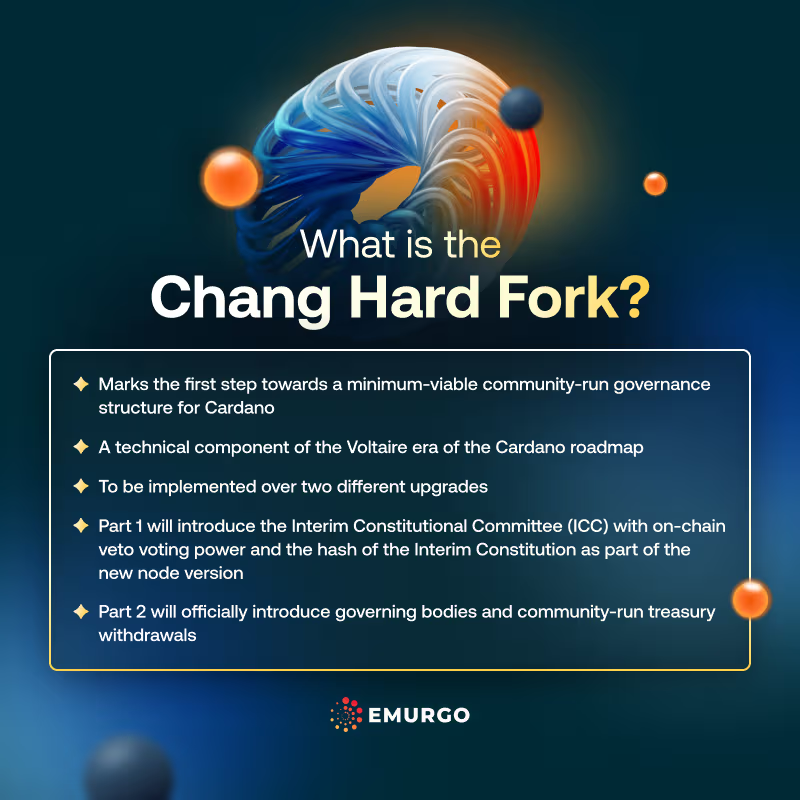
图片源引自 《What to Know About the Chang Hard Fork (Cardano)》

这种设计听起来复杂,但核心逻辑其实很简单:治理权的分布应该与经济权益分布相匹配。这也是 Hoskinson 多年来一直强调的“真正去中心化”,一种不再依赖领袖人物,而由代币持有者主导决策的结构。

但要真正从理想到落地,仅靠机制设计是不够的,执行能力、技术架构和治理基础设施必须跟上。于是,“拨款 7100 万美元”这件事,不再只是财政调配问题,它几乎是对整套制度设计的一次“大考”。

更关键的点在于这项拨款并非 Charles Hoskinson 个人的发号施令,而是由社区提案、链上投票实现的。至少执行层角度,也在佐证 Cardano 正在从“创始人统治”走向“制度驱动”,哪怕过程漫长、节奏缓慢,也在以某种形式兑现 Hoskinson 当年的承诺。

早在 2025 年 4 月的一次 AMA 中,Hoskinson 再度抨击以太坊的三大结构性缺陷:错误的经济模型、VM 的设计冗余,以及 L 2“寄生化”对主链价值的掏空。并指出:“它们的治理模型,未能解决核心扩容问题反而抽离主链价值”。而 Cardano 的回应,就是其本身——打造一整套属于自己的公共治理栈。在这套结构中,资金不是创始团队控制的武器,而是 ADA 持有者治理意志的具体体现。7100 万美元只是第一步,真正的终局,是 Cardano 能否成为加密世界第一个“真正可自治”的金融协议生态。

只是,这场自治的路线并非没有质疑与分裂。

观点争议:他链炮轰、社区不信与创始人信誉的重塑

对于 Cardano 社区来说,这并不是一场单纯的升级投票,更像是一场对 Charles Hoskinson 本人的信任测试——而它之所以紧张,正是因为 Hoskinson 一直是这个项目的全部光芒,也是一切争议的中心。

时间拨回到 2025 年 6 月,Hoskinson 在一次直播中提出一项激进建议将价值 1 亿美元的 ADA 兑换为比特币与生态内稳定币,以改善 Cardano 的稳定币流动性,并推动比特币 DeFi 生态 Cardinal 的发展。他表示,Cardano 当前 TVL 与稳定币规模严重滞后,该转化将“带来非通胀性收入”,并构建一个更健康的资产基础。

该提案一出,立刻引爆争议。Solana 联合创始人 Anatoly Yakovenko 公开炮轰此提议“太愚蠢”质疑为何项目方要替用户持有比特币,而不是选择“更理性的短债资产”。而社区内部也陷入对 ADA 潜在抛压的恐慌,有用户在论坛直言:“你让我们把 ADA 委托投票,是为了把它换成别的币?”

尽管 Hoskinson 辩称市场深度足以吸收该抛压,但这并不能完全平息担忧。这事还没完,另一边更火上浇油的是,关于 Hoskinson 的旧指控被再度翻出——一笔来自 2021 年 Allegra 硬分叉期间的3.18 亿枚 ADA的转账记录被重新审查,有人质疑 Hoskinson 是否曾滥用创世密钥,暗中调配资金,累计金额接近 6 亿美元。NFT 艺术家 Masato Alexander 指出这笔转账“极不寻常”,并在社交平台上直指“链上记录不会说谎”。

面对指控,Hoskinson 在 5 月中旬表示“深感受伤”,称这些 ADA 中大部分早已被原始买家赎回,剩余部分已捐赠给 Cardano 治理组织 Intersect。他表示:“我们会在 8 月中旬公布完整的审计报告。”并补充称,将考虑将自己的社交媒体交由专业团队代管,以避免情绪化回应造成误伤。

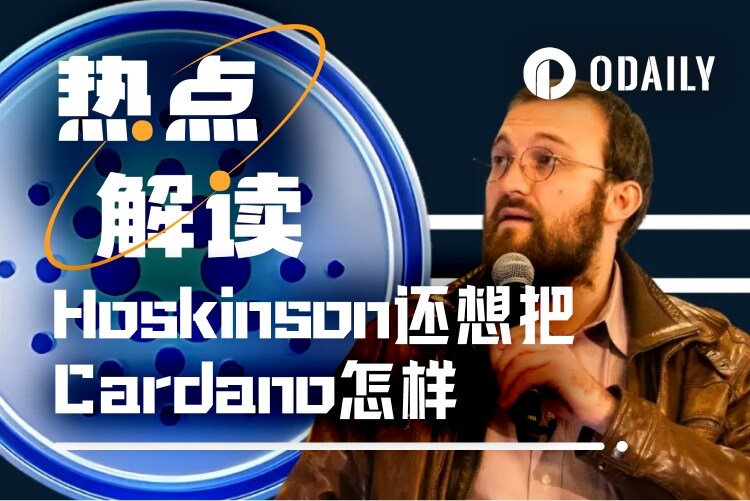
Charles Hoskinson 本人此前直播画面

实际上,这并非 Hoskinson 第一次面对公众质疑。早在 2022 年,《The Cryptopians》作者 Laura Shin 就曾指控 Hoskinson夸大学历和履历背景,称其并无博士学历,并曾在早期向他人宣称与 CIA 或 DARPA 有合作关系。“这本书是不错的虚构作品,”Hoskinson 回应道,“但还不够格超越托尔金。”

这些信任危机,让这次拨款事件蒙上了“创始人干预”的阴影——尽管拨款本身是通过链上治理完成的,但在许多旁观者眼中,Cardano 的一切决策仍然绕不开 Charles 的意志。

这种“人格与协议的绑定”,既是 Cardano 能在长期建设中保持统一性的原因,也可能成为其走向真正自治的障碍。如今,当 Hoskinson 开始尝试将更多权限交由 Intersect 与链上投票机制管理时,他本人也正走在从“统治者”向“精神象征”的转型路上。

而这场转型是否足够彻底,Cardano 是否能承受住从“领袖魅力”到“制度自治”的阵痛考验,将在接下来的市场反馈与生态演化中逐步揭晓。

市场后续:链上生态重构与务实主义路线的形成

相比争议与情绪,链上的数据始终冷静,甚至冷酷。它们不讲情怀,只记录行为。从近期的一系列治理事件与财库拨款动作中,我们或许能看到一个明确的趋势信号:Cardano 正在从理念落地走向务实执行。

这一信号首先体现在资产结构的变化上。Cardano 基金会披露,截至 7 月,其持有的加密资产总价值增至6.591 亿美元,其中比特币占比提升至 15%,而 ADA 占比则下降至 77%。换句话说,基金会自身已开始降低对本币的单一依赖,转向更稳健的资产配置结构

这在某种程度上呼应了 Hoskinson 提出的“非通胀性收入来源”理念,也从侧面反驳了社区对于“换币提案将损害 ADA 价格”的担忧:现实是,他们早就开始这么做了。

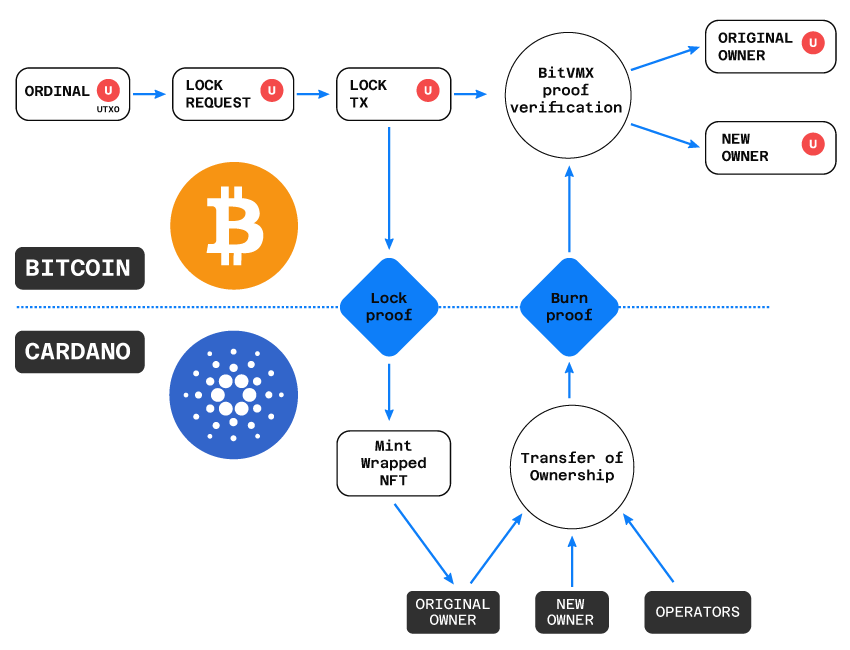
与此同时,Cardano 在 DeFi 层也正在悄然发生变化。2025 年 6 月,Hoskinson 宣布推出比特币 DeFi 协议Cardinal,基于 MuSig 2 多签实现跨链非托管支持,使 BTC 可参与 Cardano 链上的质押、借贷与交易操作,并兼容 Ordinals 铭文作为抵押资产。该协议还将集成零知识证明系统,以提高流动性与互操作性。

这标志着 Cardano首次在技术层打通比特币资产流动性入口,也意味着其生态策略已从“打造封闭式学术公链”转为“拥抱主流资产的跨链兼容”。换句话说,Cardano 不再试图单独开辟赛道,而是试图参与到比特币与稳定币主导的 DeFi 世界。
治理结构方面,Chang 硬分叉第一阶段已基本完成,DRep 代表注册通道开启、SanchoNet 测试网稳定运行、Intersect 实施成员制开发协作机制,代表 Cardano 的链上治理从框架设计进入落地执行阶段。治理权限也正在逐步从 IOG 等核心开发团队,过渡到社区治理与财库提案体系。

在多项指标上,Cardano 都展现出由上至下的一致性调整:资产结构更稳健、技术生态更开放、治理机制更自治。这一切的底层逻辑,是其试图构建一套制度驱动的长期激励模型,让链上治理真正脱离“创始人意志”,朝着制度化、可持续的方向运转。

最终,这场转型的成效,仍需观察两个关键指标:一是稳定币 TVL 能否从当前的10% 提升至 30%-40%;二是社区能否持续产出具备共识与质量的DRep 治理决策

结语:Cardano 的第二次“定义自我”机会

从某种意义上说,这并不是 Cardano 第一次“自我定义”,但或许是最关键的一次。

早在 2017 年,Charles Hoskinson 创立 Cardano,选择了绕开硅谷、拒绝风投、从学术规范起步,构建共识模型 Ouroboros。他希望 Cardano 成为一个不依赖人设、不追逐周期的理性系统——那是第一次自我定义:不走 ETH 路线,不迎合 DeFi 热潮,而是以慢致稳。

而如今,在治理权限转移、财库资金调配、生态规划更新之后,Cardano 进入了它的第二次自我定义阶段:不再是“由 Hoskinson 主导的项目”,而是作为治理结构自身的存在,开始脱离个人意志运转。

从资产结构调整、DeFi 对接主流资产,到 CIP-1694 的推进与 Intersect 的自治机制,Cardano 正通过一系列技术与制度落地,摆脱“符号链”“僵尸链”等外部标签。它不再强调加密理想,而是选择一条缓慢但清晰的路径——用制度替代情绪,用实践回应批评。

Charles Hoskinson 本人也在逐步退居幕后:从 CEO 到制度设计者,如今转向牧场、医疗、外星探索。他留下的,是一个能被代表投票驱动、能通过财库治理运转的自治系统。

拨款不是终点,而是制度自转的一次验证。当某天 Cardano 能在无人主导下持续演进,Hoskinson 的名字也将从“执行者”退场,留存在制度本身的逻辑中。

这,或许才是他真正等待的“Voltaire 时刻”。

Letture associate

Bitcoin's Weak Rebound Fails to Conceal Adjustment Trend; HYPE's Top Signals Warn of Short-Term Risks | Guest Analysis

Bitcoin's Weak Bounce Fails to Mask Correction Trend; HYPE Top Signals Warn of Short-Term Risks | Invited Analysis Core Weekly View: Bitcoin's daily chart structure has weakened. The key question is whether its short-term rebound can effectively break above the upper boundary of the descending channel. Has HYPE's seven-wave advance reached its conclusion? This analysis systematically examines the current market structure across multiple timeframes and outlines operational strategies for the week. **Bitcoin (BTC) Analysis:** The daily chart shows BTC trading within a long-term rising channel (yellow) since February but has recently broken below its midline, indicating structural weakness. It is currently confined within a short-term descending channel (blue) originating from the May 6 high. The ongoing bounce appears to be a weak technical correction targeting the blue channel's upper rail (approx. $75,000-$76,000). The 4-hour chart reveals a complex 10-segment corrective structure from the May high, containing two downward pivot zones (Central D and E). The current rebound (segment 36-37) is expected to face resistance in the $75,000-$76,000 area. A failure to break above could lead to a resumption of the downtrend, testing support at $69,500-$70,500 and potentially $65,000. **BTC Weekly Strategy:** The price is currently below the "Bull-Bear Channel," placing it in a technically weak zone. The core focus is on the test of the $75,000-$76,000 resistance and $69,500-$70,500 support. * *Medium-term*: Consider initiating short positions (up to 30% allocation) if the price rejects the $75,000-$76,000 area. Increase exposure to 60% if the long-term rising channel's lower support fails. * *Short-term (30% allocation)*: Two scenarios are outlined: * *Plan A (Sell on Rally)*: Short on rejection at $75,000-$76,000, with a stop-loss above $77,000. * *Plan B (Breakdown Sell)*: Short on a confirmed breakdown below $69,500-$70,500, with a stop-loss above $72,000. **HYPE Analysis:** The 4-hour chart shows HYPE has completed a seven-wave advance from its May 14 low, including a central consolidation zone. A bearish divergence was noted at the prior high (point 45), leading to a 13% correction. The current rally leg (46-47) shows weakening momentum compared to the initial leg (42-43), suggesting a potential momentum divergence. Furthermore, the proprietary "Spread Trading Model" has triggered a strong top warning signal at point 47. A confirmed top here, combined with the momentum divergence, could signal the end of the current uptrend. **HYPE Weekly Strategy:** The core is observing whether a confirmed top at point 47 coincides with the momentum divergence. * Monitor the key support zone of $62.5-$64.75. A hold and bounce from this area, supported by model buy signals, could allow for a light long position (<30% allocation). * A decisive break below this support would indicate a shift to a larger-degree correction, targeting the $54-$56.3 area. **Trade Review:** A previous short trade on BTC was executed at $77,449 based on model top signals (bearish candlestick pattern, spread model warning, momentum divergence) and closed at $73,519 for a 5.07% profit. **Risk Management Reminder:** Always set an initial stop-loss immediately upon entry. Move the stop-loss to breakeven once a 1% profit is achieved, and trail it upwards to lock in profits as the trade progresses. *Disclaimer: Market conditions change rapidly. All views, models, and strategies are for educational purposes and personal trading logs only, not investment advice. Trading carries significant risk.*

Odaily星球日报1 min fa

Bitcoin's Weak Rebound Fails to Conceal Adjustment Trend; HYPE's Top Signals Warn of Short-Term Risks | Guest Analysis

Odaily星球日报1 min fa

How to Define "Real U.S. Stocks": Differences Between On-Chain Tokens, Price Contracts, and Direct Broker Connections

**Title:** Defining "Real US Stocks": Differences Among On-Chain Tokens, Price Contracts, and Broker-Direct Access **Summary:** In 2026, using stablecoins to purchase US stocks is mainstream, but products marketed as "buying US stocks with USDT" offer fundamentally different assets. This article analyzes three primary models. **1. Tokenized Stocks:** These are on-chain tokens representing economic exposure to underlying stocks, held by an issuer or custodian. They offer benefits like 24/7 trading and DeFi composability (e.g., use as loan collateral). However, users lack direct legal shareholder status; dividends may not be paid in cash, and voting rights are typically non-binding advisory expressions. Examples include platforms like Ondo Finance. **2. Stock Futures / Equity Perpetuals:** These are derivative contracts tracking a stock's price, allowing leveraged long/short positions 24/7, similar to crypto perpetuals. They offer high efficiency and flexibility but involve funding fees, which can be a significant long-term cost, especially during strong trends. Crucially, they confer no ownership rights (dividends, voting) to the holder. **3. Broker-Direct Model:** This model provides access to real securities via licensed broker-dealers. Stocks/ETFs are bought and held within the US clearing and custodial system (e.g., DTCC), making it the only path to genuine stock ownership. Users receive cash dividends and formal proxy voting rights (where applicable). It supports thousands of stocks and ETFs, far exceeding the coverage of the other two models. Key advantages include no funding fees, a clean cost structure for long-term holds, and the potential to transfer holdings to other brokers. Some platforms facilitate stablecoin (USDT/USDC) deposits, reducing reliance on traditional banking. A critical distinction exists *within* the broker-direct model: the underlying brokerage architecture (e.g., Fully Disclosed IB, Omnibus IB, Self-Clearing) determines how client assets are held, protected, and how safeguards like SIPC insurance are conveyed. Users should verify the specific clearing structure and regulatory compliance of any platform. In conclusion, "buying US stocks with USDT" can mean holding an on-chain economic proxy (Tokenized Stocks), trading a price derivative (Stock Futures), or owning the actual security (Broker-Direct). For users seeking full ownership rights and long-term investment, the broker-direct model is the definitive choice, though its implementation details require careful scrutiny.

marsbit1 h fa

How to Define "Real U.S. Stocks": Differences Between On-Chain Tokens, Price Contracts, and Direct Broker Connections

marsbit1 h fa

NVIDIA Launches DSX Platform, Expanding into AI Factory Infrastructure

NVIDIA has unveiled the DSX platform at its GTC Taipei event, marking a strategic expansion from GPU sales into comprehensive AI factory infrastructure solutions. The platform addresses challenges like power supply, cooling, and resource orchestration as AI models scale, shifting the industry focus from single-chip performance to overall infrastructure efficiency. DSX integrates NVIDIA's chips, systems, software, and partner technologies to cover the entire AI factory lifecycle—from design and simulation to deployment and operations. It aims to accelerate deployment, improve reliability and operational efficiency, and reduce the cost per generated token in AI inference. The software suite includes DSX MaxLPS, which uses 45°C liquid cooling and rack-level optimization to allow up to 40% more GPUs per megawatt, and DSX OS, an open-source platform for AI factory operations. The platform also encompasses reference designs, digital twin simulation (DSX Sim), dynamic workload adjustment based on grid conditions (DSX Flex), and data exchange between systems. Early adopters include cloud providers like CoreWeave and Lambda. Major hardware partners, including Dell, HPE, Lenovo, and Supermicro, are developing DSX-ready systems. Pilot projects for DSX Flex are underway with energy providers. Strategically, DSX represents NVIDIA's ongoing transition from an AI chip supplier to a full-stack AI infrastructure platform provider, aiming to set industry standards and solidify its market leadership.

marsbit1 h fa

NVIDIA Launches DSX Platform, Expanding into AI Factory Infrastructure

marsbit1 h fa

After Burning Tens of Billions of Dollars in Tokens, Silicon Valley Giants Start Limiting Employee Token Usage

After burning tens of billions of dollars on AI tokens, major Silicon Valley firms are now restricting employee usage. Companies like Microsoft, Uber, and Salesforce, which heavily promoted AI for "efficiency," are facing a cost crisis. The practice of "tokenmaxxing"—pushing employees to maximize AI tool usage—led to wasteful spending on trivial tasks like checking the weather or writing birthday messages, with studies showing significant hidden costs for bug fixes and code rewrites. The core issue is a misalignment between individual productivity gains and actual business value. While employees use AI to automate tasks they dislike, such as writing reports, this often doesn't translate to increased company revenue or improved core business outcomes. For instance, AI-generated code speeds up development but also sees an 800% increase in "code churn" (code being discarded or rewritten). As a result, only 14% of CFOs report seeing a clear, measurable return on AI investments. Firms are now shifting strategies. Microsoft has revoked most internal licenses for Claude Code, while others are implementing monitoring and cost controls. New tools from companies like Harness and CloudZero aim to track AI spending and tie costs to business results. Some AI vendors, like HubSpot, are moving from token-based pricing to charging based on outcomes, such as "resolved conversations" or "leads generated." This represents a necessary correction in the AI adoption cycle. The challenge now is for companies to move beyond using AI merely to speed up old tasks and instead rethink their workflows and business models fundamentally. The future of enterprise AI depends on proving its value, not just its usage.

marsbit1 h fa

After Burning Tens of Billions of Dollars in Tokens, Silicon Valley Giants Start Limiting Employee Token Usage

marsbit1 h fa

Trading

Spot
Futures

Articoli Popolari

Come comprare ADA

Benvenuto in HTX.com! Abbiamo reso l'acquisto di Cardano (ADA) semplice e conveniente. Segui la nostra guida passo passo per intraprendere il tuo viaggio nel mondo delle criptovalute.Step 1: Crea il tuo Account HTXUsa la tua email o numero di telefono per registrarti il tuo account gratuito su HTX. Vivi un'esperienza facile e sblocca tutte le funzionalità,Crea il mio accountStep 2: Vai in Acquista crypto e seleziona il tuo metodo di pagamentoCarta di credito/debito: utilizza la tua Visa o Mastercard per acquistare immediatamente CardanoADA.Bilancio: Usa i fondi dal bilancio del tuo account HTX per fare trading senza problemi.Terze parti: abbiamo aggiunto metodi di pagamento molto utilizzati come Google Pay e Apple Pay per maggiore comodità.P2P: Fai trading direttamente con altri utenti HTX.Over-the-Counter (OTC): Offriamo servizi su misura e tassi di cambio competitivi per i trader.Step 3: Conserva Cardano (ADA)Dopo aver acquistato Cardano (ADA), conserva nel tuo account HTX. In alternativa, puoi inviare tramite trasferimento blockchain o scambiare per altre criptovalute.Step 4: Scambia Cardano (ADA)Scambia facilmente Cardano (ADA) nel mercato spot di HTX. Accedi al tuo account, seleziona la tua coppia di trading, esegui le tue operazioni e monitora in tempo reale. Offriamo un'esperienza user-friendly sia per chi ha appena iniziato che per i trader più esperti.

1.2k Totale visualizzazioniPubblicato il 2024.12.10Aggiornato il 2025.03.21

Come comprare ADA

Discussioni

Benvenuto nella Community HTX. Qui puoi rimanere informato sugli ultimi sviluppi della piattaforma e accedere ad approfondimenti esperti sul mercato. Le opinioni degli utenti sul prezzo di ADA ADA sono presentate come di seguito.

活动图片