Токенизация активов становится нормой - свежий отчет WEF и Accenture

cryptonews.ruPublished on 2021-12-26Last updated on 2025-05-26

Токенизация — это создание из любого актива (акции, облигации, недвижимость, искусство) в цифровой токен на блокчейне. Как оцифровка музыки позволила нам слушать песни онлайн, так токенизация позволяет "оцифровать" владение любыми активами.

По мнению экспертов WEF, токенизация неизбежна и произойдет эволюционно: 2025-2027: Активное тестирование крупными банками. 2027-2030: Массовое внедрение в корпоративном секторе. 2030+: Токенизация становится новой нормой. Основные цифры: 1. Операционные сокращения расходов: $15-20 млрд ежегодно благодаря смарт-контрактам и автоматизации. 2. Высвобождение капитала: более $100 млрд ежегодно через улучшенное управление залогами с помощью DLT. 3. Потенциал расширения залоговой базы: только $25 трлн ценных бумаг сейчас пригодны для использования в качестве залога из потенциальных $230 трлн.

В этом отчете WEF анализирует токенизацию в трех конкретных сферах: 1. Эмиссия ценных бумаг 2. Финансирование ценных бумаг 3. Управление активами. Впервые WEF говорит о конкретных дизайн-решениях, которые нужно учитывать: - Тип реестра - Механизмы расчетов - Часы работы рынка.
Related Reads

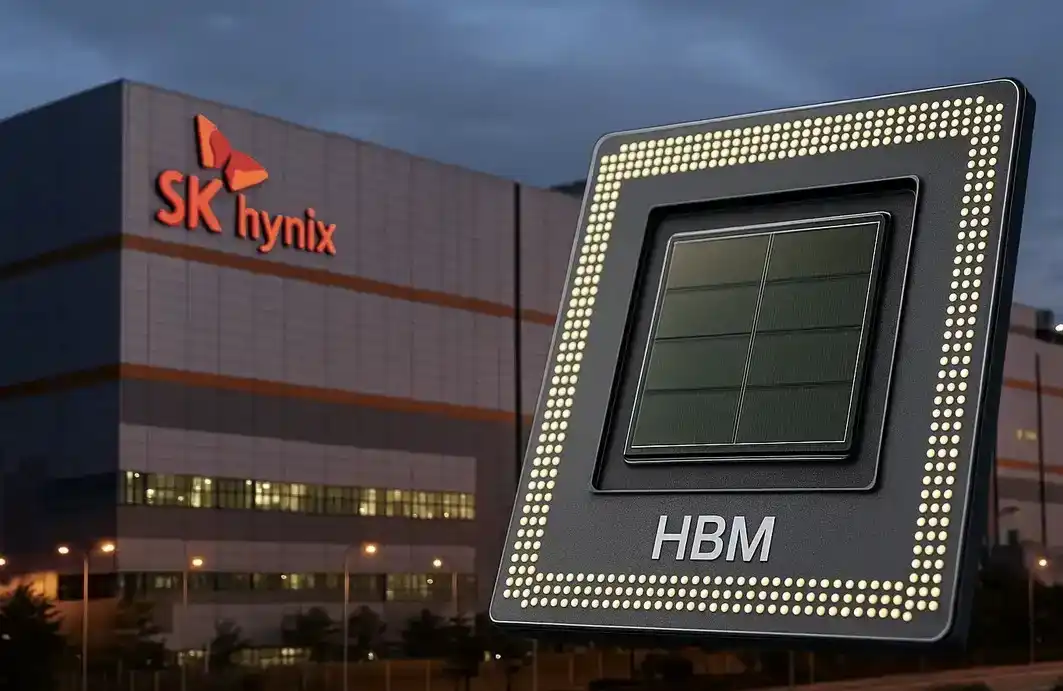
27-Year Reign Ends: SK Hynix Market Cap Surpasses Samsung for First Time, an AI-Driven Reshuffle of Korean Chip Power

On June 22, 2026, SK Hynix made history by surpassing Samsung Electronics in market capitalization, ending Samsung's 27-year reign as South Korea's most valuable company. This dramatic reversal is powered by the AI boom and SK Hynix's dominant position in High Bandwidth Memory (HBM), a critical component for AI model training. Once a heavily indebted firm on the brink of bankruptcy, SK Hynix bet early on HBM, which has evolved from a niche product to essential AI infrastructure. It now commands a 59% share of the global HBM market. Its financial performance is staggering, with Q1 2026 net profit soaring nearly fourfold year-over-year to KRW 40.35 trillion, translating to over 2 billion RMB in daily net profit. HBM now drives roughly 40% of its revenue with exceptionally high margins. In contrast, Samsung, with its broad portfolio spanning memory chips, smartphones, and foundry services, has lagged in the HBM race while facing headwinds in other divisions. This shift signifies a deeper restructuring of South Korea's economy, moving from consumer electronics to AI-driven growth. However, the future remains competitive. With major capacity expansions planned industry-wide by 2028 and Samsung aiming to catch up in HBM technology, the new market leader cannot afford complacency. This event marks a pivotal moment in the global semiconductor industry's ongoing power realignment.

marsbit8m ago

27-Year Reign Ends: SK Hynix Market Cap Surpasses Samsung for First Time, an AI-Driven Reshuffle of Korean Chip Power

marsbit8m ago

Why Does 'AGI Godfather' Ben Goertzel Believe the Future of AI Relies on Blockchain?

Ben Goertzel, known as the "AGI Godfather," argues that the future of Artificial General Intelligence (AGI) must be built on blockchain to prevent its control by a few corporations or venture capital firms. He believes the core AGI code should be free and open-source, but that this alone is insufficient without a decentralized infrastructure to run it affordably. His blockchain project, SingularityNET, and the broader Artificial Superintelligence Alliance aim to create a user-owned, decentralized network for hosting and deploying AGI, contrasting with the closed models of companies like OpenAI and Anthropic. Goertzel criticizes the shift of other labs from open to closed development. He argues that while a closed path is simpler, an open, decentralized model—akin to Linux and the internet—is both possible and ultimately better for humanity. He envisions an "Agent economy" where individuals orchestrate teams of AI agents to perform tasks, including transactions, on an open network rather than corporate clouds. While his current model relies on cryptocurrency, plans include offering paid AI services to businesses with the decentralized blockchain as the backend. Goertzel predicts human-level AGI could arrive by 2029 and warns that a gap in understanding and access to AGI could drastically worsen inequality. The first test of his decentralized approach will be the upcoming release of the Agent Omega Claw.

Foresight News39m ago

Why Does 'AGI Godfather' Ben Goertzel Believe the Future of AI Relies on Blockchain?

Foresight News39m ago

Trading

Spot
Futures
活动图片