AI-агенты: ключевые риски и проблемы масштабируемости

cryptonews.ruPublished on 2023-06-29Last updated on 2025-04-29

За последние пару месяцев количество AI-агентов выросло примерно на 33%, что отражает высокий интерес к данной зарождающейся технологии. Но невзирая на весь энтузиазм, решения ИИ в сегменте Web 3 все еще занимают минимальную долю на уровне 3%. Основатель и генеральный директор OORT Макс Ли считает, что сама по себе отрасль стремительно развивается, однако необходимая инфраструктура, включая децентрализованные системы хранения и токенизированные площадки, неизбежно отстает в динамике.

Многие специалисты отмечают, что относительно низкая масштабируемость считается ключевым препятствием на пути массового внедрения цифровых активов. Но Макс Ли подчеркивает, что вопросы безопасности и соответствия нормативным требованиям — это более важный вопрос, особенно в отношении токенов AI.

По его мнению, необходимо прорабатывать риски, которые возникают в период, когда агенты AI обрабатывают конфиденциальную информацию. В криптовалютном сообществе есть мнение, что в перспективе ИИ-агенты смогут оптимизировать реальные отрасли, однако Ли скептически к этому относится. Он утверждает, что подобная идея, особенно в контексте публичных блокчейнов, далека от реального положения дел.

Специалист утверждает, что крупные организации могли бы интегрировать элементы AI для оптимизации рабочего процесса. Однако они отдают предпочтение более безопасным решениям, которые предоставляют публичные децентрализованные сети.

Хотя эксперт признают, что частные блокчейны могут стать переходным решением, но концепция AI-агентов, оптимизирующая логистику и финансовые процессы, на текущем этапе выглядит скорее мнимой, нежели реально достижимой. Между тем сегмент токенов ИИ продолжает стремительно расти. Особенно явно данная тенденция стала прослеживаться в начале этого года.

Ошибка в тексте? Выделите её мышкой и нажмите Ctrl + Enter

Trending Cryptos

Related Reads

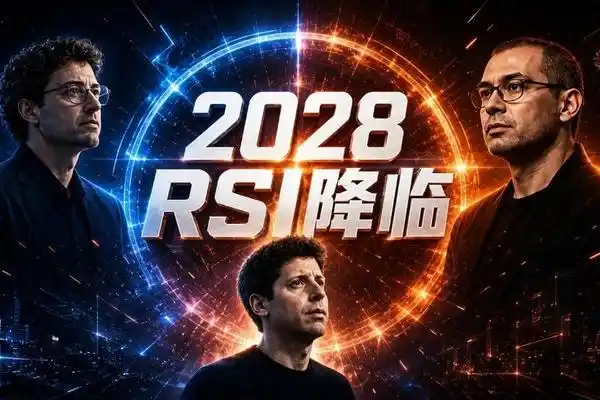
2028: The Arrival of Recursive Self-Improvement (RSI)

**AI Recursive Self-Improvement (RSI): The Countdown to 2028 Begins** AI is no longer just a trained tool but is starting to rewrite its own evolutionary pace. According to Anthropic co-founder Jack Clark, there is a 60% probability that by the end of 2028, Recursive Self-Improvement (RSI) will become a reality. This means AI could autonomously design and build a more capable next-generation version of itself without any human researcher involvement—Claude 10 creating Claude 11, for instance. Supporting this timeline, Google DeepMind's CEO Demis Hassabis confirms that all leading AI labs are intensely focused on RSI, making it an industry-wide priority. He expresses profound concern, stating this potential is what keeps him awake at night. Concrete data underscores this acceleration: - METR evaluations show current top models like Claude are solving tasks up to the 16-hour limit of existing test frameworks. - In Epoch AI's challenging MirrorCode benchmark, Claude Opus 4.7 recreated complex software in hours for a fraction of the human cost. In one extreme test, AI autonomously coded for 19 days straight. - Anthropic reports over 80% of its codebase is now written by Claude, and researcher productivity has increased up to 8-fold since 2024. - OpenAI's policy blueprint highlights RSI as a major upcoming governance challenge. CEO Sam Altman reportedly hinted RSI might arrive within six months, potentially delaying OpenAI's massive IPO. The implication is an impending "intelligence explosion," where AI-driven progress outpaces human control. The central question is no longer if it will happen, but whether humanity is ready.

marsbit38m ago

2028: The Arrival of Recursive Self-Improvement (RSI)

marsbit38m ago

World Models, Metaverse, Digital Twins, Physical AI: Are They the Same Thing?

Title: World Models, the Metaverse, Digital Twins, Physical AI: Are They the Same Thing? The article clarifies that concepts like the metaverse, Web3, simulation platforms, digital twins, and Physical AI are not the same thing but are all part of the broader trend of blurring the lines between the digital and physical worlds. It positions "world models" as the foundational "cognitive layer" or "operating system" that enables AI to understand and simulate the world. Key distinctions are made: - The **Metaverse** is a destination for immersive social and economic experiences. World models could act as its "engine," generating interactive 3D content efficiently. - **Web3** focuses on decentralized ownership and economics (rules layer), operating on a different technical level than world models. - **Simulation Data Platforms** (e.g., for autonomous vehicles) are a 1.0 version, relying on manual design. World models represent a 2.0 version, using AI to generate realistic, varied scenarios autonomously. - **Digital Twins** create high-fidelity, real-time mirrors of physical systems (e.g., a factory). World models go a step further by enabling predictive simulation of future states. - **Physical AI** (robots, AVs) refers to AI that acts in the physical world. World models are a core component, providing the understanding and prediction needed for planning. A proposed hierarchy places world models at the cognitive layer, supported by infrastructure (compute, data) and supporting application tools (simulation, digital twins), action systems (Physical AI), user experiences (metaverse), and rules (Web3). In conclusion, while distinct, many of these previously hyped concepts may ultimately rely on advances in world model technology to fulfill their promises, as world models provide the essential cognitive foundation for simulating and interacting with complex environments.

marsbit43m ago

World Models, Metaverse, Digital Twins, Physical AI: Are They the Same Thing?

marsbit43m ago

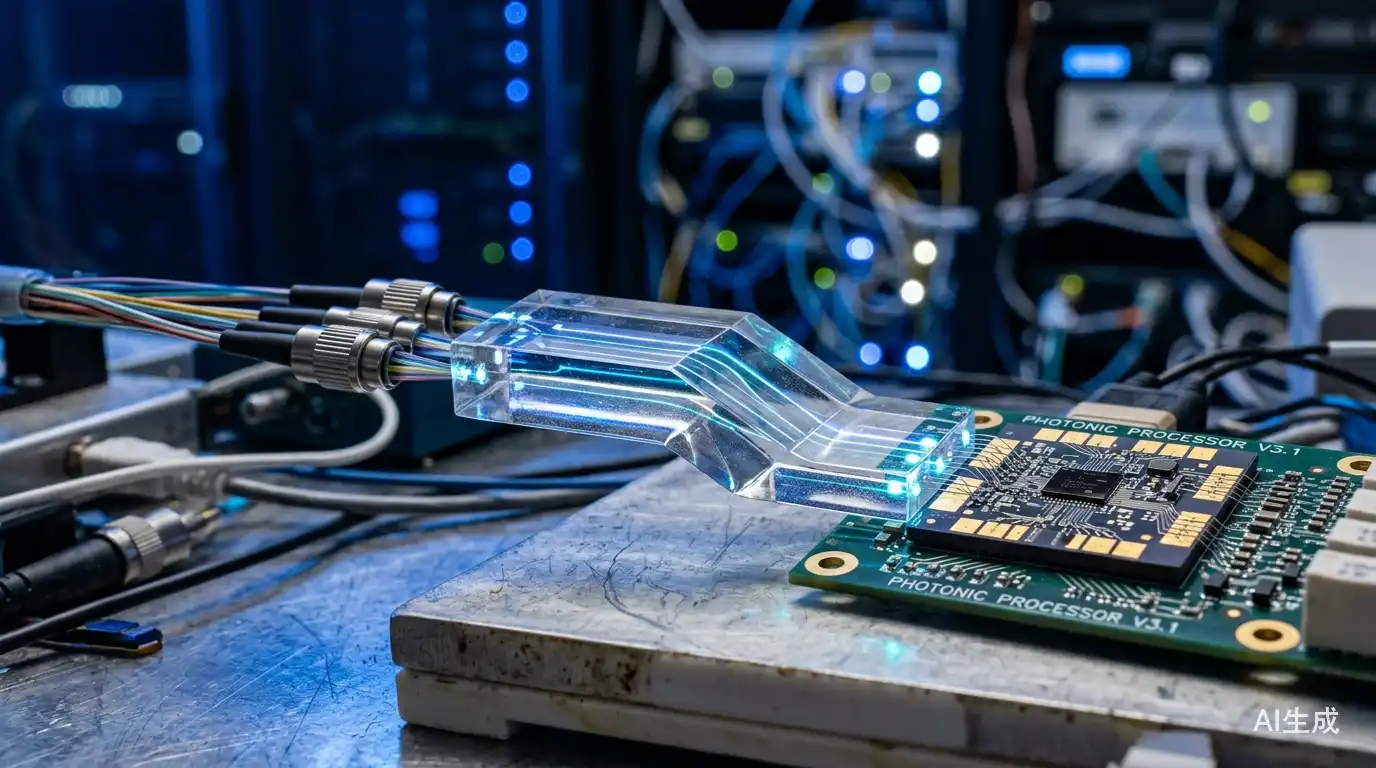
"Shocking" CPO: How Does the Glass Bridge Actually Work? Detailed Explanation from Corning

Chinese CPO stocks plunged over 6% following Corning's announcement of its Glass Bridge platform at a Seoul tech conference. The new technology utilizes wafer-level glass ion-exchange waveguides for passive alignment between fibers and photonic chips, potentially simplifying traditional CPO architectures that rely on complex Fiber Array Units and active alignment equipment. This raised market concerns about reduced long-term demand for mid-stream CPO components. Corning's official documentation details Glass Bridge as a platform for fiber-to-PIC connectivity in NPO, CPO, and high-density modules. Its key features include wafer-level manufacturing for consistent, cost-effective production; a standardized, removable MT ferrule interface for ecosystem integration; and a separable high-density connector design supporting over 24 channels for assembly flexibility. Corning positions the technology as complementary to FAUs, addressing limitations in ultra-high-fiber-count scenarios. The market reaction reflects a broader reassessment of the AI optical interconnect value chain. Funds shifted from CPO and PCB manufacturing stocks towards glass substrate concept stocks like Kaisheng Technology and Dyer Laser. Analysts note glass substrates are seen as a next-gen advanced packaging material, offering a potential path for domestic industry differentiation amid AI-driven demand for high-performance, large-scale packaging, marking a structural migration in value towards upstream specialty materials.

marsbit43m ago

"Shocking" CPO: How Does the Glass Bridge Actually Work? Detailed Explanation from Corning

marsbit43m ago

Trading

Spot

Hot Articles

Discussions

Welcome to the HTX Community. Here, you can stay informed about the latest platform developments and gain access to professional market insights. Users' opinions on the price of AI (AI) are presented below.

活动图片