政治宣言or收费广告?解析加密货币战略储备的真实可能性

Odaily星球日报Published on 2025-03-04Last updated on 2025-03-04

Abstract

特朗普作为美国总统,显然比99.9%的市场机构更有权力。

原文标题:Reserve Your Ass

原文作者:Foxi_xyz,加密研究员

原文编译:ChatGPT

编者按:特朗普宣布美国战略储备可能添加 SOL、XRP 和 ADA 等加密货币,引发了对「美国本土」含义、建立加密货币储备的可能性及其法律和政治挑战的讨论。尽管通过行政命令或没收加密货币可能绕过国会拨款,但全面建立储备仍需国会授权,且存在法律和伦理问题。市场认为持有 BTC 储备是可能的,但作者认为只应保留 BTC 储备,其他加密货币的加入会削弱储备的严肃性。在作者看来,特朗普的举动更多是为了广告效应,而非实质性政策变革。

以下为原文内容(为便于阅读理解,原内容有所整编):

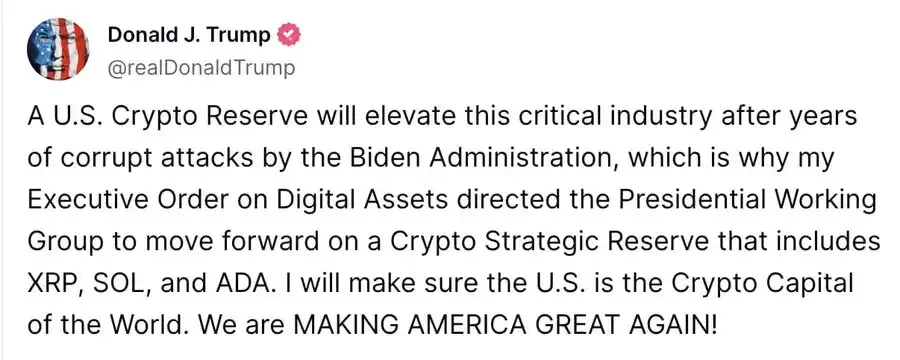
特朗普宣布美国战略储备可能添加 SOL、XRP 和 ADA。
政治宣言or收费广告?解析加密货币战略储备的真实可能性

除了 SOL,我认为大多数投机者(包括我自己)都处于观望状态。这可能是自 BTC ETF 以来最重要的事件,背后有许多含义:

  • 「美国本土」到底意味着什么?

  • 建立美国加密货币战略储备的可能性有多大?

  • 财政部可以通过哪些方式影响加密货币储备的形成?

我不是政治学专业,但我看到了很多有趣的讨论。我将整理这些讨论,并加入我的个人观点。既然特朗普已经介入,我们必须承认规则已经改变,我们该如何前进?

(是的,我知道他还提到了 BTC 和 ETH,但这显然是为了让广告不那么难看)

「美国本土」到底意味着什么?

感谢 @SonicAssistant 的研究,大多数美国本土的加密货币公司都在海外设有「基金会」,并且没有在美国合法发行的途径:

  • ADA、SOL、ETH - 瑞士

  • XRP - 爱沙尼亚

  • HBAR、MATIC、SUI、APTOS、OP、ARB - 开曼群岛

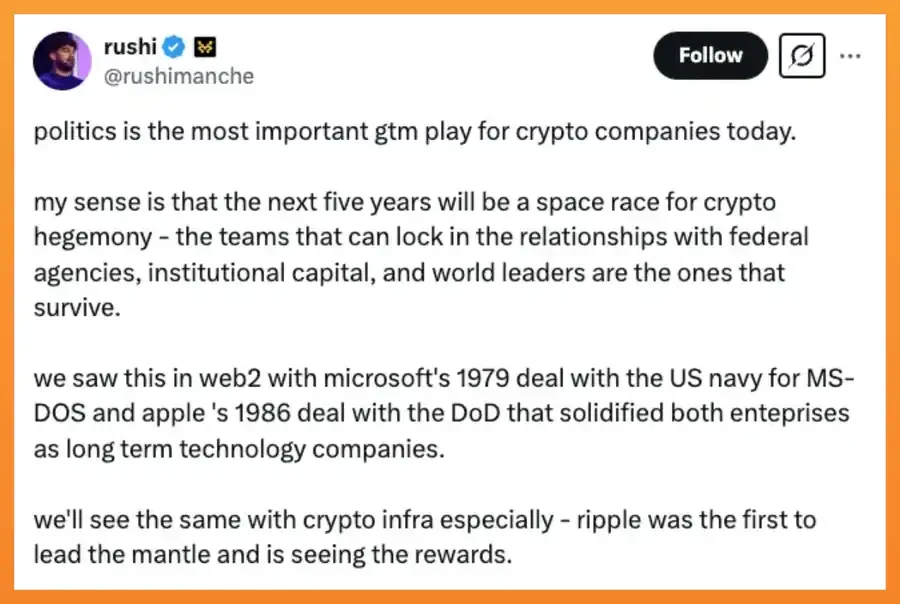
正如 Movement 创始人 @rushimanche 所说,「政治是当今加密货币公司最重要的市场进入策略。」他预测,未来五年只有那些与联邦机构、机构资本和世界领导人建立牢固关系的团队才能生存。这一愿景强化了真正的美国本土影响力取决于公司如何有效参与政治和机构权力——美国 CABAL。
政治宣言or收费广告?解析加密货币战略储备的真实可能性

Mint Venture 合伙人 @xuxiaopengmint 也分享了他对这一储备公告的看法:

「自特朗普就职以来,SOL、XRP 和 ADA 频繁访问 Mar-a-Lago(佛罗里达州),并为特朗普提供了大量支持,比如捐赠给他的就职基金。幕后,各种间接利益转移可能更为广泛。作为回报,特朗普现在以总统权力为这些代币提供了一个显著的『广告位』。」

建立加密货币战略储备的可能性有多大?

TL;DR:可能性很低。

行政命令权限?

总统可以发布行政命令来启动或指导加密货币储备,但命令本身并不是魔法棒。它必须在现有法律范围内运作,或提出紧急理由。如果没有明确的法律授权持有私人加密货币资产,该命令可能被视为非法或无效,除非得到国会支持。特朗普可以命令进行研究或试点项目,或指示财政部探索使用汇率稳定基金(ESF)进行加密货币操作,但永久性、大规模的 BTC、XRP、SOL、ADA 等储备可能需要国会首先授权。

绕过国会?

美国宪法将联邦支出和资产购买的控制权主要赋予国会(「财政权」)。因此,绕过国会建立加密货币储存在法律上是棘手的。总统不能拨款购买资产——只有国会可以授权联邦支出。实际上,这意味着任何直接购买加密货币作为储备的行为都需要国会批准的拨款(或以国会允许的方式重新分配现有资金)

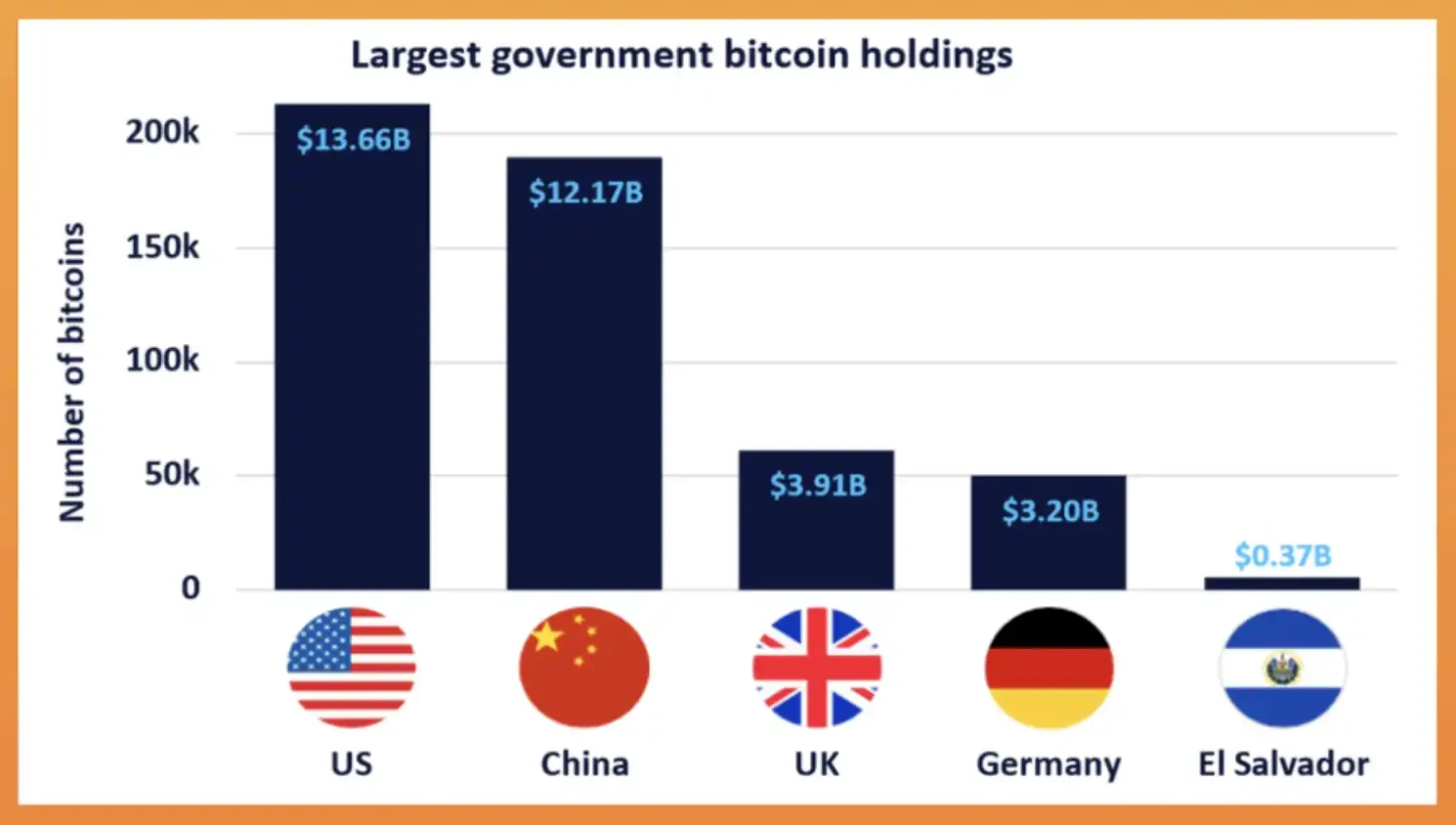
然而,联邦政府偶尔会从刑事案件中没收加密货币(例如丝绸之路比特币、暗网毒品市场)。通常这些会被拍卖换取现金,但特朗普的团队有直接将这些加密货币纳入国家储备的想法。
政治宣言or收费广告?解析加密货币战略储备的真实可能性

2024 年数据,未更新

以这种方式使用没收的加密货币可以绕过国会拨款的需要,因为这些资产已经是政府财产。这本质上是资产转移而不是新支出。重要的是,这种方法被明确考虑过:「特朗普的加密货币团队计划考虑利用执法行动中没收的加密货币来创建储备。」(来自路透社)

然而,根据现有的没收法律,没收财产的收益通常必须用于特定基金(如司法部的资产没收基金)或受害者——将其重新用于战略储备可能需要修改这些规则或提出国家安全理由。因此,在将 XRP 或 SOL 纳入储备之前,已经有一些法律工作要做。
政治宣言or收费广告?解析加密货币战略储备的真实可能性

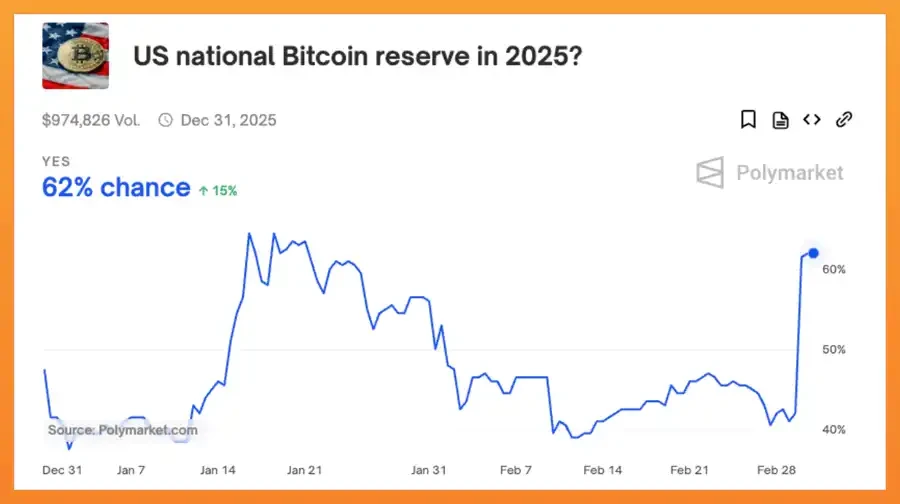
市场认为持有 BTC 在储备中是可能的(ps 不是购买)

接受代币捐赠 vs 为储备购买

避免使用纳税人资金和需要国会拨款的一种方法是接受加密货币捐赠进入储备。这一想法表明,加密货币公司或富有的持有者可能会捐赠代币(例如免费给美国政府大量 XRP 或 ADA)以启动战略储备。虽然这看起来很方便,但这种方法存在重大的法律和伦理问题。

现行法规(例如财政部接受礼物的规定)通常要求任何礼物(例如给财政部的 XRP)必须被清算并用于减少国家债务。为了让 XRP 和 ADA 成功纳入储备,我们需要新的立法或重新解释,任何捐赠的资产通常不会被出售,而是作为储备持有。这将产生锁定效应,并为美国本土的加密货币项目提供巨大的广告效应。

加密货币储备可能的形式

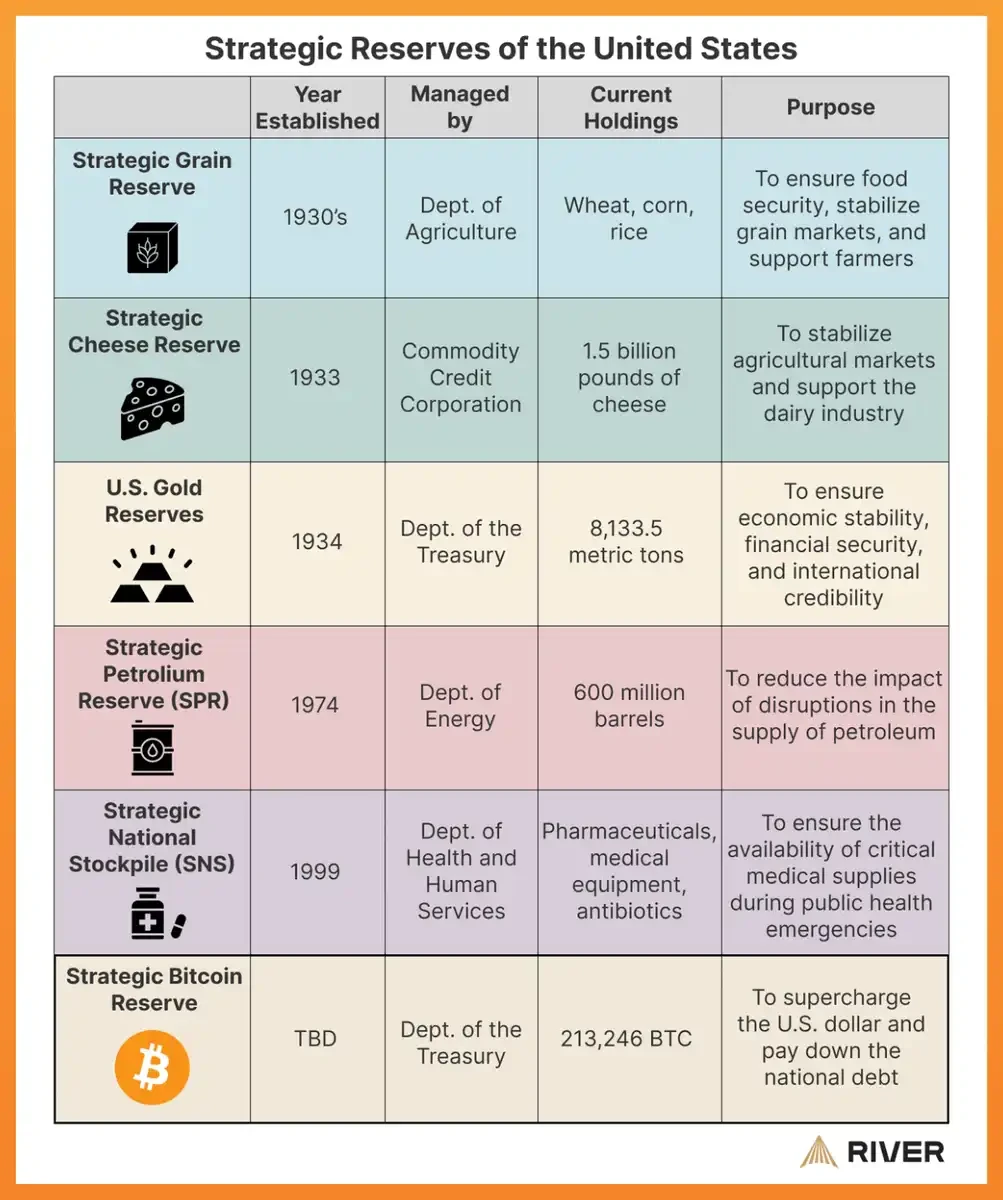
基于之前的信息,最可能的情景:

  • 保留现有的政府持有的比特币而不是清算它

  • 允许加密货币公司使用加密货币(例如比特币)缴纳税款

  • 接受加密货币公司的代币捐赠

我个人只希望第一种情况「保留现有的政府持有的比特币而不是清算它」发生。推进 ADA 和 XRP,甚至 ETH 作为储备资产是荒谬的。这样的举动将削弱专门的比特币储备的严肃性,并进一步减少联邦级别的 BTC 储备法律出台的可能性。
政治宣言or收费广告?解析加密货币战略储备的真实可能性

从 @worldlibertyfi 的行动中,我们慢慢理解整个游戏只是一则广告。如果你给特朗普的加密货币团队提供了足够的利益,他们会为你做广告。这是一项非常有利可图的生意,因为特朗普是美国总统,比 99.9% 的现有市场机构更有权力。

结论

从法律上讲,虽然总统可以通过命令或工作组指导行政机构,但现行法规(特别是那些管理美联储和财政部的法规)将限制单方面创建此类储备。此外,特朗普可能倾向于非现金融资——通过锁定政府持有的加密货币、鼓励加密货币缴税或接受捐赠——这带来了额外的法律和伦理挑战,因为现行法律通常要求任何捐赠的加密货币必须被清算用于减少债务。

从政治上看,将 SOL、XRP 和 ADA 等替代币纳入储备似乎是为了为受青睐的项目提供公共「广告位」。然而,这样的举动可能会稀释任何专门的比特币储备的严肃性,并在国会面临重大障碍,因为共和党的脆弱多数使得全面的立法变革不太可能。

我认为我们只需要 BTC 储备,而不是 ETH、XRP、ADA 或 SOL,只是 BTC。

原文链接

Trending Cryptos

Related Reads

Tsinghua University's Special Award Winner, Gu Yuxian, Joins DeepSeek

Tsinghua University's prestigious Graduate Special Scholarship recipient and 2021 Ph.D. candidate, Yuxian Gu, has officially joined DeepSeek. This news coincides with DeepSeek's major recruitment drive and the imminent launch of DeepSeek V4, on whose research paper Gu is listed as an author. A doctoral student in the Conversational AI group under Professor Minlie Huang at Tsinghua, Gu's research focuses on enhancing efficiency throughout the entire lifecycle of large language models. His key contributions span three areas: innovative methods for pre-training data selection (e.g., PDS), advanced knowledge distillation techniques for model compression (notably MiniLLM), and the development of efficient model architectures like Jet-Nemotron. His work has gained significant recognition, with nearly 5,000 citations on Google Scholar. Key publications include the highly cited surveys and papers on pre-trained models and the MiniLLM distillation method. As first author, he has presented at top-tier AI conferences including NeurIPS, ICLR, and ACL. One of his notable achievements is the Jet-Nemotron architecture, which combines Post-Neural Architecture Search (PostNAS) and a novel linear attention module called JetBlock. This model series demonstrates state-of-the-art performance rivaling larger models while achieving substantial efficiency gains in inference. Gu's expertise in creating powerful yet efficient AI systems aligns with industry needs, as evidenced by the adoption of his MiniLLM method by leading tech companies. His move to DeepSeek is anticipated to contribute further advancements in the field.

marsbit5m ago

Tsinghua University's Special Award Winner, Gu Yuxian, Joins DeepSeek

marsbit5m ago

After Close Observation of Wash, Morgan Stanley's Chief Economist Insists: The Fed Will Not Raise Rates This Year

After close observation of Federal Reserve Chair Wash, Seth Carpenter, Morgan Stanley's Chief Global Economist, asserts that the Fed will not raise interest rates this year. Following Wash's speech at the ECB's Sintra forum, Carpenter notes a marginal dovish shift: Wash now more clearly balances the Fed's dual mandate of price stability and maximum employment, rather than focusing nearly exclusively on inflation. Importantly, Wash highlighted that the latest policy meeting (coinciding with falling oil prices) has already lowered market inflation expectations and term premiums, signaling no urgency for a July rate hike. Carpenter's view is supported by data. Recent non-farm payroll figures provide room for the Fed to remain patient. Morgan Stanley's inflation forecasts are below the median FOMC projection, and methodological revisions to PCE inflation could further lower readings. These factors make Carpenter "comfortable" with the call for no hikes in 2024. Carpenter also pushes back against the simplistic narrative that AI will be deflationary and lead to rate cuts. He argues AI investment is currently boosting inflation marginally. More broadly, the business cycle will dictate policy; AI's productivity gains could boost demand and, crucially, raise the equilibrium interest rate (r*), weakening the case for cuts. In contrast, the ECB's path remains more hawkish. Carpenter interprets President Lagarde's Sintra comments as leaving the door open for another 25 basis point hike in September, though softer recent data and falling oil prices provide some flexibility. A July hike or more than one additional hike this year is seen as unlikely.

marsbit34m ago

After Close Observation of Wash, Morgan Stanley's Chief Economist Insists: The Fed Will Not Raise Rates This Year

marsbit34m ago

StarDynamics Secures 2.5 Billion in Two Months, State-Owned Capital Consortium Joins In

Star Era Raises 25 Billion Yuan in Two Months with State Capital Leading the Charge. Chinese humanoid robotics leader Star Era has secured a new 10-billion-yuan funding round led by state-owned capital, including funds like Chengtong Fund under the SASAC, marking 25 billion yuan raised within two months. The company, a spin-off from Tsinghua University, has built a comprehensive capital matrix combining state guidance, top-tier financial backers, and industrial partners. Founded in 2023 by Dr. Chen Jianyu, one of Tsinghua's youngest doctoral supervisors, Star Era stands out for its early and pioneering work on "world models" for embodied AI, notably releasing its PAD world action model ahead of major global players. The company follows an AI-native, full-stack R&D strategy from data and AI brain to control, dexterous hands (XHAND series), and robot bodies (bipedal L7, wheeled Q5). A core innovation is its fully direct-drive dexterous hands, which act as high-fidelity data collectors for training its AI models like the ERA-42 and VLAW, creating a virtuous cycle of data and intelligence. Star Era claims to possess one of the world's largest real-world dexterous hand datasets. Commercially, Star Era has achieved product-market fit, most notably in logistics, with robots operating 24/7 in distribution centers for partners like SF Express and China Post, handling over 1,200 parcels per hour. It is also expanding into high-end manufacturing (Samsung, Geely) and commercial services. Its hardware components are used by nine of the global top ten tech firms and leading research institutions. The article positions 2026 as an inflection point where success shifts from model capabilities to proven, scalable commercial deployment. Star Era's rapid funding and industrial traction highlight its position in this competitive race.

marsbit38m ago

StarDynamics Secures 2.5 Billion in Two Months, State-Owned Capital Consortium Joins In

marsbit38m ago

U.S. Stock Market Trend (July 6th): Gold and Crypto Lead Rebound Ahead of Stocks, Fed Minutes Set Weekly Direction

**U.S. Market Trends (July 6): Gold & Crypto Lead, Fed Minutes to Set Tone** Markets rebounded ahead of the U.S. Independence Day holiday, with Nasdaq 100 futures rising over 1% as AI sector concerns eased. Gold posted its best week in over a month, breaking a four-week losing streak despite ongoing Russia-Ukraine tensions, as Middle East risk premiums faded. Brent crude extended its decline for a fourth week. The week ahead is packed with key events. On Tuesday, SpaceX makes a record-fast entry into the Nasdaq 100 index, forcing passive fund flows, while U.S. tariff hearings and the Sun Valley Conference—notably missing NVIDIA's Jensen Huang and Tesla's Elon Musk—add complexity. OpenAI's scheduled GPT-5.6 release intensifies the AI model rollout race. The main focus is Thursday's release of the first Fed meeting minutes under Chair Wash. With half the FOMC already leaning toward a rate hike this year per the June dot plot, the minutes' tone will be critical for market direction. Hawkish confirmation could reverse recent risk-on sentiment, likely signaled first by a pullback in high-volatility assets like Bitcoin and Ethereum, which significantly outperformed last week. Other events include SK Hynix's large U.S. ADR listing and the start of the Q2 earnings season with reports from PepsiCo and Delta Air Lines. The market's path hinges on whether the liquidity and optimism built during the holiday can withstand the combined tests of Fed policy, trade tensions, and major corporate events.

marsbit39m ago

U.S. Stock Market Trend (July 6th): Gold and Crypto Lead Rebound Ahead of Stocks, Fed Minutes Set Weekly Direction

marsbit39m ago

Trading

Spot

Hot Articles

What is XRP 2.0

XRP 2.0: A New Frontier in the Cryptocurrency Landscape Introduction to XRP 2.0 In the ever-evolving realm of cryptocurrency, new projects continuously emerge, vying for attention and adoption. One such promising initiative is XRP 2.0, a novel cryptocurrency project designed to leverage advanced blockchain technology and robust encryption methodologies. While the name draws parallels with Ripple’s XRP, it’s crucial to note that XRP 2.0 operates independently, focusing on enhancing transaction security, privacy, and scalability. As the digital financial landscape increasingly embraces decentralized solutions, XRP 2.0 aims to contribute meaningfully to web3 and the overall expansion of crypto projects. What is XRP 2.0? At its core, XRP 2.0 is a cryptocurrency project that aims to create a secure and decentralized digital currency ecosystem. Its foundational technology integrates sophisticated blockchain principles with cutting-edge encryption techniques. The overarching goal of XRP 2.0 is to establish itself as a reliable and efficient platform enabling swift transaction execution while prioritizing enhanced privacy protections for its users. The project is promoted as a solution to many limitations faced by existing cryptocurrencies, proposing a system that can handle a higher volume of transactions with improved speed and privacy. This versatility positions XRP 2.0 as a significant contender in a marketplace riddled with various digital currencies. Who is the Creator of XRP 2.0? The identity of the creator behind XRP 2.0 has been flagged as ‘Wilbur.’ However, comprehensive details regarding Wilbur or their associated entity remain elusive. The anonymity of many cryptocurrency creators is not an uncommon phenomenon in the industry, often designed to maintain a degree of privacy and security. Who are the Investors of XRP 2.0? As of now, specific information related to the investment foundations or organizations supporting XRP 2.0 is not publicly available. In the cryptocurrency sector, the backing by reputed investors can significantly influence a project's credibility and success, yet the transparency regarding the financial supporters of XRP 2.0 has not been established. How Does XRP 2.0 Work? XRP 2.0 stands out by employing a combination of blockchain technology and advanced encryption algorithms that ensures secure and decentralized transactions. Its innovative structure includes unique features designed to foster user engagement and broaden functionalities beyond conventional cryptocurrency transactions. Among these features, XRP 2.0 incorporates AI-powered capabilities, such as text-to-image and text-to-speech functionalities. These additions are designed to enhance the interactive experience for users, promoting broader applicability across various sectors. By bridging technological advancements with user-centered design, XRP 2.0 aims to capture the attention of a diverse range of individuals and enterprises looking to integrate cryptocurrency solutions into their operational frameworks. Timeline of XRP 2.0 Understanding XRP 2.0 requires examining the milestones that have defined its journey thus far: July 23, 2023: XRP 2.0 is introduced as a novel cryptocurrency project, aiming to revolutionize secure and decentralized transaction capabilities in the blockchain domain. September 8, 2023: The launching of another project, XRP20, occurs, marking the emergence of an ERC-20 token on the Ethereum blockchain that remains unrelated to XRP 2.0. November 13, 2023: The XRP Ledger undergoes a significant update with the release of rippled server software version 2.0.0. It is essential to note that this development is disconnected from the XRP 2.0 cryptocurrency project. Key Points About XRP 2.0 To distill the essence of XRP 2.0, several critical factors emerge: Unique Features: The inclusion of features like AI-powered text-to-image and text-to-speech further diversifies the potential applications of XRP 2.0. Blockchain Technology: The framework utilizes advanced blockchain mechanisms and encryption protocols, ensuring a secure and decentralized environment for transactions. Scalability and Privacy: XRP 2.0 prioritizes enhanced privacy protections in transaction processes and the scalability necessary to accommodate a growing user base. No Affiliation with Ripple: Importantly, despite its name, XRP 2.0 does not have any allegiance or collaboration with Ripple’s XRP, distinguishing its operational framework and objectives within the cryptocurrency ecosystem. Conclusion XRP 2.0 represents an ambitious venture into the cryptocurrency sphere, aiming to offer a combination of security, privacy, and efficiency in digital transactions. By integrating sophisticated technologies and user-friendly features, the project sets out to broaden the horizons of what cryptocurrency can achieve in today's digital economy. While the anonymity of its creator and lack of disclosed investors might raise questions for some, XRP 2.0's focus on advanced functionalities and decentralisation enhances its appeal amidst an increasingly crowded crypto market. As the cryptocurrency landscape continues to evolve, XRP 2.0 may yet emerge as a pivotal player in the expansion of secure and scalable blockchain solutions.

1.1k Total ViewsPublished 2024.04.01Updated 2024.12.03

What is XRP 2.0

Discussions

Welcome to the HTX Community. Here, you can stay informed about the latest platform developments and gain access to professional market insights. Users' opinions on the price of XRP (XRP) are presented below.

活动图片