瀑布洗脸,哪些稳定币收益池是现在的避风港?

Foresight NewsPublished on 2025-02-25Last updated on 2025-02-25

Abstract

本文将介绍一些经过风险调整后值得关注的收益机会。

作者:Charlie

编译:深潮 TechFlow

在当前的市场环境下,利用稳定币获得收益是应对挑战并实现增长的有效方式之一。本文将介绍一些经过风险调整后值得关注的收益机会(排名不分先后)。

HLP (Hyperliquidity Provider)
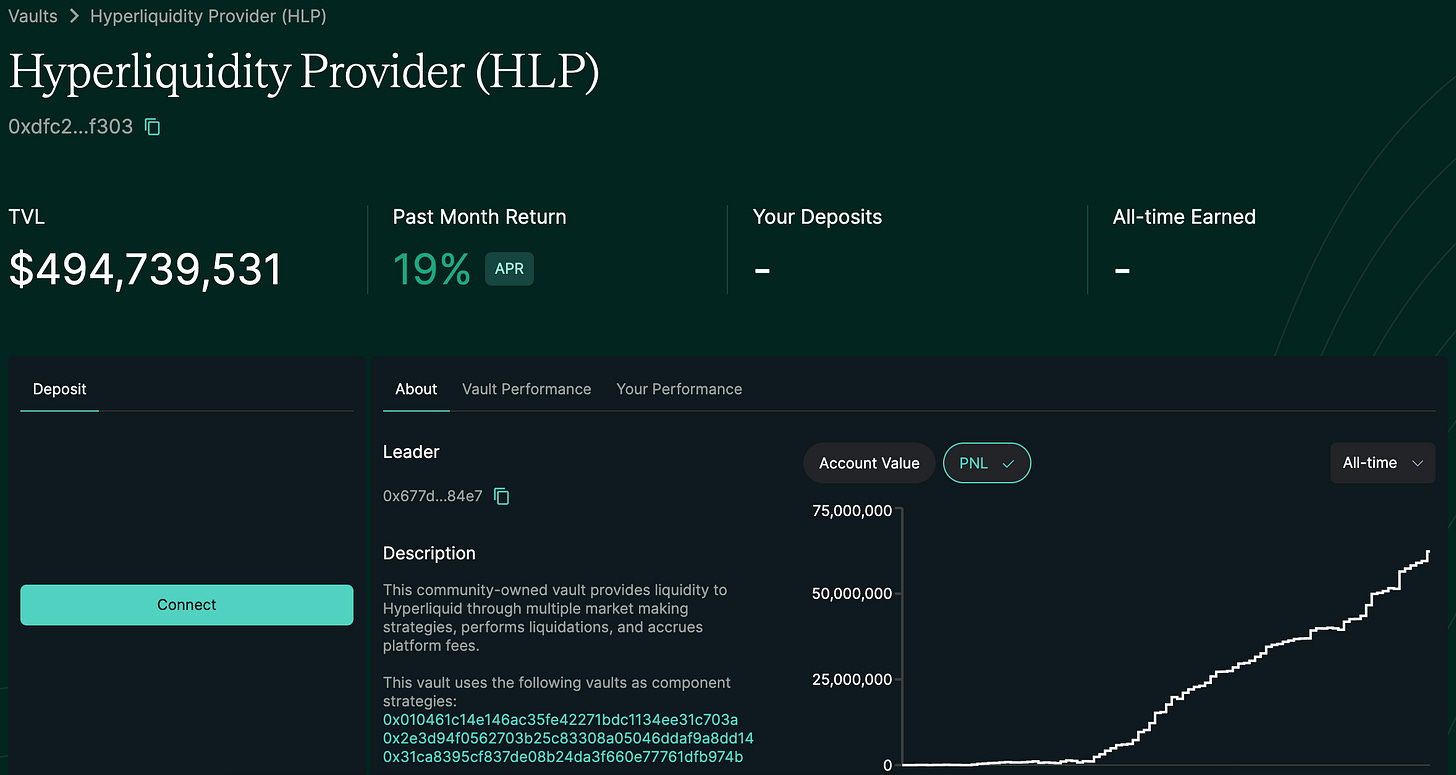
目前,Hyperliquid 平台的 Hyperliquidity Provider (HLP) 金库提供 18.61% 的收益率,是一个持续稳定的回报来源。根据官方描述,HLP 通过多种做市策略为 Hyperliquid 提供流动性,同时执行清算操作并积累平台交易费用。

需要注意的是,HLP 的收益表现通常不均衡。在较长时间内,收益可能保持平稳或略有增长,但在清算事件期间,往往会出现显著的单日回报:
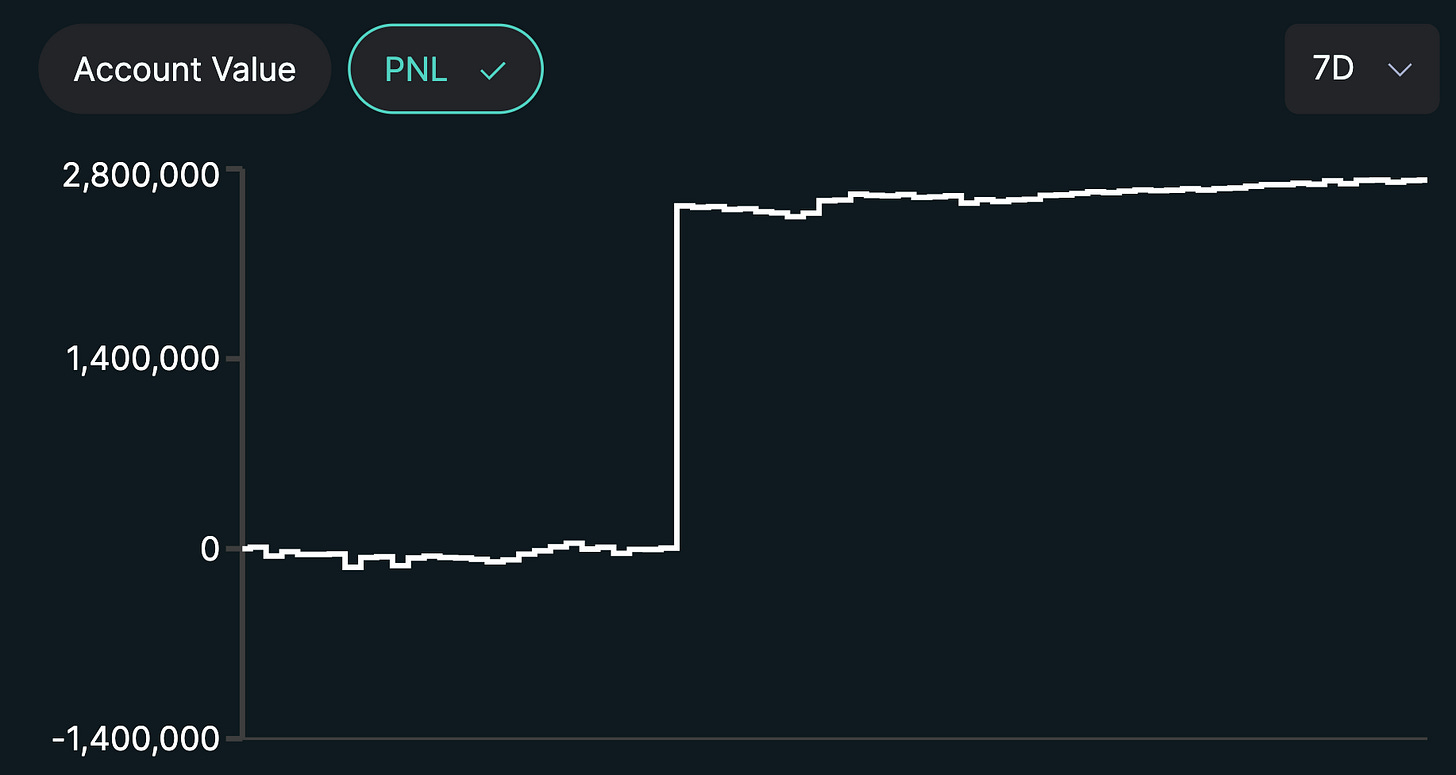
然而,由于 HLP 的操作机制较为封闭,存款人完全依赖于 Hyperliquid 团队的专业能力,因此存在一定的“黑天鹅风险”(即极端事件可能导致的潜在损失)。不过,值得信赖的是,数据显示,交易者平均亏损,因此从长期来看,HLP 金库可能具备持续盈利能力。此外,存款人需要注意,资金存入 HLP 后需锁定 4 天才能提取。

Sky Money
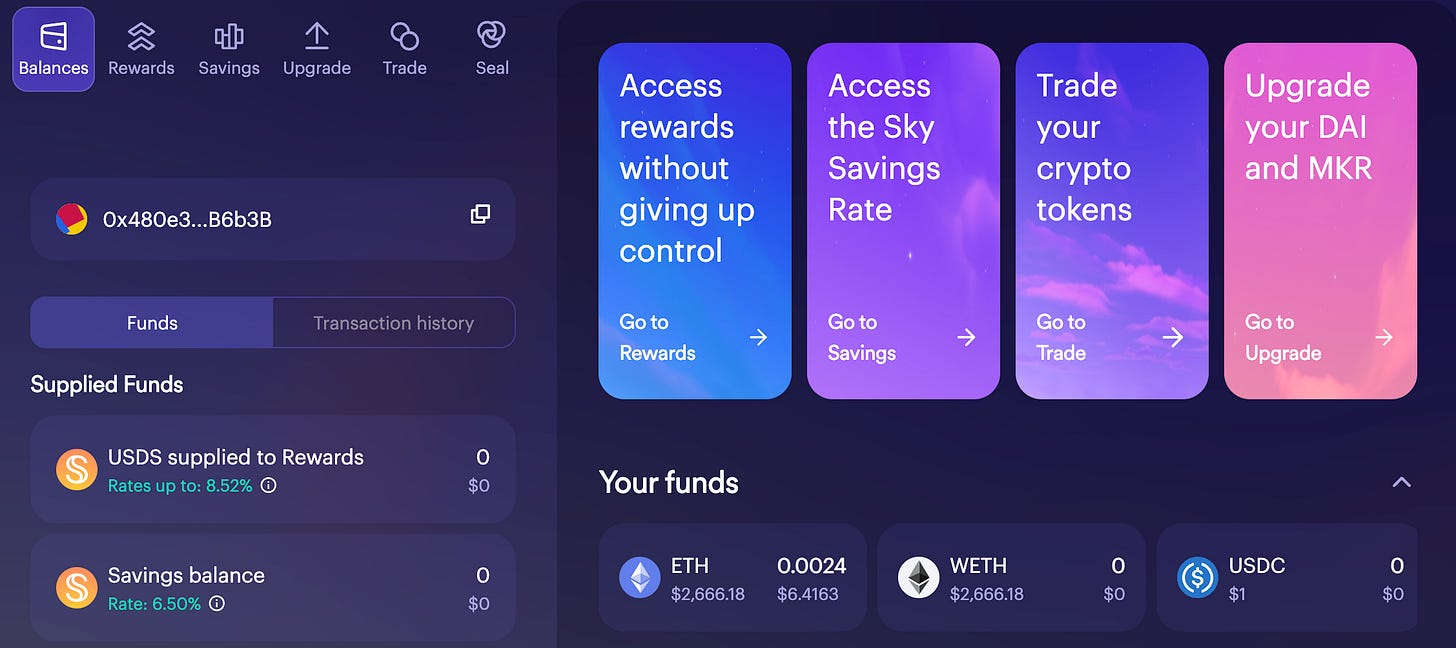
Sky Money 是 MakerDAO 的全新品牌,目前为稳定币存款者提供了以下两种选择:

存入奖励金库 (Rewards Vault) 可获得 8.52% 的收益,以 SKY 形式支付。

存入储蓄金库 (Savings Vault) 可获得 6.5% 的收益,以 USDS 形式支付(这也是新的 DAI 储蓄利率)。

相比之下,奖励金库的高收益显然更具吸引力,且两种选择的风险水平相当。存入奖励金库的存款人还可以积累 SKY 代币,我们认为 SKY 当前被市场低估。如果选择持有并积累 SKY,而不是简单地“挖矿即卖出”,可能会为名义收益率带来额外的增长潜力。

Ethereal
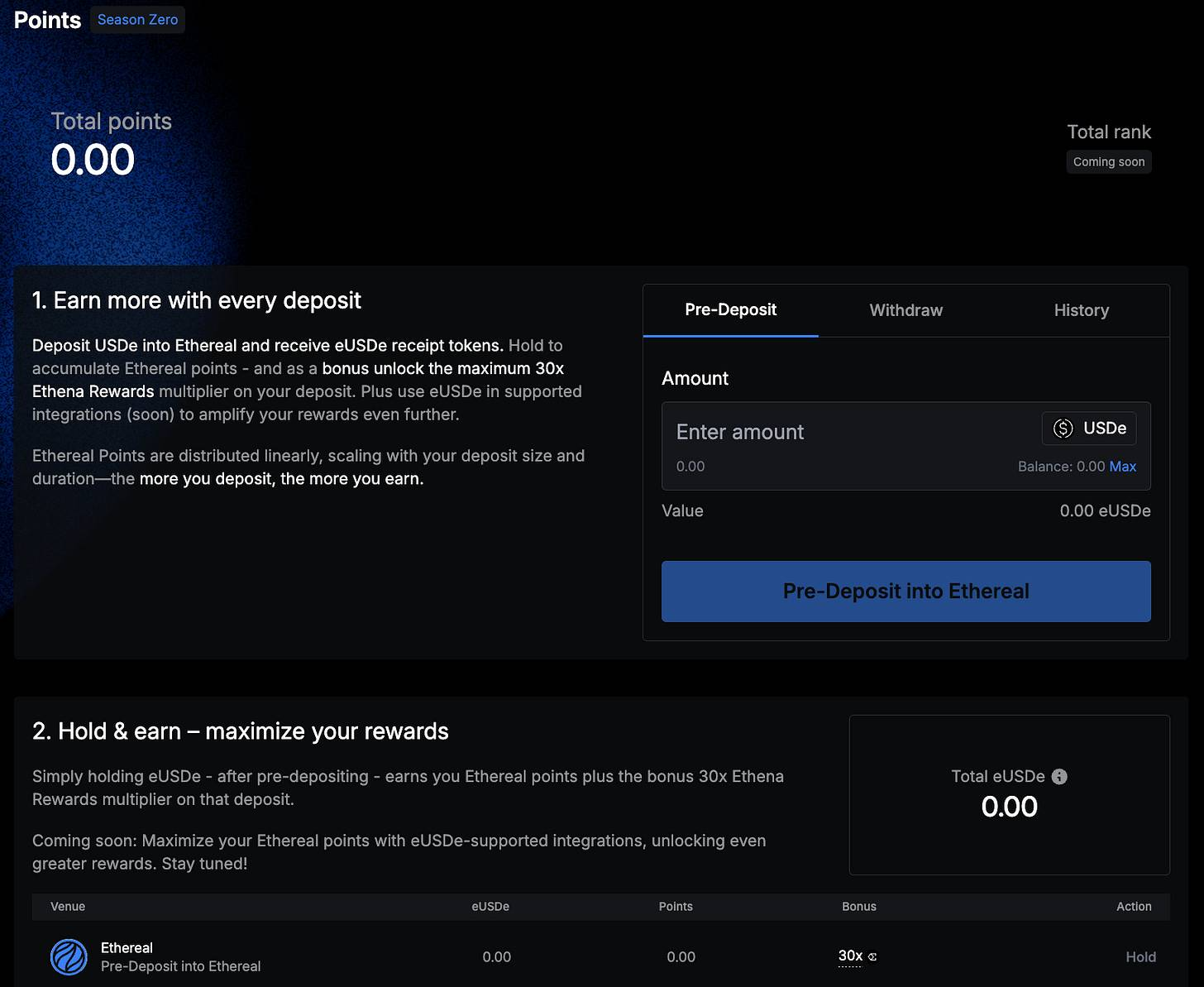
Ethereal 是一个去中心化的永续合约交易平台,与 Ethena 团队关系密切,并得到了他们的支持。据悉,该平台将上线于“Ethena Network”,成为 Ethena 团队用以对冲现货多头仓位的工具,从而减少资金流向中心化交易所 (CEX)。

目前,Ethereal 正在开展一项名为“Season Zero”的积分活动,存入 USDe 的用户可以积累 Ethereal 积分,并获得 30 倍的 Ethena 奖励(具体基准尚不清楚,但可以假设部分 $ENA 代币将奖励给存款者)。

目前这一机会的年化收益率 (APR) 尚未明确,我预计可能会在 15%-20% 之间,具体取决于 Ethereal 代币的发行价格。由于收益信息不够透明,从机会成本的角度来看,这可能存在一定风险。但无论如何,我认为这是稳定币收益组合中值得关注的一个机会。

AO
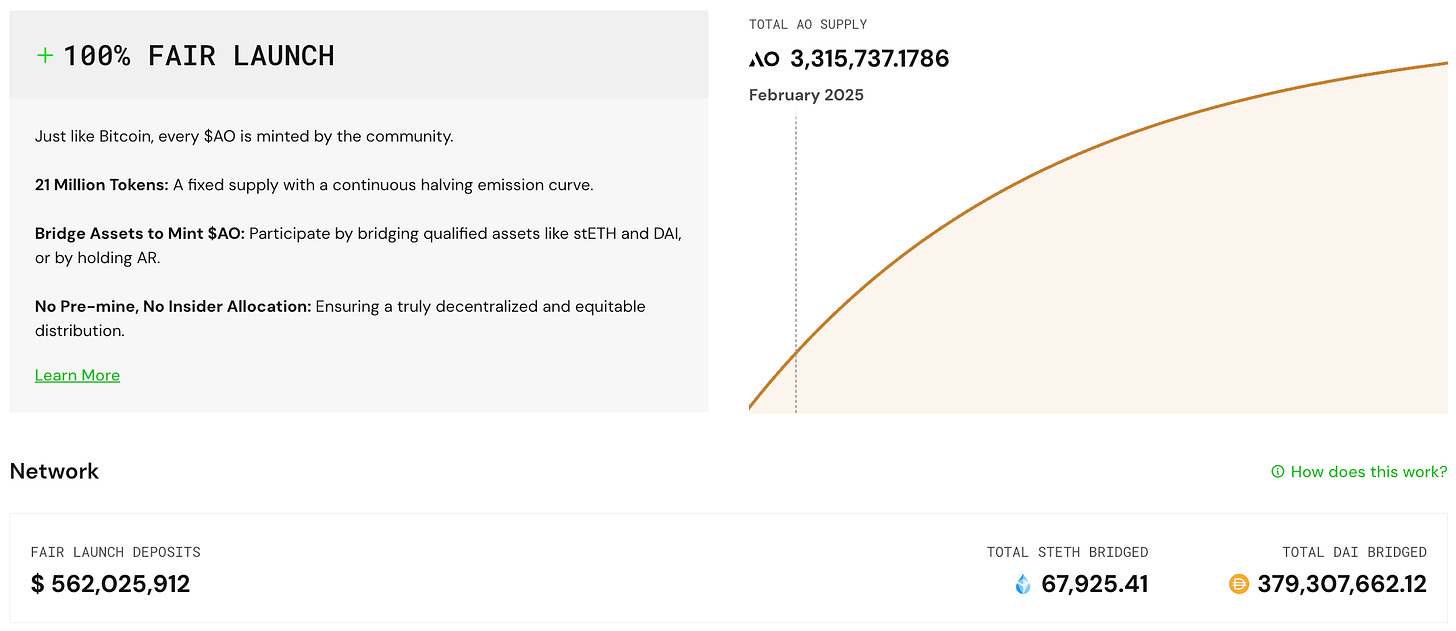
AO 对许多市场参与者来说仍是一个低调的项目。我们实际上早在 2024 年 5 月就对此进行了报道。AO 长期以来一直运行类似预存款的挖矿活动,但随着最近代币生成事件的完成,其年化收益率已得以确认:

1 DAI 每年可赚取 0.004424 AO,因此按当前 AO 价格($32.49)计算,APR 为 14.37%。

与 Sky 和 Ethereal 类似,挖矿 AO 目前可以通过“挖矿即卖出”的方式获得不错的收益,同时也可以选择持有 AO。如果选择持有,未来可能有更大的增值潜力,为当前的 APR 提供额外的上升空间。

Berachain
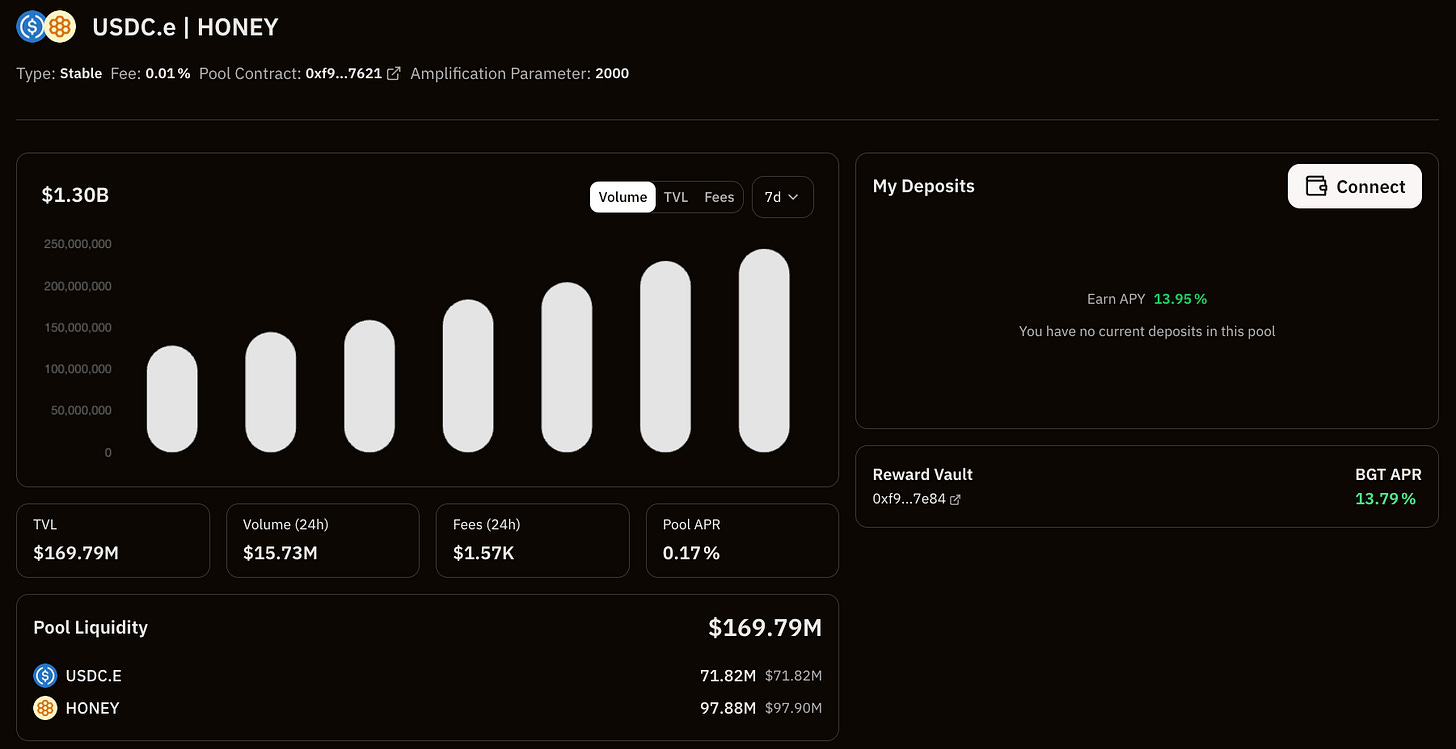
Berachain 原生 DEX 提供了一些有趣的机会,例如 USDC.e/HONEY 资金池,目前支付 13.79% 的收益率,形式为 BGT。BGT 是一种灵魂绑定代币(不可转让),但可以按 1:1 的比例燃烧兑换为 BERA。挖矿者可以选择立即出售以实现当前的 APR,或者积累 BGT,押注 Berachain 生态系统的未来发展(最近该生态系统正逐渐升温)。

Sonic

Sonic 正在进行一场规模庞大的空投挖矿活动,分发数亿美元的 S 代币以激励生态系统的增长。这为收益挖矿者创造了一些独特的机会,值得进一步关注和研究。
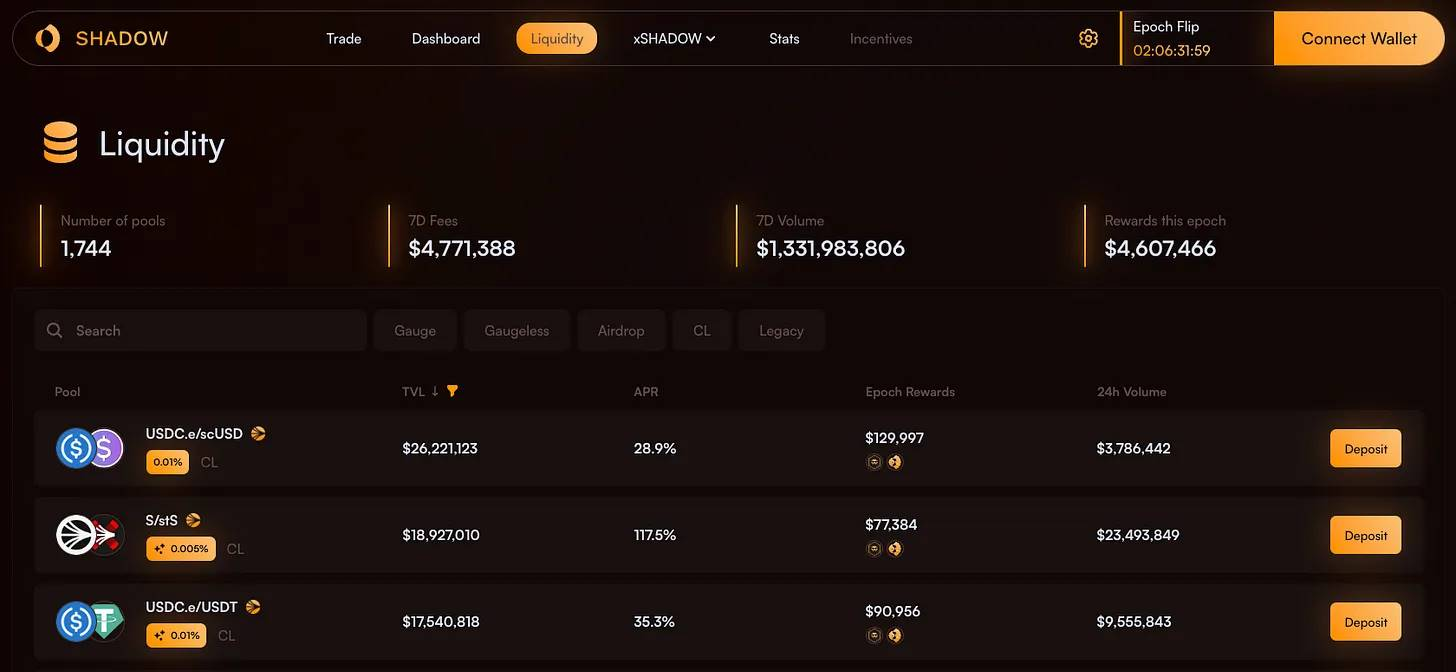
Shadow Exchange 是生态系统中的一个原生去中心化交易所 (DEX),提供了许多颇具吸引力的稳定币投资机会。其中,以下两个选项尤为值得关注:

USDC.e/scUSD:年化收益率为 28.9%

USDC.e/USDT:年化收益率为 35.3%

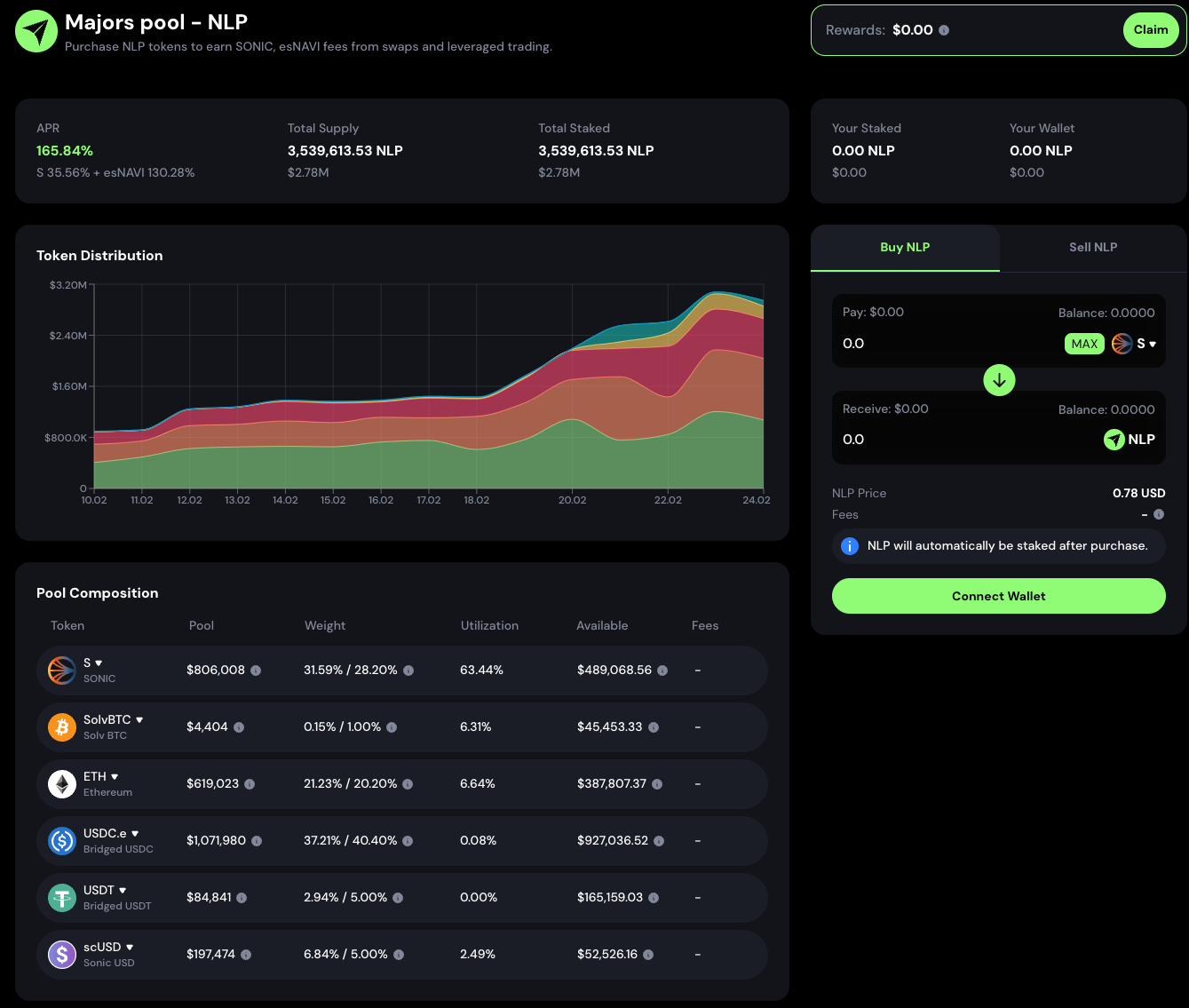
Navigator Exchange 是一个基于 GMX 的分叉项目,同时推出了一种类似 GLP/JLP 的产品,称为 NLP。这种产品需要注意的是,由于其投资组合中包含 S、BTC 和 ETH,因此可能面临一定的价格波动风险(Delta 风险)。目前,NLP 提供的回报率如下:

35.60%,以 S 代币形式支付

131.71%,以 esNAVI 代币形式支付
Trending Cryptos

Related Reads

MSTR Discloses Sale of 3,588 Bitcoins, Stock Price Drops Over 5% at One Point During Trading

MicroStrategy, the world's largest corporate holder of Bitcoin, has significantly shifted its business model. Between June 29 and July 5, the company sold 3,588 bitcoins for approximately $216 million to fund quarterly dividends for its preferred stock. This marks its largest-ever Bitcoin sale and signals a strategic pivot: Bitcoin is transitioning from a "buy-and-hold" reserve asset to a liquidity management tool for the company. This move follows a recent authorization allowing Bitcoin sales when equity fundraising is less attractive. The announcement contributed to a more than 5% intraday drop in MicroStrategy's stock price, while Bitcoin fell to around $61,800—below the company's average holding cost of roughly $75,700. The sale represents a major departure from MicroStrategy's long-standing "never sell" commitment, which saw its first minor breach in May with a $2.5 million sale. The latest, hundred-times-larger transaction underscores growing financial pressures. Analysts note the company faces about $1.5 billion in annual preferred dividend obligations, far exceeding cash flow from its software business. As of July 5, MicroStrategy holds 843,775 bitcoins. Its current operational logic involves buying Bitcoin during favorable financing conditions and selling portions to cover dividends when needed, creating a flexible capital management cycle amidst a challenging market environment.

华尔街日报29m ago

MSTR Discloses Sale of 3,588 Bitcoins, Stock Price Drops Over 5% at One Point During Trading

华尔街日报29m ago

Q-Day Countdown: Will Quantum Computing End Cryptocurrencies?

Quantum Computing's Threat to Cryptocurrency: A Countdown to Q-Day Quantum computing, specifically Shor's algorithm, poses a fundamental threat to the public-key cryptography (e.g., ECDSA, RSA) that secures blockchain networks like Bitcoin and Ethereum. This critical juncture, known as Q-Day, is estimated to occur potentially within the next 5-15 years. The core vulnerability stems from the public and immutable nature of blockchains. Assets in addresses where the public key is already exposed on-chain (e.g., spent outputs) are at direct risk, as a sufficiently powerful quantum computer could derive the private key. This threatens the very trust model of cryptocurrencies. The response lies in Post-Quantum Cryptography (PQC)—algorithms like lattice-based ML-DSA and hash-based SLH-DSA, which are resistant to quantum attacks. NIST has standardized key PQC algorithms (FIPS 203, 204, 205), providing a migration path. However, the primary challenge is not technical but socio-economic and involves complex governance: * **Bitcoin's** path is constrained by its conservative ethos. Migrating requires a soft-fork to new address types, facing hurdles like significantly larger signature sizes and, most critically, the divisive governance question of how to handle at-risk legacy UTXOs without violating core principles. * **Ethereum** is pursuing a "cryptographic agility" strategy, with a multi-layered roadmap. It leverages account abstraction for user accounts and is developing compressed hash-based signatures (e.g., leanXMSS) for its consensus layer, aiming for a full-stack upgrade over time. In conclusion, quantum computing does not spell an instant end for cryptocurrency but initiates a critical countdown. The industry has a limited "engineering comfort window" to orchestrate a coordinated, ecosystem-wide migration to PQC. The ultimate bottlenecks are the immense coordination efforts and governance decisions required for this foundational transition.

marsbit1h ago

Q-Day Countdown: Will Quantum Computing End Cryptocurrencies?

marsbit1h ago

Trump, the President Who Knows Best How to 'Trade Stocks'

Former US President Donald Trump reported a record-breaking $2.2 billion in personal income for 2025, the highest annual income ever disclosed by a sitting president. This figure, from a 927-page government ethics filing, represented a 3.5-fold increase from his $600 million income in 2024 and boosted his net worth to $6.5 billion. The primary drivers were cryptocurrency (64% of income, approximately $1.4 billion) and real estate (26%, approximately $575 million). His crypto earnings stemmed largely from the launch of his personal meme coin, $TRUMP, generating over $600 million in licensing fees, and substantial profits from the WLFI token and its parent company. Despite a sluggish property market, his Mar-a-Lago resort and associated golf clubs saw revenue surges of 50% and 27%, respectively, attributed to their use as venues for presidential events. Trump's financial disclosure also revealed an unprecedented level of stock market activity, with over 22,000 trades executed in 2025, averaging 87 trades per market day. Media analyses noted several instances where significant trading coincided with major policy announcements, such as proposed tariffs, raising questions about potential conflicts of interest. While the White House stated these trades were handled by a family-managed trust fund and not Trump directly, critics highlighted this as a departure from the blind trusts traditionally used by presidents post-Watergate. The report has intensified debate over the commercialization of the presidency. Supporters view it as a success story of a businessman-president, while critics argue it demonstrates an unprecedented conversion of public influence into private wealth, with policy decisions potentially linked to personal financial gains. The controversy centers on whether Trump's earnings represent innovative entrepreneurship or a fundamental conflict of interest, sparking renewed calls for stricter ethics reforms in US governance.

marsbit1h ago

Trump, the President Who Knows Best How to 'Trade Stocks'

marsbit1h ago

Countdown to Q-Day: Will Quantum Computing End Cryptocurrencies?

The article explores the existential threat quantum computing poses to cryptocurrencies and the urgent need for "post-quantum" migration. It outlines that quantum computers, through Shor's algorithm, could break the elliptic-curve cryptography (ECC) underlying blockchain security, potentially allowing private keys to be derived from public keys. The core challenge is not a lack of post-quantum cryptography (PQC) standards—like NIST's ML-KEM and ML-DSA—but the immense complexity of upgrading entire ecosystems before "Q-Day" (when quantum computers become capable of such attacks, estimated around 2035-2045). Key points include: * **Bitcoin's** risk is concentrated in legacy UTXOs with exposed public keys (e.g., early P2PK outputs). Migration faces massive hurdles: PQC signatures are much larger, increasing transaction size and cost, and the governance dilemma of handling un-migrated assets threatens its "code is law" ethos. * **Ethereum's** strategy focuses on "cryptographic agility," using Account Abstraction for user accounts and developing compressed hash-based signatures (like leanXMSS with SNARK aggregation) for consensus. Its migration is a complex, full-stack overhaul of execution, consensus, and data layers. * The "security debt" is enormous. The comfortable engineering window for a coordinated, ecosystem-wide upgrade is only 5-8 years. High-value infrastructure (exchanges, bridges) may face pressure before mainnet protocols. In conclusion, quantum computing is not an instant "doomsday" event but a forcing function for systemic change. Bitcoin's ultimate test is social consensus and property rights governance, while Ethereum's is technical complexity. Failure to migrate in time could lead to a fundamental re-pricing of crypto assets.

链捕手1h ago

Countdown to Q-Day: Will Quantum Computing End Cryptocurrencies?

链捕手1h ago

Trading

Spot

Hot Articles

Discussions

Welcome to the HTX Community. Here, you can stay informed about the latest platform developments and gain access to professional market insights. Users' opinions on the price of S (S) are presented below.

活动图片