Разработчики криптовалюты Litecoin «объявили» LTC мемкоином

investing.ruPublished on 2024-11-17Last updated on 2024-11-17

Happycoin.club - Litecoin — криптовалютный проект, созданный в 2013 году и изначально считавшийся серьёзной альтернативой биткоину, «объявил» себя мемкоином.

Видимо, разработчикам Litecoin не даёт покоя ажиотажный рост популярности и курса мемкоинов. Так, токены-мемы Dogwifhat (WIF) и Pepe Coin (PEPE) значительно подорожали после того, как были размещены на крупных американских платформах Coinbase (NASDAQ:COIN) и Robinhood (NASDAQ:HOOD). PEPE вырос более чем на 200%, достигнув рекордного максимума в $0,00002597. Курс WIF, мемной монеты на базе Solana, подскочил на 65% за один день после листинга на Coinbase.

Криптовалютный рынок тоже положительно отреагировал на шутливый ребрендинг Litecoin, и цена LTC выросла на 21%.

В следующем посте команда разработчиков криптовалюты обратилась к криптосообществу, призвав его членов сплотиться перед лицом растущего давления со стороны регулирующих органов. Кроме того, они призвали различные блокчейны объединиться в «борьбе с машиной».

Мы находимся на перепутье в нашей борьбе с машиной. В конце концов, мы все — мемы. Откройте в себе внутреннего мема и объедините усилия с нами. От самого высокого до самого низкого, ваш голос будет услышан, — говорится в сообщении.

Команда Litecoin обратилась к первому токену-мему Dogecoin с просьбой составить манифест. Polygon было поручено объединить блокчейн-сети, а Solana должна «стоять в стороне и ждать мяч». За этим шутливым постом скрывается серьёзный подтекст, который ещё раз указывает на проблемы с регулированием со стороны американских властей.


Читайте оригинальную статью на сайте Happycoin.club

Trending Cryptos

Related Reads

Li Fei-Fei's Latest Long-Form Article: When Video Generation, Robotics, and NVIDIA All Call Themselves World Models, We Need a Taxonomy

In a new article, Dr. Fei-Fei Li addresses the widespread and often inconsistent use of the term "world model" in AI. She proposes a clear, functional taxonomy rooted in the classic Partially Observable Markov Decision Process (POMDP) loop (agent → action → state → observation → agent). According to this framework, current systems called "world models" are different projections of this loop, categorized by their primary output: 1. **Renderers**: Output observations (pixels). Their goal is visual fidelity for human consumption (e.g., video generation models like Sora). They are the most commercially mature but are limited by a focus on appearance over physical accuracy. 2. **Simulators**: Output states (geometric, physical, dynamic representations). They provide a structurally accurate world for both human professionals (e.g., architects) and computational agents (e.g., robots for training). Li argues simulators are the crucial, underappreciated bridge, as they can underpin both rendering and planning. 3. **Planners**: Output actions. Given an observation and a goal, they decide what an agent should do next (e.g., robotic action models). This area is highly promising but remains the least mature for real-world deployment. Li highlights a key trend: the boundaries between these three categories are beginning to blur, as they all rely on a shared underlying understanding of geometry, physics, and dynamics. The logical endpoint is a unified world foundation model capable of switching between rendering, simulation, and planning based on downstream needs. This convergence, she concludes, is central to advancing spatial intelligence—enabling machines not just to talk about the world, but to truly understand, imagine, and interact with it.

marsbit4h ago

Li Fei-Fei's Latest Long-Form Article: When Video Generation, Robotics, and NVIDIA All Call Themselves World Models, We Need a Taxonomy

marsbit4h ago

Forbes Feature: Stablecoin Cross-Border Payments Are Faster, But Not Yet Cheaper

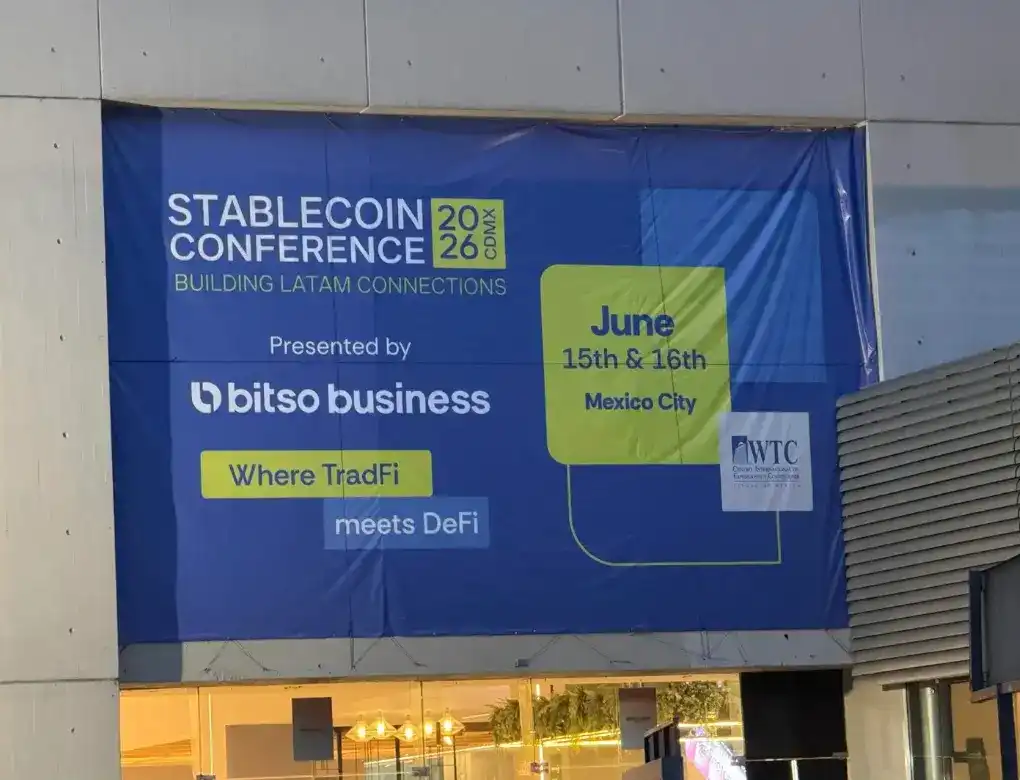
A Forbes feature delves into the state of stablecoin-based cross-border payments, noting rapid growth but a key shortfall: while faster and more accessible, they are not yet cheaper. At a recent industry conference in Mexico City, optimism about technology, regulation, and volume was tempered by discussions with practitioners. The core issue is liquidity. Traditional FX brokers charge 60-70 basis points, and stablecoins promise to slash this to 2-5 basis points. However, this theoretical cost advantage cannot be realized until deep liquidity pools are established at scale, requiring significant institutional capital inflow. A major adoption barrier is trust. Businesses often rely on long-standing relationships with traditional brokers, valuing reliability over marginal cost savings. This shift will be gradual. Furthermore, successful companies in the space are not positioning themselves as replacements for legacy systems like SWIFT, but as complements. They leverage stablecoins for speed while using traditional rails for their standardization and reliability in ensuring accurate payment details—a critical factor for supplier payments to avoid customs issues. Companies like Caliza, experiencing high monthly growth, exemplify this hybrid approach. The industry anticipates consolidation, as long-term viability will depend on securing the essential trifecta: proper licensing, robust fiat on/off-ramps, and deep liquidity. Without these, firms risk being mere intermediaries rather than building sustainable businesses.

marsbit4h ago

Forbes Feature: Stablecoin Cross-Border Payments Are Faster, But Not Yet Cheaper

marsbit4h ago

Trading

Spot

Hot Articles

How to Buy LTC

Welcome to HTX.com! We've made purchasing Litecoin (LTC) simple and convenient. Follow our step-by-step guide to embark on your crypto journey.Step 1: Create Your HTX AccountUse your email or phone number to sign up for a free account on HTX. Experience a hassle-free registration journey and unlock all features.Get My AccountStep 2: Go to Buy Crypto and Choose Your Payment MethodCredit/Debit Card: Use your Visa or Mastercard to buy Litecoin (LTC) instantly.Balance: Use funds from your HTX account balance to trade seamlessly.Third Parties: We've added popular payment methods such as Google Pay and Apple Pay to enhance convenience.P2P: Trade directly with other users on HTX.Over-the-Counter (OTC): We offer tailor-made services and competitive exchange rates for traders.Step 3: Store Your Litecoin (LTC)After purchasing your Litecoin (LTC), store it in your HTX account. Alternatively, you can send it elsewhere via blockchain transfer or use it to trade other cryptocurrencies.Step 4: Trade Litecoin (LTC)Easily trade Litecoin (LTC) on HTX's spot market. Simply access your account, select your trading pair, execute your trades, and monitor in real-time. We offer a user-friendly experience for both beginners and seasoned traders.

9.5k Total ViewsPublished 2024.03.29Updated 2026.06.02

How to Buy LTC

Discussions

Welcome to the HTX Community. Here, you can stay informed about the latest platform developments and gain access to professional market insights. Users' opinions on the price of LTC (LTC) are presented below.

活动图片