Luk Capital оценили перспективные DeFi-направления

cryptonews.ruPublished on 2022-01-24Last updated on 2024-08-24

Исследователи Luk Capital опубликовали еженедельное обновление по сектору децентрализованных финансов (DeFi). В отчет описаны новые инвестиционные возможности на различных блокчейнах. В этот раз внимание сосредоточено на проектах, которые могут принести высокий доход и новые преимущества для пользователей.

Один из таких проектов — pSTAKE на недавно запущенной сети Babylon, где представители Luk Capital смогли получить место для и заниматься стейкингом биткоинов (BTC). Это подчеркивает стремление компании к расширению своего портфеля в направлении новых и перспективных блокчейнов.

Другой интересный проект — Origami (ORI), где предлагается участие в левереджированном фарминге через смарт-контракты. Суммарная стоимость заблокированных активов (TVL) платформы составляет $53 млн, и пользователи могут получать доход за счет вознаграждений, накопления баллов и нативных токенов.

На блокчейне Arbitrum проект Harvest Finance привлек внимание своим пулом для фарминга Pendle (PENDLE), предлагая высокую доходность в размере 83% годовых (APY) и поддержку нескольких активов. Это делает его привлекательным для инвесторов, ищущих высокодоходные возможности.

На Solana аналитики Luk Capital рассматривали взаимодействие с Renzo Protocol (RENZO) и Jito (JITO), которые предлагают стейкинг с автоматическим реинвестированием и извлечением MEV с использованием токена ezSOL. Это первый LRT на Solana.

Наконец, на базе сети Scroll, эксперты компании выделяли проект LoreFinance, где можно принять участие в децентрализованном рынке ликвидности, который стал форком AAVE v2. Участники могут зарабатывать токены LORE и опционы oLORE, а текущая TVL проекта составляет $8,55 млн. Таким образом, в Luk Capital продолжают исследовать новые направления в DeFi, предлагая пользователям выгодные возможности на различных блокчейнах.
Related Reads

Research Report Analysis: Is Intel Making a Comeback with Apple? Bernstein's Calculations Show the Right Direction, but the Price Is Already Overvalued

Bernstein analyst Stacy A. Rasgon published a report on June 18 regarding Intel, assessing the potential impact of recent political support for a US-based PC chip design and manufacturing collaboration between Apple and Intel. The report views this as a significant signal for the foundry landscape shift but concludes the initial financial contribution would be minimal. Key conclusions: 1) An Apple deal is seen as a small-scale "proof of concept." Even if Intel wins 40% of Apple's premium notebook chip orders (~5 million units/year), Bernstein estimates it would generate only about $500M in annual revenue and ~$0.03 EPS, negligible against Intel's ~$55B revenue. 2) Political encouragement is not equivalent to enforceable mandates. Winning orders ultimately depends on Intel demonstrating competitive technology (like its 18A node), cost, and reliable supply. 3) The path from validation to large-scale production involves significant challenges, capital investment, and time. Due to these uncertainties, Bernstein maintains a Market-Perform (Hold) rating with a $100 price target, implying potential downside from the ~$121.10 price at the report date. The analysis highlights the tension between near-term validation value—serving as a crucial trust signal for Intel's foundry ambitions and US supply chain resilience—and the long-term opportunity to attract larger cloud and AI chip customers. The investment thesis hinges on successful 18A execution and sustained policy support, not on immediate financial gains from Apple.

marsbit21m ago

Research Report Analysis: Is Intel Making a Comeback with Apple? Bernstein's Calculations Show the Right Direction, but the Price Is Already Overvalued

marsbit21m ago

27-Year Reign Ends: SK Hynix Market Cap Surpasses Samsung for First Time, an AI-Driven Reshuffle of Korean Chip Power

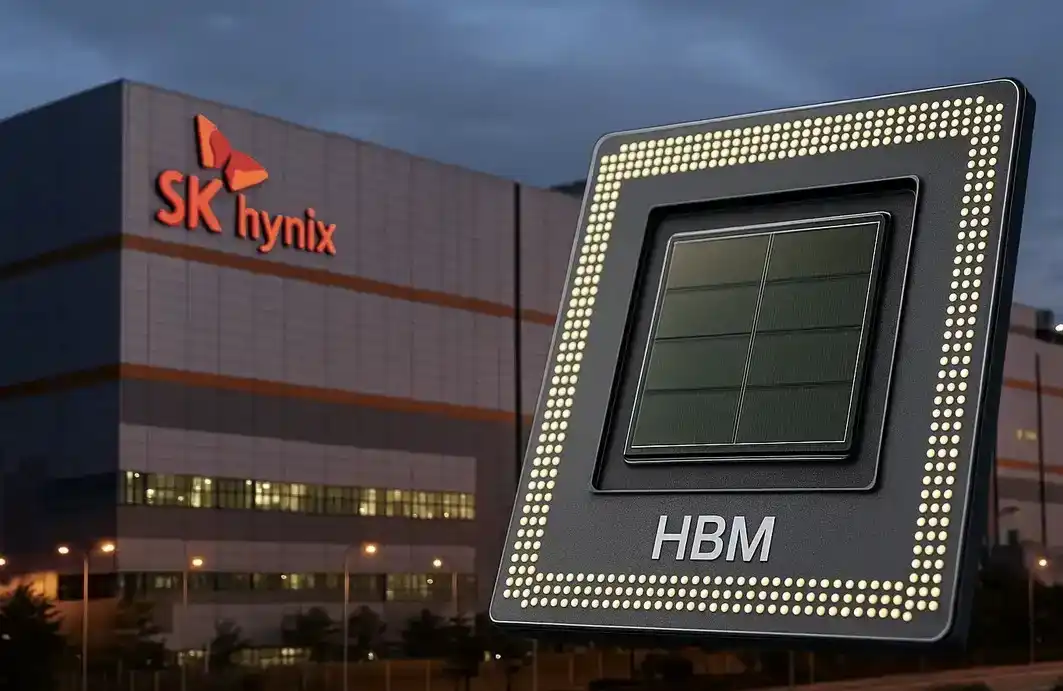
On June 22, 2026, SK Hynix made history by surpassing Samsung Electronics in market capitalization, ending Samsung's 27-year reign as South Korea's most valuable company. This dramatic reversal is powered by the AI boom and SK Hynix's dominant position in High Bandwidth Memory (HBM), a critical component for AI model training. Once a heavily indebted firm on the brink of bankruptcy, SK Hynix bet early on HBM, which has evolved from a niche product to essential AI infrastructure. It now commands a 59% share of the global HBM market. Its financial performance is staggering, with Q1 2026 net profit soaring nearly fourfold year-over-year to KRW 40.35 trillion, translating to over 2 billion RMB in daily net profit. HBM now drives roughly 40% of its revenue with exceptionally high margins. In contrast, Samsung, with its broad portfolio spanning memory chips, smartphones, and foundry services, has lagged in the HBM race while facing headwinds in other divisions. This shift signifies a deeper restructuring of South Korea's economy, moving from consumer electronics to AI-driven growth. However, the future remains competitive. With major capacity expansions planned industry-wide by 2028 and Samsung aiming to catch up in HBM technology, the new market leader cannot afford complacency. This event marks a pivotal moment in the global semiconductor industry's ongoing power realignment.

marsbit32m ago

27-Year Reign Ends: SK Hynix Market Cap Surpasses Samsung for First Time, an AI-Driven Reshuffle of Korean Chip Power

marsbit32m ago

Why Does 'AGI Godfather' Ben Goertzel Believe the Future of AI Relies on Blockchain?

Ben Goertzel, known as the "AGI Godfather," argues that the future of Artificial General Intelligence (AGI) must be built on blockchain to prevent its control by a few corporations or venture capital firms. He believes the core AGI code should be free and open-source, but that this alone is insufficient without a decentralized infrastructure to run it affordably. His blockchain project, SingularityNET, and the broader Artificial Superintelligence Alliance aim to create a user-owned, decentralized network for hosting and deploying AGI, contrasting with the closed models of companies like OpenAI and Anthropic. Goertzel criticizes the shift of other labs from open to closed development. He argues that while a closed path is simpler, an open, decentralized model—akin to Linux and the internet—is both possible and ultimately better for humanity. He envisions an "Agent economy" where individuals orchestrate teams of AI agents to perform tasks, including transactions, on an open network rather than corporate clouds. While his current model relies on cryptocurrency, plans include offering paid AI services to businesses with the decentralized blockchain as the backend. Goertzel predicts human-level AGI could arrive by 2029 and warns that a gap in understanding and access to AGI could drastically worsen inequality. The first test of his decentralized approach will be the upcoming release of the Agent Omega Claw.

Foresight News1h ago

Why Does 'AGI Godfather' Ben Goertzel Believe the Future of AI Relies on Blockchain?

Foresight News1h ago

Trading

Spot
Futures
活动图片