DeFi创新:AAVE 通过Umbrella机制提升坏账处理效率

marsbitPublished on 2024-08-18Last updated on 2024-08-19

$AAVE 正在引领即将到来的 DeFi 浪潮

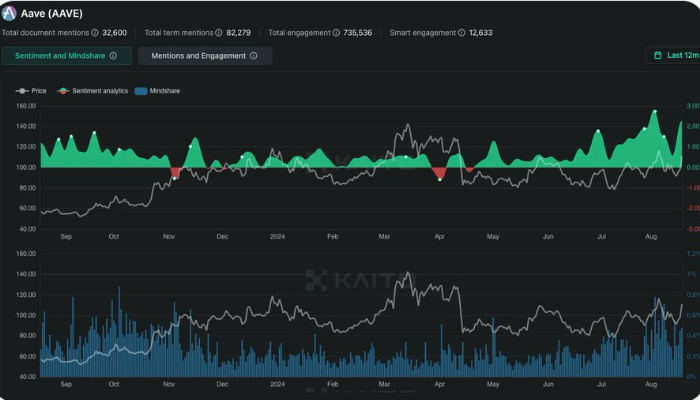
随着市场情绪和关注度达到新高,价格也开始受到关注

强劲的基本面 + Umbrella 更新 + 新的 AAVEnomics = 只需使用 AAVE

原因如下:
AAVE

已经多次指出:在安全模块中使用 $AAVE 意味着 $stkAAVE 是坏账的最后保障……但这并不理想

Umbrella 解决了这个问题
AAVE

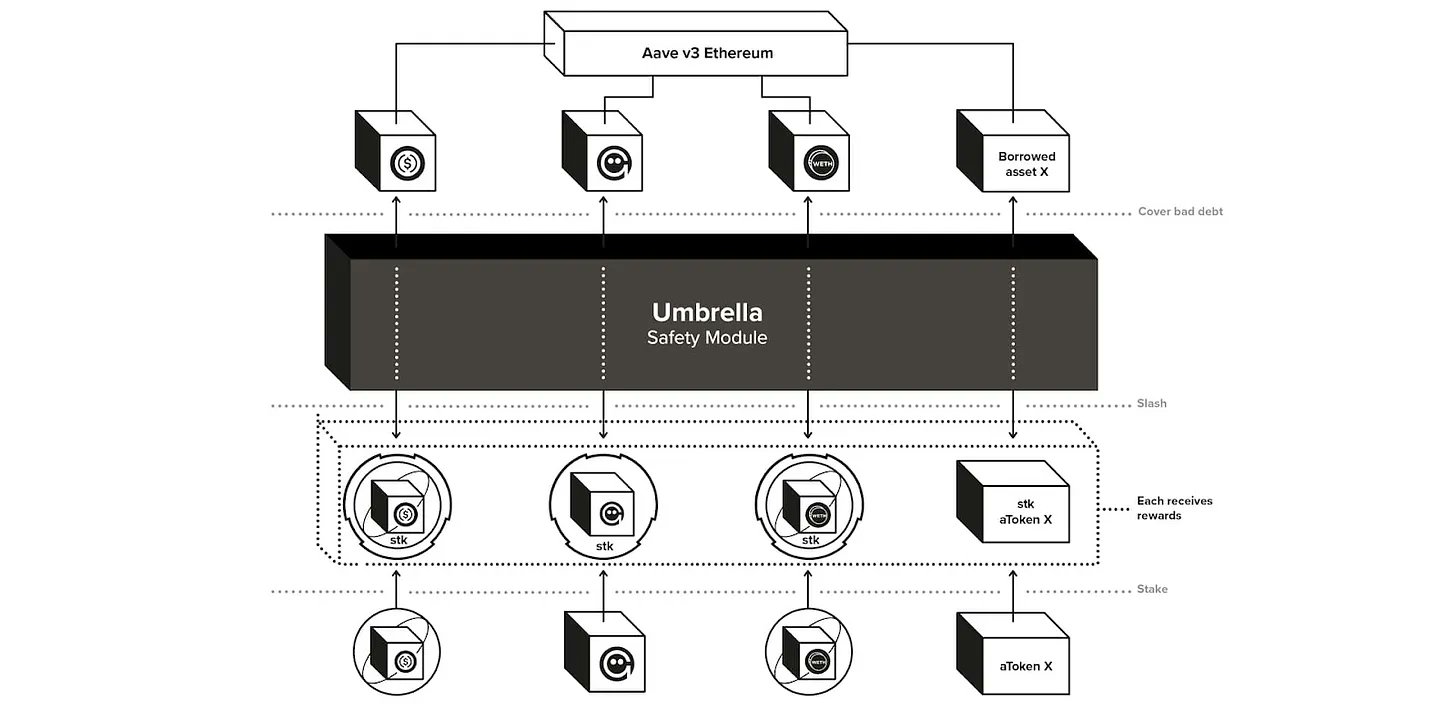
虽然这种情况不太可能发生且很少见,但当前的“扣押和出售”模式依赖于在市场上出售 $stkAAVE 来覆盖坏账 📉

这可能会对 $AAVE 的价格造成压力,并导致资本使用效率低下,因为出售的资产可能与要覆盖的债务不匹配。

Umbrella 提议转向使用 aTokens(Aave 的生息代币)而非 $stkAAVE 的“扣押和销毁”模式。

这使得安全机制与面临风险的资产更加一致。

@lemiscate 在最近与 @MikeIppolito_ 的播客中强调了这种新模式的效率:“通过 Umbrella,我们预计坏账覆盖的效率将显著提高,相比当前状况,从理论上的 1 亿美元增加到中期可能的数十亿美元。”

Umbrella 机制将允许 Aave 从安全模块中扣押 $aTokens 并直接销毁它们,以抵消坏账。

这一过程更具资本效率,并且避免了市场滑点。 例如,如果有 1 亿美元的 $aUSDC 被质押,而有 100 万美元的坏 $USDC 债务,Aave 可以对所有质押的 $aUSDC 实施 1% 的削减,有效地清除债务而无需市场操作。 为什么用户会选择质押他们的 $aTokens 并接受这种潜在风险?

质押者将获得显著的收益:他们不仅能赚取借款人支付的利息,还能获得部分协议费用作为返现,大大提高了他们的整体收益! 这种额外收益有多显著?

@lemiscate 在播客中举了一个例子:“如果 10% 的 USDC LPs 选择加入安全模块,3% 的额外收益将花费约 300 万美元。”他指出,鉴于 Aave 的费用结构,这是可以管理的。 需要注意的是,Aave 在风险管理方面有着良好的记录。坏账很少见且通常涉及金额较小。

最显著的事件是 2022 年 11 月的 170 万美元 CRV 事件,考虑到 Aave 的 TVL 和收入,这仍然相对较小。

Umbrella 更新还引入了特定网络的安全模块,允许在 Aave 运营的不同区块链网络中进行更有针对性的风险管理。

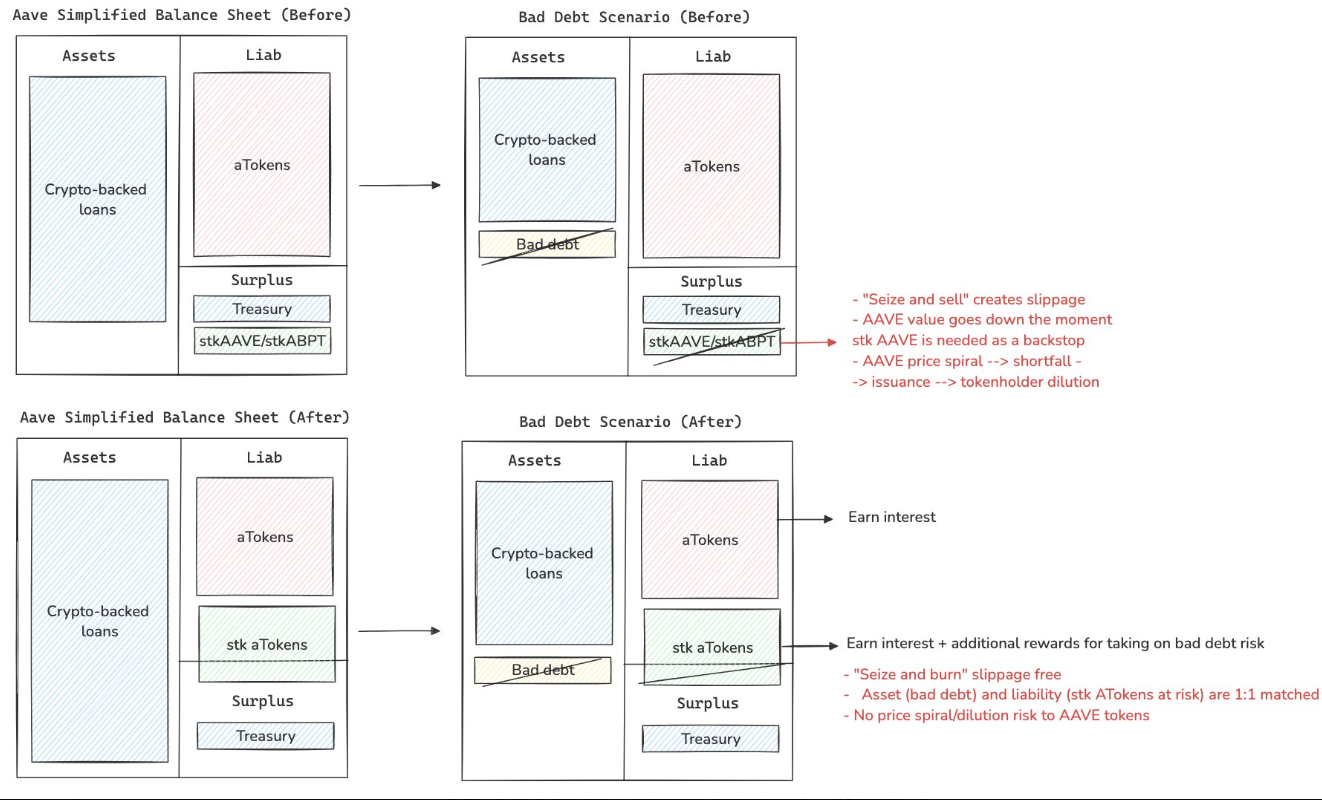
为了更好地理解这些变化,我们来看一下 @sonyasunkim 设计的这张精彩图表,展示了 Aave 的资产负债表和坏账处理的前后变化:
AAVE

值得注意的是,这一变化消除了 $AAVE 代币的一个根本性压力。

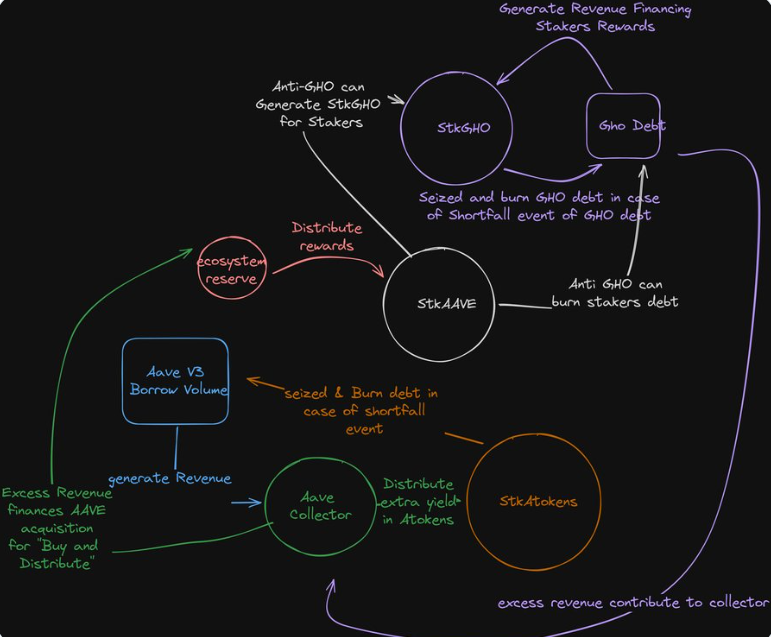
之前,潜在的重大坏账是一个根本性的风险,因为 $AAVE 代币将被出售以弥补损失。 有了 Umbrella,这一风险在很大程度上得到了缓解。$AAVE 代币不再是坏账解决的主要机制,这有可能改善其基本价值主张,并消除代币价格上的重大压力。 现在,让我们将重点转向提议的“购买与分配”计划,这是新的 AAVEnomics 更新的一个关键组成部分。
AAVE

目前,Aave 没有直接向 $AAVE 代币持有者返还价值的机制。用于奖励的生态储备最终会耗尽。 购买与分配计划旨在使用 Aave 的多余收入购买市场上的 $AAVE 代币,并将其分配给质押者,从而创建一个可持续的奖励系统。 该计划将仅在达到某些里程碑后启动。

例如,$GHO(Aave 的稳定币)需要达到 1.75 亿的供应量,以确保协议的可持续性,然后再实施该计划。 其他触发因素包括 Aave Collector 的净持有量达到年度服务提供商成本的 2 倍,以及 90 天年化收入达到所有协议支出的 150%。

@lemiscate 强调了这些里程碑的重要性:“你需要达到一个成熟的水平,在这个水平上,不再将所赚取的一切都重新投资于增长是合理的。”

购买与分配模式可以为 $AAVE 代币创造持续的需求,有可能支持其价值,同时使协议和代币持有者之间的激励机制更加一致。 这种方法不同于“购买与销毁”模式。

@lemiscate 说,购买与分配“将 AAVE 从那些离开生态系统的人手中拿走,并返还给那些长期一致的人。” 如果这些变化得以实施,可能会显著提升 $AAVE 的价值主张。然而,它们仍需经过社区反馈和治理批准。

Trending Cryptos

Related Reads

Why Is No One Buying DeFi Insurance?

"Why DeFi Insurance Remains Unpurchased" explores the paradox of decentralized finance insurance. While DeFi insurance promises automatic, unbiased payouts via smart contracts—eliminating traditional insurers' denial practices—it struggles to attract users. The core issue is economic viability. Premiums are prohibitively high relative to the yields from DeFi protocols. For example, insuring a deposit on Aave or Maple Finance can consume most or even all of the annual yield, leaving returns comparable to or worse than traditional savings. Only the safest protocols, like MakerDAO, offer affordable premiums. Furthermore, the DeFi insurance model is structurally fragile. Unlike traditional insurance where risks are uncorrelated, DeFi risks are highly interconnected (e.g., oracle failures, bridge hacks). A single major exploit can simultaneously threaten multiple protocols, potentially bankrupting the entire insurance pool, which holds only millions against billions in total value locked. The governance model also creates a conflict of interest. In platforms like Nexus Mutual, token holders who vote on claims risk their own capital if payouts are approved, incentivizing denials. Consequently, the market is tiny and shrinking. Nexus Mutual dominates with $81.56 million in assets, but the industry lacks the capacity to cover a catastrophic event like the $292M Kelp DAO hack. Other providers have dwindled or shut down. The article concludes that DeFi insurance faces a "tragedy of the commons": its stability requires widespread adoption, but individual users have no incentive to pay for it, as premiums destroy their yields. Current solutions involve preventative measures like bug bounties and seeking external capital from traditional reinsurance, acknowledging that on-chain capital alone is insufficient to cover on-chain risks.

marsbit3h ago

Why Is No One Buying DeFi Insurance?

marsbit3h ago

Trading

Spot

Hot Articles

How to Buy AAVE

Welcome to HTX.com! We've made purchasing Aave Protocol (AAVE) simple and convenient. Follow our step-by-step guide to embark on your crypto journey.Step 1: Create Your HTX AccountUse your email or phone number to sign up for a free account on HTX. Experience a hassle-free registration journey and unlock all features.Get My AccountStep 2: Go to Buy Crypto and Choose Your Payment MethodCredit/Debit Card: Use your Visa or Mastercard to buy Aave Protocol (AAVE) instantly.Balance: Use funds from your HTX account balance to trade seamlessly.Third Parties: We've added popular payment methods such as Google Pay and Apple Pay to enhance convenience.P2P: Trade directly with other users on HTX.Over-the-Counter (OTC): We offer tailor-made services and competitive exchange rates for traders.Step 3: Store Your Aave Protocol (AAVE)After purchasing your Aave Protocol (AAVE), store it in your HTX account. Alternatively, you can send it elsewhere via blockchain transfer or use it to trade other cryptocurrencies.Step 4: Trade Aave Protocol (AAVE)Easily trade Aave Protocol (AAVE) on HTX's spot market. Simply access your account, select your trading pair, execute your trades, and monitor in real-time. We offer a user-friendly experience for both beginners and seasoned traders.

5.5k Total ViewsPublished 2024.03.29Updated 2026.06.02

How to Buy AAVE

Discussions

Welcome to the HTX Community. Here, you can stay informed about the latest platform developments and gain access to professional market insights. Users' opinions on the price of AAVE (AAVE) are presented below.

活动图片