索拉纳的看涨趋势:分析师警告可能存在牛市陷阱

币界网Published on 2024-08-07Last updated on 2024-08-07

币界网报道:
    索拉纳的看涨涨势面临阻力,有可能创下新高,但有回落的风险。SOL的技术指标显示谨慎乐观,但克服160美元的阻力至关重要。

Solana[SOL]在过去24小时内表现出了复苏,超过了许多加密货币同行。然而,分析人士敦促谨慎行事,暗示最近的牛市可能是一个潜在的牛市陷阱。

加密货币分析师CrediBULL Crypto对Solana目前对比特币[BTC]的看涨趋势表示担忧。

CrediBULL在X(前身为推特)上评论道:,

“如果我们能突破这里的阻力,接下来就会出现新的局部高点。话虽如此,我认为我们下方所有的低点最终都会被席卷,所以如果我们真的在这里达到高点,不要高兴。”

这表明,虽然可能会出现突破,但随后有回调的风险,导致潜在的造假。

Solana的市场表现和技术指标

截至撰写本文时,Solana的价格为151.34美元,在过去24小时内上涨了7.32%。尽管出现了这一激增,但SOL在过去一周仍下跌了16.98%。

价格最近从120美元左右的低点反弹,并接近布林带的中线,布林带约为200美元和133美元,表明潜在的波动性。

在本次发布中,相对强弱指数(RSI)为46.90,表明SOL既没有超买也没有超卖。这一水平表明,如果购买压力增加,市场有可能进一步上涨。

此外,MACD直方图仍然为负,但显示出缩小的迹象,如果积极势头持续下去,可能会出现看涨交叉。

这些技术指标表明,SOL的前景谨慎但可能看涨,取决于能否克服160美元左右的阻力位。

与此同时,基于Solana的交易所交易基金(ETF)的可能性已成为激烈讨论的话题。

VanEck的数字资产研究主管Mathew Sigel持乐观态度,暗示Solana ETF可能比预期更早实现。

这种乐观的观点与行业巨头贝莱德的保守态度形成鲜明对比,贝莱德认为目前这种发展还为时过早。

市场活动和用户参与度

根据DefiLlama的数据,Solana在过去24小时内的活跃地址达到104万,记录了3255万笔交易。

索拉纳生态系统的总价值锁定(TVL)为48.08亿美元,比过去一天增长了8.61%。这表明用户参与度和网络利用率在不断提高。
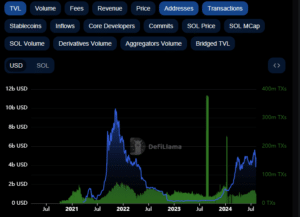
来源:DefiLama

尽管存在波动,但活跃地址的总体趋势似乎一直在上升。TVL趋势发生了显著变化,2021年底达到峰值,2024年急剧增加,突显了生态系统的动态性。


现实与否,以下是以BTC为单位的SOL市值


根据AMBCrypto最近的一份报告,Solana可以说是市值最高的加密货币中的金鹅。自去年10月以来,它的迅速崛起吸引了许多投资者和交易员。

因此,自那以后的每一次下跌都伴随着快速复苏。

Trending Cryptos

Related Reads

Wall Street Morning Report: Philadelphia Semiconductor Index Falls Nearly 3%, Nvidia's 'Circular Financing' Concerns Trigger Tech Stock Correction, Optical Communication and Chip Stocks Plunge

Wall Street Morning Report: The Philadelphia Semiconductor Index fell nearly 3%, and concerns over Nvidia's "revolving financing" sparked a tech stock pullback, with optical communications and chip stocks declining sharply. U.S. stocks retreated from record highs on Monday amid geopolitical tensions and AI financing doubts. The Dow fell 0.11%, the Nasdaq 0.32%, and the S&P 500 was nearly flat. Hopes for reopening the Strait of Hormuz dimmed after Trump demanded war reparations from Iran, pushing Brent crude above $87 and WTI above $82. Spot gold broke above $4400/oz. Treasury yields rose, with the market pricing in a ~54% chance of a September Fed hike. The semiconductor and AI infrastructure sectors were hit hard. The Philly Semiconductor Index dropped nearly 3%, with the semiconductor ETF down 2.28%. Optical communication was the worst-performing AI sub-sector, with Coherent plunging over 14%. The sell-off centered on Nvidia, which fell 2.86% on reports it is collaborating with major financial institutions to mobilize over $500 billion in third-party capital for AI infrastructure. Market concerns focused on whether this creates a circular financing loop and if future AI facilities can generate sufficient cash flow. Other notable moves: Intel dropped over 4% on a new share offering. Microsoft rose 1.21% on plans for its next-gen Maia 300 chip. The software sector outperformed, with Palantir up 1.85%. Energy stocks rallied nearly 4.7% on geopolitical risks. Key upcoming events include the RBA rate decision on Aug 11 and earnings from Lumentum, CoreWeave, and Super Micro Computer after the close on Aug 12, which will test the real demand for AI infrastructure.

marsbit48m ago

Wall Street Morning Report: Philadelphia Semiconductor Index Falls Nearly 3%, Nvidia's 'Circular Financing' Concerns Trigger Tech Stock Correction, Optical Communication and Chip Stocks Plunge

marsbit48m ago

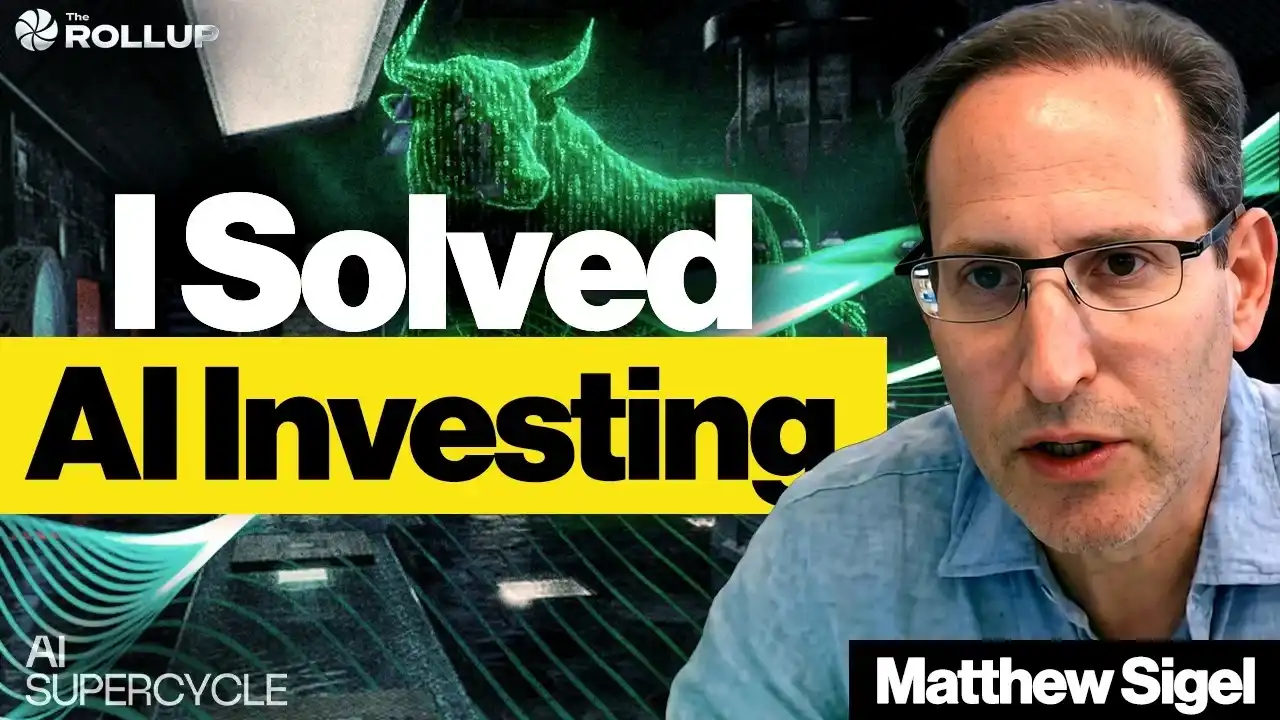
Podcast Notes | VanEck Digital Asset Research Head: Current AI Infrastructure Rally Not a Bubble; Crypto Market Quiet Due to Institutional Disappointment in L1s

In this podcast, VanEck's Head of Digital Asset Research Matthew Sigel discusses the current market dynamics. He argues the ongoing AI infrastructure boom is not a bubble, contrasting it with the 19th-century railroad mania. Unlike railroads funded by speculative land grants and government bonds, today's AI data centers are backed by long-term private contracts and significant customer prepayments, making the investment cycle more sustainable. Sigel notes a recent market shift: companies with high capital expenditures (capex) were rewarded in early 2024 but are now being punished. Cryptocurrencies, categorized as software assets, have suffered alongside the broader software sector. His NODE ETF has outperformed Bitcoin by nearly 100 percentage points over 15 months, largely by betting on Bitcoin miners transitioning into AI data centers. He highlights the value of miners' key assets—power and land—and their new ability to fund growth through debt instead of diluting shareholders. Regarding the crypto market's weakness, Sigel points to institutional disappointment with major Layer-1 (L1) blockchains like Ethereum and Solana. Post-election rallies lacked breakout applications, and regulated entities are increasingly building their own private, permissioned chains (e.g., by Circle, Stripe, Wells Fargo), diluting the "winner-takes-all" potential of public L1s. He believes a regulatory catalyst like the CLARITY Act, which would enforce disclosure standards, could trigger a significant relief rally for some tokens, but remains cautious until then. He also views proposals by ETH, Solana, and NEAR to reduce token inflation as a positive, necessary adjustment for the maturing sector.

marsbit53m ago

Podcast Notes | VanEck Digital Asset Research Head: Current AI Infrastructure Rally Not a Bubble; Crypto Market Quiet Due to Institutional Disappointment in L1s

marsbit53m ago

Shenzhen Competing for 'Tsinghua Faction' Talent

Shenzhen is actively attracting Tsinghua University-affiliated technology ventures, as highlighted during the "X-Day" Xili Lake Roadshow held in Nanshan. The event featured six startup projects from Tsinghua alumni, spanning semiconductors, AI, materials, and healthcare. The showcased companies include: Zhichen Semiconductor, developing edge AI chips; Guangsu Evolution, creating AI-powered home security systems; Qingli Technology, commercializing "self-superlubricating" technology; Shu Yu Technology, offering an AI Agent for analog chip design; Heyi Intelligent Control, providing AI-driven building management systems; and Shengshengyi, applying AI to assisted reproductive medicine. These ventures represent a trend of deep-tech innovation closely linked to academic research. The roadshow series, initiated a year ago, underscores a strategic shift in Shenzhen's investment landscape. Venture capital is moving earlier into the innovation cycle, seeking projects directly from laboratories and research papers. Tsinghua University serves as a key source for such early-stage, technology-intensive startups. Over the past two years, Tsinghua alumni projects have accounted for nearly 30% of the approximately 280 billion RMB in early-stage deep-tech funding in Shenzhen. The "X-Day" platform has facilitated significant growth. To date, its 19 roadshows have connected companies with investors thousands of times, leading to over 3.3 billion RMB in equity financing for 58 firms. Past participants like Kuaiwei Intelligent (recently valued over 10 billion RMB after a Series B round) and Lingcifang (securing four funding rounds in 18 months) exemplify the successful trajectory from this ecosystem. The activity underscores Shenzhen's, particularly Nanshan District's, role in bridging academic research from institutions like Tsinghua with industrial application and venture capital.

marsbit54m ago

Shenzhen Competing for 'Tsinghua Faction' Talent

marsbit54m ago

Trading

Spot

Hot Articles

Discussions

Welcome to the HTX Community. Here, you can stay informed about the latest platform developments and gain access to professional market insights. Users' opinions on the price of SOL (SOL) are presented below.

活动图片