3天“圈钱”近20亿美元!现货比特币ETF大受资金热捧

金十Published on 2024-01-19Last updated on 2024-01-19

美国现货比特币ETF上市后吸引了投资者的强烈兴趣。发行人和分析师的数据显示,上市交易后的三天内,投资者已向九个ETF投入了19亿美元,其中大部分流向贝莱德和富达旗下基金。

根据加密货币研究和分析公司BitMEX Research的数据,资产管理巨头贝莱德的iShares比特币信托ETF(IBIT.O)吸引了超过7亿美元的资金,而富达的Wise Origin比特币基金则吸引了超过5亿美元的资金。

尽管如此,现货比特币ETF于1月11日开始交易后的首日资金流入量并未达到预期中的数十亿美元。另外,比特币自1月11日以来已下跌超过8%。此前几个月,由于预期ETF最终将获得SEC的批准,比特币大幅反弹。

市场参与者表示,跟踪波动性加密货币的基金在多大程度上继续吸引散户和机构投资者,以及哪些发行人将脱颖而出,还有待观察。一些乐观的分析师表示,到今年年底,资金流量可能会达到500亿至1000亿美元。

目前,较低的费用和知名度似乎是吸引投资者的关键因素九家发行人的费用(在豁免之前)最低是0.19%,最高是0.39%。贝莱德对前50亿美元资产和前12个月的交易收取0.12%的费用,之后费用将上涨至0.25%。富达最初收取零费用,7月31日后将升至0.25%。根据晨星公司的计算,这些费用仍低于ETF平均费用0.54%的一半。

相比之下,收费为1.5%的灰度比特币信托基金(GBTC)本月出现资金流出。BitMEX的数据显示,该信托基金在其他ETF推出的同时被转换为ETF,并在前三个交易日内流出了11.6亿美元。精品财富管理咨询公司TwinFocus的创始人Paul Karger表示,他的一些客户正在出售其持有的GBTC,转而购买更便宜的新ETF。

灰度公司首席执行官Michael Sonnenshein指出,与新推出的产品不同,GBTC在转换时已经拥有大量资产,能让投资者在比特币上涨后锁定利润。与此同时,该公司的费用“反映了它为市场和投资者带来的一定价值”。Sonnenshein还表示,该公司有10年的历史业绩,拥有超过20亿美元的AUM(管理资产)、多元化的股东基础、较小的利差和令人难以置信的流动性。

现货比特币ETF的下一个障碍可能是赢得养老基金和投资顾问等机构投资者的认可。Galaxy Digital资产管理主管Steve Kurz指出,讨论什么样的配置是合适的,以及现货比特币ETF如何“融入模型投资组合”的过程将成为未来六个月的焦点。Strategas的ETF分析师托德·索恩(Todd Sohn)表示:

“到目前为止,这些产品的推出几乎达到了炒作的效果……下一个问题是:它们的持久力如何?六个月后或六年后的资金流量会是什么样子?”

Related Reads

STRC Hits Historic Low, Saylor's Perpetual Motion Machine Grinds to a Halt

STRC, the perpetual preferred stock issued by MicroStrategy to fund its Bitcoin purchases, hit a historic low of $85.32, a 17% discount to its $100 par value. Designed as a "digital credit engine" to trade stably near par and enable continuous share issuance for buying Bitcoin, its plunge signals a breakdown in this model. Three key factors drove the decline: 1. Bitcoin's price fell over 50% from its peak, trading around $63,000 amid hawkish Fed signals. 2. MicroStrategy's cash reserves were depleted after a $1.5 billion convertible note repayment, slashing the dividend coverage for STRC's 11.5% yield to ~7 months. The company then sold 32 BTC to cover dividends—Michael Saylor's first Bitcoin sale since 2022—damaging the "never sell" narrative. 3. A competing Bitcoin-backed preferred stock, Strive's SATA, offers a higher yield (~13%) and daily dividends, drawing investors away from STRC. The drop triggers a negative cycle: STRC below par halts ATM share issuances, cutting off a key funding source for Bitcoin buys and potentially forcing more BTC sales for dividends, further eroding confidence. While Saylor argues the model is mathematically sound—needing only 2.3% annual Bitcoin growth to sustain itself—the market is testing the resilience of the leveraged Bitcoin treasury strategy in a bear market. The STRC price now reflects rising skepticism about this financial machinery's durability during downturns.

marsbit16m ago

STRC Hits Historic Low, Saylor's Perpetual Motion Machine Grinds to a Halt

marsbit16m ago

A Guide to Grayscale’s ‘Bottom Fishing’: Using Cash Flow to Assess Cryptocurrency Value

**Title:** Grayscale's Guide to Bottom-Fishing: Valuing Cryptoassets Using Cash Flows **Summary:** This report by Grayscale Research presents a fundamental valuation framework for cryptocurrency assets, moving beyond pure speculation to analyze those with underlying cash flows. It distinguishes between "commodity-like" assets (e.g., Bitcoin) and "cash-flow" assets, primarily within DeFi. Using the leading decentralized lending protocol Aave as a case study, the analysis applies traditional financial methodologies like Discounted Cash Flow (DCF) and Price-to-Earnings (P/E) multiples. Key findings indicate that AAVE tokens are currently undervalued. Despite recent challenges, the protocol's strong revenue growth, ~50% net profit margin, and diversified treasury support a fundamental valuation range of $80-$100 per token (compared to a ~$75 market price at the time of writing). In a base-case scenario driven by stablecoin adoption and regulatory clarity, the fair value could rise to around $175 within a year. The report emphasizes that protocol success does not automatically translate to token value. It critically examines the "value capture" mechanisms—such as buybacks, burns, and staking rewards—that channel protocol profits to token holders. Furthermore, it addresses the legal and governance complexities of Decentralized Autonomous Organizations (DAOs), noting their difference from traditional corporate equity but highlighting how robust, transparent governance can align protocol economics with holder interests. The conclusion is that the crypto market is maturing, with capital increasingly flowing towards projects with demonstrable fundamentals, real adoption, and disciplined capital allocation, creating opportunities for value-based investors.

marsbit1h ago

A Guide to Grayscale’s ‘Bottom Fishing’: Using Cash Flow to Assess Cryptocurrency Value

marsbit1h ago

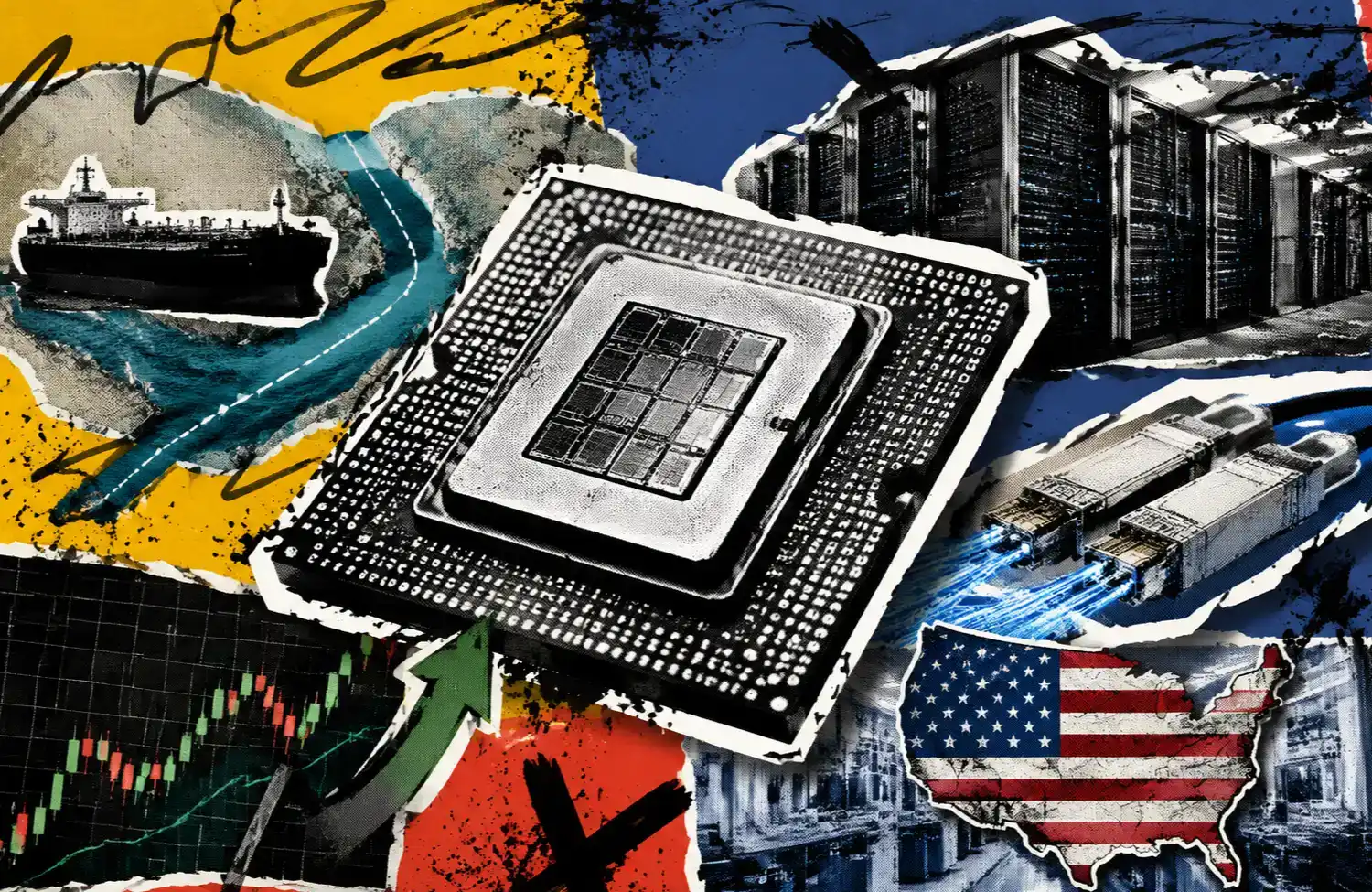
After semiconductors lead the gains, are funds buying into AI orders or a macroeconomic rebound?

After US-Iran talks led to a temporary ceasefire and framework for reopening the strategic Strait of Hormuz, U.S. stocks rose on June 18, with the Nasdaq gaining 1.9%. The semiconductor and AI hardware sectors outperformed. This rally stemmed primarily from reduced geopolitical risk, which lowered oil prices and inflation expectations, easing discount rate pressure on high-valuation growth stocks like tech. The key question is not whether tech rebounded, but the nature of the rebound. The market appears to be selectively repricing AI infrastructure plays rather than broadly chasing AI narratives. Gains were concentrated in chips, optical interconnects, memory, and domestic manufacturing—segments tied to tangible data center build-outs and capital expenditure. Intel's ~10% surge, fueled by a Trump statement about potential Apple collaboration, exemplifies this mixed dynamic. It reflects policy catalysts and domestic manufacturing sentiment more than confirmed fundamentals. Meanwhile, strong earnings from companies like Astera Labs (revenue up 93% YoY) provided concrete evidence of AI-driven demand in hardware. In essence, the rally represents a risk-premium recalibration. Lower Middle East tensions opened a valuation repair window, and capital flowed first into AI infrastructure segments with visible near-term revenue streams. The sustainability of this move hinges on upcoming Q2 earnings, specifically continued strength in cloud provider capex, AI server orders, and hardware company guidance. Policy hopes alone are insufficient; the cycle needs validation from orders and financials.

marsbit1h ago

After semiconductors lead the gains, are funds buying into AI orders or a macroeconomic rebound?

marsbit1h ago

Trading

Spot
Futures
活动图片